Choosing the right air conditioner size for your 2200 square feet home can be tricky. If it’s too small, your space won’t cool properly.
If it’s too big, you’ll waste energy and money. You want a solution that keeps your home comfortable without breaking the bank. You’ll discover exactly how to find the perfect air conditioner size for your needs. Keep reading to avoid costly mistakes and enjoy cool comfort all year long.
Factors Affecting Ac Size
Choosing the right size air conditioner is important for comfort and energy use. Many factors affect the size needed for a 2200 square feet home.
This guide explains key elements that influence AC size. Understanding these helps pick the best cooling system.
Room Dimensions And Layout
The size and shape of rooms affect cooling needs. Open floor plans may need more cooling power than separate rooms.
| Room Type | Approximate Size (sq ft) | Impact on AC Size |
| Living Room | 400 | High cooling load due to large space |
| Bedrooms | 250 each | Moderate cooling load |
| Kitchen | 150 | Higher heat from cooking appliances |
| Bathrooms | 50 each | Lower cooling needs |
Insulation And Windows
Good insulation keeps cool air inside and hot air outside. Windows can increase heat, especially if they face the sun.
- Well-insulated walls reduce AC size needs
- Double-pane windows lower heat gain
- Large or many windows increase cooling load
- Window treatments can help block heat
Climate And Sun Exposure
Climate plays a big role. Hotter and sunnier places need bigger air conditioners. Sun exposure on windows increases cooling needs.
Homes in cooler or shaded areas need less cooling power.
Occupancy And Appliances
More people in a home add body heat, raising cooling needs. Appliances like ovens and computers also produce heat.
- Each person adds to the heat load
- Kitchen appliances increase room temperature
- Electronics add small but constant heat
- Consider peak usage times for appliances
Calculating Cooling Capacity
Choosing the right size air conditioner is important for comfort. The cooling capacity depends on many factors.
This guide helps you find the right size for 2200 square feet space.
Btu Requirements For 2200 Sq Ft
BTU means British Thermal Unit. It shows how much heat an AC can remove.
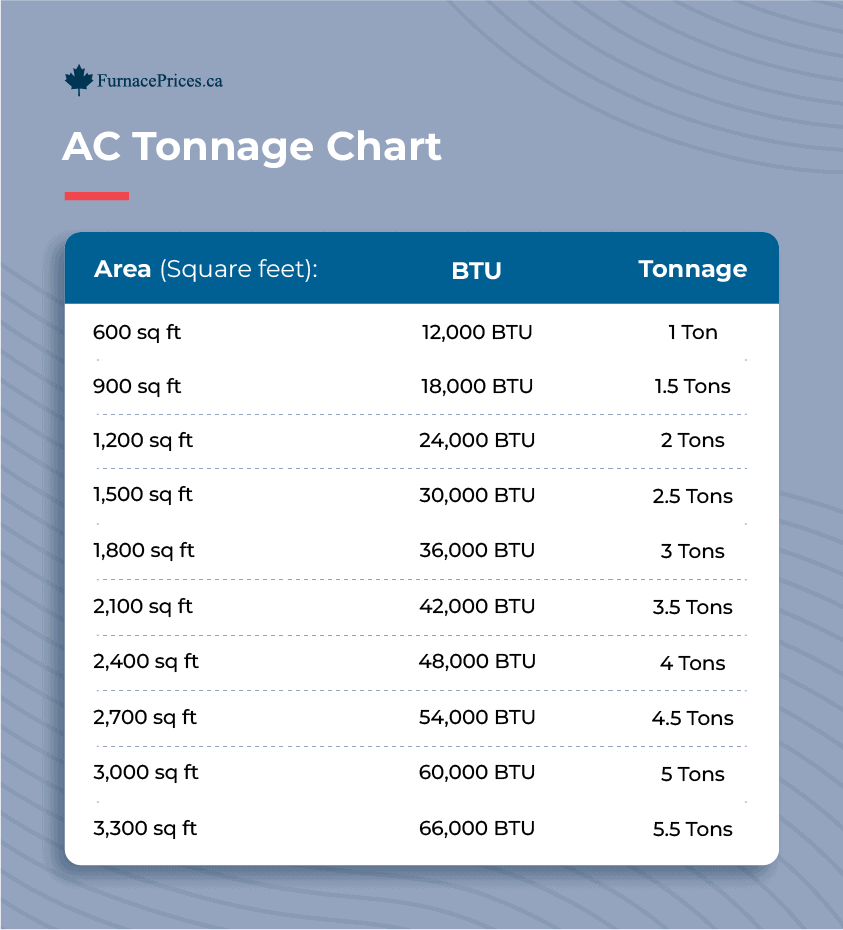
For 2200 square feet, you need about 44,000 to 55,000 BTUs.
- 1 square foot needs about 20-25 BTUs
- 2200 sq ft × 20 = 44,000 BTUs minimum
- 2200 sq ft × 25 = 55,000 BTUs maximum
Using Manual J Calculation
Manual J is a precise way to find cooling needs. It checks your home’s walls, windows, and more.
This method looks at heat from sunlight, people, and appliances. It gives a detailed BTU number.
- Measure room sizes and ceiling heights
- Check window types and sun exposure
- Consider insulation and air leaks
- Calculate heat from lights and devices
- Sum all to get total BTU needed
Adjusting For Humidity Levels
Humidity makes a room feel hotter. Your AC must cool and remove moisture.
High humidity means you need more BTUs. Low humidity needs fewer BTUs.
| Humidity Level | BTU Adjustment |
|---|---|
| Low (Under 40%) | Use base BTU calculation |
| Medium (40%-60%) | Add 10% to BTU needs |
| High (Above 60%) | Add 20% or more to BTU needs |
Types Of Air Conditioners
Choosing the right air conditioner size for a 2200 square feet home depends on the type of system you select. Different air conditioners work well for different spaces and needs.
This guide explains common types of air conditioners and how they fit homes of this size.
Central Air Systems
Central air systems cool your whole home using ducts. They are great for large spaces like a 2200 square feet house. These systems connect to your home’s ductwork and deliver cool air evenly.
They usually need a professional to install and maintain. The size of the unit is measured in tons, with one ton cooling about 400 to 600 square feet.
- A 2200 square feet home typically needs a 4 to 5 ton unit.
- They provide consistent cooling throughout the house.
- Central systems are energy efficient if ducts are sealed well.
Ductless Mini-splits
Ductless mini-splits have an outdoor unit and one or more indoor units. They do not need ductwork, so installation is easier in homes without ducts.
Mini-splits are good for cooling specific zones or rooms. For 2200 square feet, you may need multiple indoor units to cover all areas.
- Each indoor unit cools one room or zone.
- They are energy efficient and allow individual temperature control.
- Installation costs vary based on the number of indoor units.
Window And Portable Units
Window and portable air conditioners cool small areas or single rooms. They are easy to install and do not require ducts.
For a 2200 square feet home, these units work best for cooling specific rooms, not the entire house.
- Window units fit into window openings.
- Portable units can be moved from room to room.
- They are less energy efficient for large spaces.
Credit: www.furnaceprices.ca
Energy Efficiency Considerations
Choosing the right air conditioner size for 2200 square feet is important. Energy efficiency helps save money and reduce power use.
Understanding efficiency ratings and certifications can guide you to the best choice for your home.
Seer Ratings Explained
SEER stands for Seasonal Energy Efficiency Ratio. It shows how well an air conditioner cools for each unit of energy used.
- Higher SEER means better efficiency
- Minimum SEER rating is usually 13 or 14
- Modern units can have SEER ratings above 20
- A higher SEER unit costs less to run over time
Impact On Utility Bills
Choosing an efficient air conditioner can lower your electric bills. Savings grow with higher SEER ratings.
| SEER Rating | Estimated Annual Cooling Cost |
|---|---|
| 13 | $500 |
| 16 | $400 |
| 20 | $320 |
Energy Star Certified Models
Energy Star certification means the air conditioner meets strict energy efficiency rules set by the government.
- Uses less energy than standard models
- Helps reduce greenhouse gas emissions
- Offers rebates or tax credits in some areas
- Often comes with better warranty options
Installation Tips
Choosing the right air conditioner size for 2200 square feet is important. Proper installation helps the unit work well and last longer.
This guide covers key tips on installation, from deciding on professional help to placing the unit for best results and keeping it maintained.
Professional Vs Diy Installation
Installing an air conditioner can be complex. Professionals have tools and experience to install it safely and correctly.
- Professionals handle electrical wiring and refrigerant lines properly.
- DIY may save money but risks mistakes and may void warranty.
- Professional installation ensures system efficiency and safety.
- Check local codes; some areas require licensed installers.
Proper Placement For Efficiency
Where you place your air conditioner affects how well it cools and how much energy it uses.
| Placement Tip | Reason |
| Near shaded areas | Reduces heat load on unit |
| Away from direct sunlight | Improves cooling efficiency |
| Close to central living spaces | Ensures even air distribution |
| Clear of obstructions | Allows good airflow around unit |
Maintenance For Longevity
Regular care keeps your air conditioner running longer and saves on energy bills.
- Clean or replace filters every 1-3 months
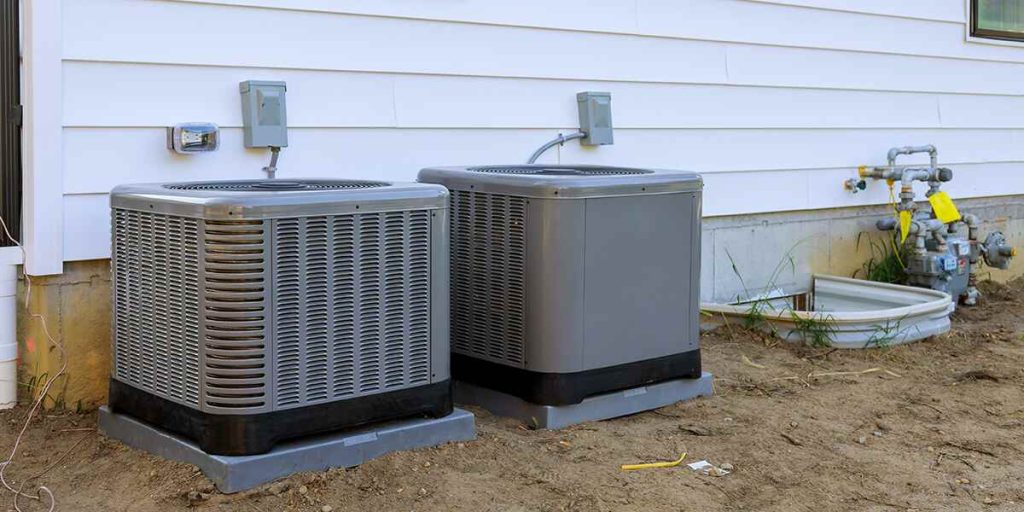
- Check and clear debris from outdoor unit
- Inspect refrigerant levels and leaks yearly
- Schedule professional tune-ups at least once a year
Credit: coolbydesignfl.com
Common Sizing Mistakes
Choosing the right air conditioner size for a 2200 square feet home is important. Picking the wrong size can cause problems with comfort and energy bills.
Many people make mistakes when sizing their air conditioners. These errors can lead to poor cooling and higher costs.
Oversizing Issues
An oversized air conditioner cools the space too fast. It will turn off before removing enough humidity. This leaves the room feeling damp and uncomfortable.
Big units use more electricity and may wear out faster. They also cost more upfront and waste energy.
- Short cooling cycles reduce humidity control
- Higher energy bills from frequent starts and stops
- Increased wear and tear on the system
- Uncomfortable indoor humidity levels
Undersizing Consequences
An undersized air conditioner runs nonstop but still fails to cool well. It struggles to keep the temperature comfortable during hot days.
This overworking can cause system breakdowns and higher repair costs. The energy bills can also rise because the unit runs longer than it should.
- Inadequate cooling on hot days
- Longer run times increase energy use
- More frequent breakdowns and repairs
- Reduced lifespan of the air conditioner
Balancing Comfort And Cost
The best air conditioner size keeps your home cool and controls humidity. It should run efficiently without cycling on and off too much.
To balance comfort and cost, consider factors like insulation, sun exposure, and room layout. A professional load calculation can help find the right size.
- Choose a unit sized for your home’s cooling load
- Look for models with good energy ratings
- Keep regular maintenance for best performance
- Consider climate and home design in sizing
Cost Estimates
Choosing the right air conditioner size for 2200 square feet is important. Costs vary by unit size and installation.
Understanding price ranges and savings helps you plan your budget well.
Unit Price Ranges
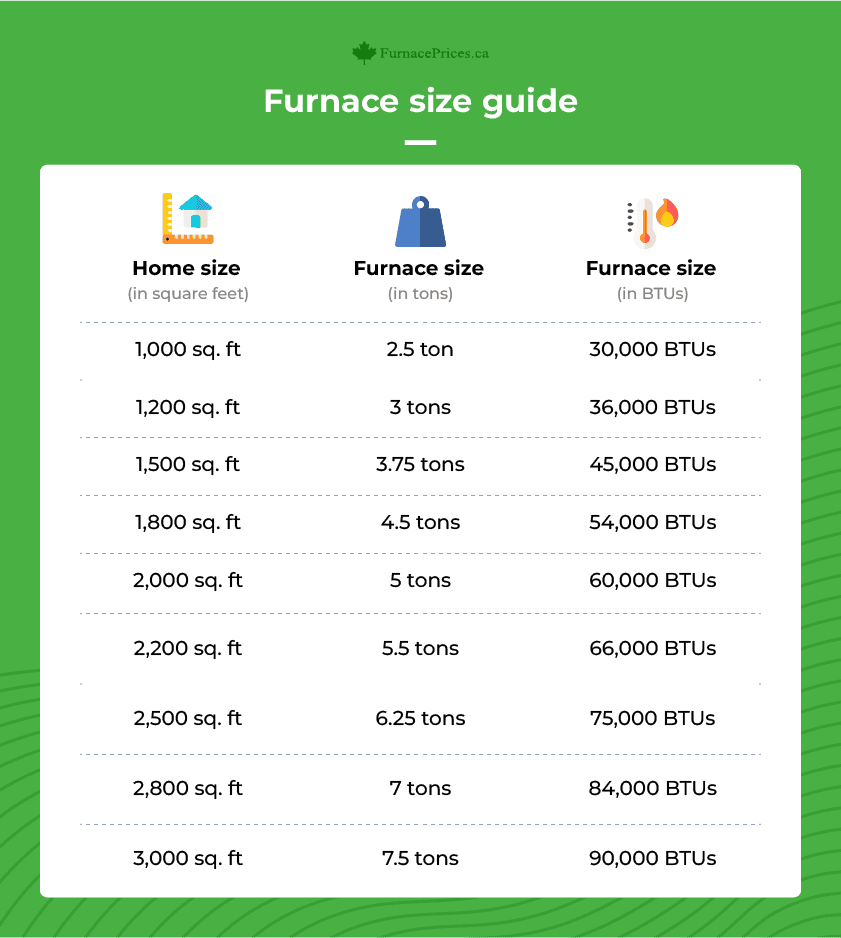
For 2200 square feet, you typically need a 3.5 to 4.5 ton air conditioner. Prices depend on brand and features.
Basic models cost less, while energy-efficient models cost more.
- Basic 3.5 ton units: $2,000 to $3,000
- Energy-efficient 4 ton units: $3,000 to $4,500
- High-end 4.5 ton units: $4,500 to $6,000
Installation Costs
Installation costs vary by system type and complexity. Ductwork or electrical upgrades add costs.
Labor charges depend on location and installer experience.
- Standard installation: $1,200 to $2,000
- Additional ductwork: $500 to $1,500
- Electrical upgrades: $300 to $800
Long-term Savings
Energy-efficient units cost more upfront but save money over time. They use less electricity.
Proper sizing reduces wear and saves repair costs. Regular maintenance keeps savings high.
- Energy-efficient models save 20% to 30% on power bills
- Lower repair costs with right-sized units
- Longer system life with regular upkeep
Credit: www.carrier.com
Frequently Asked Questions
What Size Ac Unit For 2200 Square Feet?
For a 2200 square feet home, you’ll typically need a 3. 5 to 4-ton air conditioner. This estimation depends on factors like climate and insulation. Always consult a professional to ensure the right size for your specific needs. Proper sizing ensures efficient cooling and energy savings.
How Do I Calculate Ac Size For My Home?
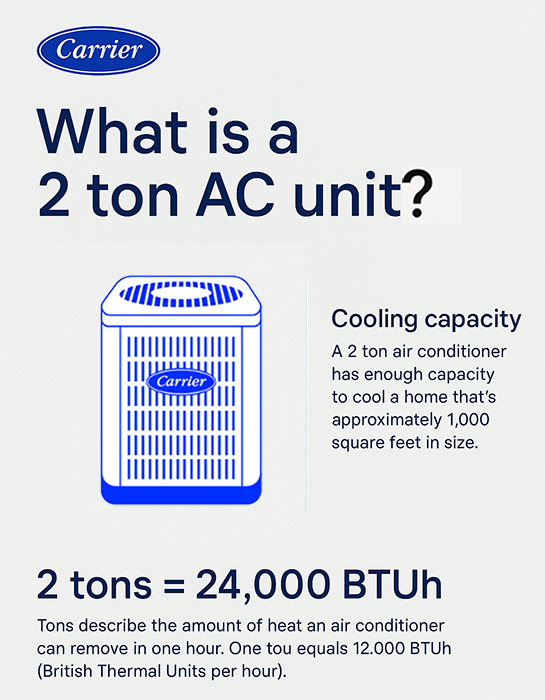
To calculate AC size, multiply your home’s square footage by 20. Then divide by 12,000 to get the tonnage. Consider factors like ceiling height and local climate for accuracy. Consulting an HVAC professional can provide precise recommendations tailored to your home’s specifics.
What Happens If Ac Is Too Small?
An undersized AC struggles to cool your home efficiently. It runs continuously, leading to increased energy bills and wear. This can result in discomfort during hot days. Additionally, the unit may have a shorter lifespan due to overworking. Proper sizing is crucial for optimal performance.
Can A Large Ac Unit Be Inefficient?
Yes, an oversized AC cycles on and off frequently, wasting energy. It doesn’t dehumidify well, leading to a clammy feeling indoors. This inefficiency can increase energy costs and reduce comfort. Always choose the right size for balanced cooling and energy efficiency.
Conclusion
Choosing the right air conditioner size matters for comfort and savings. A 2200 square feet home usually needs about 3 to 4 tons of cooling power. Too small a unit will struggle; too big wastes energy. Think about your home’s insulation and sunlight too.
Proper sizing helps your air conditioner run smoothly and cut costs. Take your time to measure and compare options before buying. Stay cool and save energy with the right choice.