Are you wondering if urgent care visits are covered by Medicare? When unexpected health issues arise, knowing where you can go without worrying about costs is crucial.
You might have questions about what Medicare pays for and what it doesn’t, especially when it comes to urgent care centers. This article will clear up the confusion and help you understand your coverage so you can make the best choices for your health and wallet.
Keep reading to find out exactly how Medicare works with urgent care and what you need to know before you go.
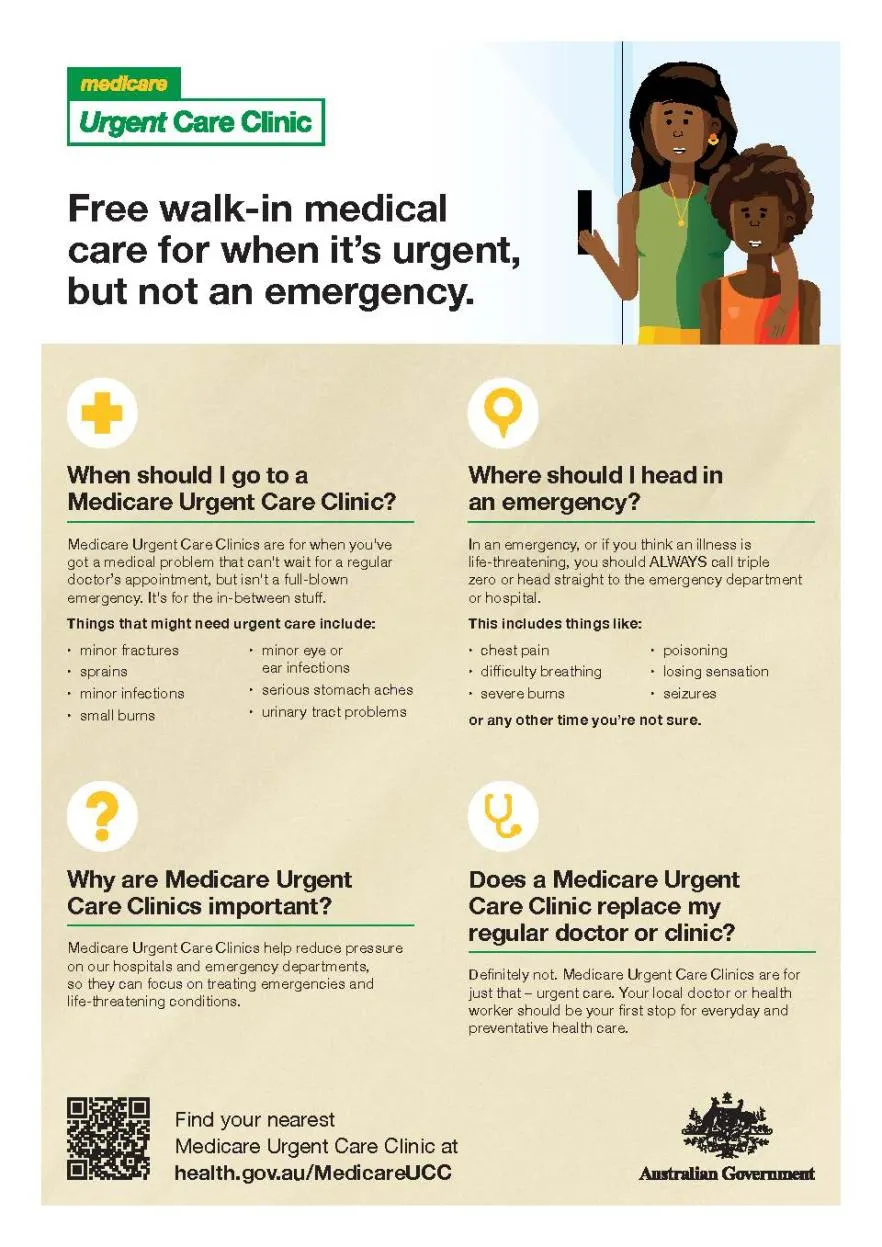
Credit: www.health.gov.au
Medicare Basics
Medicare is a federal health insurance program for people 65 and older. It also covers some younger people with disabilities.
Understanding Medicare helps you know what care is covered. This includes urgent care services.
Parts Of Medicare
Medicare has different parts. Each part covers specific health services and costs.
- Part A:Covers hospital stays, skilled nursing, and some home health care.
- Part B:Covers doctor visits, outpatient care, and some preventive services.
- Part C (Medicare Advantage):An alternative way to get Part A and B benefits through private plans.
- Part D:Covers prescription drugs through private plans.
Coverage Types
Medicare coverage varies by service type. Not all urgent care visits are fully covered.
| Coverage Type | What It Covers | Urgent Care Coverage |
|---|---|---|
| Part A | Hospital services | Usually does not cover urgent care visits |
| Part B | Doctor and outpatient care | Covers urgent care if medically necessary |
| Part C | Medicare Advantage plans | Varies by plan; often includes urgent care coverage |
| Part D | Prescription drugs | Does not cover urgent care visits |

Credit: www.youtube.com
Urgent Care Defined
Urgent care centers provide quick medical help for problems that need attention soon. They are not for life-threatening emergencies.
These centers offer a faster option than emergency rooms for minor injuries or illnesses. They often have extended hours and no appointment needed.
Services Included
Urgent care centers treat many common health issues. They offer services you can get quickly without an appointment.
- Minor cuts and burns treatment
- Cold and flu symptoms care
- Sprains and strains evaluation
- X-rays and lab tests
- Vaccinations and shots
- Infections like ear or urinary tract infections
When To Use Urgent Care
Use urgent care when you need medical help fast but your problem is not life-threatening. It is a good choice if your regular doctor is not available.
If you have severe chest pain, difficulty breathing, or heavy bleeding, go to the emergency room instead. Urgent care is for less serious issues that still need quick attention.
Medicare Coverage For Urgent Care
Urgent care centers treat non-life-threatening injuries and illnesses quickly. Many people want to know if Medicare covers these visits. Medicare has different parts that help with medical costs.
This guide explains how Parts A and B and Medicare Advantage plans cover urgent care services.
Part A And Urgent Care
Medicare Part A mainly covers hospital care. It does not usually cover urgent care visits at clinics. If you go to urgent care but get admitted to a hospital, Part A may pay for your hospital stay.
Part B And Urgent Care
Medicare Part B helps pay for doctor visits and outpatient care. It often covers urgent care services that do not need a hospital stay. You usually pay a part of the cost, called coinsurance.
- Part B covers urgent care visits for illnesses and minor injuries.
- You may need to pay a deductible before coverage starts.
- Preventive services at urgent care may be covered fully.
- Part B does not cover urgent care if you do not meet medical necessity rules.
Medicare Advantage Plans
Medicare Advantage plans combine Parts A and B benefits. They often add extra coverage for urgent care visits. Each plan may have different rules and costs.
| Plan Type | Urgent Care Coverage | Out-of-Pocket Costs |
| HMO | Usually covered with network providers | Lower copays |
| PPO | Covered in or out of network | Higher copays out of network |
| PFFS | Depends on provider acceptance | Varies by plan |
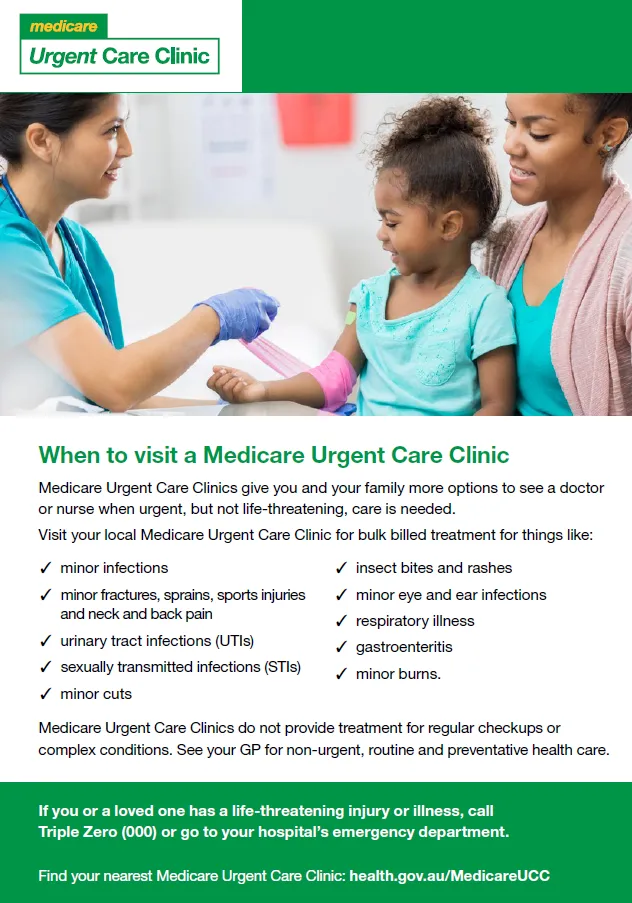
Credit: www.health.gov.au
Costs And Copayments
Medicare covers urgent care, but costs vary by plan and services. You may pay some costs out of pocket.
Understanding deductibles, coinsurance, and out-of-pocket limits helps you manage your expenses better.
Deductibles
A deductible is the amount you pay before Medicare starts to pay. Some urgent care visits may require meeting this amount first.
- Medicare Part A has a yearly deductible for hospital services.
- Medicare Part B has a separate deductible for outpatient care.
- Urgent care costs usually apply under Part B deductibles.
Coinsurance
Coinsurance is the share of costs you pay after the deductible. It is usually a percentage of the total charge.
| Type | Coinsurance Amount |
| Medicare Part A | Up to 25% for hospital stays |
| Medicare Part B | Typically 20% for outpatient services |
| Urgent Care Visits | Usually 20% after deductible |
Out-of-pocket Limits
Medicare does not have a cap on out-of-pocket costs for urgent care. Private plans may set limits to protect you.
Ways to reduce out-of-pocket costs:
- Choose urgent care centers that accept Medicare assignment.
- Use supplemental insurance like Medigap.
- Check if your Medicare Advantage plan offers cost limits.
Choosing Urgent Care Providers
Choosing the right urgent care provider is important if you have Medicare. Not all urgent care centers accept Medicare. You should know where you can go to get covered care.
This guide helps you find Medicare-approved urgent care and in-network providers. It makes your care easier and less costly.
Medicare-approved Facilities
Medicare covers urgent care only if the facility is approved. These centers meet Medicare standards for safety and quality. You can check if a center is approved before you visit.
- Look for urgent care centers that accept Medicare assignment.
- Ask if they are certified for Medicare services.
- Check the Medicare website for a list of approved facilities.
- Confirm the center accepts your Medicare plan type.
Finding In-network Providers
Using in-network urgent care providers saves you money. Your Medicare Advantage plan may have a list of these providers. Staying in-network means lower costs and faster service.
| Tips to Find In-Network Urgent Care |
| Check your plan’s provider directory online. |
| Call your Medicare plan customer service. |
| Use the plan’s mobile app to locate urgent care centers. |
| Ask urgent care centers if they accept your plan. |
Alternatives To Urgent Care
Not all medical needs require a visit to urgent care. Medicare offers different options to get care when you need it.
Knowing your alternatives helps you choose the right place for treatment and may save money and time.
Emergency Room Visits
The emergency room (ER) is for serious health problems that need immediate care. Medicare covers ER visits if the situation is urgent.
Use the ER for life-threatening issues like chest pain, severe bleeding, or difficulty breathing.
- Covered by Medicare Part B
- Higher costs than urgent care
- Longer wait times for non-emergencies
Primary Care Options
Primary care doctors handle many health concerns. They provide checkups, treat illnesses, and manage chronic diseases.
Medicare covers visits to your primary care provider. These visits are usually less expensive than urgent care or ER visits.
- Regular health checkups
- Manage ongoing health issues
- Get referrals to specialists
Telehealth Services
Telehealth lets you see a doctor by phone or video. Medicare covers many telehealth services.
This option is good for minor illnesses or questions about your health. It saves travel time and lowers costs.
- Consult a doctor from home
- Covered by Medicare Part B
- Good for follow-ups and advice
Tips For Maximizing Medicare Benefits
Medicare helps cover urgent care services in many cases. Knowing how to use your benefits well can save you money and stress.
Here are some tips to get the most from your Medicare coverage for urgent care visits.
Pre-authorization
Some urgent care services need approval before you receive them. This is called pre-authorization. Check with your Medicare plan to see if this applies.
- Call your plan to ask about pre-authorization rules.
- Get approval in writing if possible.
- Keep the approval details for your records.
- Ask your urgent care provider if they handle pre-authorization.
Record Keeping
Keeping good records helps you track your urgent care visits and payments. It also helps if you need to appeal a claim denial.
| What to Keep | Why |
| Receipts and bills | Proof of services and costs |
| Doctor and clinic names | Identify providers for claims |
| Pre-authorization letters | Show approval for services |
| Explanation of Benefits (EOB) | Details on what Medicare paid |
Appealing Denials
Sometimes Medicare denies urgent care claims. You can appeal these denials by following certain steps carefully.
- Review the denial letter to understand why it was denied.
- Gather all related documents like bills and pre-authorization letters.
- Write a clear appeal letter explaining why you think the claim should be paid.
- Send your appeal to the address given in the denial letter on time.
- Keep copies of everything you send.
Frequently Asked Questions
Does Medicare Cover Urgent Care Visits?
Yes, Medicare covers urgent care visits under Part B. You usually pay 20% of the Medicare-approved amount after meeting the Part B deductible. It’s important to verify coverage specifics with Medicare or your healthcare provider.
What Is The Cost Of Urgent Care With Medicare?
With Medicare, you’ll generally pay 20% of the Medicare-approved amount for urgent care. This is after you’ve met your Part B deductible. Costs may vary based on your specific plan and location.
Are All Urgent Care Services Covered By Medicare?
Medicare covers most urgent care services, but some exceptions exist. Coverage typically includes necessary treatments and tests. Always confirm specific coverage details with your provider or Medicare to avoid unexpected costs.
How Do I Find A Medicare-covered Urgent Care?
To find a Medicare-covered urgent care, use Medicare’s provider search tool. Ensure the facility accepts Medicare before visiting. You can also call ahead to confirm their participation in the Medicare program.
Conclusion
Medicare often covers urgent care visits, but details vary. Knowing your plan helps avoid surprise costs. Some urgent care centers accept Medicare, making visits easier. Always check with your provider before going. Understanding coverage saves time and stress. Stay informed to get the care you need.
Urgent care can be a good option for sudden health issues. Medicare helps, but being prepared helps even more.