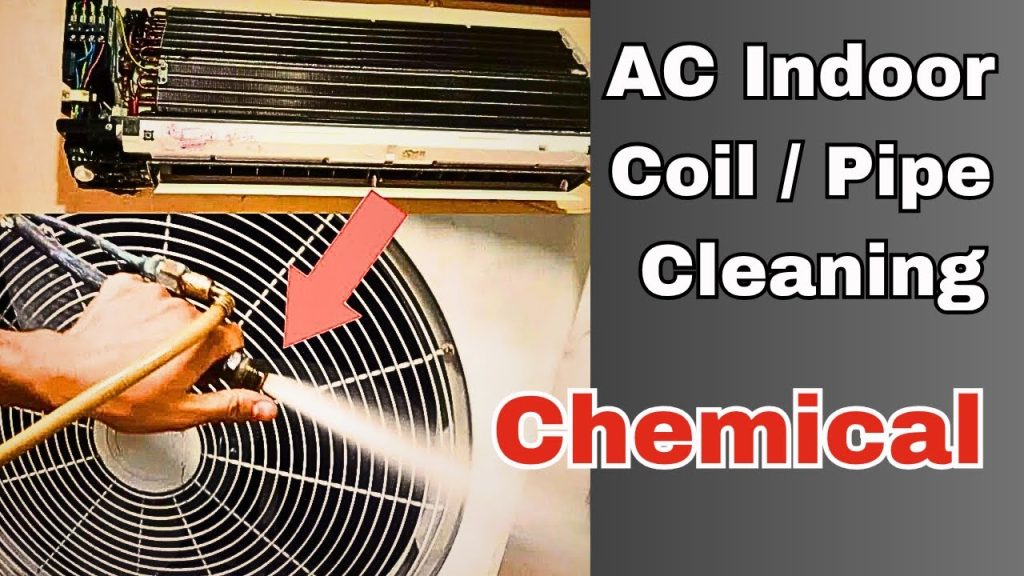
Your air conditioner works hard to keep your home cool, but have you ever thought about what’s happening inside it? The coils inside your AC play a key role in cooling the air.
When these coils get dirty, your unit struggles, uses more energy, and may even break down. Cleaning your AC coils might sound complicated, but it’s easier than you think—and it can save you money and stress. Keep reading, and you’ll learn simple, effective steps to clean your air conditioner coils inside, so your AC runs smoothly and your home stays comfortable all year long.
Why Clean Ac Coils Matter
Cleaning the air conditioner coils inside is important for its performance. Dirty coils make the unit work harder. This can raise energy bills and cause damage.
Regular cleaning helps the AC cool your home better. It also stops small problems from turning into big repairs.
Improves Cooling Efficiency
Clean coils allow air to pass freely. This helps the AC cool faster and keeps the room temperature steady. When coils are dirty, the cooling drops and the AC runs longer.
Saves Energy And Money
When coils are clean, the AC uses less electricity. This lowers your energy bills. Dirty coils force the compressor to work harder, which wastes power.
- Clean coils reduce electricity use.
- AC runs less when coils are clean.
- Lower electricity means lower bills.
Prevents Damage And Extends Lifespan
Dust and grime on coils cause overheating. This can damage parts like the compressor. Cleaning keeps the AC safe and helps it last longer.
| Problem | Effect |
| Dirty coils | Overheating and wear |
| Clogged airflow | Reduced cooling |
| Increased energy use | Higher bills |
| Corrosion | Shorter AC life |

Credit: crewairconditioning.com
Signs Your Coils Need Cleaning
Air conditioner coils collect dirt over time. Dirty coils reduce cooling efficiency. It is important to know when to clean them.
This guide helps you spot clear signs that your coils need cleaning. Acting early can save energy and repair costs.
Reduced Cooling Performance
If your air conditioner cools less than before, dirty coils may be the cause. Dirt blocks heat exchange and lowers cooling power.
Higher Energy Bills
When coils are dirty, the AC works harder. This uses more electricity and raises your energy bill.
Visible Dirt And Debris On Coils
Check inside the unit for dust, dirt, or mold on the coils. Visible grime is a clear sign cleaning is needed.
Unusual Noises Or Odors
Dirty coils can cause strange sounds or musty smells. These signs show the system struggles to work properly.
Frequent Cycling On And Off
The AC may turn on and off more often if coils are dirty. This short cycling wastes energy and stresses the system.
Common Signs At A Glance
- Lower cooling output
- Rising electricity costs
- Coils coated with dirt or mold
- Strange noises or odors
- Air conditioner cycles frequently
Tools And Materials Needed
Cleaning the inside coils of your air conditioner helps it run better. You need the right tools and materials for the job.
This guide lists what you should have before starting to clean the coils inside your AC unit.
Screwdriver
A screwdriver helps you open the AC cover to reach the coils inside. Most units use screws to hold the cover.
Use the correct type, usually a Phillips or flathead screwdriver, to avoid damage.
Soft Brush
A soft brush cleans dust and dirt from the coils gently. It prevents bending or damaging the thin coil fins.
- Use a brush with soft bristles
- A paintbrush or small cleaning brush works well
- Avoid hard brushes that can scratch the coils
Vacuum Cleaner
A vacuum cleaner removes loose dirt and debris from the coils and surrounding areas. Use a brush attachment for better results.
Be gentle to avoid bending the coil fins or damaging parts.
Coil Cleaner Spray
Coil cleaner spray helps dissolve dirt and grime on the coils. Use a product made for air conditioner coils.
- Choose a non-acidic, water-based cleaner
- Follow instructions on the label carefully
- Wear gloves to protect your skin
Water Spray Bottle Or Hose
A spray bottle or garden hose rinses off the coil cleaner and dirt from the coils. Use gentle water pressure.
A spray bottle gives more control indoors. Use a hose only if cleaning coils outside.
Protective Gear
Wear gloves and safety glasses to protect your hands and eyes while cleaning. Coil cleaner chemicals can irritate skin and eyes.
Use a mask if you are sensitive to dust or chemical fumes.

Credit: www.fosterintl.com
Preparing Your Air Conditioner
Cleaning the air conditioner coils inside needs careful preparation. This helps protect you and the unit during cleaning.
Start by making sure the air conditioner is safe to work on. Then, remove any covers blocking access to the coils.
Turn Off Power
Always switch off the power before cleaning inside the air conditioner. This stops the unit from turning on unexpectedly.
Find the main power switch or circuit breaker for your air conditioner. Turn it off to cut all power to the system.
- Locate the air conditioner’s power source
- Flip the switch or breaker to “off”
- Check that the unit does not start
- Use a voltage tester if you want extra safety
Remove Outer Covers
Next, take off the outer covers to reach the coils inside. These covers protect the coil and other parts.
Use a screwdriver if needed to remove screws holding the covers. Keep the screws in a safe place for later.
- Locate screws or clips on the outer cover
- Use the right tool to remove them carefully
- Gently lift off the cover without bending it
- Set the cover and screws aside safely
Cleaning The Evaporator Coils
Cleaning the evaporator coils in your air conditioner helps it run better. Dirty coils reduce cooling and increase energy use.
Regular cleaning keeps your air conditioner efficient. It also prevents damage to the system.
Use A Soft Brush
Start by turning off the air conditioner and unplugging it. Use a soft brush to gently remove dust and dirt from the coils.
Be careful not to bend the thin fins on the coils. Move the brush in the direction of the fins for best results.
Apply Coil Cleaner
Spray a no-rinse coil cleaner on the evaporator coils. This cleaner helps remove grease and grime without damaging the fins.
Follow the instructions on the cleaner label. Let the solution sit for the time recommended to break down dirt.
Rinse And Dry
If your coil cleaner needs rinsing, use a spray bottle with water to rinse the coils gently. Avoid using too much water.
Allow the coils to dry completely before turning the air conditioner back on. Dry coils help the system cool better.
Cleaning The Condenser Coils
Keeping your air conditioner’s condenser coils clean helps it run better. Dirt and dust on coils can lower cooling efficiency. Cleaning the coils inside your unit saves energy and extends its life.
This guide focuses on cleaning the condenser coils safely and effectively. Follow these simple steps to improve your air conditioner’s performance.
Clear Debris
Start by removing leaves, grass, and dirt from the coil area. Clear away anything blocking airflow to the coils.
- Turn off the power to the air conditioner.
- Use a soft brush or cloth to remove loose debris.
- Vacuum the coil gently to avoid damage.
- Check the surrounding area for hidden debris.
Spray Coil Cleaner
Use a coil cleaner made for air conditioners. Spray it evenly on the coils to break down dirt and grime.
| Type of Cleaner | Usage Instructions |
| Foaming Coil Cleaner | Spray and let foam sit 5-10 minutes before rinsing. |
| Non-Acidic Coil Cleaner | Apply and wait 10-15 minutes, then rinse well. |
| Water-Based Cleaner | Spray directly and rinse after a few minutes. |
Rinse Thoroughly
After the cleaner has done its job, rinse the coils with water. Make sure all cleaner and dirt wash away to avoid damage.
Use a garden hose with low pressure to rinse. Do not use a pressure washer, as it can bend the coils.
Check for clean and shiny coils after rinsing. Repeat cleaning if needed.
Reassembling And Testing
After cleaning the air conditioner coils inside, you need to put all parts back carefully. Testing the unit ensures it works correctly.
Follow these steps to replace covers, restore power, and check performance safely.
Replace Covers
Put the protective covers back on the air conditioner. Make sure all screws and clips are tight. This keeps the unit safe and clean.
Check that no wires or parts are loose before closing the covers. Secure covers prevent damage and improve safety.
Restore Power
Turn the power back on at the circuit breaker or main switch. This powers the air conditioner for testing.
Be sure the area is dry and safe before restoring power. Avoid any electrical hazards by double-checking connections.
Check Performance
Turn on the air conditioner and listen for unusual sounds. Watch for proper airflow and cooling.
- Ensure the fan runs smoothly
- Check that the air feels cooler
- Look for leaks or water drops
- Confirm the unit turns off correctly
If you notice problems, turn off the unit and inspect the coils or connections again.
Maintenance Tips For Longevity
Cleaning air conditioner coils inside is key to keeping your system working well. Dirt and dust can reduce cooling and raise energy use.
Regular care helps your air conditioner last longer and saves money on repairs. Follow simple steps to protect your unit.
Regular Cleaning Schedule
Set a cleaning routine for your air conditioner coils. Clean them at least twice a year to avoid buildup.
- Turn off the power before cleaning
- Use a soft brush to remove dust gently
- Apply coil cleaner spray and wait as per instructions
- Rinse coils with water carefully, avoid electrical parts
- Let coils dry completely before turning the unit back on
Keep Surroundings Clean
Keep the area around your air conditioner free of debris and dust. This prevents dirt from entering the coils.
- Clear leaves and grass near the outdoor unit
- Trim bushes to allow airflow
- Avoid placing items close to the indoor unit
- Change or clean air filters regularly to trap dust
Monitor System Efficiency
Watch your air conditioner’s performance to spot problems early. Check temperature and airflow monthly.
| Check | What to Look For | Action |
| Cooling Power | Is room cooler than before? | Clean coils or call technician |
| Airflow | Is air weak or uneven? | Check filters and coils |
| Noise | Any strange sounds? | Inspect fan and motor |
| Energy Use | Higher bills than usual? | Schedule maintenance check |

Credit: www.youtube.com
Frequently Asked Questions
How Often Should I Clean Ac Coils?
Cleaning air conditioner coils should be done every 6 to 12 months. Regular cleaning ensures efficient operation and prolongs the lifespan of the unit. Dirty coils can reduce cooling efficiency and increase energy costs. Regular maintenance helps maintain optimal performance and comfort.
What Tools Do I Need To Clean Coils?
To clean AC coils, you’ll need a soft brush, coil cleaner, and a vacuum cleaner. A screwdriver may be necessary to access coils. Ensure you have a garden hose to rinse exterior coils. Always follow the manufacturer’s instructions for best results and safety.
Can Dirty Coils Affect Ac Efficiency?
Yes, dirty coils can significantly affect air conditioner efficiency. Dirt and debris reduce airflow, making the system work harder. This increases energy consumption and utility bills. Regular cleaning ensures optimal cooling performance and extends the unit’s lifespan, saving money in the long run.
Is Professional Coil Cleaning Necessary?
Professional coil cleaning isn’t always necessary but can be beneficial. Experts ensure thorough cleaning and may spot potential issues. For heavily soiled or hard-to-reach areas, professionals have specialized tools. Regular DIY cleaning can maintain efficiency, but professional checks ensure peak performance.
Conclusion
Cleaning air conditioner coils keeps your unit running well. Dirt and dust reduce cooling power and increase bills. Regular cleaning helps air flow and stops damage. Use gentle tools and safe cleaners to protect coils. A clean AC gives fresher air and cools your home better.
Take time to clean coils every few months. Save money and enjoy a more comfortable space. Simple steps make a big difference in AC care. Your efforts keep your air conditioner working longer.