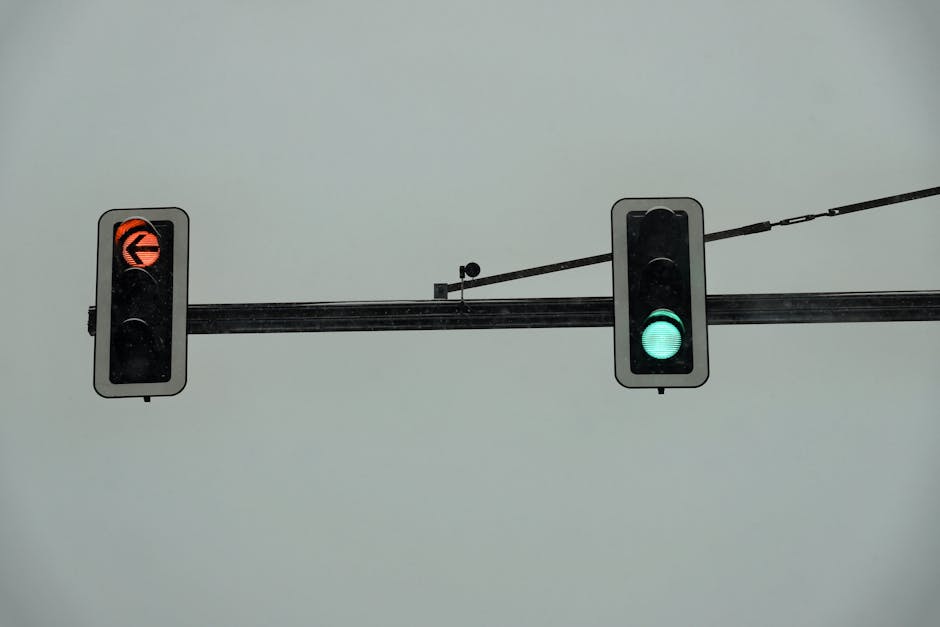
Have you ever wondered if bikes really have to stop at red lights? Maybe you’ve seen cyclists breeze through intersections while cars wait, and it left you curious—or even a bit frustrated.
Understanding the rules can keep you safer and help you avoid fines. You’ll discover what the law says about stopping on a bike, why it matters for your safety, and how following the rules can make your rides smoother and stress-free.
Keep reading—what you learn here could change the way you ride forever.
Bike Traffic Laws
Bikes are vehicles on the road and must follow traffic laws. These laws help keep cyclists safe and organized.
One important question is if bikes have to stop at red lights. The answer depends on local rules and general traffic laws.
General Rules For Cyclists
Cyclists must obey the same rules as drivers in many places. This includes riding on the correct side of the road.
They must signal turns, use lights at night, and wear helmets if required. Following these rules reduces accidents.
- Ride with traffic, not against it
- Use hand signals for turns
- Stop at stop signs and red lights
- Wear a helmet if the law says so
Red Light Regulations
In most places, cyclists must stop at red traffic lights just like cars. Red lights mean stop for safety reasons.
Some areas allow cyclists to treat red lights as stop signs. This means they can stop, look, and proceed if safe.
- Stop fully at red lights
- Look both ways before moving
- Only proceed if no cars or pedestrians are near
- Check local laws for special rules
Differences From Motor Vehicles
Bikes are smaller and slower than cars. Some laws treat them differently to improve safety and flow.
For example, bikes can use bike lanes and may not need to stop at some signs if allowed. Still, they must be careful.
- Bikes can use special bike lanes
- Some places allow “Idaho stops” for bikes
- Bikes must yield to pedestrians
- Motor vehicles have stricter rules for red lights

Credit: www.threads.com
Safety And Compliance
Bicycles share roads with cars and pedestrians. Following traffic rules keeps everyone safe.
Stopping at red lights is important for cyclists. It helps avoid crashes and legal trouble.
Importance Of Stopping At Red Lights
Red lights control traffic flow and prevent accidents. Cyclists must stop to respect these signals.
- Stops collisions with cars and pedestrians
- Ensures orderly traffic movement
- Improves cyclist visibility to others
- Reduces chances of injury
Accident Risks For Cyclists
Ignoring red lights raises the risk of crashes. Cyclists are vulnerable in accidents.
| Type of Accident | Risk to Cyclists |
| Collision with a car | High risk of serious injury |
| Hitting a pedestrian | Possible harm to both parties |
| Falling due to sudden stop | Possible bruises or fractures |
Legal Consequences Of Violations
Not stopping at red lights can lead to fines and penalties for cyclists.
- Receiving a traffic ticket
- Paying a monetary fine
- Possible points on driving record
- Increased insurance rates in some areas
Exceptions And Variations
Bicycles usually must stop at red lights like cars do. But some rules change based on where you ride. These differences help keep cyclists safe and traffic flowing.
Let’s look at exceptions and special cases for bikes at red lights. These rules vary by state and city.
State And Local Law Differences
Some states allow bicycles to treat a red light like a stop sign. Cyclists can stop, look both ways, and then go if clear. Other places require a full stop and wait for green.
Local laws can also change rules. City governments may set special bike traffic laws to fit their streets and safety needs.
- In Idaho, bikes may stop and go at red lights after stopping.
- Oregon requires bikes to wait for green unless a sign says otherwise.
- Some cities add extra rules for bike lanes and crossings.
Situations Allowing Right Turn On Red
Bikes often follow the same rules as cars for turning right on red. In many places, a bike can turn right after stopping if the way is clear.
Some areas post signs that forbid or allow right turns on red. Cyclists must watch for these signs and obey them.
- Stop fully before turning right on red.
- Yield to pedestrians and other vehicles.
- Check local signs for special rules.
Bike Boxes And Advanced Stop Lines
Bike boxes are marked areas in front of cars at red lights. They give cyclists a safe spot to wait. This helps bikes start ahead when the light turns green.
Advanced stop lines work like bike boxes. They make it clear where bikes should stop and wait at red lights. These lines improve safety by separating bikes from cars.
- Bike boxes are painted green or marked with bike symbols.
- They allow cyclists to be more visible to drivers.
- Always stop inside the bike box when the light is red.
Tips For Cyclists
Do bikes have to stop at red lights? Yes, cyclists must obey traffic signals just like cars. Stopping at red lights helps keep everyone safe.
Following rules and using safe habits makes riding easier. These tips help cyclists stay safe on roads and at intersections.
Best Practices At Intersections
Always stop at red lights and stop signs. Look both ways before crossing. Make sure drivers see you before moving.
Use bike lanes or stay to the right side of the road. Avoid weaving between cars. Stay alert for turning vehicles.
- Stop fully at red lights and stop signs
- Look left, right, and left again before crossing
- Use bike lanes when available
- Watch for cars turning at intersections
Using Hand Signals
Hand signals tell drivers and other cyclists what you plan to do. Use clear signals before turning or stopping.
Keep your hand steady and visible. Signal early to give others time to react.
- Left turn: extend left arm straight out
- Right turn: extend left arm up or right arm straight out
- Stop or slow down: extend left arm down
Navigating Traffic Safely
Ride predictably and follow traffic rules. Stay visible by wearing bright clothes and using lights at night.
Keep a safe distance from cars and avoid blind spots. Always be ready to stop or change direction if needed.
- Ride in a straight line
- Wear bright or reflective clothing
- Use front and rear lights at night
- Keep space between you and vehicles
- Watch for opening car doors and pedestrians
Enforcement And Awareness
Bicyclists must follow traffic rules like other road users. Stopping at red lights helps prevent accidents. Understanding how rules are enforced improves safety for everyone.
This section explains how authorities enforce bike laws and how education raises awareness among cyclists.
How Rules Are Enforced
Traffic rules apply to all vehicles, including bikes. Police officers watch for violations such as running red lights. They may issue fines or warnings to riders who break the rules.
- Use of traffic cameras to catch violations
- Patrol officers monitoring busy intersections
- Community reporting of unsafe riding behavior
- Fines or penalties for ignoring signals
Role Of Law Enforcement
Police play a key role in keeping roads safe for cyclists and drivers. They enforce laws to reduce accidents and encourage respect among all road users.
| Enforcement Method | Purpose |
| Traffic Stops | Check compliance with signals |
| Fines | Discourage running red lights |
| Public Campaigns | Increase rule awareness |
| Bike Registration | Identify repeat offenders |
Promoting Cyclist Education
Education helps cyclists understand why stopping at red lights is important. Schools and communities teach safe riding habits to all ages.
Key topics taught in cyclist education include:
- Obeying traffic signals and signs
- Using hand signals to show turns
- Wearing helmets and safety gear
- Being aware of pedestrians and vehicles

Credit: www.strongtowns.org

Credit: www.reddit.com
Frequently Asked Questions
Do Cyclists Need To Obey Traffic Lights?
Yes, cyclists must obey traffic lights like other road users. Traffic laws apply to all vehicles, including bicycles. Ignoring red lights can lead to fines and accidents. It ensures safety for cyclists and others on the road.
Can Bikes Get Fined For Running Red Lights?
Yes, cyclists can be fined for running red lights. Penalties vary by region but can include fines or points on a driving record. Adhering to traffic signals is crucial for safety and legal compliance.
Are Traffic Laws Different For Cyclists?
Traffic laws generally apply to cyclists as they do to motor vehicles. Cyclists must stop at red lights and follow road signs. Some regions may have specific laws for bikes, but basic rules like stopping at red lights remain consistent.
Why Is It Important For Bikes To Stop?
Stopping at red lights ensures safety for cyclists and other road users. It prevents accidents and promotes orderly traffic flow. Following traffic signals is a legal requirement and helps build a positive image for the cycling community.
Conclusion
Bikes must stop at red lights just like cars. Traffic laws apply to everyone on the road. Stopping helps keep riders safe and avoid accidents. Waiting for green lights allows smooth traffic flow. Riding carefully shows respect to other drivers.
Following rules makes biking safer for all. Safety should always be the top priority. Remember, red means stop, no matter the vehicle. Stay alert and ride responsibly every time.