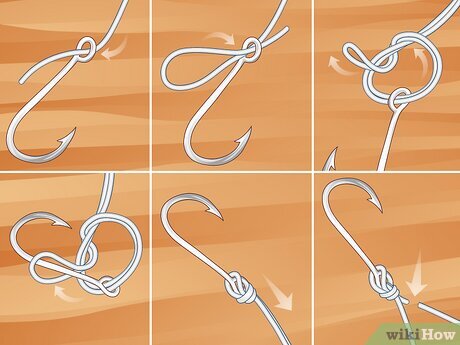
Are you tired of struggling to get your fishing line through the tiny eye of your rod? You’re not alone.
Threading fishing line might seem simple, but it can quickly become frustrating without the right approach. In this guide, you’ll discover easy, step-by-step tips to make threading your fishing line faster and smoother every time. Whether you’re new to fishing or just need a refresher, mastering this skill will save you time and keep you focused on what really matters—catching fish.
Keep reading to learn how to thread your fishing line like a pro.
Choosing The Right Fishing Line
Selecting the right fishing line is key for a good fishing experience. The right line helps you catch fish and avoid line breaks.
This guide covers types of fishing lines, their strength and thickness, and how to match them to your fishing rod.
Types Of Fishing Lines
There are three main types of fishing lines: monofilament, fluorocarbon, and braided. Each type has different features.
- Monofilament:Flexible and easy to handle. Good for beginners.
- Fluorocarbon:Hard to see underwater. It sinks faster than other lines.
- Braided:Very strong and thin. It has little stretch and lasts long.
Line Strength And Thickness
Strength and thickness affect how well your line performs. Stronger lines hold bigger fish. Thicker lines are easier to see but may scare fish.
| Line Type | Typical Strength (lbs) | Thickness (mm) |
| Monofilament | 6 – 20 | 0.20 – 0.40 |
| Fluorocarbon | 8 – 25 | 0.18 – 0.35 |
| Braided | 10 – 50 | 0.10 – 0.30 |
Matching Line To Fishing Rod
Each fishing rod has a recommended line strength range. Using the right line keeps the rod balanced and prevents damage.
- Check the rod’s label for line strength limits.
- Use a line within the rod’s recommended strength.
- Consider the type of fishing you will do when choosing line strength.
Preparing Your Fishing Rod
Threading fishing line starts with preparing your fishing rod. A well-prepared rod helps your fishing go smoothly.
Check your rod and reel before threading the line to avoid problems later.
Inspecting The Rod And Guides
Look over your fishing rod carefully. Make sure there are no cracks or damage on the rod itself.
Check each guide ring along the rod. These rings guide the line and must be clean and smooth.
- Look for cracks or bends in the rod
- Check guides for cracks or rust
- Make sure guides are firmly attached
- Clean any dirt or debris from the guides
Opening The Reel Spool
Open the reel spool carefully before threading the line. This gives you access to attach the line properly.
Find the spool release or drag knob and loosen it. This lets you pull the line from the spool easily.
- Locate the spool on your reel
- Turn the drag knob counterclockwise
- Make sure the spool moves smoothly
- Keep the spool steady while threading
Threading The Line Through Guides
Threading the fishing line through the rod guides is important for smooth casting and reeling. It helps the line move freely and prevents tangles.
Taking time to thread the line correctly can improve your fishing experience. Follow simple steps to do it right.
Starting At The Rod Tip
Begin by holding the rod firmly. Locate the very tip guide, which is the smallest ring at the end of the rod.
Insert the line through this tip guide first. Make sure the line passes cleanly without catching on the edges.
Passing Through Each Guide
Next, thread the line through each guide along the rod. Move from the tip guide down to the reel end.
Take your time to pass the line through every guide. This keeps the line aligned and ready for casting.
- Hold the line tight to avoid slack
- Pass the line gently to avoid damage
- Check each guide for smooth passage
Avoiding Line Twists
Line twists cause tangles and reduce casting distance. To avoid twists, keep the line straight as you thread.
Use your fingers to guide the line and prevent it from spinning or looping during threading.
- Hold the spool steady to stop line from twisting
- Let the line flow smoothly without forcing it
- Check the line often for any loops or twists
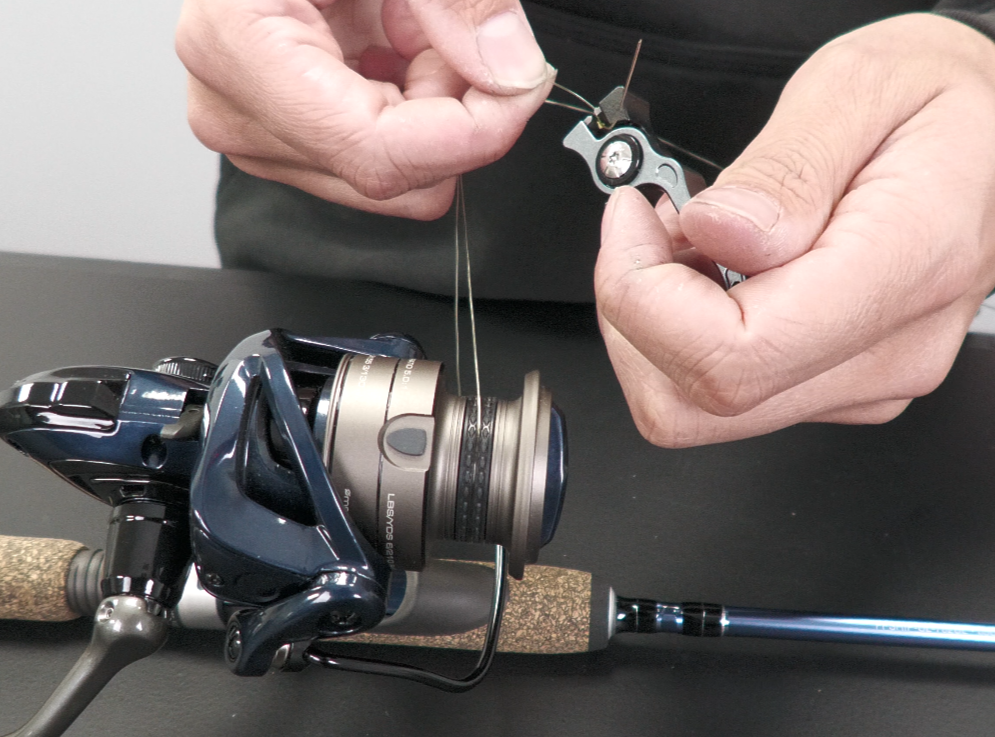
Credit: www.fishusa.com
Attaching The Line To The Reel
Attaching the fishing line to the reel is an important first step. It keeps the line secure and ready to cast.
This guide explains how to attach the line to two common reel types: spinning and baitcasting reels.
Methods For Spinning Reels
Start by opening the bail arm on the spinning reel. This lets you tie the line directly to the spool.
Use an Arbor knot to attach the line. It holds well and is easy to tie for beginners.
- Wrap the line around the spool.
- Tie an overhand knot around the main line.
- Tie a second overhand knot on the tag end.
- Pull both knots tight against the spool.
- Close the bail arm before winding line.
Methods For Baitcasting Reels
With baitcasting reels, start by threading the line through the rod guides to the reel.
Tie the line to the spool using a Palomar knot. This knot is strong and reliable for baitcasting reels.
- Double the line and pass it through the spool eye.
- Tie a loose overhand knot with the doubled line.
- Pass the loop over the spool.
- Pull the line tight to secure the knot.
- Begin winding the line onto the spool evenly.
Securing The Line Properly
Make sure the line is tight and does not slip on the spool. This prevents tangles and loose wraps.
Check the knots by pulling firmly. If the knot slips, retie it before casting.
- Keep tension on the line while winding.
- Wind the line evenly across the spool.
- Trim excess tag end close to the knot.
- Test the knot’s strength with a strong pull.
Winding The Line Onto The Reel
Winding fishing line onto your reel is an important step to prepare your gear. It helps your line stay strong and ready for casting.
Proper winding prevents tangles and ensures smooth casting and reeling. Follow simple tips to do it correctly.
Maintaining Line Tension
Keep the line tight while winding to avoid loose loops. Loose line can cause tangles and reduce casting distance.
- Hold the line between your fingers to keep it tight.
- Turn the reel handle slowly and evenly.
- Watch the line as it winds to avoid slack spots.
Filling The Spool Correctly
Fill the spool so the line reaches near the spool edge but does not overflow. Overfilling can cause tangles and line breakage.
| Spool Condition | Effect |
|---|---|
| Underfilled | Reduced casting distance |
| Properly filled | Best casting and fewer tangles |
| Overfilled | Line slips off and tangles |
Checking For Tangles Or Loops
After winding, inspect the line for any loops or tangles. Fixing these early helps avoid problems while fishing.
- Look for uneven or bunched-up sections on the spool.
- Remove loops by rewinding or pulling gently.
- Ensure the line flows smoothly from the spool when pulled.
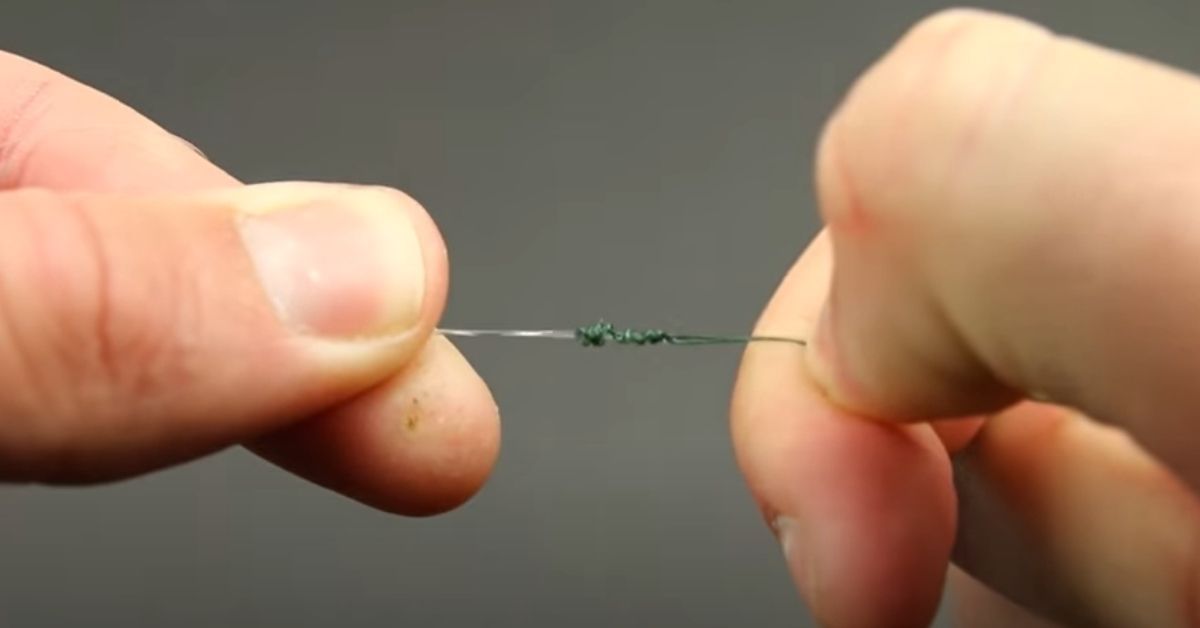
Credit: mysterytacklebox.com
Final Checks Before Fishing
Before casting your line, it is important to complete a few final checks. These steps help ensure your gear is ready and strong enough for the catch.
Taking time for these checks can prevent problems and improve your fishing experience.
Testing Line Strength
Check the fishing line strength by pulling it firmly to test its tension. This ensures the line will hold when a fish bites.
- Hold the line firmly near the rod tip.
- Pull steadily to check for weak spots.
- Look for frays or worn areas.
- Replace the line if it breaks or looks damaged.
Adjusting Drag Settings
Set the drag on your reel to control how much line a fish can pull. Proper drag prevents line breaks and helps tire the fish.
| Drag Setting | Purpose |
|---|---|
| Low | Allows easy line pull; good for small fish |
| Medium | Balances line release and control |
| High | Strong resistance; used for large fish |
Trimming Excess Line
Cut off any extra fishing line near the knot. This avoids tangles and keeps your setup neat.
- Use sharp scissors or a line cutter.
- Leave a small tag end to prevent knot slipping.
- Check the knot after trimming to ensure it is secure.

Credit: www.youtube.com
Frequently Asked Questions
How Do I Start Threading A Fishing Line?
To start threading a fishing line, first, ensure your reel is clean and ready. Then, guide the line through the rod guides, starting from the tip. Secure it to the reel spool using an arbor knot. This initial setup ensures a smooth and effective fishing experience.
What Type Of Line Is Best For Threading?
Choosing the right fishing line depends on your fishing needs. Monofilament is versatile and user-friendly, ideal for beginners. Braided lines offer strength and sensitivity, perfect for experienced anglers. Fluorocarbon lines are nearly invisible underwater, making them suitable for clear water conditions.
Match your line choice to your fishing environment.
How Do I Prevent Line Tangling?
Prevent line tangling by spooling the reel correctly and using the right tension. Ensure the line is evenly distributed on the reel. Regularly check for twists or loops and fix them immediately. Proper maintenance and handling of your fishing line will minimize tangling and enhance your fishing experience.
Why Does My Line Keep Slipping?
Line slippage can occur if it’s not tightly secured to the spool. Ensure you use an arbor knot to start. Maintain tension while spooling and check for even distribution. Adjust the drag system appropriately. These practices will help prevent line slippage during your fishing trips.
Conclusion
Threading fishing line takes practice but becomes easy with time. Follow the steps carefully and stay patient. Use the right tools and keep your hands steady. This skill helps you fish better and enjoy your time outdoors. Remember, each attempt improves your technique.
Soon, threading line will feel natural and quick. Enjoy fishing without worries about tangled or loose lines. Keep trying and have fun on every trip.