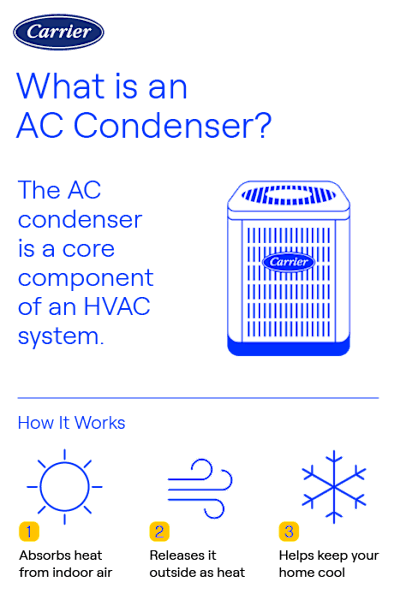
Have you ever wondered how your air conditioner keeps your home cool on a hot day? One key part making that happen is the condenser.
But what exactly is a condenser for an air conditioner, and why should you care about it? Understanding this simple yet powerful component can help you take better care of your AC, save on energy bills, and avoid costly repairs.
Keep reading, and you’ll discover everything you need to know about your air conditioner’s condenser and how it plays a big role in keeping you comfortable.

Credit: vandyckmechanical.com
Role Of The Condenser
The condenser is an important part of an air conditioner. It helps remove heat from inside the building. This keeps the indoor air cool and comfortable.
The condenser works by changing hot gas into a cooler liquid. This process allows the air conditioner to release heat outside.
Heat Transfer Process
The condenser cools the hot gas from the compressor. It moves heat from the gas to the outside air. This changes the gas into a liquid.
Air blows over the condenser coils. This air takes away the heat. The cooled liquid then goes to the next part of the system.
Location In Ac System
The condenser is outside the building. It sits near the compressor in the outdoor unit. This location helps it release heat to the air.
The indoor unit and outdoor unit work together. The condenser in the outdoor unit cools the refrigerant before it returns inside.
Types Of Condensers
A condenser is a key part of an air conditioner. It helps remove heat from the refrigerant. There are different types of condensers used in air conditioning systems.
Each type works in its own way to cool the refrigerant. Knowing the types helps understand how air conditioners work.
Air-cooled Condensers
Air-cooled condensers use air to cool the refrigerant. A fan moves air over the condenser coils. This air removes heat from the refrigerant inside the coils.
These condensers are common in home air conditioners. They are easy to install and need less water. They work well in places with good airflow.
Water-cooled Condensers
Water-cooled condensers use water to cool the refrigerant. Water flows through tubes in the condenser. The refrigerant transfers heat to the water, cooling down.
These condensers are more efficient than air-cooled types. They need a constant water supply. They are often used in large buildings and factories.
Evaporative Condensers
Evaporative condensers use both air and water to cool the refrigerant. Water sprays over the condenser coils. Air blows through the coils, causing water to evaporate and cool the refrigerant.
These condensers use less water than water-cooled types. They are efficient in hot and dry climates. They combine the benefits of air and water cooling.
Key Components
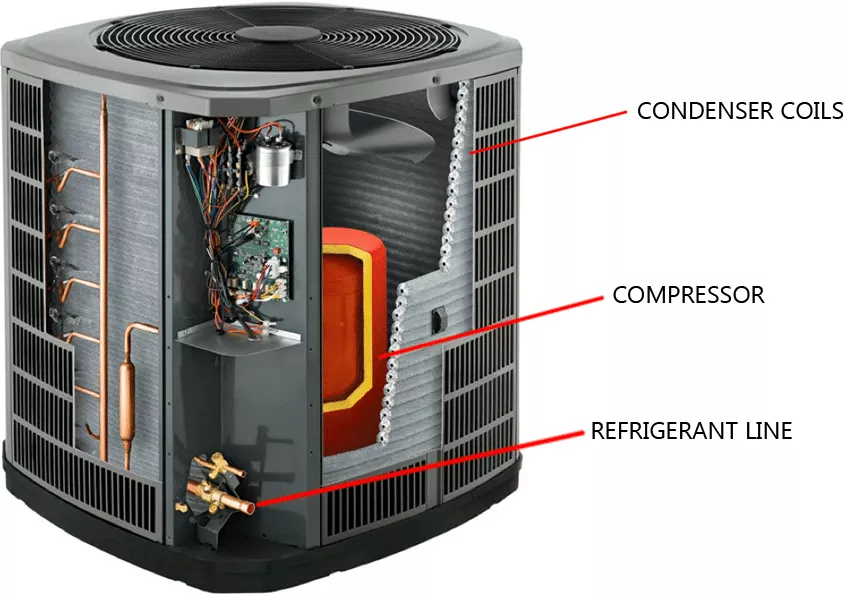
The condenser is an important part of an air conditioner. It helps to release heat from the inside of a building to the outside. The condenser has several key parts that work together to cool the air.
Each component plays a special role in the cooling process. Understanding these parts can help you know how your air conditioner works.
Condenser Coil
The condenser coil is a set of metal tubes that carry hot refrigerant. The coil helps cool the refrigerant by releasing heat to the outside air. It is usually made of copper or aluminum to help heat flow quickly.
- Carries hot refrigerant
- Made of metal tubes
- Releases heat outside
- Made from copper or aluminum
Fan And Motor
The fan blows air over the condenser coil to cool it down. The motor powers the fan to keep it spinning. Together, they help move heat away from the refrigerant quickly.
| Component | Function |
| Fan | Moves air across the condenser coil |
| Motor | Drives the fan’s movement |
Compressor Connection
The compressor connection links the condenser to the compressor. It moves refrigerant in and out of the condenser coil. This connection is vital for the refrigerant’s flow and pressure control.
- Transfers refrigerant between compressor and condenser
- Keeps refrigerant pressure steady
- Ensures proper refrigerant flow
How Condensers Affect Ac Performance
The condenser is a key part of an air conditioner. It helps remove heat from inside your home. This process cools the air and keeps your space comfortable.
How well the condenser works changes the whole AC’s performance. Good condensers save energy, cool better, and make less noise.
Energy Efficiency
A condenser that works well uses less electricity. It moves heat outside faster. This means the AC runs less time and costs less to operate.
- Efficient condensers lower power bills
- They reduce wear on AC parts
- Help the system last longer
Cooling Capacity
The condenser affects how much cold air your AC can make. A strong condenser cools rooms faster and keeps the temperature steady.
| Condenser Quality | Cooling Speed | Temperature Control |
|---|---|---|
| High Quality | Fast | Stable |
| Medium Quality | Moderate | Sometimes fluctuates |
| Low Quality | Slow | Unstable |
Noise Levels
Condenser noise comes from the fan and compressor. Better condensers use parts that reduce sound. This makes your home quieter.
Ways condensers reduce noise:
- Use sound-dampening materials
- Install quieter fan motors
- Design compressor mounts to absorb vibrations
Maintenance Tips
A condenser is a key part of an air conditioner. It helps remove heat from your home. Proper maintenance keeps it working well.
Regular care prevents breakdowns and saves energy. Below are some simple tips to maintain your condenser.
Cleaning The Coils
Coils in the condenser collect dirt and dust. Dirty coils reduce cooling efficiency. Clean them often for better performance.
- Turn off the power before cleaning.
- Use a soft brush to remove debris.
- Spray coils with water to wash away dust.
- Avoid using harsh chemicals that can damage the coils.
- Check coils every few months during cooling season.
Checking Refrigerant Levels
The refrigerant moves heat out of your home. Low refrigerant means the AC cools less. Watch for leaks and refill as needed.
| Sign | What it Means |
| Weak cooling | Low refrigerant level |
| Ice on coils | Too little refrigerant |
| High energy bills | System works harder |
| Hissing noise | Possible refrigerant leak |
Inspecting Fans And Motors
Fans and motors help move air through the condenser. Check them regularly to avoid problems.
- Listen for unusual noises from the motor.
- Look for bent or damaged fan blades.
- Make sure the fan spins freely without obstruction.
- Lubricate motor bearings if required by the manufacturer.
- Replace worn-out belts or parts promptly.
Credit: kayplumbing.com
Common Problems
The condenser is a key part of an air conditioner. It helps cool the refrigerant and keeps the system running smoothly. Sometimes, the condenser can face problems that stop it from working well.
Understanding these common issues can help you spot and fix problems early. Here are some frequent troubles with condensers.
Overheating Issues
Overheating happens when the condenser cannot release heat properly. This causes the air conditioner to stop cooling efficiently. Dust and dirt can block airflow around the condenser coils.
- Blocked air filters reduce airflow
- Dirty condenser coils trap heat
- High outdoor temperatures stress the system
- Low refrigerant levels cause extra work
Leaks And Corrosion
Leaks in the condenser let refrigerant escape. This lowers cooling power and can damage the system. Corrosion happens when moisture causes rust on metal parts. It weakens the condenser and can lead to leaks.
| Problem | Cause | Effect |
| Refrigerant Leak | Worn seals or damaged coils | Reduced cooling, system strain |
| Corrosion | Exposure to moisture and air | Weakened parts, leaks |
| Rust | Water buildup or rain exposure | Metal decay, failure risk |
Fan Malfunctions
The condenser fan moves air across the coils to cool the refrigerant. If the fan stops working, the condenser overheats. Fan problems include motor failure, broken blades, or electrical issues.
- Unusual noises from the fan area
- Air conditioner shuts off suddenly
- Visible damage to fan blades
- Fan does not spin when AC is on
Choosing The Right Condenser
The condenser is a key part of your air conditioner. It helps release heat from inside your home to the outside.
Picking the right condenser affects how well your AC cools and how much energy it uses.
Matching Ac Size
Your condenser must match the size of your air conditioner unit. A wrong size can cause problems.
A too small condenser will work hard and may break down. A too large one wastes energy and money.
- Check the cooling capacity (BTUs) of your AC
- Choose a condenser that fits the BTU rating
- Consult with a professional for exact size match
Climate Considerations
The climate where you live affects the type of condenser you need. Hotter places need stronger condensers.
High humidity can also impact condenser performance and durability.
- In hot climates, pick condensers with higher cooling capacity
- Look for corrosion-resistant materials in coastal areas
- Ensure the condenser can handle local weather conditions
Budget Factors
Your budget plays a big role in choosing a condenser. Prices vary by size and features.
Think about both upfront cost and long-term energy savings when making your choice.
- Basic models cost less but may use more energy
- Energy-efficient condensers save money over time
- Balance initial price with expected operating cost

Credit: www.lochardplumbingheatingandcooling.com
Frequently Asked Questions
What Does A Condenser Do In An Air Conditioner?
A condenser releases heat absorbed by the refrigerant in the evaporator. It transforms the refrigerant from a gas to a liquid. This process is essential for the cooling cycle, enabling your air conditioner to provide cool air efficiently.
How Does A Condenser Work In An Ac Unit?
A condenser works by converting refrigerant gas to liquid. It releases heat absorbed from indoor air. The fan helps dissipate the heat outside. This allows the refrigerant to cool and circulate back into the system.
Why Is A Condenser Important For Cooling?
A condenser is crucial because it expels heat from the refrigerant. This allows the air conditioner to cool the air efficiently. Without it, the cooling cycle would be incomplete, leading to inefficient performance.
How Can You Maintain An Ac Condenser?
Regularly clean the condenser coils to ensure efficiency. Check for debris or obstructions around the unit. Schedule professional maintenance annually to inspect and service the condenser. Proper care prolongs the unit’s lifespan and improves performance.
Conclusion
A condenser plays a key role in an air conditioner’s function. It helps remove heat from inside your home. Without it, cool air would not flow properly. Knowing how it works can help you maintain your AC better. Keep the condenser clean and clear of debris for best results.
Regular checks can extend your unit’s life. Understanding this part makes using your air conditioner easier. Simple care leads to cooler, more comfortable days.