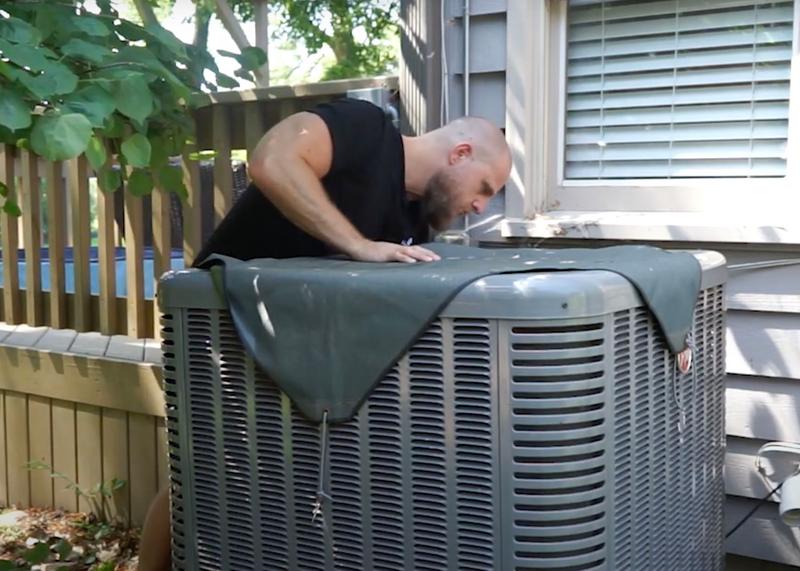
Is covering your outdoor air conditioner unit a smart move or a mistake? You might think that protecting it from dirt, leaves, and harsh weather is a good idea.
But does covering really help, or could it cause more harm than good? Before you grab that cover, it’s important to understand what’s best for your AC’s health and efficiency. Keep reading to find out the surprising truth about covering your outdoor air conditioner unit—and make the right choice for your home and comfort.

Credit: www.vairtech.com
Benefits Of Covering Ac Units
Covering your outdoor AC unithelps keep it clean from leaves, dirt, and other debris. This stops blockages that can lower its power. A cover acts like a shield, protecting the unit from rain, snow, and ice. This prevents rust and water damage, which can be costly to fix.
Using a cover can make your AC last longer. It stops small parts from wearing out too fast. A well-protected unit works better and needs fewer repairs. This saves money and keeps your home cool when you need it most.
Credit: www.walmart.com
Risks Of Covering Ac Units
Covering an outdoor AC unitcan cause serious problems. One major issue is moisture buildup. Rain and snow trapped inside can cause water to stay wet for long. This wetness invites mold and mildewto grow. Mold can damage the unit and create bad smells.
Another problem is the impact on airflow. Covers block air movement around the unit. This can cause the AC to work harder and reduce its efficiency. Poor airflow also leads to overheatingand potential breakdowns.
- Moisture trapped under covers causes rust and corrosion.
- Mold growth can harm unit parts and air quality.
- Blocked airflow lowers AC performance and raises bills.
- Excess heat buildup can shorten the unit’s life.
When To Cover Your Outdoor Unit
Covering the outdoor air conditioner unit depends on several seasonal and climate factors. In cold places, covering can protect the unit from snow and ice. In mild climates, leaving it uncovered helps air flow and prevents moisture buildup. Dust and leaves can clog the unit, so a cover may help during fall.
Manufacturer instructions give clear advice about covering. Some say to cover only if the unit is not used for months. Others warn that covers can trap moisture and cause damage. Always check the manualbefore covering the unit.
| Factor | Cover or Not? | Reason |
|---|---|---|
| Cold Climate | Cover | Protects from snow and ice buildup |
| Mild Climate | Do not cover | Allows air flow and prevents moisture |
| Manufacturer Advice | Follow manual | Prevents warranty issues and damage |
| Fall Season | Cover if unused | Keeps out leaves and debris |
Choosing The Right Cover
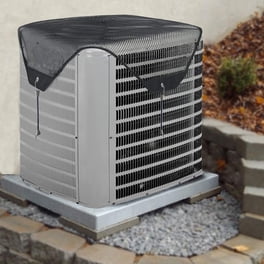
Choosing the right cover helps protect your outdoor air conditioner unit. The material typeaffects durability and protection. Common materials include heavy-duty polyester, vinyl, and mesh. Polyester and vinyl offer good water resistance. Mesh allows airflow, reducing moisture build-up inside.
Fit and sizeare key. Covers should fit snugly to keep out debris and pests. Too tight or too loose can cause damage. Measure the unit before buying to find the perfect size.
Ventilation featureshelp prevent mold and rust. Look for covers with built-in vents or breathable fabric. This keeps air moving and stops moisture from collecting inside.
Proper Covering Techniques
Start by turning off the air conditioner and unplugging it for safety. Clear away leaves, dirt, and debris around the unit. Make sure the unit is dry before covering to avoid mold growth.
- Choose a cover that fits snugly without blocking airflow.
- Use a breathable cover to prevent moisture buildup.
- Secure the cover with straps or bungee cords to keep it in place.
- Avoid heavy plastic tarps that trap moisture inside.
Check the cover regularly for tears or loose spots. Remove snow and ice buildup promptly. Allow some airflow by slightly lifting the cover on warm days. Clean the unit thoroughly before removing the cover in spring.
Alternatives To Covering
Regular cleaning keeps the outdoor unit free of dust and debris. This helps the air conditioner work better and last longer. Clear leaves and dirt from around the unit often. Use a soft brush or hose to clean the fins gently.
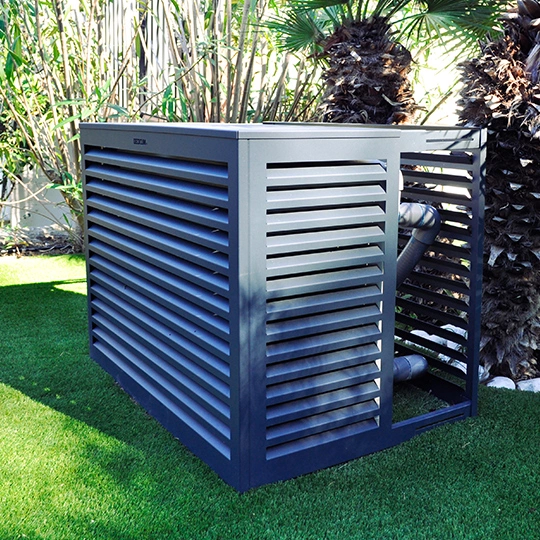
Protective shelters block rain, snow, and direct sunlight. A simple roof or cover can shield the unit without blocking airflow. Shelters help reduce weather damage and keep the unit dry.
Strategic placement means putting the unit in a spot with some shade. This lowers heat exposure and improves cooling. Avoid placing the unit near plants or objects that block air flow. Good air circulation helps the unit run smoothly and saves energy.
Credit: www.decoclim.fr
Frequently Asked Questions
Why Cover Outdoor Ac Unit In Winter?
Covering your outdoor AC unit in winter protects it from debris, ice, and snow. It prevents moisture buildup which can cause rust and damage. A cover can also deter small animals from nesting inside. However, ensure the cover is breathable to avoid trapping moisture.
Can Covering Ac Unit Damage It?
Improper covering can damage your AC unit by trapping moisture inside. This can lead to rust and mold. Use a breathable cover to allow moisture to escape. Ensure the cover fits properly and remove it before operating the unit to avoid overheating.
Is It Necessary To Cover Ac Unit?
Covering your AC unit isn’t always necessary but can be beneficial. It depends on your climate and environment. If your area experiences heavy snow or debris, consider covering it. Otherwise, regular maintenance and cleaning might suffice to keep it in good condition.
What Happens If Ac Unit Is Not Covered?
If not covered, the AC unit might accumulate leaves, debris, and moisture. This can lead to rust and blockages. Ice and snow can also damage components. Regular maintenance can mitigate these issues, but a cover provides extra protection in harsh conditions.
Conclusion
Covering your outdoor air conditioner unit can protect it from dirt and weather. But blocking airflow can cause damage and reduce efficiency. Choose a cover that fits well and allows air to move. Remove the cover during hot months to keep your unit working right.
Regular cleaning and care help your air conditioner last longer. Think about your local climate and unit type before deciding. Proper care keeps your air conditioner ready for every season.