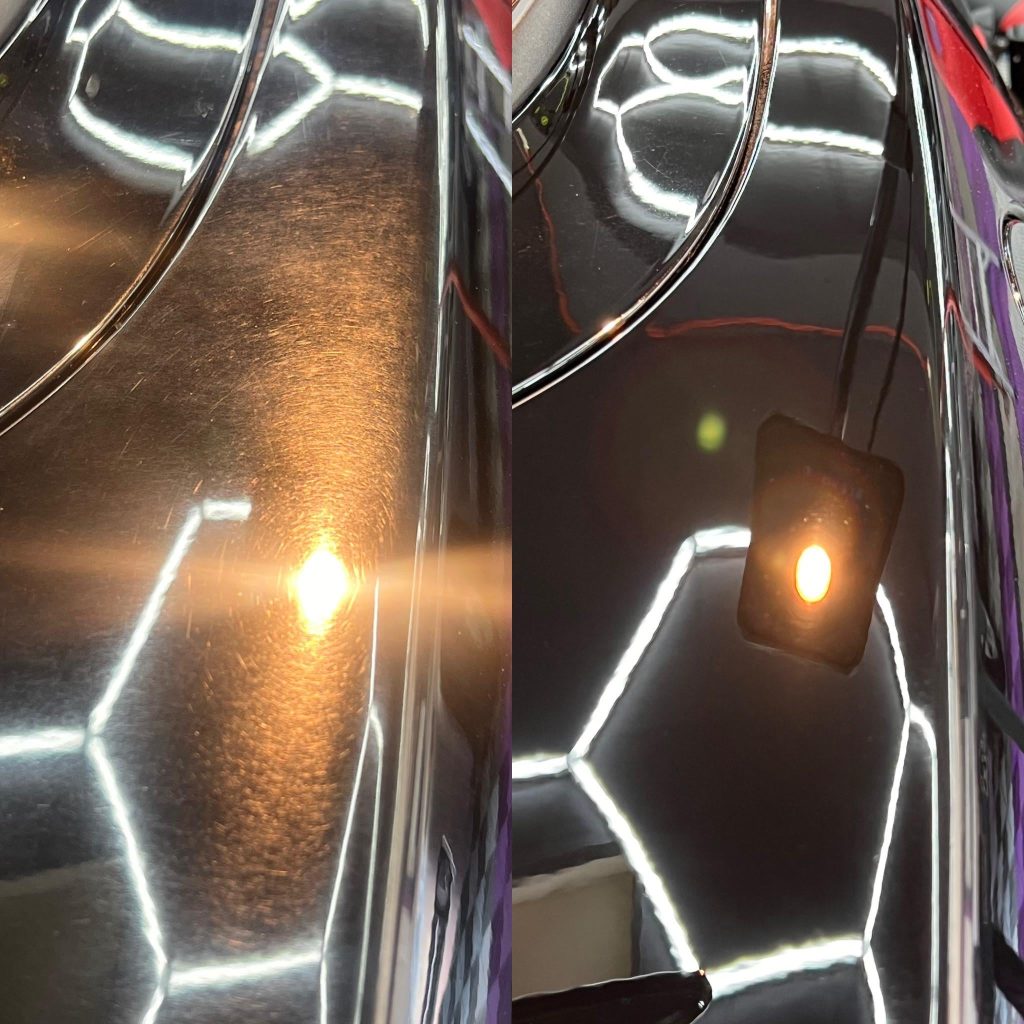
Are you worried that using a car cover might actually damage your car’s paint? You’re not alone.
Many car owners wonder if covering their vehicle could cause tiny scratches or dull the shine they worked so hard to keep. The truth might surprise you. You’ll discover what really happens when you use a car cover, how to protect your paint the right way, and simple tips to keep your car looking flawless.
Keep reading—your car’s finish will thank you.
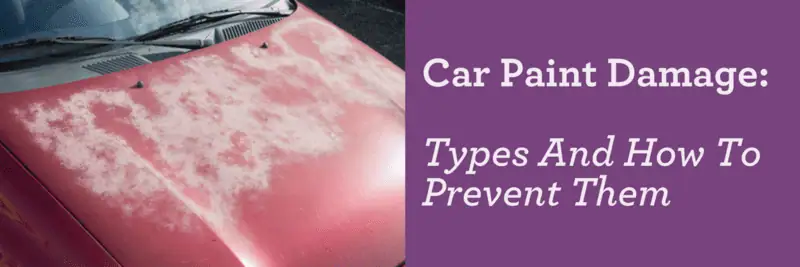
Credit: blisscarwash.com
How Car Covers Interact With Paint
Car covers protect vehicles from dirt, dust, and weather. They can also affect the paint on the car.
Understanding the materials used in car covers and the types of paint finishes helps prevent damage.
Materials Used In Car Covers
Car covers are made from different materials. Each material interacts with car paint differently.
- Polyester: Lightweight and breathable, but can cause friction in windy conditions.
- Polypropylene: Soft and good for indoor use, less suitable for wet weather.
- Fleece-lined: Offers extra protection and reduces the risk of scratches.
- PVC or Vinyl: Waterproof but can trap moisture, which may damage paint.
- Spandex: Stretchy and fits well but may wear out quickly.
Types Of Car Paint Finishes
Different paint finishes react differently to car covers. Knowing your paint type helps choose the right cover.
| Paint Finish | Description | Interaction with Car Covers |
| Glossy | Shiny and smooth surface | Easy to scratch if cover is rough |
| Matte | Flat, non-reflective look | More sensitive; needs soft cover materials |
| Metallic | Contains metal flakes for shine | Cover friction may dull the shine |
| Pearlescent | Shifts color in light | Requires gentle covers to avoid damage |
Credit: www.infinitiq60.org
Common Causes Of Paint Scratches
Car covers protect your vehicle from weather and dirt. But they can also cause paint scratches.
Understanding how scratches happen helps you avoid damage and keep your car’s paint smooth.
Dust And Dirt Trapped Under Covers
Dust and dirt can stick to your car’s paint before you put the cover on. When the cover moves, these particles rub against the paint.
- Dust grains act like sandpaper on the paint.
- Dirt particles can cause tiny scratches that build up over time.
- Wind can move the cover, making trapped dirt scratch the surface.
Improper Cover Fit And Movement
A cover that is too loose or too tight can harm your car’s paint. Loose covers shift in the wind. Tight covers press hard on the surface.
| Cover Fit | Risk | Effect on Paint |
| Too Loose | Moves with wind | Causes rubbing and scratches |
| Too Tight | Presses on paint | Can cause paint wear and marks |
| Right Fit | Stays in place | Protects paint without damage |
Benefits Of Using Car Covers
Car covers help protect your vehicle from many outside dangers. They keep your car clean and safe.
Using a car cover can save you money on repairs and keep your paint looking new.
Protection From Environmental Elements
Car covers shield your vehicle from rain, dust, and dirt. This stops grime from building up on your car.
They also protect against bird droppings and tree sap, which can harm your paint.
- Blocks dust and dirt
- Keeps rain off the car
- Prevents bird droppings damage
- Stops tree sap stains
Preventing Uv Damage And Fading
Sunlight can cause your car’s paint to fade over time. Car covers reduce this risk by blocking UV rays.
Using a cover helps keep your paint bright and stops cracking or peeling caused by sun damage.
- Blocks harmful UV rays
- Prevents paint fading
- Stops cracking and peeling
- Keeps car looking new longer
Choosing The Right Car Cover
Car covers protect your vehicle from dust, dirt, and weather. Picking the right cover helps keep your car’s paint safe from scratches.
Some covers are better for certain needs. Knowing the fabric and fit can help you choose well.
Fabric Breathability And Softness
Breathable fabrics let moisture escape. This stops mold and rust under the cover. Soft fabrics avoid rubbing the paint.
- Polyester with a soft inner lining is gentle on paint.
- Spunbond fabric allows air flow to reduce moisture.
- Non-breathable covers can trap water and damage paint.
- Soft materials prevent scratches caused by dust and wind.
Custom Fit Vs Universal Covers
Custom fit covers match your car’s shape. Universal covers fit many cars but may be loose.
| Type | Advantages | Disadvantages |
| Custom Fit | Snug fit, less movement, better paint protection | Usually more expensive |
| Universal | Lower cost, fits many models | May cause rubbing or flapping in wind |
Tips To Prevent Scratches When Using Covers
Car covers protect your vehicle from dirt and weather. But they can cause scratches if not used right. Follow these tips to keep your car’s paint safe.
Using a car cover correctly helps avoid damage. Clean your car first and secure the cover well. This stops dirt and wind from scratching the paint.
Cleaning Your Car Before Covering
Dirt and dust under the cover can scratch paint. Always wash your car before putting on the cover. Make sure to dry it fully to avoid moisture traps.
- Use a soft cloth and gentle soap to clean the car
- Remove bird droppings and tree sap carefully
- Dry the car completely before covering
- Check for any stuck debris on tires or bumpers
Securing The Cover Properly
Loose covers can flap in the wind and scratch paint. Secure the cover tightly but without stretching. Use straps or ties if the cover has them.
- Fit the cover to your car’s size and shape
- Check that the cover does not move in the wind
- Avoid covers that rub against rough parts
- Store covers clean and dry when not in use

Credit: finance.yahoo.com
Alternatives To Traditional Car Covers
Car owners often worry about scratches from traditional car covers. These covers can rub the paint if not handled carefully. Luckily, several options protect your vehicle without risking paint damage.
This article explores two popular alternatives: carports and garage storage, plus paint protection films.
Carports And Garage Storage
Carports and garages offer solid protection from weather and scratches. They keep cars safe without direct contact like covers do. Garages fully enclose your vehicle. Carports provide overhead shelter, blocking sun and rain.
- Prevent scratches from wind-blown debris
- Protect paint from UV rays and rain
- Reduce dirt buildup on the car surface
- Offer easy access to your car anytime
Both options reduce the chance of scratches that can happen when putting on or taking off a car cover.
Paint Protection Films
Paint protection films (PPF) are clear layers applied directly to the car’s paint. These films guard against small scratches, chips, and stains without changing the car’s look.
| Feature | Benefit |
| Clear and thin | Invisible protection |
| Self-healing | Minor scratches disappear |
| Durable | Lasts several years |
| Easy to clean | Maintains shine |
PPF offers strong protection without the risk of rubbing paint like some fabric covers do. It stays on the car and works silently to protect every day.
Frequently Asked Questions
Can Car Covers Damage Paint?
Car covers can scratch paint if not used correctly. Ensure the cover is clean and fits well. Dirt trapped between the cover and the car can cause scratches. Choose a high-quality, breathable cover to minimize risks. Always clean your car before covering it to protect the paint.
What Type Of Car Cover Is Best?
A soft, breathable car cover is best for protecting paint. Look for covers made from non-abrasive materials. Ensure it is water-resistant and UV-protective. These features help prevent scratches and damage. A custom-fit cover ensures a snug fit, reducing movement that may cause scratches.
How Do I Prevent Scratches From Car Covers?
To prevent scratches, always clean your car before using a cover. Ensure the cover itself is clean and free of debris. Choose a cover made from soft, non-abrasive materials. A proper fit reduces movement that might lead to scratches. Regularly inspect and maintain the cover for optimal performance.
Are Indoor Car Covers Safer For Paint?
Indoor car covers are generally safer for paint as they face fewer environmental threats. They protect against dust, minor bumps, and scratches. Choose a soft, breathable cover for indoor use. Indoor covers should still be cleaned regularly to prevent debris accumulation that could scratch the paint.
Conclusion
Car covers can protect your car from dirt and weather. Choosing a soft, clean cover helps avoid scratches. Always clean your car before covering it. Avoid dragging the cover over the paint. A good cover fits well and stays in place.
Taking care when using covers keeps your paint safe. Covers are helpful but not perfect. Small scratches may still happen if not careful. Use covers wisely to keep your car looking good. Protecting your paint needs simple, careful steps every time.