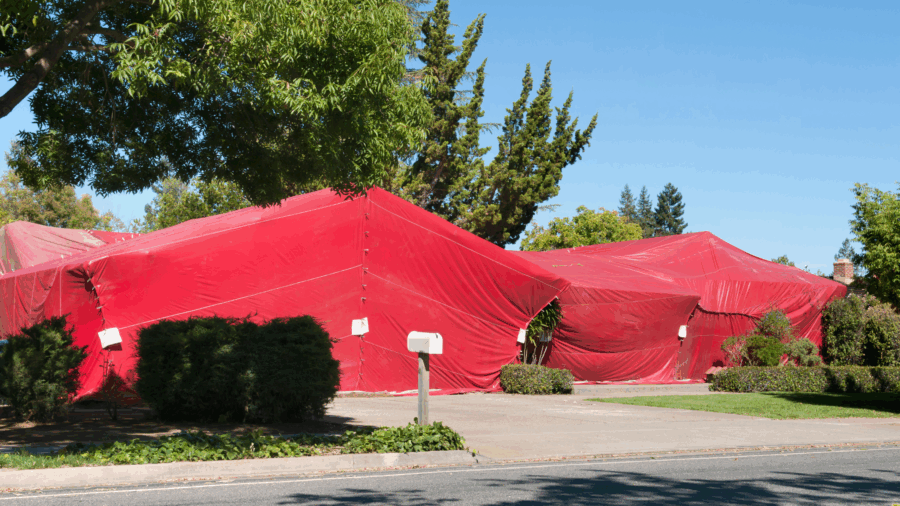
Are you worried about termites quietly damaging your home? You’re not alone.
Many homeowners face this problem and wonder, “How long does it take to tent a house for termites? ” Knowing the answer can help you plan better and reduce stress. You’ll discover exactly what happens during the tenting process, how long it usually takes, and what you can expect before, during, and after treatment.
Keep reading to protect your home and regain peace of mind.
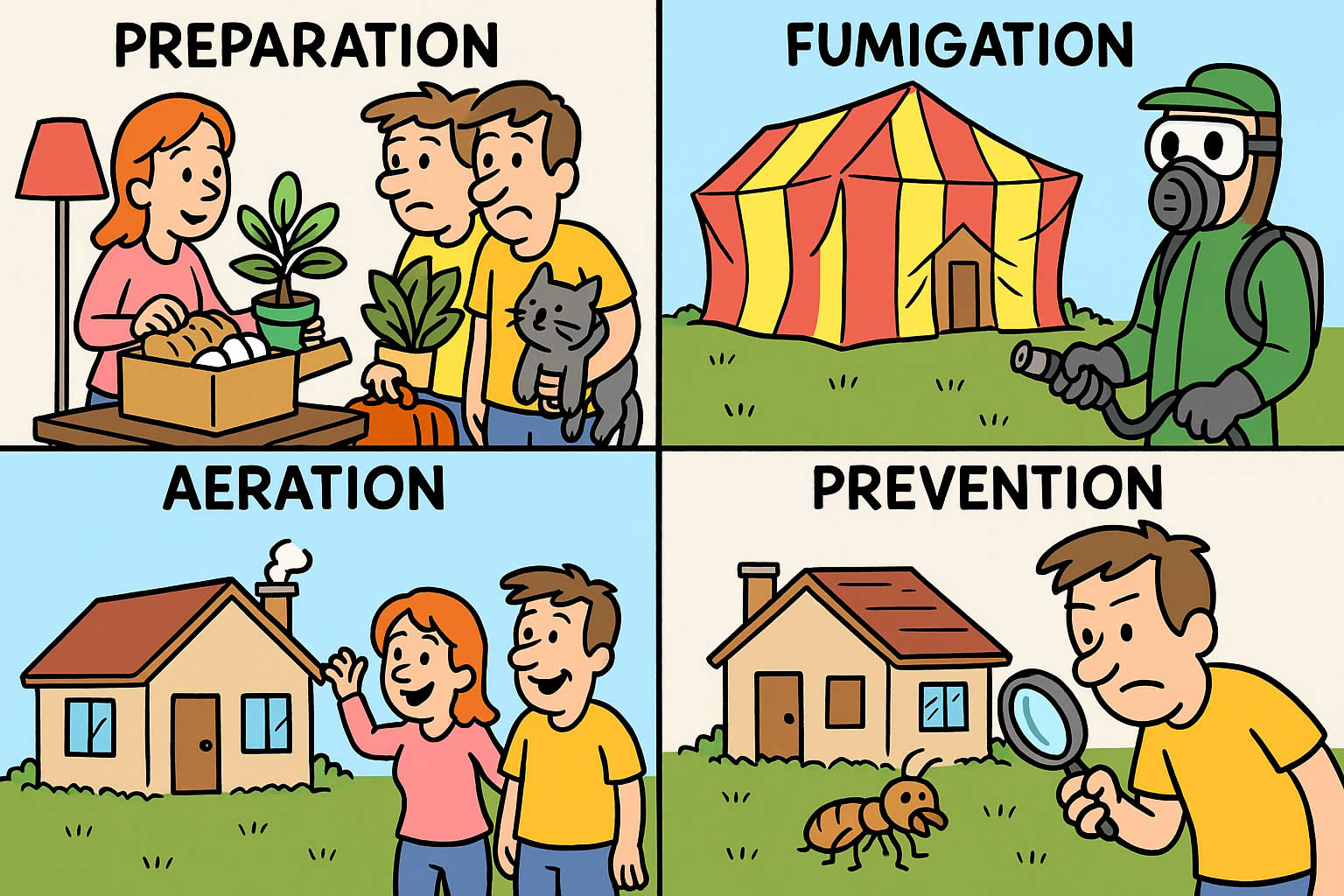
Credit: www.howtopestcontrol.co.uk
Purpose Of Tent Fumigation
Tent fumigation is a way to kill termites inside a house. It uses gas that reaches every part of the home.
This process stops termites from damaging wood and other materials. It helps protect the house for a long time.
Why Tent Houses For Termites
Tenting a house traps the fumigant inside. The gas spreads evenly and kills termites in all areas.
This method works well for big termite problems. It reaches hidden places other treatments cannot touch.
Benefits Over Other Treatments
Tent fumigation kills termites quickly and completely. It does not just control them but removes all of them.
Other treatments may need many visits or only kill termites on contact. Tent fumigation works throughout the house.
- Kills termites in walls, floors, and furniture
- One treatment can protect the house long-term
- No need to drill or inject chemicals into wood
- Effective even in hard-to-reach spots
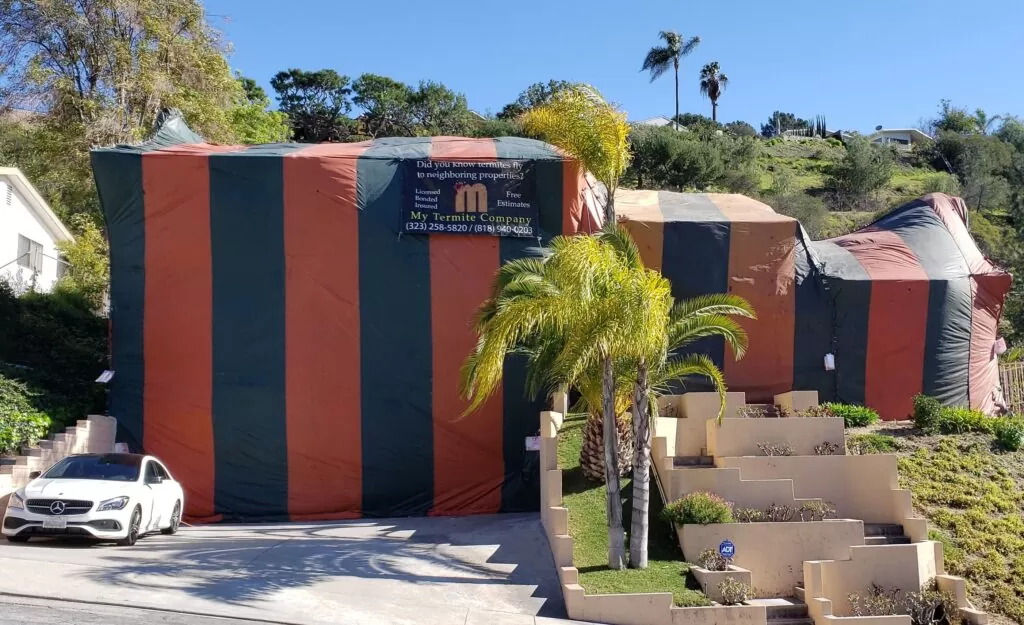
Credit: mytermitecompany.com
Preparation Steps
Tenting a house for termites requires careful preparation. Proper steps help protect your home and belongings.
These steps also ensure the treatment works well and keeps your family safe.
Clearing The Area
Clear the area inside and outside your home before tenting. Remove furniture, curtains, and personal items from walls and floors.
Move outdoor items like grills, toys, and plants away from the house. This helps the tent fit properly and prevents damage.
- Take down wall hangings and pictures
- Clear out closets and cabinets
- Remove rugs and carpets if possible
- Move outdoor furniture and equipment
- Keep walkways clear for workers
Protecting Pets And Plants
Pets cannot stay in the house during tenting. Arrange a safe place for them outside or with friends.
Plants near the house can be harmed by chemicals. Move them far from the tented area or cover them well.
- Find a pet boarding or friend’s home
- Keep pets away for the whole treatment time
- Relocate plants at least 10 feet from the house
- Cover plants with plastic if moving is not possible
Duration Of Tent Fumigation
Tent fumigation is a common way to get rid of termites in a house. This process involves covering the entire house with a special tent and using gas to kill the termites.
The time it takes to tent a house depends on several things. Understanding how long the process lasts helps homeowners plan better.
Typical Time Frame
Most tent fumigations last about two to three days from start to finish. The house is sealed first, then the gas is released.
Usually, the gas stays inside the tent for 24 to 72 hours. After this, the house must be aired out to remove any remaining chemicals.
- Setting up the tent: 4 to 8 hours
- Fumigation gas exposure: 24 to 72 hours
- Ventilation and clearance: 8 to 24 hours
Factors Affecting Duration
The time for tent fumigation can change based on house size and weather. Larger homes need more time to seal and vent.
Temperature and humidity also affect how long the gas works. Cooler weather can slow the process.
- House size: bigger homes take longer
- Weather: warm and dry is faster
- Termite infestation level: heavy infestations need longer treatment
- Local regulations may require specific times
Post-treatment Process
After tenting a house for termites, the treatment is not over yet. The post-treatment process is very important to make sure the termites are gone. It also helps keep your family safe.
This process includes ventilating the house and following reentry rules. These steps help remove harmful chemicals and make the home safe again.
Ventilation Period
Once the termite tenting is done, the house must be aired out. This is called the ventilation period. It helps clear out the gas used in the treatment.
The ventilation usually lasts from 24 to 72 hours. This time depends on the size of the house and the chemical used. Proper air flow is needed to make the house safe.
- Open all windows and doors
- Use fans to increase air flow
- Keep the house empty during this time
- Wait for the professional’s approval before entering
Reentry Guidelines
Do not enter the house until the pest control company says it is safe. They will check if the gas is gone. This ensures your health is not at risk.
When you reenter, follow these rules:
- Remove any protective gear before going inside
- Do not bring pets or children until fully safe
- Air out the house further if you smell chemicals
- Follow any extra instructions from the treatment team
Signs Of Successful Treatment
After tenting your house for termites, you want to know if the treatment worked. Signs of success show that termites are gone or dying.
Knowing what to expect helps you see if the treatment was effective and when to call your pest control expert.
What To Expect After
Right after the fumigation, the house will be sealed and ventilated. This clears out the chemicals safely. You should not enter the house until the pest control company says it is safe.
- Termite activity will stop or reduce greatly.
- You may see dead termites near wood or walls.
- Wood damage will not get worse after treatment.
- New mud tubes will not appear on walls or foundations.
Follow-up Inspections
Follow-up inspections are key to confirm the treatment worked. Your pest control expert will check your home several times after the fumigation.
| Inspection Time | What to Check | Signs of Success |
|---|---|---|
| 1 Month After | Look for termite activity and mud tubes. | No new termite signs, no mud tubes. |
| 6 Months After | Inspect wood for new damage. | Wood remains intact, no fresh damage. |
| 12 Months After | Final check for termite presence. | No termites found, home is safe. |
Costs And Scheduling Tips
Tenting a house for termites is a common way to protect your home. It involves covering the house with a tent and using chemicals to kill termites. Knowing how long it takes helps you plan better.
Costs and timing vary based on house size and location. Planning ahead saves money and reduces stress.
Budget Considerations
The cost to tent a house depends on the size and damage level. Smaller homes cost less, while larger homes cost more. On average, prices range from $1,000 to $3,500.
Additional fees may apply for repairs or retreatments. Also, you might need to stay elsewhere during treatment, adding to costs.
- House size impacts price
- Damage level affects treatment length
- Temporary relocation may increase expenses
- Check if repairs are included
Best Time To Tent
Choosing the right time to tent your house can make the process smoother. Avoid extreme weather like heavy rain or very cold days.
Spring and fall are good seasons for tenting. Termites are more active, and weather is mild, helping treatment work well.
- Schedule during mild weather
- Avoid rainy or windy days
- Plan when you can leave home temporarily
- Book treatment early to get preferred dates

Credit: www.proventermitesolutions.com
Frequently Asked Questions
How Long Is The Termite Tenting Process?
The termite tenting process typically lasts 24 to 48 hours. This timeframe includes the time needed to set up the tent, apply the fumigant, and allow it to dissipate. Exact durations can vary based on house size and infestation severity.
Always consult a professional for an accurate estimate.
Do I Need To Prepare My House Before Tenting?
Yes, preparing your house is crucial before tenting for termites. Remove plants, food, and medications. Secure all doors and windows, and ensure pets and people vacate the premises. Proper preparation ensures the fumigation process is effective and safe. Consult your pest control provider for specific preparation guidelines.
Is It Safe To Return Home After Tenting?
It’s safe to return home once the fumigation is complete and cleared by professionals. After the tent is removed, the house is aerated to ensure all fumigants dissipate. Professionals will test air quality to confirm safety. Always wait for official confirmation before re-entering your home.
How Effective Is Tenting For Termite Elimination?
Tenting is highly effective for eliminating termites, especially in severe infestations. It ensures thorough fumigation throughout the entire structure. However, regular inspections and maintenance are necessary to prevent re-infestation. Always follow up with pest control professionals to maintain termite-free conditions in your home.
Conclusion
Tenting a house for termites usually takes a few days. The process includes preparation, fumigation, and airing out. You must leave the home during treatment for safety. After tenting, your house will be termite-free and safer. Regular checks help keep termites away in the future.
Act quickly at the first sign of termites to protect your home. Proper treatment saves money and stress later. Trust experts to handle the job right.