Have you ever wondered why some fishing rods feel stiff while others bend with ease? Understanding the action on a fishing rod can completely change the way you fish.
It affects how you cast, how you fight fish, and even how much control you have in tricky situations. If you want to make smarter choices and catch more fish, you need to know what rod action really means. Keep reading, and you’ll discover the secret behind every great cast and hook-up.

Credit: www.reddit.com
Action Types
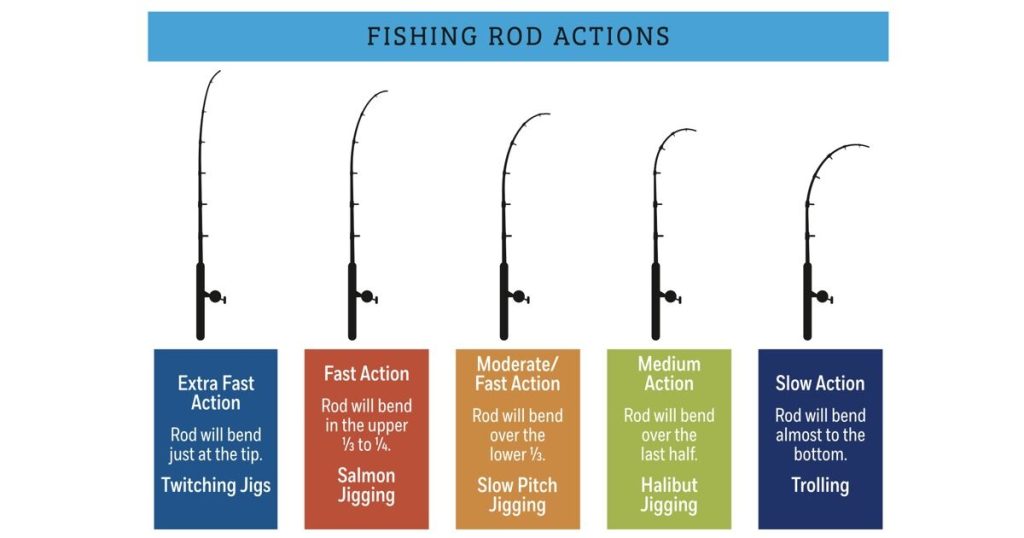
Action on a fishing rod shows how much the rod bends when you pull the line. It affects how you cast and fight fish.
There are three main action types: fast, medium, and slow. Each type suits different fishing styles and fish species.
Fast Action
Fast action rods bend mostly near the tip. They are very sensitive and strong at the top.
These rods help you feel small bites quickly and set the hook fast. They work well for big, powerful fish.
- Bends mostly at the top 20%
- Quick hook set
- Good for heavy lures and big fish
- Offers more control and power
Medium Action
Medium action rods bend from the middle to the tip. They are balanced in strength and flexibility.
These rods work well for many fishing types. They cast well and absorb fish fights nicely.
- Bends about 30-60% of the rod length
- Good for various lures and fish sizes
- Offers smooth casting and fighting
- Easy to use for beginners
Slow Action
Slow action rods bend from the base to the tip. They are very flexible and bend deeply.
These rods cast light lures far and absorb strong fish pulls. They are best for small fish and light tackle.
- Bends over 60% of the rod length
- Good for light lures and small fish
- Soft casting and gentle hook sets
- Helps protect light line from breaking

Credit: www.reddit.com
How Action Affects Casting
The action of a fishing rod describes how much and where the rod bends. It changes how the rod casts the fishing line.
Different actions give different casting experiences. Understanding action helps improve casting skills.
Casting Distance
Fast action rods bend near the tip. This makes the rod snap back quickly. It helps cast the line farther.
Slow action rods bend along the whole length. This slows the line speed. It usually reduces casting distance.
- Fast action rods = longer casts
- Medium action rods = balanced distance
- Slow action rods = shorter casts
Casting Accuracy
Slow action rods give smooth, controlled casts. This helps place the lure exactly where you want.
Fast action rods need more skill to control. They can be less accurate for beginners.
- Slow action rods improve accuracy
- Medium action rods offer good control
- Fast action rods require practice for accuracy
Impact On Fish Fighting
Action on a fishing rod shows how the rod bends under pressure. It affects how you control the fish during a fight. Different actions help in different fishing situations.
Understanding rod action helps you set the hook better and handle the fish with less risk of breaking the line or losing the catch.
Hook Setting Power
Rod action affects the power you use to set the hook. Fast action rods bend near the tip, giving strong, quick hook sets. Slow action rods bend more along the length, giving a gentler hook set.
- Fast action rods deliver quick, sharp hook sets.
- Medium action rods give balanced hook setting power.
- Slow action rods provide softer hook sets, useful for delicate bites.
Rod Flexibility
Rod flexibility impacts how the rod absorbs the fish’s runs and fights. Flexible rods bend more, reducing stress on the line. Stiffer rods offer less bend but more direct power.
| Rod Action | Flex Location | Effect on Fish Fighting |
| Fast | Top 20% | Quick response, strong hook sets, less shock absorption |
| Medium | Top 30-60% | Balanced control, moderate shock absorption |
| Slow | Full length | High shock absorption, gentle on line, slower hook sets |
Choosing Rod Action By Fishing Style
Action on a fishing rod means how much the rod bends. It affects how you feel the fish bite and how you control the lure.
Different fishing styles need different rod actions. Picking the right action helps you catch more fish and enjoy fishing more.
Bass Fishing
Bass fishing usually needs a fast or extra-fast action rod. These rods bend mostly near the tip. This helps with quick hook sets and strong control.
Fast action rods make it easier to feel small bites and work lures like crankbaits and jigs better.
Trout Fishing
For trout fishing, medium or medium-fast action rods work well. They bend more along the top half of the rod. This helps with delicate presentations.
These rods give good sensitivity to feel light bites and help cast small baits or flies accurately.
Saltwater Fishing
Saltwater fishing needs strong rods with medium-fast to fast action. The rods must handle big fish and heavy lures.
Medium-fast action rods bend enough to absorb big fish fights but stay stiff for strong hook sets.
- Fast action: Good for strong hook sets
- Medium-fast: Balances sensitivity and power
- Medium: Helps with long casts and big fish
Matching Action With Lure Types
Action on a fishing rod tells how much the rod bends when you pull the line. It affects how you use different lures. Choosing the right rod action helps you fish better.
This guide explains how to match rod action with light and heavy lures. This will improve your casting and lure control.
Light Lures
Light lures need a rod with a fast or extra-fast action. This means the rod bends mostly at the tip. It helps you feel the lure better and makes casting easier.
- Fast action rods give good sensitivity for light lures.
- They allow quick hook sets, so fish don’t spit the lure.
- Rods with too slow action make casting light lures hard.
- Use light line with fast action rods for best results.
Heavy Lures
Heavy lures need rods with medium or slow action. These rods bend more deeply along the blank. They help absorb the weight and power of heavy lures.
| Rod Action | Best Lure Types | Benefits |
|---|---|---|
| Medium | Spinnerbaits, large crankbaits | Good balance of power and control |
| Slow | Big swimbaits, heavy jigs | Better shock absorption and smooth casts |

Credit: anglersresource.net
Material Influence On Action
The action of a fishing rod means how much the rod bends under pressure. It affects how you cast and feel the fish.
The material of the rod affects its action. Different materials bend in different ways and speeds.
Graphite Rods
Graphite rods are light and stiff. They bend quickly and return to shape fast.
This makes graphite rods have a fast action. You can cast longer and feel fish bites better.
Fiberglass Rods
Fiberglass rods are heavier and more flexible. They bend slower and more evenly.
These rods have a slow action. They are good for beginners and tough fishing situations.
Composite Rods
Composite rods mix graphite and fiberglass. They balance strength and flexibility.
Composite rods have a medium action. They offer good control and power for many types of fishing.
Testing Rod Action
Action on a fishing rod shows how much and where it bends. Testing rod action helps anglers pick the right rod for their fishing style.
Knowing the rod action lets you feel how the rod will react to fish and casting. It affects your control and the fight with the fish.
Bending The Rod
To test rod action, hold the rod handle and press down on the tip. Watch how much the rod bends and where it bends the most.
Fast action rods bend mostly near the tip. Medium action rods bend further down. Slow action rods bend from the middle to the handle.
- Fast action: bends 20-25% from the tip
- Medium action: bends 30-60% of the rod length
- Slow action: bends 60-100% of the rod length
Feel And Feedback
Feel how the rod responds when you bend it. A rod with good feedback lets you feel small bites and fish movements.
Stiff rods give quick and strong feedback. Flexible rods feel softer but give less detailed signals from the fish.
- Fast action rods provide sharp feedback
- Medium action rods offer balanced feel
- Slow action rods give gentle feedback
Common Mistakes When Choosing Action
Choosing the right action for a fishing rod is important. It affects how well you can cast and catch fish.
Many anglers make mistakes when picking rod action. These errors can hurt fishing success and enjoyment.
Ignoring Fishing Conditions
Fishing conditions like water type and weather affect rod action choice. Ignoring these can cause trouble.
For example, a fast action rod may not work well in heavy wind or strong currents. It can make casting hard.
- Shallow water often needs lighter action rods
- Deep water might require stronger, slower action rods
- Windy days call for rods that handle heavy lures easily
Overlooking Fish Species
Different fish need different rod actions. Not thinking about the fish species leads to poor rod choice.
Big, strong fish need rods with heavier action. Small fish work better with lighter, softer rods.
- Heavy action rods suit big fish like pike or catfish
- Medium action rods fit bass and trout well
- Light action rods are good for panfish and small species
Frequently Asked Questions
What Does Action Mean In A Fishing Rod?
The action of a fishing rod refers to where it bends when pressure is applied. It affects casting distance and sensitivity. Fast action rods bend near the tip, while slow action rods bend closer to the handle. Choosing the right action depends on your fishing style and target species.
How Does Rod Action Affect Casting?
Rod action influences casting distance and accuracy. Fast action rods provide longer casts and better accuracy with lighter lures. Slow action rods offer shorter, more controlled casts, ideal for larger lures. Selecting the right action enhances your fishing experience, adapting to different fishing techniques and conditions.
What Is The Difference Between Rod Action And Power?
Rod action refers to the rod’s bending point, while power indicates its strength to lift weight. Action determines sensitivity and casting, while power affects hook-setting ability and fighting fish. Understanding both helps in selecting a rod that suits your fishing style and target species.
Why Choose A Fast Action Fishing Rod?
Fast action rods bend near the tip, providing excellent sensitivity and quick hook sets. They are ideal for targeting fast-moving fish and using lighter lures. Their quick response enhances casting distance and accuracy, making them a popular choice among anglers seeking precision in their fishing techniques.
Conclusion
Action on a fishing rod shows how fast the rod bends. It affects how you feel the fish and how you cast. A fast action rod bends near the tip, giving more power. A slow action rod bends more, helping with gentle casts.
Choosing the right action helps catch different fish types. Remember, the best rod fits your fishing style. Understanding rod action makes fishing more fun and successful. Keep this in mind next time you pick a rod.