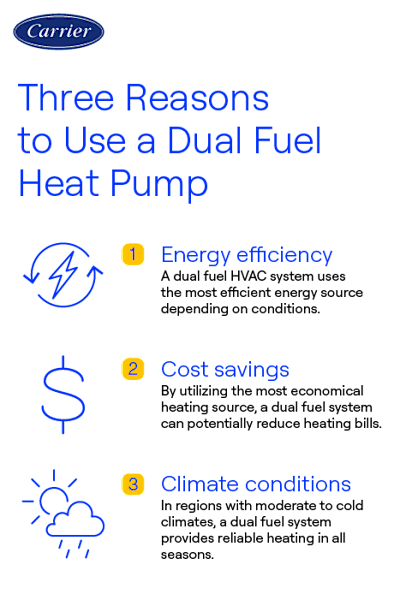
Are you looking for a heating solution that saves you money and keeps your home comfortable no matter the weather? A dual fuel heating system might be exactly what you need.
This smart system combines two types of fuel to give you the best of both worlds—efficiency and reliability. By understanding how it works, you can make a choice that fits your home and budget perfectly. Keep reading to discover how a dual fuel heating system can change the way you heat your home.
Dual Fuel Heating Basics
A dual fuel heating system uses two types of fuel to heat a home. It switches between fuels to save energy and lower costs. This system combines the strengths of different heating methods.
Many homes use dual fuel heating to stay warm during cold months. The system automatically chooses the best fuel based on outdoor temperature and fuel prices.
How Dual Fuel Systems Work
Dual fuel systems have two main parts: a heat pump and a backup furnace. The heat pump uses electricity to heat or cool the home. The furnace uses gas or oil when it is too cold for the heat pump.
- The heat pump runs during mild weather.
- The furnace turns on during very cold weather.
- The system switches automatically for comfort and savings.
Types Of Fuel Used
| Fuel Type | Description |
| Electricity | Used by the heat pump for efficient heating and cooling. |
| Natural Gas | Common furnace fuel that burns clean and costs less than oil. |
| Heating Oil | Used in areas without gas lines; effective but more expensive. |
| Propane | Used in rural areas; stored in tanks and burns cleanly. |
Benefits Of Dual Fuel Systems
A dual fuel heating system uses two types of fuel to heat your home. It switches between them to save energy and money.
These systems combine the strengths of electric and gas heating for better comfort.
Energy Efficiency
Dual fuel systems use electricity when it is cheaper and gas when it is more efficient. This balance lowers energy waste and keeps your home warm.
- Electric heat pump runs during mild weather
- Gas furnace activates in very cold temperatures
- System switches automatically for best performance
Cost Savings
Using two fuels lets you pick the cheapest option. This reduces your heating bills over time.
| Fuel Type | Best Use | Cost Benefit |
| Electricity | Mild weather | Lower cost per unit |
| Gas | Cold weather | More efficient heating |
Environmental Impact
Dual fuel systems cut down on emissions by using cleaner energy when possible.
Here are key environmental benefits:
- Reduces greenhouse gas emissions
- Less reliance on fossil fuels
- Supports use of renewable electricity
Components Of Dual Fuel Systems
A dual fuel heating system uses two types of heating technology.
This system combines a heat pump and a furnace to save energy and costs.
Heat Pump
The heat pump moves heat from outside to inside your home.
It works well in mild weather and uses electricity to heat or cool air.
Furnace
The furnace uses fuel like gas or oil to heat your home.
It turns on when the heat pump cannot keep the home warm enough.
- Burns fuel to create heat
- Works best in very cold weather
- Provides backup heat for the system
Control Systems
| Control Component | Function |
|---|---|
| Thermostat | Switches between heat pump and furnace |
| Temperature Sensors | Measure outdoor and indoor temperatures |
| Control Board | Manages system operation and timing |
These parts help the system decide the best way to heat your home.

Credit: www.achrnews.com
Installation Considerations
Installing a dual fuel heating system needs careful planning. It combines two types of fuel sources to heat your home efficiently.
Understanding the installation requirements helps avoid problems and ensures your system works well.
Compatibility With Existing Systems
Check if your current heating setup can work with a dual fuel system. Some systems may need upgrades or changes.
- Verify the type of furnace and heat pump you have.
- Confirm fuel sources are available for both parts.
- Ensure your thermostat supports dual fuel control.
- Consult the system manual or a professional for compatibility.
Space And Location Requirements
| Requirement | Details |
| Indoor Space | Enough room for furnace and heat pump units. |
| Outdoor Location | Clear area for heat pump with good airflow. |
| Ventilation | Proper vents for combustion and exhaust gases. |
| Access | Easy access for maintenance and repairs. |
Professional Installation Tips
Hire a licensed technician to install your dual fuel system. Proper setup ensures safety and efficiency.
- Verify all electrical and gas connections meet local codes.
- Test the system controls for smooth switching between fuels.
- Seal any ductwork leaks to improve airflow.
- Program the thermostat for optimal fuel use.
- Schedule regular inspections after installation.
Maintenance And Troubleshooting
A dual fuel heating system uses both electricity and gas to heat your home. Keeping it in good shape helps it work well and last longer.
This guide covers simple maintenance tasks, common problems, and when to get help from a professional.
Routine Maintenance Tasks
Regular checks keep your system safe and efficient. You can do many tasks yourself, but always follow safety rules.
- Change or clean air filters every 1 to 3 months
- Check and clean the blower fan
- Inspect gas connections for leaks or damage
- Test the thermostat for proper operation
- Clear debris around outdoor units
- Schedule annual professional inspections
Common Issues And Fixes
Some problems are easy to fix. Others may need tools or knowledge you don’t have. Here are common issues and how to handle them.
| Issue | Possible Cause | Fix |
| System won’t start | Thermostat off or dead batteries | Check settings, replace batteries |
| Uneven heating | Clogged filters or blocked vents | Clean filters, open vents |
| Gas smell | Gas leak | Turn off gas, ventilate, call professional |
| Unit runs constantly | Thermostat issues or dirty sensors | Reset thermostat, clean sensors |
| Strange noises | Loose parts or motor problems | Tighten parts, schedule repair |
When To Call A Professional
Some issues need expert help to keep your system safe and working well. Call a professional if you see these signs:
- You smell gas or suspect a leak
- The system stops working after simple fixes
- There is water leaking near the unit
- Electrical parts or wiring look damaged
- The unit makes loud or unusual noises
- You need help with annual inspections or repairs

Credit: thefurnaceoutlet.com
Cost Factors And Savings
A dual fuel heating system uses two types of fuel to heat your home. This system can switch between fuels based on cost and availability.
Understanding the cost factors helps you see the savings over time. It is important to look at the initial investment, operating costs, and long-term savings.
Initial Investment
The initial cost of a dual fuel system is usually higher than a single fuel system. You pay for two heating units and installation.
Costs depend on the size of your home and the system type. Installation may take longer, adding to labor costs.
- Cost of two heating units
- Installation and labor fees
- Possible upgrades to fuel lines or electrical work
Operating Costs
Operating costs depend on fuel prices and usage. The system switches to the cheaper fuel to save money.
Electricity and fuel oil or gas prices can change each season. Using the right fuel at the right time lowers your bills.
- Fuel cost varies by market prices
- System uses cheaper fuel automatically
- Maintenance costs for two systems
Long-term Savings
Long-term savings come from using fuel efficiently. You pay less when prices are low for one fuel.
Dual fuel systems also reduce wear on each unit. This can lower repair costs and extend the system life.
- Lower energy bills over time
- Less frequent repairs and replacements
- Increased home comfort and value
Comparing Dual Fuel To Single Fuel Systems
A dual fuel heating system uses two energy sources to heat your home. A single fuel system relies on only one energy source. Understanding their differences helps you pick the right system.
Each system has its pros and cons. This guide looks at performance, fuel options, and climate fit for both systems.
Performance Differences
Dual fuel systems combine a heat pump and a furnace. The heat pump works well in mild weather. The furnace kicks in when it gets very cold.
Single fuel systems use one type of heating, like just a furnace or just a heat pump. They may not work as well in all weather conditions.
- Dual fuel systems can save energy by switching sources
- Single fuel systems may use more energy in extreme cold
- Dual fuel offers steady heat in changing temperatures
Fuel Flexibility
Dual fuel systems can use electricity and gas or oil. This lets you choose the cheaper or cleaner option. Single fuel systems depend on one fuel type only.
Having two fuel options means you can switch if prices change. Single fuel systems do not offer this choice.
- Dual fuel uses both electric and gas or oil
- Single fuel uses only one energy source
- Dual fuel offers backup if one fuel is unavailable
Climate Suitability
Dual fuel systems work best in places with cold winters and mild seasons. The heat pump handles mild days. The furnace warms very cold days.
Single fuel systems may suit areas with stable temperatures. Heat pumps alone may struggle in severe cold. Furnaces alone may waste energy in mild weather.
- Dual fuel fits climates with mixed weather
- Single fuel fits climates with steady temperatures
- Dual fuel adapts better to temperature changes

Credit: genzryan.com
Choosing The Right System For Your Home
A dual fuel heating system uses two types of energy to heat your home. This system can switch between fuels for better efficiency and cost savings.
Choosing the right system depends on many factors. You should consider your home’s needs, climate, and budget.
Assessing Your Home’s Needs
Look at your home’s size and insulation. Larger homes may need more powerful systems. Well-insulated homes keep heat longer.
Check your current heating system and fuel types. A dual fuel system works best if you have access to two energy sources.
- Home size and layout
- Insulation quality
- Existing heating equipment
- Fuel availability
Climate Considerations
Your local weather affects the best heating system. Cold climates need reliable heat during winter. Mild climates may use less heating.
Dual fuel systems can switch fuels based on temperature. This helps save energy and money over time.
- Cold winters need strong heating
- Mild winters need flexible systems
- Fuel switching improves efficiency
Budget And Incentives
Consider the cost of buying and installing the system. Dual fuel systems may cost more upfront but save money later.
Check for local rebates or tax incentives. These programs can lower your installation costs and make your choice easier.
- Initial purchase and installation costs
- Energy savings over time
- Local rebates and tax credits
- Maintenance and operation expenses
Frequently Asked Questions
What Is A Dual Fuel Heating System?
A dual fuel heating system combines a heat pump and a gas furnace. It uses electricity for heating in mild weather and switches to gas in colder temperatures. This setup optimizes energy efficiency and cost-effectiveness, providing reliable warmth throughout varying seasons.
How Does A Dual Fuel System Save Energy?
A dual fuel system saves energy by optimizing its fuel source. The heat pump uses electricity in milder weather, reducing gas usage. When temperatures drop, the system switches to gas, which is more efficient in colder conditions. This dual approach reduces overall energy consumption.
Why Choose A Dual Fuel Heating System?
Choosing a dual fuel system offers flexibility and efficiency. It adapts to changing weather conditions, ensuring optimal energy use. This reduces utility costs and environmental impact. Homeowners benefit from reliable heating and potential savings on energy bills, making it an appealing choice.
Is Dual Fuel Heating More Cost-effective?
Yes, dual fuel heating is often more cost-effective. It uses electricity when it’s cheaper and gas when it’s more efficient. This dual approach minimizes energy waste and optimizes cost savings. Over time, homeowners may notice reduced utility bills compared to single-fuel systems.
Conclusion
A dual fuel heating system uses two energy sources to warm your home. It helps save money by using the cheaper fuel first. This system also keeps your home comfortable during very cold days. It offers flexibility and can reduce energy waste.
Choosing the right system depends on your needs and local fuel prices. Overall, dual fuel heating brings balance between cost and comfort. It’s a smart choice for many households. Consider it to improve your home heating.