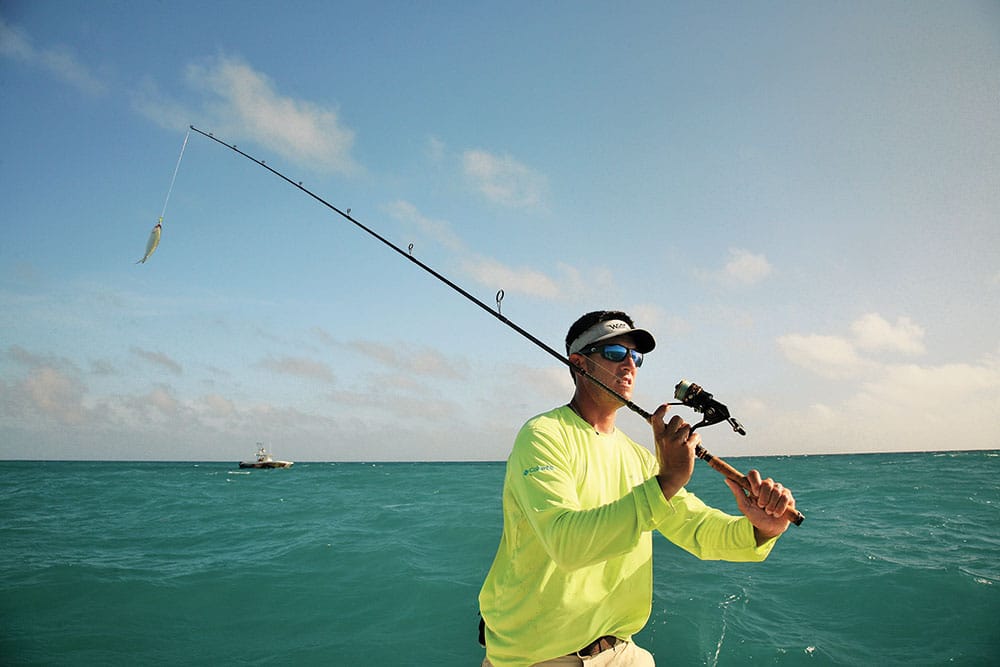
Have you ever stood by the water, rod in hand, unsure how to make the perfect cast? Casting a fishing rod might seem tricky at first, but with the right steps, you can master it quickly.
Imagine feeling confident every time you throw your line, reaching the spots where fish are waiting. In this guide, you’ll discover simple, clear tips that make casting easier and more effective. Ready to improve your fishing skills and catch more fish?
Keep reading, and you’ll learn exactly how to cast your fishing rod like a pro.
Choosing The Right Rod And Reel
Choosing the right fishing rod and reel is important for good casting. The right gear helps you cast further and with more control.
Understanding different types of rods and reels will guide your choice. This makes fishing easier and more fun.
Types Of Fishing Rods
Fishing rods come in many types. Each type fits different fishing styles and fish sizes.
Common rod types include spinning, baitcasting, and fly rods. Each offers a unique casting experience.
- Spinning rods:Good for beginners and light lures.
- Baitcasting rods:Best for heavy lures and precise casts.
- Fly rods:Used for fly fishing with light lines.
Selecting The Best Reel
Reels hold the fishing line and help control it during casting and retrieval. Choose a reel that fits your rod and fishing style.
There are spinning reels, baitcasting reels, and fly reels. Each type works best with specific rods.
- Spinning reels:Easy to use and good for light to medium fishing.
- Baitcasting reels:Offer accuracy and power for heavy fish.
- Fly reels:Simple design for fly fishing setups.
Matching Rod And Reel For Casting
Matching your rod with the right reel improves casting distance and control. Check the rod’s power and action to find a suitable reel.
For example, use a spinning reel with a spinning rod. Pair a baitcasting reel with a baitcasting rod. This balance helps you cast smoothly.
- Match rod type and reel type for best performance.
- Choose rod power that suits the fish you want to catch.
- Consider rod length and reel size for easy handling.

Credit: fishingbooker.com
Essential Casting Equipment
Good fishing starts with the right equipment. Casting well needs tools that match your style and target fish. This guide covers key gear to help you cast better.
Choosing the correct line, bait, and additional gear makes your fishing more effective. Each part has a role in successful casting and catching.
Choosing The Right Line
Your fishing line must fit the fish size and water conditions. Thin lines cast farther but may break easily. Thicker lines hold more weight but reduce distance.
- Monofilament lines are flexible and good for beginners.
- Fluorocarbon lines are nearly invisible underwater.
- Braid lines have high strength and low stretch.
Picking Suitable Bait And Lures
Use bait or lures that attract your target fish. Live bait works well for many species. Artificial lures mimic natural prey and can be reused.
| Bait Type | Best For | Notes |
| Worms | Trout, Panfish | Easy to find and use |
| Minnows | Bass, Pike | Keep alive for best effect |
| Spinnerbaits | Bass | Good for murky water |
| Soft Plastics | Various fish | Come in many shapes and colors |
Using Additional Gear
Extra tools help improve your casting and fishing experience. Items like weights and bobbers control how bait moves in water.
- Sinkers:Add weight to cast farther and keep bait deep.
- Bobbers:Keep bait at a set depth and signal bites.
- Swivels:Prevent line twist and connect different line types.
- Rod holders:Hold your rod steady while you wait.
Casting Basics
Casting a fishing rod well helps you place the bait where fish are. It takes practice to get it right.
Learn the basic steps: how to hold the rod, load it with tension, and release the line smoothly.
Proper Grip And Stance
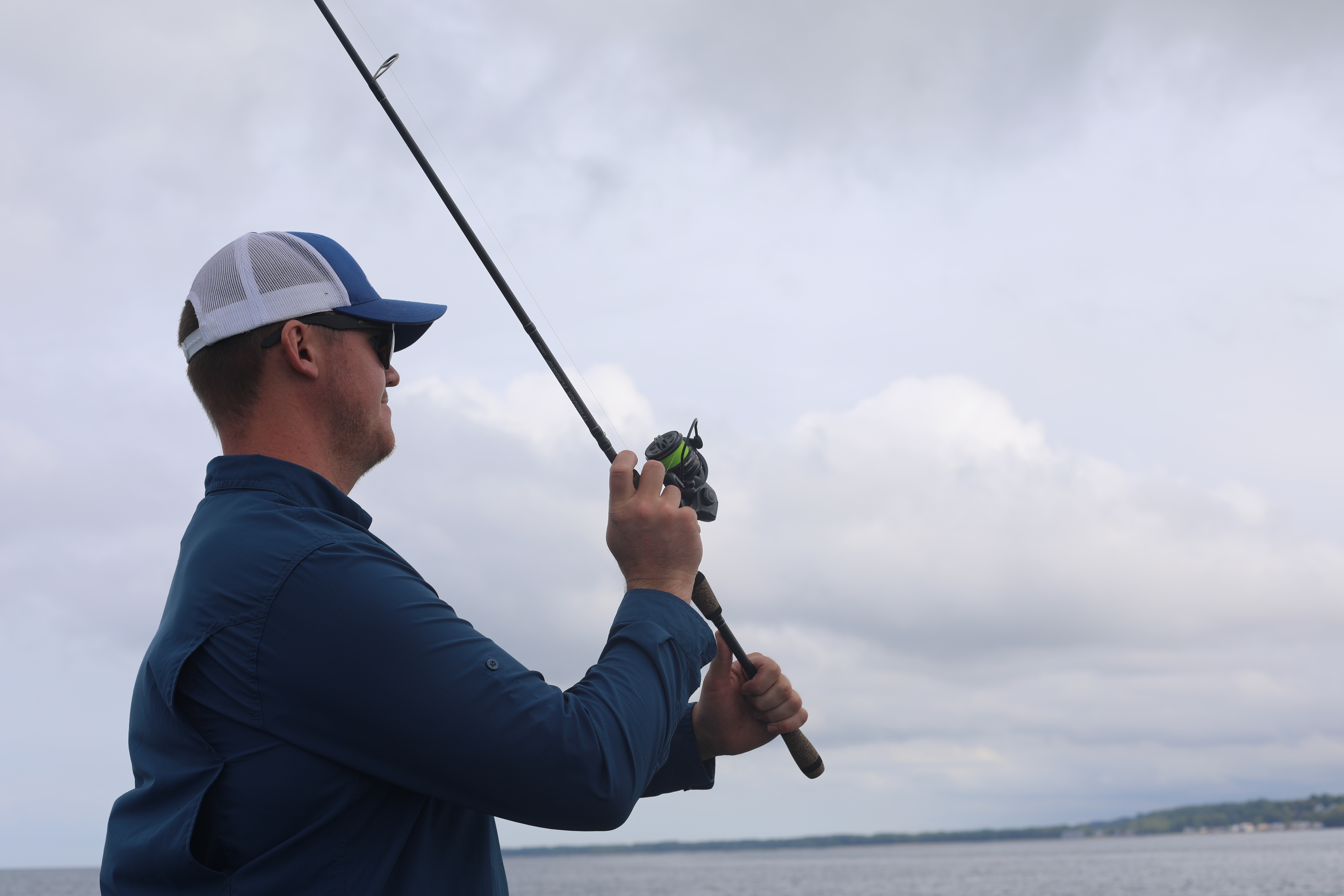
Hold the rod firmly but not too tight. Your thumb should rest on top of the handle. Stand with your feet shoulder-width apart for balance.
- Place your dominant hand on the rod handle
- Wrap your fingers around the handle comfortably
- Keep your elbow close to your body
- Stand with one foot slightly forward
- Keep knees slightly bent for stability
Loading The Rod
Loading the rod means bending it slightly by pulling back. This builds power for your cast.
| Action | Purpose |
|---|---|
| Pull rod tip back | Create tension in the rod |
| Keep line tight | Prevent slack and improve accuracy |
| Hold rod steady | Control direction of the cast |
Releasing The Line
Release the line smoothly at the right moment to send the bait far and straight.
- Bring the rod forward in a smooth motion
- Release the line by lifting your thumb off the spool
- Follow through with the rod tip pointing where you want the bait
- Keep your eyes on the bait landing spot
Common Casting Techniques
Casting a fishing rod well helps you catch more fish. It lets you place the bait where fish are.
There are different ways to cast. Each way suits different fishing spots and situations.
Overhead Cast
The overhead cast is the most common fishing cast. It sends the bait far out into the water.
To do this cast, lift the rod over your head. Then swing it forward and release the line.
- Hold the rod with both hands
- Pull the line back behind your head
- Swing the rod forward quickly
- Release the line at the right moment
- Follow through with the rod after release
Sidearm Cast
The sidearm cast is good for casting under trees or near obstacles. It keeps the line low and straight.
Hold the rod sideways and swing it parallel to the water. Release the line as the rod moves forward.
- Keep the rod low and to your side
- Pull the line back beside your body
- Swing the rod forward in a horizontal line
- Release the line smoothly
- Aim to keep the bait low over the water
Roll Cast
The roll cast is used when there is no room to pull the line back. It is helpful near banks or walls.
Start with the line on the water. Lift the rod to roll the line forward, then release it.
- Keep the line touching the water
- Lift the rod tip to pull the line up
- Move the rod forward in a smooth motion
- Let the line roll off the tip
- Release the line as it rolls forward
Tips For Accurate Casting
Accurate casting helps you catch more fish. It requires control and focus.
Learning how to adjust your cast improves your fishing experience. Small changes make a big difference.
Adjusting For Wind
Wind can push your line off target. You need to change your aim to compensate.
- Aim slightly into the wind to counteract drift.
- Use lighter lures on calm days for better control.
- On windy days, try heavier lures to keep the line stable.
- Keep your rod lower to reduce wind impact on the line.
Targeting Specific Spots
Focus on where fish hide. Aim your cast to reach those spots precisely.
| Spot | Fish Type | Casting Tip |
|---|---|---|
| Near rocks | Bass, Trout | Cast gently to avoid snags |
| Under trees | Catfish, Carp | Use side casts for better reach |
| Open water | Pike, Walleye | Aim for distance with smooth, strong casts |
Controlling Cast Distance
Control your cast length to reach fish safely. Use your rod’s power and your wrist.
- Pull the rod back less for short casts.
- Use a strong forward motion for longer casts.
- Adjust your wrist angle to fine-tune distance.
- Practice smooth casting to keep control.

Credit: www.aftco.com
Avoiding Common Mistakes
Casting a fishing rod can be tricky for beginners. Many make simple errors that reduce success. Learning to avoid these mistakes helps you cast better and catch more fish.
This guide covers three common problems: tangles and snags, overcasting and undercasting, and timing errors. Each section offers tips to improve your casting skills.
Tangles And Snags
Tangles happen when the fishing line twists or knots. Snags occur when the hook or lure catches on underwater obstacles. Both waste time and can scare fish away.
- Check the line regularly for twists or knots.
- Use a swivel to reduce line twisting.
- Avoid casting near rocks, weeds, or fallen trees.
- Release tension on the line slowly after casting.
- Practice smooth, controlled casting motions.
Overcasting And Undercasting
Overcasting sends the lure too far, often causing tangles or lost bait. Undercasting falls short and limits your fishing range. Both affect your chances of catching fish.
| Type | Cause | Effect |
| Overcasting | Too much force or fast rod movement | Line tangles, lost bait, poor accuracy |
| Undercasting | Too little force or slow rod movement | Short casting distance, fewer fishing spots |
Timing Errors
Good timing improves casting distance and accuracy. Poor timing causes weak casts or tangles. You must coordinate your rod movement with line release.
Follow these tips for better timing:
- Start with a slow rod lift and speed up smoothly.
- Release the line just as the rod reaches the highest point.
- Avoid jerky or rushed motions.
- Practice casting rhythm to build muscle memory.
Practice Drills To Improve
Improving your casting skills takes regular practice. Using focused drills helps you control your rod better.
Try different exercises to build accuracy and distance. Simulate real fishing to prepare for actual trips.
Casting Into Targets
Aim at fixed objects to improve your precision. This drill trains your eye and hand coordination.
- Place floating targets in water at various spots
- Use markers on the ground for dry practice
- Focus on smooth and controlled casts
- Try to hit the center of each target
- Adjust your power and angle based on distance
Distance Challenges
Practice casting your line as far as possible without losing control. This helps build strength and technique.
| Distance (feet) | Goal | Tip |
| 20-30 | Focus on form | Keep rod angle steady |
| 30-50 | Increase power | Use smooth acceleration |
| 50+ | Combine speed and control | Practice timing release |
Simulated Fishing Scenarios
Recreate common fishing situations to prepare for real catches. This drill improves your reaction and adaptability.
Try these scenarios during practice:
- Cast near a bush or tree to practice accuracy in tight spots
- Simulate casting upstream or downstream in a current
- Practice quick casts to catch moving targets
- Work on adjusting your cast for different weather conditions
Credit: www.fishusa.com
Frequently Asked Questions
How Do I Properly Hold A Fishing Rod?
To hold a fishing rod, grip it firmly with your dominant hand. Position your thumb on top and fingers underneath. Ensure your grip is comfortable and relaxed. Your index finger should be close to the reel. This positioning helps maintain control and accuracy when casting your fishing rod.
What Is The Best Way To Cast A Rod?
Start with the rod tip low, about waist height. Pull back smoothly, then flick forward with a wrist snap. Release the line at the peak of your forward cast. Practice makes perfect, so repeat the motion to improve accuracy and distance.
How Do I Avoid Tangles While Casting?
To avoid tangles, ensure your line is spooled correctly and check for twists. Use the right casting technique, maintaining a smooth motion. Regularly inspect and maintain your equipment. Proper handling and storage of your fishing line also helps prevent tangles.
What Is The Ideal Rod Length For Beginners?
For beginners, a rod length of 6 to 7 feet is ideal. This length offers a good balance between control and casting distance. It’s versatile for different fishing environments. Beginners can handle it easily, making it perfect for learning the basics of casting.
Conclusion
Casting a fishing rod takes practice and patience. Start slow and focus on your form. Keep your eyes on the target and control your movements. With time, your casts will become smoother and longer. Enjoy the process and have fun by the water.
Fishing is about relaxing and spending time outdoors. Keep practicing, and you will see progress soon. Stay safe and happy fishing!