Are you curious about how many watts your air conditioner uses? Understanding this can help you save money on your electricity bill and choose the right cooling system for your home.
You might think all air conditioners use the same power, but that’s not true. The wattage can vary a lot depending on the size and type of unit. You’ll discover the key facts about air conditioner wattage, how it affects your energy use, and simple tips to keep your cooling costs low.
Keep reading to take control of your comfort and your budget!

Credit: udpwr.com
Air Conditioner Power Basics
Air conditioners use power to cool indoor spaces. The amount of power they use is shown in watts.
Understanding watts helps you know how much energy your air conditioner needs to run.
What Watts Measure
Watts measure electrical power. It shows how much energy a device uses each second.
Higher watts mean the device uses more electricity. This affects your energy bill.
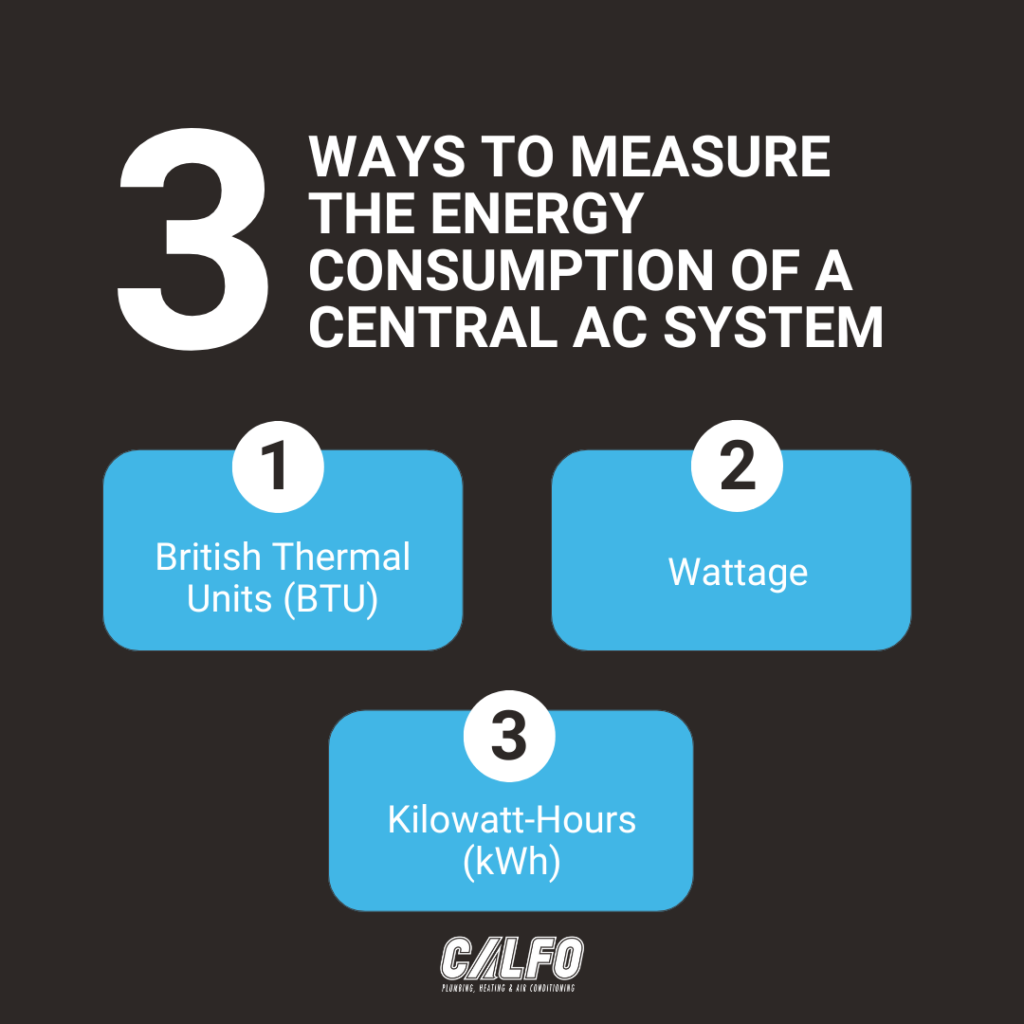
Watts Vs Btus
Watts measure electrical energy use. BTUs measure cooling power.
BTUs tell you how much heat the air conditioner removes from a room.
- Watts show energy consumption
- BTUs show cooling capacity
- Both help choose the right air conditioner
Factors Affecting Power Use
Several things change how many watts an air conditioner uses. Room size and insulation matter.
Settings and outside temperature also affect power use. Using a higher fan speed uses more power.
- Larger rooms need more power
- Poor insulation makes AC work harder
- Hot outside weather increases power use
- Higher cooling settings use more watts
Typical Wattage Ranges
Air conditioners use different amounts of power depending on their size and type. Knowing typical wattage helps you estimate energy use and costs.
This guide covers wattage ranges for small window units, portable air conditioners, and split or central systems.
Small Window Units
Small window air conditioners usually cool single rooms. They are compact and easy to install.
- Power ranges from 500 to 1500 watts
- Lower wattage units use less electricity but cool less space
- Higher wattage units can cool larger rooms more quickly
- Energy efficiency can vary between models
Portable Air Conditioners
Portable AC units offer flexibility and move easily between rooms. Their wattage depends on cooling capacity and features.
| Wattage | Cooling Capacity (BTU) |
|---|---|
| 800 – 1400 W | 8000 – 10000 BTU |
| 1400 – 1800 W | 10000 – 14000 BTU |
| 1800 – 2200 W | 14000 – 18000 BTU |
Split And Central Systems
Split and central air systems cool whole homes. They use more power but work efficiently for large spaces.
Typical wattage ranges for these systems include:
- Split systems: 1000 to 4000 watts
- Central systems: 2000 to 5000 watts or more
- Energy efficiency ratings affect exact power use
- Regular maintenance keeps power use lower
Calculating Your Ac’s Wattage
Knowing how many watts your air conditioner uses helps you manage energy costs. Wattage shows how much electricity the AC needs to run.
You can find your AC’s wattage by checking labels, using tools, or estimating from BTU ratings.
Reading The Energy Label
Most air conditioners have an energy label showing power use. This label usually lists watts or amps and volts.
Look for the “Input Power” or “Power Consumption” section. It tells you the wattage directly or lets you calculate it.
- If watts are listed, use that number.
- If amps and volts are listed, multiply them to get watts (Watts = Amps × Volts).
- Check if the numbers are for running or starting power.
Using Power Meters
Power meters plug between your AC and the outlet. They measure how many watts the AC uses in real time.
This method shows actual power use, which can change with settings and room temperature.
- Plug the meter into the wall socket.
- Plug your AC into the meter.
- Turn on the AC and check the meter display for watts.
- Record the watts while the AC runs at different settings.
Estimating From Btu Ratings
BTU measures how much heat the AC can remove in one hour. You can estimate watts from BTU numbers.
Divide the BTU by the Energy Efficiency Ratio (EER) to get watts.
- Wattage = BTU ÷ EER
- Example: 12,000 BTU ÷ 10 EER = 1,200 watts
- If you don’t know EER, use 9 to 12 as a common range.
Credit: www.renogy.com
Energy Efficiency And Watts
Air conditioners use watts to measure how much energy they need. Knowing watts helps you find an energy-efficient model. This saves money and reduces power use.
Understanding energy ratings shows how well an air conditioner uses electricity. This guide explains EER and SEER ratings, their impact on bills, and tips to choose saving models.
Eer And Seer Ratings
EER means Energy Efficiency Ratio. It shows cooling output per watt at a set temperature. SEER means Seasonal Energy Efficiency Ratio and measures efficiency over a cooling season.
- EER measures performance at 95°F outside temperature.
- SEER averages efficiency in various weather conditions.
- Higher EER or SEER means less electricity used for cooling.
Impact On Electricity Bills
Watts determine how much power an air conditioner uses. Higher watts mean more electricity and bigger bills. Choosing a model with good EER or SEER lowers costs.
| Model Type | Power Usage (Watts) | Estimated Monthly Cost |
| Low Efficiency | 1500 W | $100 |
| Medium Efficiency | 1200 W | $80 |
| High Efficiency | 900 W | $60 |
Choosing Energy-saving Models
Look for air conditioners with high EER or SEER ratings to save energy. Consider these tips to pick efficient models:
- Check the Energy Star label for verified efficiency.
- Pick units that fit your room size to avoid extra power use.
- Use programmable thermostats to control cooling time.
- Maintain your AC regularly for best performance.
Reducing Ac Power Consumption
Air conditioners use a lot of electricity. Lowering their power use saves money and energy.
You can reduce power consumption by adjusting settings and maintaining your AC properly.
Optimal Temperature Settings
Setting your air conditioner to the right temperature lowers power use. The best temperature is usually around 24-26°C (75-78°F).
- Keep AC temperature not too cold
- Use fans to help air circulate
- Avoid frequent temperature changes
- Close doors and windows while AC runs
Maintenance Tips
Regular maintenance keeps your AC efficient. Clean parts work better and use less power.
| Maintenance Task | Frequency |
| Clean or replace filters | Every 1-2 months |
| Check refrigerant levels | Yearly |
| Clean coils and fins | Yearly |
| Inspect ducts for leaks | Yearly |
Using Smart Thermostats
Smart thermostats learn your schedule and adjust the AC to save power. They avoid cooling empty rooms.
- Set temperature remotely via phone
- Use scheduling to lower cooling when away
- Receive alerts for high energy use
- Monitor and adjust settings easily

Credit: aurorasolar.com
Power Requirements For Installation
Air conditioners use different amounts of power depending on their size. Knowing the power needs helps you install the right electrical setup.
Proper power supply avoids damage and keeps your air conditioner running well and safely.
Circuit And Outlet Specifications
Most air conditioners need a dedicated circuit to work safely. This means the circuit is only for the AC unit.
The outlet should match the AC unit’s voltage and amperage needs. Check the label on your air conditioner to find this information.
- Small units usually use 115 volts and 15-20 amps
- Larger units may require 230 volts and 30-50 amps
- Use a properly rated circuit breaker to match the load
- Outlets must be grounded for safety
Surge Protection Needs
Power surges can damage your air conditioner’s electrical parts. Surge protectors help prevent this damage.
Installing a surge protector near the AC unit is a good idea. It protects the unit from sudden voltage spikes.
- Use a surge protector rated for your air conditioner’s voltage
- Whole-house surge protectors offer extra security
- Check surge protector regularly to ensure it works properly
Professional Installation Advice
Hire a licensed electrician for air conditioner installation. They know how to handle power requirements safely.
Professionals ensure the wiring, circuit, and surge protection meet local codes. This keeps your home safe.
- Verify the electrician’s license and experience
- Ask for an inspection after installation
- Follow all manufacturer instructions for power setup
Future Trends In Ac Power Usage
Air conditioner power use will change with new technology. These changes help save energy and cut costs.
We will look at inverter technology, solar-powered ACs, and smart home integration to see the future of AC power.
Inverter Technology
Inverter ACs adjust their compressor speed to save power. They use only the energy needed to keep the room cool.
- Lower electricity bills
- Less power used during startup
- Quieter operation
- Longer lifespan for the AC
Solar-powered Air Conditioners
Solar-powered ACs use sunlight to run. They reduce dependence on the electric grid and cut energy costs.
| Type | Power Source | Energy Cost |
| Standard AC | Electric Grid | High |
| Solar AC | Solar Panels | Low to None |
| Hybrid AC | Solar + Grid | Moderate |
Smart Home Integration
Smart ACs connect to home systems. They learn your schedule and adjust settings to save energy.
- Control AC from phone or voice
- Set timers to avoid wasting power
- Track energy use with apps
- Automatic temperature adjustments
Frequently Asked Questions
How Many Watts Does A Typical Air Conditioner Use?
A typical air conditioner uses between 500 to 3500 watts. The exact wattage depends on the unit’s size and efficiency. Smaller window units might use around 500 watts, while larger central systems can use up to 3500 watts.
Do Larger Air Conditioners Consume More Watts?
Yes, larger air conditioners generally consume more watts. Larger units have higher cooling capacities, requiring more energy. This increased energy use results in higher wattage. It’s important to choose the right size for your space to ensure efficiency.
How Can I Reduce Air Conditioner Watt Usage?
You can reduce watt usage by maintaining your unit regularly. Clean or replace filters monthly to improve efficiency. Use a programmable thermostat to optimize cooling schedules. Ensuring proper insulation also helps reduce energy consumption.
What Affects An Air Conditioner’s Watt Consumption?
Several factors affect watt consumption, including the unit’s size, efficiency rating, and usage habits. Environmental factors like ambient temperature also play a role. Regular maintenance and proper insulation can help manage energy use effectively.
Conclusion
Knowing how many watts an air conditioner uses helps you plan energy costs. Watts depend on the AC’s size and type. Smaller units use fewer watts, while bigger ones need more power. Check the label to find the exact wattage.
Saving energy means choosing the right AC for your space. Understanding wattage also helps avoid overloading your electrical system. Keep these points in mind to stay cool without high bills. Simple steps make a big difference in energy use and comfort.