Have you ever wondered if it’s illegal to ride a bike without a helmet? You might think it’s just a safety tip, but the rules around helmets can be surprising—and they vary depending on where you live.
Knowing the law isn’t just about avoiding fines; it’s about protecting yourself and staying safe on the road. Keep reading to find out what the law really says about biking without a helmet and how it affects you every time you ride.
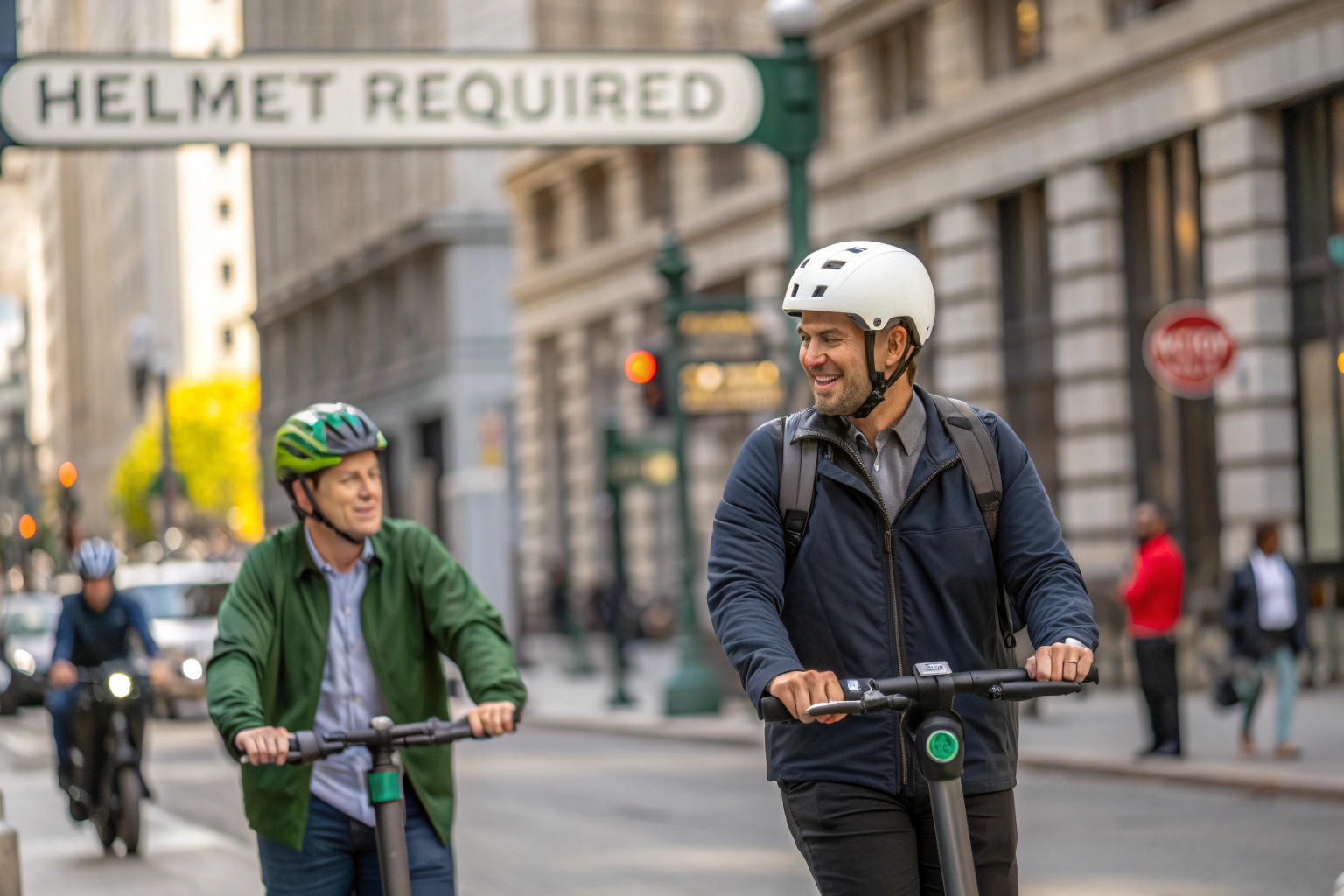
Credit: dynamicscooter.com
Helmet Laws Worldwide
Helmet laws for bike riders vary a lot around the world. Some countries require helmets for all riders. Others do not have any rules about helmets.
Understanding these laws is important for safety and to avoid fines. This article looks at where helmets are mandatory, where they are not, and special age rules.
Countries With Mandatory Helmet Laws
Many countries have laws that require all bike riders to wear helmets. These rules help reduce head injuries in crashes. Countries enforce these laws with fines or penalties.
- Australia
- New Zealand
- Japan
- Chile
- South Africa
- Parts of the United States (some states)
These countries often require helmets for all riders, regardless of age. They may also have rules for bike passengers.
Regions Without Helmet Requirements
Some regions do not have helmet laws for bike riders. In these places, wearing a helmet is optional. Riders decide if they want extra protection.
- Many parts of Europe, like the Netherlands and Denmark
- Some states in the USA
- Certain areas in Canada
These areas often focus on safe bike paths and other safety measures instead of helmet laws.
Age-specific Helmet Rules
Some countries require helmets only for riders under a certain age. Adults may not need to wear helmets in these places.
| Country/Region | Helmet Required For | Age Limit |
|---|---|---|
| United Kingdom | Children | Under 14 years |
| Canada (varies by province) | Children and teens | Under 18 years in some provinces |
| United States (varies by state) | Children | Under 16-18 years depending on state |
These rules help protect young riders who are more vulnerable. Adults can choose to wear a helmet for safety.
Legal Consequences Of Riding Without Helmet
Riding a bike without a helmet can lead to serious legal problems. Many places have laws requiring helmets for safety.
Breaking these laws may cause fines, affect insurance, and increase legal risks in accidents.
Fines And Penalties
Many regions impose fines if you ride without a helmet. The amount can vary by location and age of the rider.
Police may stop you and issue a ticket for not wearing proper safety gear.
- Fines can range from small fees to large penalties
- Some areas add points to your driving record
- Repeated offenses may lead to higher fines or other punishments
Impact On Insurance Claims
Not wearing a helmet can affect your insurance claims after a crash. Insurers may reduce or deny payments.
This happens because you did not follow safety laws, which can be seen as negligence.
- Insurance may cover less medical costs
- Claims for damages might be declined
- You could face higher premiums later
Effect On Legal Liability In Accidents
Riding without a helmet can increase your legal liability if you cause or are in an accident.
Court may see you as partly responsible for injuries because you ignored safety rules.
- You might pay more in damages to others
- Your compensation for injuries could be lowered
- Legal cases can become more complicated and costly
Safety Benefits Of Wearing Helmets
Wearing a helmet while riding a bike helps protect your head in case of a fall or crash. Helmets reduce the chance of serious injuries and save lives.
Many people ask if it is illegal to ride a bike without a helmet. Laws vary, but the safety benefits of wearing helmets are clear everywhere.
Reduction In Head Injuries
Helmets protect the skull and brain during accidents. They absorb the impact and reduce the force that reaches the head.
Riders without helmets have a higher risk of severe head injuries. Wearing a helmet greatly lowers this risk and can prevent life-threatening damage.
Statistics On Helmet Effectiveness
Studies show helmets reduce the chance of head injury by about 60%. They also lower the risk of brain injury by nearly 70%.
- Helmets cut the chance of death by 37%
- Children who wear helmets have fewer hospital visits
- Helmet laws increase helmet use and reduce injuries
Types Of Helmets And Protection Levels
There are different helmets for various types of biking. Each offers different protection levels based on design and materials.
- Road Bike Helmets:Lightweight with good ventilation, protect from head impacts.
- Mountain Bike Helmets:Stronger shell and more coverage for rough terrain.
- Full-Face Helmets:Cover the whole head and face, used in downhill biking.
- Urban Helmets:Stylish and safe, good for city riding.
Choosing the right helmet and wearing it correctly increases safety. Check for helmets that meet safety standards in your country.
Common Myths About Helmet Laws
Many people believe false things about wearing bike helmets. These myths can stop riders from using helmets. It is important to know the facts about helmet laws.
This article clears up some common myths. Knowing the truth helps keep riders safe on the road.
Helmets Limit Visibility And Hearing
Some say helmets block your view or ears. This is not true. Modern helmets are made to keep your senses sharp.
- Helmets have open designs to allow good sight.
- They do not cover ears fully, so hearing stays clear.
- Many helmets include vents for fresh air and sound.
Only Novice Riders Need Helmets
Some think only new riders should wear helmets. But every rider, no matter skill level, can get hurt in a fall or crash.
| Rider Type | Helmet Need |
| Beginner | Strongly Recommended |
| Experienced | Always Important |
| Professional | Required in Races |
Helmets Are Uncomfortable And Unnecessary
Many riders avoid helmets because they think helmets are hot or heavy. This is a myth. Helmets today are light and well-made.
Reasons helmets are comfortable:
- Use of soft padding inside
- Good air flow keeps head cool
- Adjustable straps for perfect fit
Personal Freedom Vs Public Safety
Riding a bike without a helmet raises questions about personal freedom and safety. Some people want to choose what to wear. Others want to keep riders safe.
This topic creates a debate between individual rights and public health rules. Let’s look at the main views on helmet laws.
Arguments For Helmet Mandates
Helmet laws aim to reduce injuries and save lives. Supporters say helmets protect the head during crashes. This can lower medical costs and help communities.
- Helmets reduce head injuries by up to 85%
- Lower hospital bills for accident victims
- Protect children who may not understand risks
- Encourage safer biking habits
Opposition Perspectives
Some riders feel helmet laws limit their freedom. They believe adults should decide for themselves. Some argue helmets make biking less fun or comfortable.
| Concern | Explanation |
| Personal Choice | Adults want to choose their own safety gear. |
| Comfort | Helmets can feel hot or heavy in warm weather. |
| False Security | Some think helmets may cause reckless riding. |
| Enforcement | Helmet laws can be hard to enforce fairly. |
Balancing Safety And Individual Rights
Finding a middle ground is important. Safety rules protect many, but personal freedom is a core value in society. Some places use different rules for adults and children.
Ideas to balance both sides:
- Require helmets for children but not adults
- Promote helmet use through education, not fines
- Offer incentives for wearing helmets voluntarily
- Improve bike lanes and traffic laws for safety
Helmet Use In Different Riding Scenarios
Riding a bike without a helmet is a safety risk. Laws about helmet use vary by place and situation.
Understanding when and where to wear a helmet helps keep riders safe. Different riding scenarios affect helmet rules.
Urban Vs Rural Riding
Helmet laws often differ between cities and countryside areas. Urban areas usually have stricter helmet rules.
Rural roads can be less busy but may have higher speeds. Some places require helmets everywhere, others only in cities.
- Urban: Helmets usually mandatory to reduce injury risk.
- Rural: Some regions have relaxed rules, but helmets still protect.
- Always check local laws before riding.
Casual Vs Competitive Biking
Casual riders may not always wear helmets. Competitive biking events often require helmets by rule.
Racing and mountain biking have more risks, so helmets are essential. Casual riders should also wear helmets for safety.
- Casual: Helmet use depends on local laws and personal choice.
- Competitive: Helmets usually required for all events.
- Helmets protect from falls and crashes in all biking types.
Children And Helmet Use
Many places have strict helmet laws for children. Kids’ heads are more vulnerable to injury.
Parents should always make children wear helmets. It builds good safety habits early on.
- Helmet laws for children are common and often strict.
- Proper fit is important for effective protection.
- Encourage children to wear helmets every time they ride.
Tips For Choosing The Right Helmet
Wearing a helmet is key to staying safe while riding a bike. Picking the right helmet protects your head well.
Look closely at the helmet’s quality and fit before buying. This guide helps you choose the best one.
Certification Standards To Look For
Check if the helmet meets safety standards. Certified helmets pass tests for impact and protection.
- CPSC (Consumer Product Safety Commission) is common in the US.
- Snell certification means the helmet passed strict tests.
- DOT certification is used for motorcycle helmets but can apply to some bike helmets.
- Look for EN 1078 if you are in Europe.
Proper Fit And Comfort
A helmet must fit snugly but feel comfortable. A loose helmet won’t protect well.
| Fit Area | How to Check |
| Head Size | Measure with a soft tape around the largest part of your head |
| Strap Adjustment | Straps should form a V under your ears and fasten tightly |
| Comfort Padding | Look for soft pads that can be removed and washed |
Maintenance And Replacement Guidelines
Keep your helmet clean and check it often for damage. Replace it if it shows signs of wear.
- Clean the helmet with mild soap and water only.
- Do not use strong chemicals or solvents.
- Replace the helmet after any crash, even if it looks fine.
- Change the helmet every 3 to 5 years due to material wear.

Credit: greensafaris.com

Credit: www.sacbee.com
Frequently Asked Questions
Is Wearing A Helmet Mandatory For Cyclists?
In many regions, wearing a helmet while cycling is mandatory, especially for minors. Helmet laws vary by location. Some places impose fines for non-compliance. Always check local regulations to ensure safety and adherence to the law. Wearing a helmet significantly reduces the risk of head injuries.
What Are The Penalties For Not Wearing A Helmet?
Penalties for not wearing a helmet can include fines and warnings. The exact penalty depends on local laws and regulations. In some areas, cyclists without helmets may face higher insurance premiums or other consequences. Always ensure compliance with local helmet laws to avoid penalties.
Do Helmet Laws Vary By State Or Country?
Yes, helmet laws vary by state and country. Some places have strict regulations, while others are more lenient. For instance, some regions mandate helmets for all ages, while others focus on minors. It’s essential to research local laws before cycling without a helmet.
Are There Exceptions To Helmet Laws?
Some regions offer exceptions to helmet laws for religious or cultural reasons. In certain places, adults may choose not to wear helmets. However, these exceptions vary widely. Always verify local regulations and exceptions to ensure compliance and safety while cycling.
Conclusion
Riding a bike without a helmet can be risky and may break the law. Many places require helmets to keep riders safe. Wearing one helps protect your head from injuries. Laws differ by area, so check local rules before riding.
Staying safe should always be the top priority. A helmet is a simple, effective way to protect yourself. Remember, safety first means fewer accidents and better rides. Choose to wear a helmet every time you ride your bike.