Have you ever wondered what makes your room air conditioner cool the air so quickly? Understanding how your air conditioner works can help you use it better and even save on energy bills.
You’ll discover the simple science behind room air conditioners and how they keep your space comfortable, even on the hottest days. Keep reading, and you might be surprised at how easy it is to optimize your cooling and enjoy a fresher, cooler room all year round.
Credit: www.lennox.com
Basic Principles Of Cooling
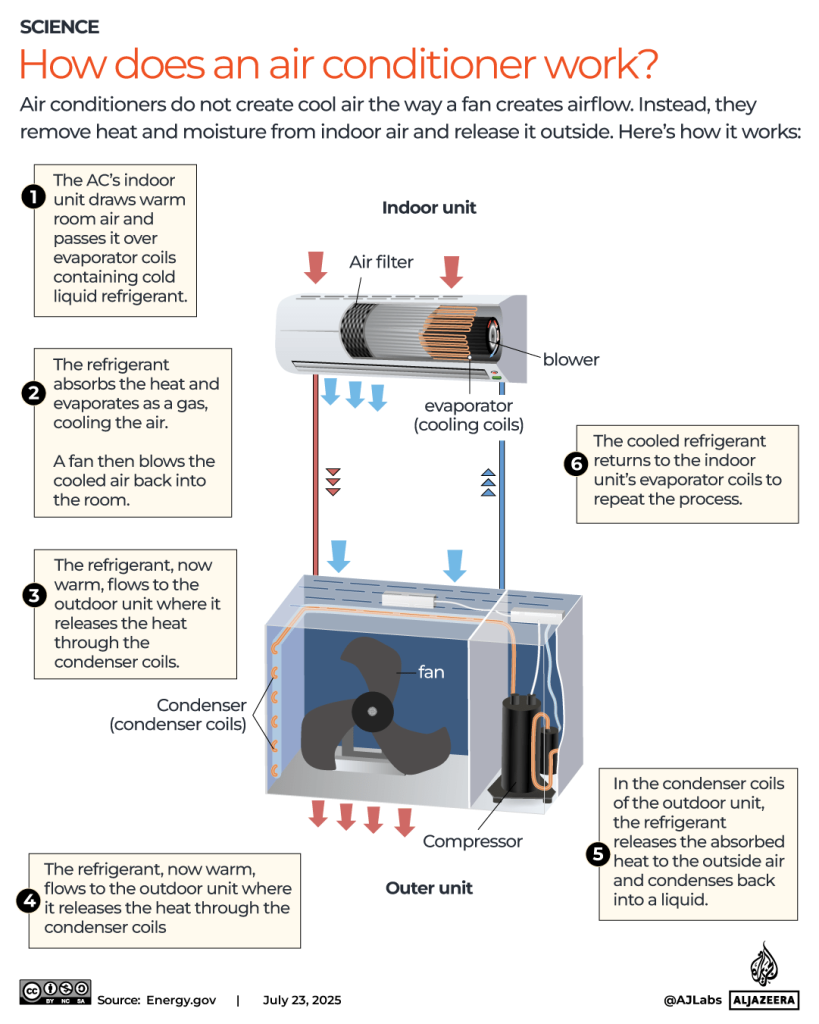
Room air conditioners cool indoor air by removing heat. They use a cycle to move heat from inside to outside.
This process keeps rooms comfortable by lowering the temperature and reducing humidity.
Heat Transfer Basics
Heat moves from warmer areas to cooler areas naturally. Air conditioners use this to cool rooms.
The unit pulls warm air inside and moves the heat outside. This leaves cooler air inside the room.
- Warm indoor air is drawn into the air conditioner
- Heat is absorbed from the air by a cooling coil
- Heat is released outside through another coil
- Cooled air is blown back into the room
Role Of Refrigerants
Refrigerants are special fluids that carry heat. They change from liquid to gas and back to move heat.
The refrigerant absorbs heat inside the room and releases it outside. This cycle keeps the room cool.
- Refrigerant evaporates inside the cooling coil to absorb heat
- It turns into gas and moves to the outside coil
- The gas cools and changes back to liquid outside
- This process repeats to keep removing heat from the room
Key Components Of Room Acs
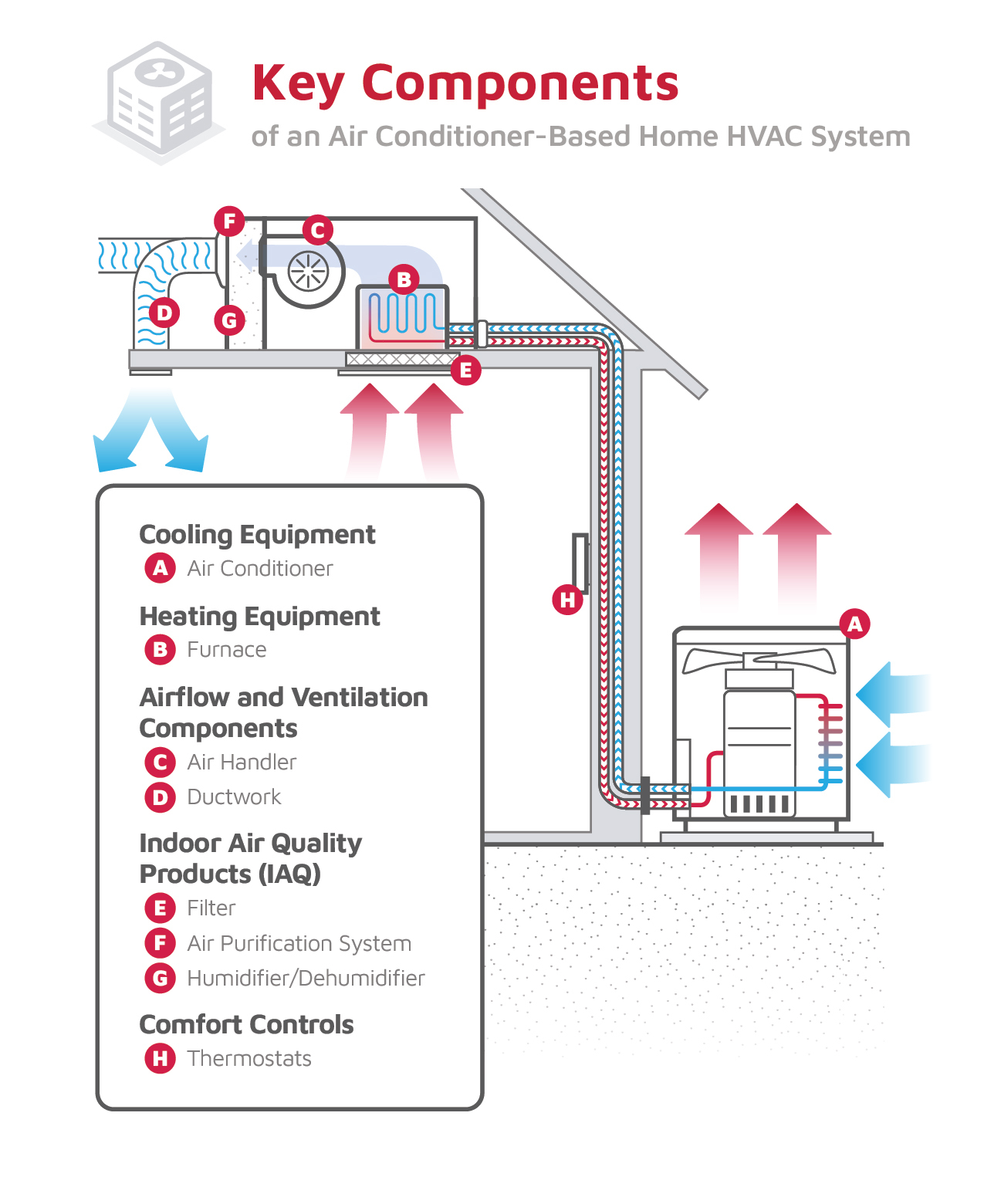
Room air conditioners cool a room by moving heat from inside to outside. They use several parts to do this job well. Each part works together to keep the air cool and comfortable.
Understanding the key components helps you know how your AC works. It also helps with basic troubleshooting and care.
Compressor Function
The compressor is the heart of the room AC. It pumps the refrigerant through the system. It raises the pressure and temperature of the refrigerant gas.
The compressor takes low-pressure refrigerant gas from the evaporator coil. It compresses the gas into a high-pressure, hot gas. This gas then moves to the condenser coil.
Evaporator And Condenser Coils
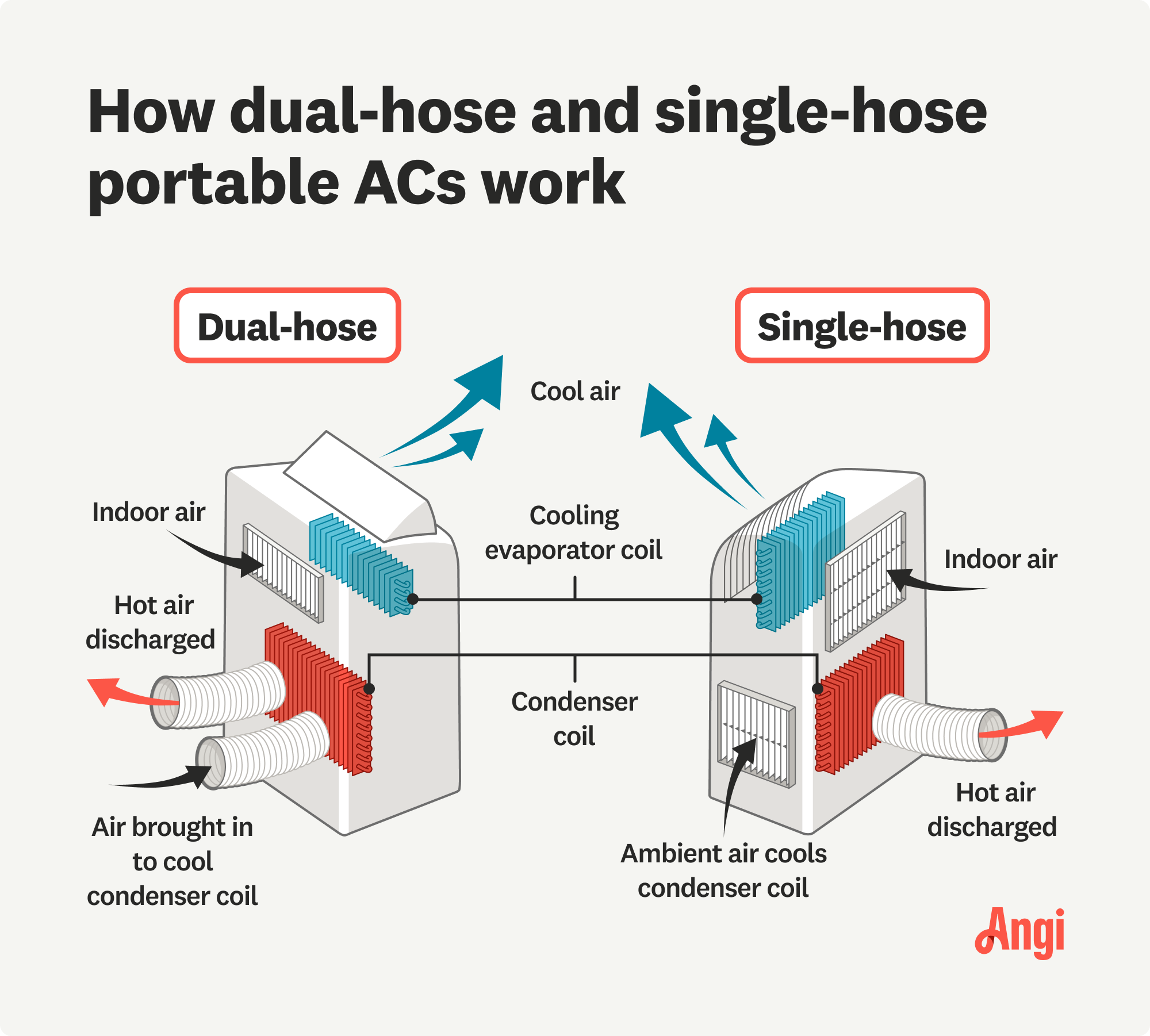
The evaporator coil absorbs heat from the room air. The refrigerant inside the coil evaporates, turning from liquid to gas. This cools the air that blows back into the room.
The condenser coil releases heat outside. The refrigerant gas cools down and turns back into liquid here. This happens as the outside fan blows air over the coil.
- Evaporator coil cools indoor air
- Condenser coil releases heat outside
- Both coils help change refrigerant form
Expansion Valve Purpose
The expansion valve controls refrigerant flow into the evaporator coil. It lowers the pressure of the refrigerant liquid. This helps the refrigerant evaporate and absorb heat.
The valve keeps the right amount of refrigerant moving. This makes the cooling process efficient. It prevents too much or too little refrigerant from entering the evaporator.
The Cooling Cycle Explained
Room air conditioners cool your room by moving heat outside. They use a special cycle to do this. This cycle has four main phases.
Each phase changes the refrigerant to help remove heat and cool the air inside your room.
Compression Phase
The cycle starts with the compressor. It squeezes the refrigerant gas, raising its pressure and temperature. This makes the gas very hot.
The hot gas then moves to the next phase to release heat outside the room.
Condensation Phase
In this phase, the hot gas flows through coils outside. The gas cools down and turns into a liquid. This process is called condensation.
Heat leaves the refrigerant and goes outside, making the outdoor air warmer.
- Hot gas cools down
- Changes to liquid
- Releases heat outside
Expansion Phase
The liquid refrigerant passes through an expansion valve. This valve lowers its pressure quickly. The liquid cools down a lot during this process.
The cold refrigerant is now ready to absorb heat inside the room.
Evaporation Phase
The cold liquid moves through coils inside the room. It absorbs heat from the indoor air and evaporates into gas again.
This makes the room air cooler and the refrigerant ready to start the cycle again.
- Liquid absorbs heat inside
- Changes back to gas
- Cools the room air
Credit: www.angi.com
Air Circulation Inside The Room
Room air conditioners keep a room cool by moving air inside it. The air moves in a cycle, helping the room stay fresh and comfortable.
This air movement happens in two main ways: air intake and air exhaust. Fans play a key role in making this cycle work well.
Intake And Exhaust Process
The air conditioner pulls warm air from the room inside. This is called the intake process. The warm air passes over cold coils inside the unit.
After the air cools down, it flows back into the room. The unit also pushes hot air outside. This is the exhaust process. It removes heat from the room.
- Warm air enters the air conditioner
- Air cools by passing over cold coils
- Cool air returns to the room
- Hot air is pushed outside
Role Of Fans
Fans help move air through the air conditioner. One fan pulls warm air from the room into the unit. Another fan pushes hot air outside.
Fans keep air flowing smoothly. They make sure cool air spreads evenly in the room. Without fans, the air would not move well and the room would stay warm.
Energy Efficiency Factors
Room air conditioners use energy to cool indoor spaces. Efficiency depends on several factors. Understanding these helps save power and reduce bills.
Two key areas that affect energy use are SEER ratings and regular maintenance. Both play a big role in how well your air conditioner performs.
Seer Ratings
SEER stands for Seasonal Energy Efficiency Ratio. It measures how much cooling a unit provides for each unit of energy used. The higher the SEER, the better the efficiency.
| SEER Rating | Energy Use | Cost Impact |
| 10 – 13 | Low to Moderate | Lower upfront cost, higher bills |
| 14 – 16 | Good | Balanced cost and efficiency |
| 17 and above | High | Higher initial cost, low bills |
Maintenance Tips
Keeping your air conditioner clean and well-tuned helps it run efficiently. Simple tasks can improve performance and lower energy use.
- Clean or replace air filters every 1-3 months
- Clear debris from outdoor units regularly
- Check and seal duct leaks
- Schedule professional tune-ups yearly
- Keep thermostat settings steady
Common Problems And Fixes
Room air conditioners help keep rooms cool and comfortable. Sometimes, they stop working properly. Knowing common problems and how to fix them saves time and money.
Many issues can be fixed with simple checks. This guide covers refrigerant leaks, clogged filters, and thermostat problems.
Refrigerant Leaks
Refrigerant leaks reduce cooling power. The air conditioner may run longer but not cool enough. Leaks can also damage the unit.
Signs of leaks include hissing sounds and oily spots near pipes. Fixing leaks needs a professional technician. They will find the leak and refill refrigerant safely.
Clogged Filters
Dirty filters block airflow. This makes the AC less efficient and can cause it to freeze. Clean filters improve air quality and cooling.
- Turn off the AC before cleaning.
- Remove the filter from the unit.
- Wash the filter with warm, soapy water.
- Let the filter dry completely before reinstalling.
- Clean filters every month during heavy use.
Thermostat Issues
A faulty thermostat causes wrong temperature readings. The AC may not turn on or off at the right time. This wastes energy and causes discomfort.
| Problem | Possible Fix |
| Thermostat not turning on AC | Replace batteries or reset thermostat |
| Wrong temperature reading | Recalibrate or replace thermostat |
| Thermostat not responding | Check wiring or get a technician |
Innovations In Room Ac Technology
Room air conditioners have changed a lot in recent years. New technology makes them smarter and better for the environment. These changes help save energy and improve comfort.
We will look at three key innovations: smart controls, eco-friendly refrigerants, and inverter technology. Each one helps room ACs work more efficiently.
Smart Controls
Smart controls let users adjust their air conditioners easily. Many ACs now connect to Wi-Fi and mobile apps. This feature allows you to control the temperature from anywhere.
- Set schedules to save energy
- Control AC using voice commands
- Receive alerts for maintenance
- Monitor energy use in real time
Eco-friendly Refrigerants
Older refrigerants harm the environment by damaging the ozone layer. New room ACs use safer refrigerants that reduce greenhouse gas emissions. These gases have low global warming potential.
| Refrigerant Type | Global Warming Potential (GWP) |
| R-22 (Old) | 1810 |
| R-410A (Common) | 2088 |
| R-32 (New) | 675 |
| R-290 (Natural) | 3 |
Inverter Technology
Inverter technology controls the speed of the AC compressor. This control keeps the temperature steady and uses less energy. It also reduces noise and wear on the unit.
- Adjusts cooling power based on room temperature
- Consumes up to 30% less electricity
- Extends the life of the air conditioner
- Provides faster cooling than traditional units
Credit: www.dreo.com
Frequently Asked Questions
How Do Room Air Conditioners Cool A Space?
Room air conditioners cool by extracting heat and moisture. They use a refrigeration cycle to transfer heat outside. This process involves a compressor, condenser, and evaporator. The unit pulls in warm air, cools it, and circulates it back into the room.
This cycle continues to maintain a comfortable temperature.
What Is The Role Of The Compressor In Ac?
The compressor plays a crucial role in air conditioning. It compresses refrigerant, increasing its pressure and temperature. This hot refrigerant then moves to the condenser, where it releases heat. By doing so, the compressor helps circulate refrigerant and maintain the cooling cycle.
Why Is Refrigerant Important In Air Conditioners?
Refrigerant is essential for cooling in air conditioners. It absorbs heat from indoor air and releases it outside. This cycle repeats to maintain a cool environment. Without refrigerant, the air conditioner cannot effectively transfer heat, rendering it ineffective.
How Do Thermostats Regulate Room Temperature?
Thermostats control the room temperature by regulating the AC’s operation. They detect the current temperature and compare it to the desired setting. If the room is too warm, the thermostat signals the AC to start cooling. Once the desired temperature is achieved, it turns the AC off.
Conclusion
Room air conditioners cool your space by moving heat outside. They use a simple cycle with refrigerant to absorb warmth. The fan helps spread cool air inside the room. Understanding this helps you use your AC better. It also makes maintenance easier and keeps your unit lasting longer.
Remember to clean filters regularly for best performance. Small steps lead to a cooler, more comfortable home. Knowing how your AC works saves energy and money too. A smart way to stay cool all summer long.