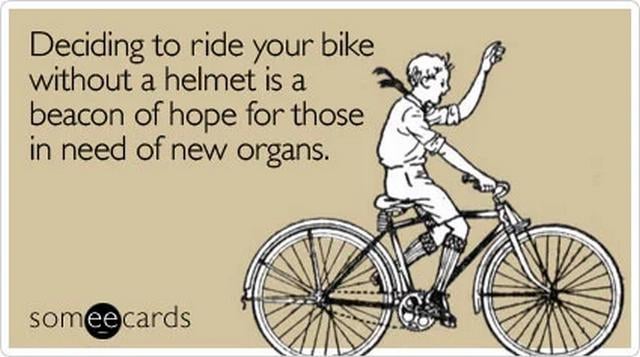
Are you wondering if you can ride your bike without wearing a helmet? You might think it’s just a personal choice or that it’s safer to go without one.
But the truth is, the rules about biking without a helmet can be tricky and vary depending on where you live. You’ll discover what the law really says about riding without a helmet, why it matters for your safety, and what could happen if you ignore the rules.
Keep reading to find out everything you need to know before you hit the road.
Helmet Laws By Region
Helmet laws for bike riders differ around the world. Some places require helmets by law. Others have no rules about helmets.
Understanding these laws can help cyclists stay safe and follow local rules. Let’s look at helmet laws in different regions.
Countries With Mandatory Helmet Laws
Many countries require bike riders to wear helmets. These laws aim to reduce head injuries in accidents. Some countries have rules for all riders, others only for certain age groups.
- Australia: Helmet use is required for all cyclists nationwide.
- New Zealand: All riders must wear helmets by law.
- Spain: Helmets are mandatory outside urban areas.
- Chile: All cyclists must wear helmets.
- France: Children under 12 must wear helmets.
Regions Without Helmet Requirements
Some places do not have laws requiring helmets. Cyclists can choose to wear helmets or not. Safety groups still encourage helmet use.
- United Kingdom: No law requires helmets, but they are recommended.
- Most of the United States: Helmet laws vary by state; many have no universal requirement.
- Netherlands: No helmet laws due to strong cycling culture and safety infrastructure.
- Denmark: No mandatory helmet laws, but helmets are popular.
Variations Within Countries
Some countries have different helmet laws in regions or states. Laws may apply only to certain ages or types of cycling.
| Country | Region/State | Helmet Law Details |
|---|---|---|
| United States | California | Helmets required for riders under 18 years old. |
| United States | New York | Helmets required for riders under 14 years old. |
| Canada | British Columbia | All cyclists must wear helmets. |
| Canada | Ontario | Helmets required for riders under 18 years old. |

Credit: www.greensafaris.com
Safety Benefits Of Wearing Helmets
Wearing a helmet while riding a bike is important for safety. It helps protect your head from injuries in accidents.
Helmets reduce the risk of serious harm and can save lives. They are a simple way to stay safer on the road.
Protection Against Head Injuries
Helmets absorb impact energy during crashes. This lowers the chance of brain injuries and skull fractures.
Without a helmet, the head hits the ground or other objects directly. This can cause severe damage or death.
- Helmets cushion the head from hard surfaces
- They reduce force on the skull and brain
- They help prevent cuts, bruises, and fractures
Statistics On Helmet Effectiveness
Studies show helmets lower the risk of head injury by about 50%. They also reduce the chance of death by 40%.
Many countries have laws requiring helmets for bike riders. These laws help reduce injuries and save lives.
| Statistic | Impact |
|---|---|
| 50% reduction in head injuries | Less serious brain damage |
| 40% reduction in death risk | More lives saved |
| 70% fewer severe injuries in kids | Better safety for young riders |
Legal Consequences Of Not Wearing Helmets
Riding a bike without a helmet can lead to legal trouble. Many places have laws that require cyclists to wear helmets.
Not following these rules can cause fines and affect insurance claims. It is important to know what can happen if you do not wear a helmet.
Fines And Penalties
Many states and countries fine cyclists who ride without helmets. The amount of the fine varies depending on the location.
Some places give warnings for the first offense. Repeat offenses can lead to higher fines or other penalties.
- Fines can range from $20 to $100 or more
- Some places require court appearances for repeat offenses
- Penalties may include community service or education courses
Impact On Insurance Claims
Not wearing a helmet can affect your insurance claims after an accident. Insurance companies may reduce payments if you were not wearing a helmet.
Some insurers see helmet use as a safety measure. Not wearing one can make it harder to get full compensation for injuries.
- Claims might be denied or lowered due to helmet non-use
- Medical costs may not be fully covered
- Insurance rates could increase after a claim

Credit: www.cbc.ca
Exceptions And Special Cases
Riding a bike usually requires wearing a helmet. Some rules have exceptions based on certain conditions. These exceptions vary by age, bike type, and event situations.
Understanding these special cases helps riders stay safe and follow the law correctly.
Age-based Exemptions
Some places allow children or older adults to ride without helmets. The rules depend on the rider’s age and local laws.
- Children under a certain age, often under 5 or 10, may be exempt.
- Older adults sometimes have relaxed helmet laws.
- Parents or guardians must check local age limits before riding.
Types Of Bikes And Helmet Rules
Helmet laws can differ depending on the bike type. Some bikes have stricter helmet requirements than others.
| Bike Type | Helmet Requirement | Notes |
| Electric Bikes | Often required | Depends on bike speed and power |
| Mountain Bikes | Generally required | Used on rough terrain |
| Road Bikes | Required in most places | Used on public roads |
| Balance Bikes | Usually exempt | For toddlers learning to ride |
Helmet Use In Organized Events
Organized bike events often have special helmet rules. These can differ from normal laws to ensure safety.
- Many races require helmets for all participants.
- Some charity rides allow exceptions for short or slow rides.
- Event organizers may provide helmets or check compliance.
- Rules depend on event type and location.
Helmet Alternatives And Innovations
Riding a bike without a helmet is a common question for many cyclists. New options now exist beyond the traditional helmet. These alternatives focus on safety and comfort.
Innovations in technology and design offer fresh ways to protect riders. These changes also affect how people view helmet use today.
Smart Helmets And Safety Gear
Smart helmets add features like lights, sensors, and communication tools. They help riders stay safer and more aware on the road.
- Built-in turn signals and brake lights
- Crash detection with automatic alerts
- Voice control to avoid distractions
- Airbag helmets that inflate on impact
- Lightweight materials improving comfort
Cultural Trends Affecting Helmet Use
Helmet use varies by culture and location. Some places encourage helmets, while others see low use due to style or comfort concerns.
| Region | Helmet Use Rate | Main Reason for Use or Non-use |
| Europe | High | Strict laws and safety campaigns |
| Asia | Medium | Urban traffic and growing awareness |
| North America | Mixed | Style and personal choice |
| Australia | High | Legal requirements and culture |
| South America | Low | Comfort and climate issues |

Credit: www.sacbee.com
Frequently Asked Questions
Is Wearing A Helmet Legally Required?
In many regions, wearing a helmet is legally required for cyclists. Laws vary by location, so check local regulations. Helmets significantly increase safety by reducing head injuries. Compliance not only ensures safety but also avoids potential fines or legal issues.
Always prioritize safety by wearing a helmet while cycling.
What Are The Penalties For Not Wearing A Helmet?
Penalties for not wearing a helmet vary by jurisdiction. They can include fines and warnings. Repeat offenses might lead to higher fines or other legal consequences. Following helmet laws not only avoids penalties but also promotes safety on the road.
Always check local laws to stay informed.
Are There Any Age Exemptions For Helmet Laws?
Yes, some regions have age exemptions for helmet laws. These exemptions typically apply to adults, while minors must wear helmets. However, wearing a helmet is recommended for cyclists of all ages. It enhances safety and reduces the risk of head injuries.
Always prioritize safety over exemptions.
How Effective Are Helmets In Preventing Injuries?
Helmets are highly effective in preventing head injuries during cycling accidents. Studies show helmets can reduce the risk of head injuries by up to 85%. They provide crucial protection by absorbing impact forces. Wearing a helmet significantly increases safety and reduces the severity of potential injuries.
Conclusion
Riding a bike without a helmet depends on local laws. Some places require helmets by law. Others leave it up to the rider’s choice. Wearing a helmet helps protect your head in accidents. It can reduce serious injuries and save lives.
Always check your area’s rules before you ride. Safety should be your top priority every time. A simple helmet can make a big difference. Stay safe and enjoy your ride responsibly.