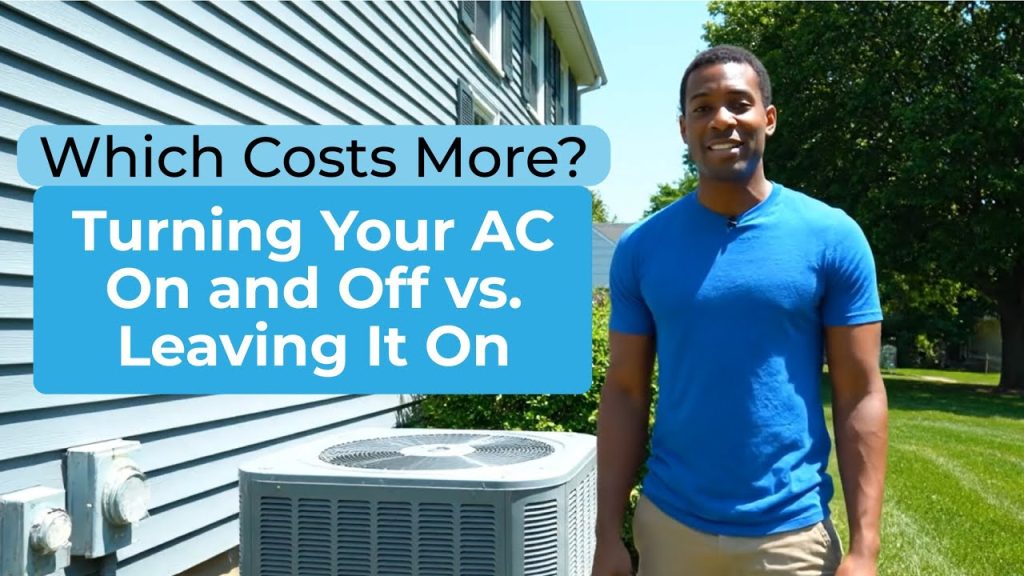
Have you ever wondered if turning your air conditioner on and off actually costs you more money? You might be surprised by what really happens when you switch it on or off throughout the day.
Understanding this can help you save more on your energy bills without sacrificing comfort. Keep reading, and you’ll discover simple facts that could change the way you use your air conditioner forever.

Credit: www.bhg.com
How Air Conditioners Use Energy
Air conditioners cool your home by using electricity. They work by moving heat from inside to outside.
Understanding how they use energy can help you save on electricity bills and use your AC smartly.
Energy Consumption Basics
Air conditioners use energy mainly to run the compressor and fans. The compressor moves refrigerant to cool the air.
The amount of energy used depends on the AC size, temperature settings, and how long it runs.
- Compressor uses most energy
- Fans use less energy
- Longer run times increase total energy use
Startup Power Surge Explained
When the AC starts, the compressor needs extra power for a short time. This is called a startup surge.
This surge uses more energy than normal running, but it lasts only a few seconds.
- Startup surge is brief
- Uses more power than running
- Does not cause big energy spikes
Running Vs. Idle Power Use
Running means the AC is actively cooling. It uses full power during this time.
Idle or standby means the AC is on but not cooling. It uses very little energy in this state.
- Running uses most electricity
- Idle uses minimal electricity
- Turning off stops all energy use
Impact Of Turning Air Conditioner On And Off
Many people wonder if switching their air conditioner on and off uses more energy. This question matters for both comfort and cost.
Understanding how the air conditioner uses power helps you make better choices for your home.
Common Myths About Power Usage
People often think turning the air conditioner on and off wastes a lot of electricity. Some believe it uses more power than running it continuously.
- Myth: Starting the AC uses a big surge of power.
- Myth: Leaving the AC on all day saves energy.
- Myth: Turning off the AC causes higher bills.
Actual Energy Costs Of Cycling
The air conditioner does use extra power when it starts, but this spike is very short. It usually lasts only a few seconds.
Most energy is used while the AC runs to cool the space, not during startup.
| Action | Energy Use |
| Starting the AC | Short, small spike |
| Running the AC | Main energy consumption |
| Turning AC off | No energy used |
Effect On Electricity Bills
Your electricity bill depends on how long the AC runs, not how often you switch it on or off.
- Turn off the AC when you don’t need it.
- Use a timer or smart thermostat to save energy.
- Maintain your AC regularly for better efficiency.
Factors Influencing Ac Energy Efficiency
Many factors affect how much energy an air conditioner uses. Knowing these helps you save power and money. One big question is if turning the AC on and off uses more energy.
This topic looks at key points that affect AC energy use. Understanding them helps you use your AC smartly and keep cool efficiently.
Thermostat Settings And Temperature Control
Thermostat settings play a big role in energy use. Setting the temperature too low makes the AC work harder. This uses more electricity.
Keeping the temperature steady saves energy. Frequent changes can make the AC run longer. Using a programmable thermostat helps keep control easy and consistent.
- Set thermostat to a comfortable but not very low temperature
- Use programmable thermostats to avoid constant manual changes
- Avoid turning the temperature up and down often
Insulation And Home Environment
Good insulation keeps cool air inside your home. Poor insulation lets heat in, so the AC works harder. This raises energy use and costs.
Windows, doors, and walls all affect how well your home keeps cool air. Using curtains and sealing gaps helps the AC stay efficient.
- Seal air leaks around windows and doors
- Use curtains or blinds to block sunlight
- Improve wall and attic insulation for better cooling
Ac Unit Type And Maintenance
Different AC models have different energy needs. Newer units often use less power than old ones. Regular maintenance keeps the unit working well.
Dirty filters and coils make the AC less efficient. Cleaning and servicing your unit helps it cool better and use less energy.
- Choose an energy-efficient AC model if possible
- Clean or replace filters regularly
- Schedule professional check-ups for your AC
Best Practices For Energy Saving
Turning your air conditioner on and off can affect your energy use. Knowing how to use it well helps you save power and money.
This guide shares tips for saving energy with your air conditioner. Follow these simple steps to keep your home cool efficiently.
Optimal Usage Patterns
Use your air conditioner wisely to avoid high energy costs. Avoid turning it on and off too often because it uses more power to start each time.
- Set your thermostat to a comfortable temperature and leave it steady.
- Use fans to help circulate air and reduce AC workload.
- Close windows and curtains to keep cool air inside.
- Turn off the AC only if you leave the house for several hours.
- Use energy-saving modes if your unit has one.
Smart Thermostat Benefits
Smart thermostats control your air conditioner efficiently. They adjust the temperature based on your schedule and weather.
| Benefit | Explanation |
| Automatic Scheduling | Turns AC off when not needed and on before you return |
| Remote Control | Change settings from your phone anytime |
| Energy Reports | Show how much energy you use and suggest savings |
| Adaptive Learning | Adjusts settings based on your habits |
Regular Maintenance Tips
Keep your air conditioner in good shape to save energy. Clean and check it often for best performance.
- Replace or clean filters every 1-3 months.
- Clear debris around the outdoor unit.
- Check for leaks in ducts and seals.
- Schedule yearly professional inspections.
- Keep vents open and unobstructed.
When To Leave Ac On Vs. Turning It Off
Many people wonder if turning the air conditioner off saves energy. It depends on how long you leave it off. Using the AC smartly can lower your bills and keep your home comfortable.
This guide explains when to leave the AC on and when to turn it off. Knowing this helps you use energy wisely and avoid extra costs.
Short Absences And Energy Use
If you leave home for a short time, like under an hour, it is better to keep the AC on. Turning it off and on uses more energy than just running it.
The AC works harder to cool the house if it gets hot. Leaving it on keeps the temperature steady. This uses less energy during short breaks.
- Leave AC on if away less than 1 hour
- Turning off wastes energy for short times
- AC cools house more efficiently when steady
Long Periods Away From Home
If you leave home for many hours or all day, turn off the AC. Running it empty uses energy with no benefit. Turning it off saves money and power.
Before coming back, turn the AC on early. This cools the house before you arrive. It avoids running the AC too long when you return.
- Turn off AC if away more than a few hours
- Save energy by not cooling an empty house
- Turn AC on before returning to cool house
Climate And Seasonal Considerations
Climate affects how you use the AC. Hot and humid places need careful use to save energy. Mild climates allow more flexibility in AC use.
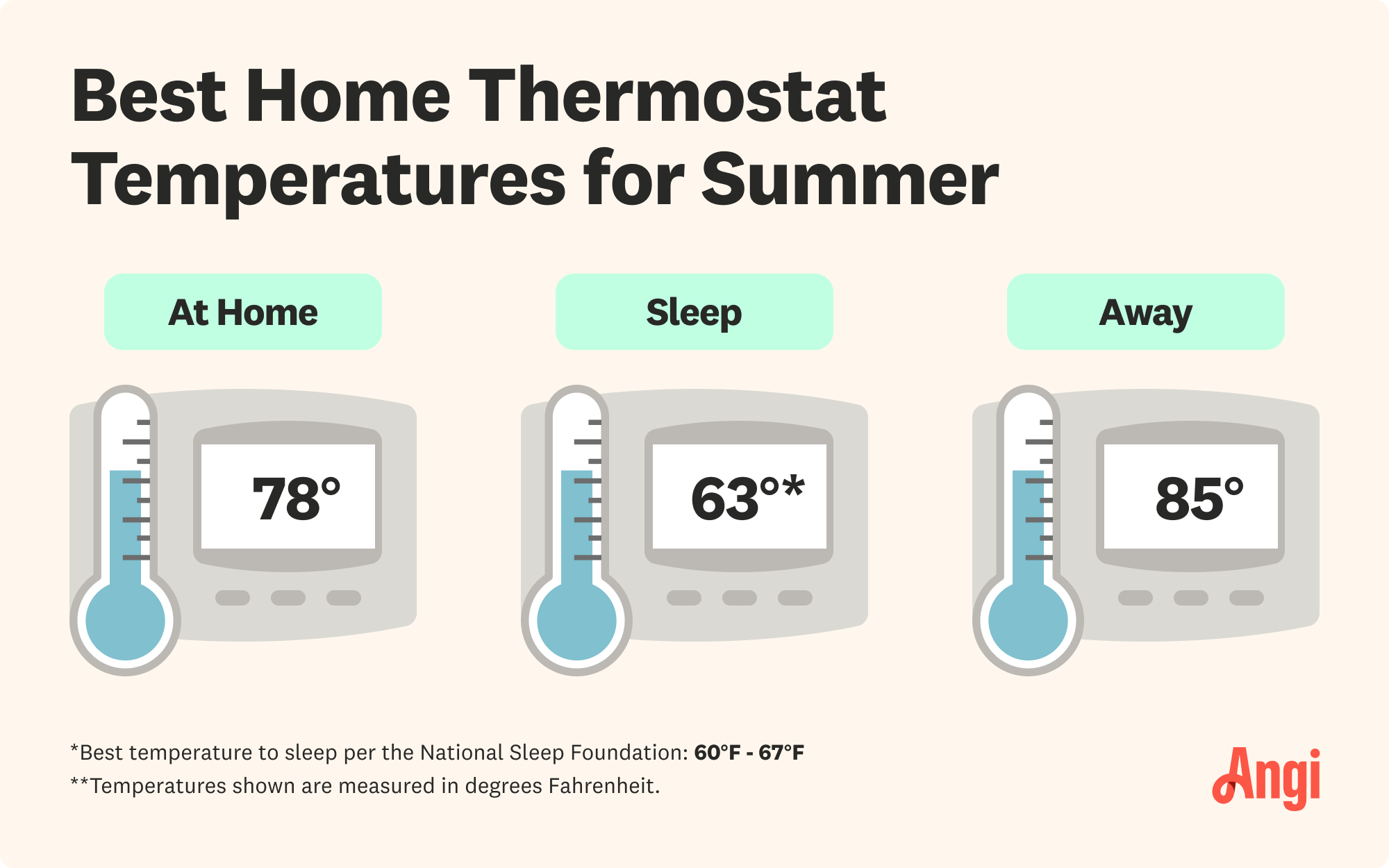
In summer, use a higher temperature setting when away. In cooler months, turn off the AC to avoid running it needlessly. Adjust your use with the seasons.
- Hot, humid areas need steady AC use
- Mild climates allow turning AC off more often
- Summer calls for higher AC settings when away
- Turn off AC in cooler months to save energy

Credit: blairsair.com
Credit: www.angi.com
Frequently Asked Questions
Does Frequently Turning Ac On And Off Increase Costs?
Yes, frequently turning the AC on and off can increase costs. The unit uses more energy during startup. Maintaining a consistent temperature is often more efficient. Frequent cycling can also cause wear and tear, leading to maintenance costs.
Is It Cheaper To Leave The Ac On All Day?
Leaving the AC on all day isn’t always cheaper. It depends on your insulation and local climate. Using a programmable thermostat can optimize energy use. Set higher temperatures when you’re away to save money.
How Does Ac Cycling Affect Energy Efficiency?
Frequent AC cycling reduces energy efficiency. It causes the unit to use more energy during startup. Continuous cycling can also increase wear and tear. Consider using a thermostat to minimize cycling and save energy.
What Is The Best Ac Temperature Setting For Savings?
Set the AC to 78°F for optimal savings when you’re home. Increase the temperature when you’re away to save more. Every degree above 78°F can save 6-8% on cooling costs. A programmable thermostat can help maintain these settings.
Conclusion
Turning your air conditioner on and off does not cost extra. It uses more energy to run continuously than to cool a room from warm. Short breaks can save electricity and lower your bills. Avoid keeping the AC running when no one is home.
Set a comfortable temperature and turn it off when not needed. Simple habits help you save money and energy. Keep your unit clean and well-maintained for best results. Small changes make a big difference in energy use.