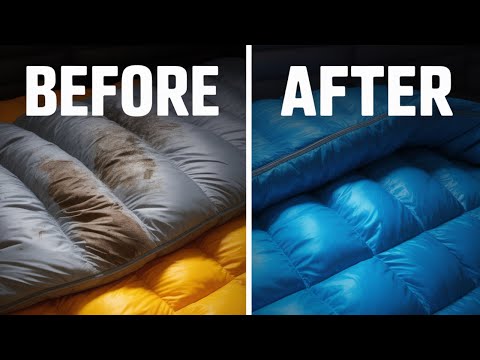
Your synthetic sleeping bag is your trusted companion on every adventure, offering warmth and comfort when you need it most. But how often do you think about cleaning it properly?
Washing your sleeping bag the right way can extend its life, keep it fresh, and maintain its insulating power. If you’re unsure where to start or worried about damaging your gear, don’t worry. This guide will walk you through simple, effective steps to wash your synthetic sleeping bag safely.
Keep reading to learn how to care for your sleeping bag so it stays ready for all your next outdoor trips.
Credit: www.ellis-brigham.com
Choosing The Right Detergent
Cleaning a synthetic sleeping bag needs care. The detergent you pick can protect or harm the fabric. Using the right kind helps keep the bag soft and warm.
Some detergents have strong chemicals that can break down the synthetic fibers. Choosing gentle products keeps your sleeping bag safe and lasts longer.
Gentle Detergents To Avoid Damage
Select detergents designed for delicate fabrics or outdoor gear. These detergents clean without harsh chemicals. Avoid regular laundry soaps that have strong ingredients.
- Use liquid detergents made for synthetic or technical fabrics
- Look for labels saying “biodegradable” and “free of enzymes”
- Choose products without optical brighteners or bleach
- Test a small amount of detergent on a hidden part before full wash
Avoiding Fabric Softeners And Bleach
Fabric softeners and bleach damage synthetic fibers. They strip the bag’s water-repellent finish and reduce insulation power.
| Substance | Effect on Synthetic Sleeping Bag |
| Fabric Softener | Blocks breathability and damages water resistance |
| Bleach | Weakens fibers and causes color fading |
| Enzyme Detergents | Break down synthetic fibers |
Preparing The Sleeping Bag
Before washing a synthetic sleeping bag, you need to prepare it properly. This helps keep the bag safe and clean during washing.
Preparation includes checking all parts of the bag. Make sure nothing inside will cause damage or get lost.
Emptying All Pockets
Check every pocket in the sleeping bag. Remove all items like keys, phones, or trash.
Leaving things inside can damage the bag or washing machine. It can also cause stains or tears in the fabric.
- Open all zippers on pockets
- Take out all items carefully
- Check pockets again for small objects
- Close pockets after emptying
Zipping Up Completely
Zip the sleeping bag all the way closed before washing. This protects the zipper and fabric.
A fully zipped bag keeps its shape and stops dirt from entering inside during the wash.
- Make sure the zipper moves smoothly
- Close the zipper from bottom to top
- Check for any stuck fabric near the zipper
- Secure all zipper pulls in place
Washing Methods
Synthetic sleeping bags need careful cleaning to keep them safe and comfy. Proper washing keeps the insulation working well and extends the bag’s life.
There are two main ways to wash your synthetic sleeping bag: machine washing and hand washing. Each method has steps to follow for best results.
Machine Washing Tips
Machine washing is a good choice if your washing machine has a large drum. Use a gentle cycle and cold water to avoid damage.
- Close all zippers and Velcro before washing.
- Use a mild detergent designed for synthetic fabrics.
- Set the machine to a gentle or delicate cycle.
- Wash the bag alone to prevent tangling.
- Skip fabric softeners and bleach.
- Rinse twice to remove all detergent.
- Use cold or lukewarm water, not hot.
Hand Washing Techniques
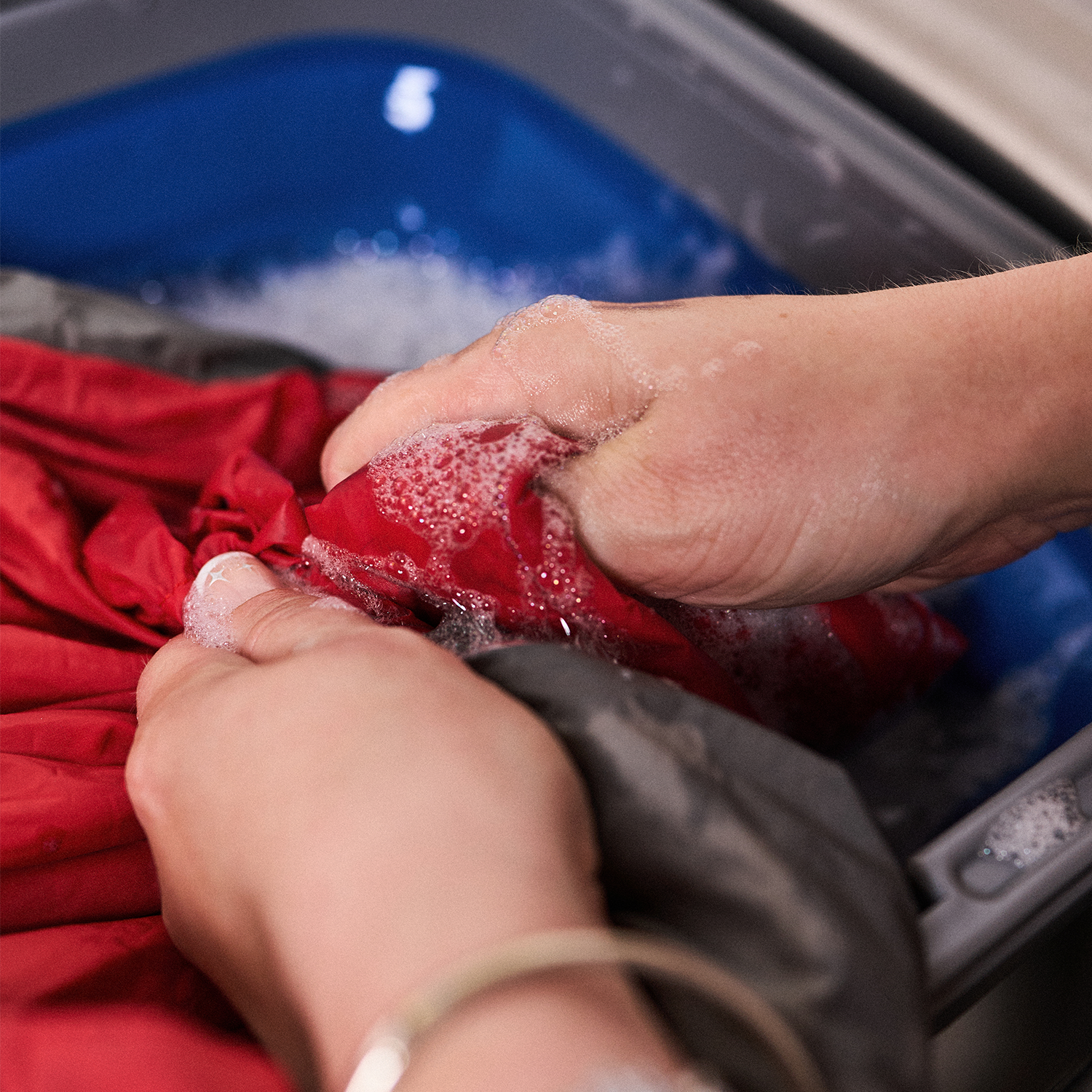
Hand washing takes more time but is very gentle. It is good for small stains or when you don’t have a big washing machine.
| Step | Action |
| 1 | Fill a bathtub or large basin with lukewarm water. |
| 2 | Add mild detergent and mix well. |
| 3 | Submerge the sleeping bag and gently squeeze to soak. |
| 4 | Let it sit for 15-20 minutes. |
| 5 | Gently rub any stained areas with your fingers. |
| 6 | Drain soapy water and refill with clean water. |
| 7 | Rinse the bag well by pressing out water without wringing. |

Credit: www.ellis-brigham.com
Drying The Sleeping Bag
Drying your synthetic sleeping bag carefully keeps it in good shape. Proper drying stops mold and bad smells.
You have two main ways to dry: using a dryer or air drying. Each method needs care.
Using A Dryer Safely
Dryers can speed up drying but can also damage your bag if used wrong. Follow these tips to stay safe.
- Set your dryer to low heat or a no-heat air fluff cycle.
- Put clean tennis balls or dryer balls inside to keep the filling fluffy.
- Check the bag often to avoid overheating or melting.
- Stop the dryer if you smell burning or see damage.
- Dry the bag completely to stop mildew growth.
Air Drying Best Practices
Air drying is gentle and saves energy. It needs more time and the right conditions.
| Tip | Reason |
|---|---|
| Hang the bag in a shaded, breezy spot | Stops sun damage and helps airflow |
| Lay the bag flat on a clean surface | Prevents filling from clumping |
| Turn the bag often during drying | Ensures even drying |
| Keep the bag away from dirt and pets | Maintains cleanliness |
| Be patient; drying may take a full day | Prevents damp spots and odors |
Maintaining Freshness Between Washes
Synthetic sleeping bags do not need frequent washing. Washing too often can damage their insulation. Keeping your sleeping bag fresh between washes helps it last longer.
Simple care and cleaning steps keep your bag smelling clean and feeling comfortable. Focus on spot cleaning and proper storage to maintain freshness.
Spot Cleaning Stains
Spot cleaning is the best way to remove dirt without washing the whole sleeping bag. Use a mild soap and water to treat small stains.
Gently rub the stained area with a soft cloth or sponge. Avoid harsh scrubbing that could damage the fabric.
- Mix a small amount of mild soap with water
- Use a soft cloth or sponge to apply the mix
- Rub gently on the stain to lift dirt
- Rinse with clean water and pat dry
Proper Storage Tips
Storing your sleeping bag correctly keeps it fresh and preserves insulation. Always store it loosely to avoid crushing the fill.
Keep it in a cool, dry place away from direct sunlight. Use a large storage sack or hang it up instead of keeping it compressed.
- Store in a large cotton or mesh bag
- Avoid tight compression sacks for long-term storage
- Hang the sleeping bag if possible
- Keep it dry and away from heat sources
Credit: cascadedesigns.com
Frequently Asked Questions
How Often Should You Wash A Synthetic Sleeping Bag?
Wash your synthetic sleeping bag once every season or after extended use. This prevents dirt and oils from degrading the insulation. However, spot clean it when necessary to maintain cleanliness between washes. Regular maintenance extends the life of your sleeping bag and ensures optimal performance.
Can You Machine Wash A Synthetic Sleeping Bag?
Yes, you can machine wash a synthetic sleeping bag. Use a front-loading washer on a gentle cycle with cold water. Avoid using fabric softeners, as they can damage the material. Use a mild detergent specifically for technical gear to ensure the sleeping bag maintains its insulating properties.
What Detergent Is Best For Synthetic Sleeping Bags?
Use a mild, non-detergent soap designed for technical gear. Specialized detergents, such as Nikwax Tech Wash, are ideal. They clean effectively without damaging the insulation or waterproof coatings. Avoid regular laundry detergents, as they can leave residues and reduce the sleeping bag’s performance.
Can You Dry A Synthetic Sleeping Bag In A Dryer?
Yes, you can dry a synthetic sleeping bag in a dryer. Use a low-heat setting to prevent damage. Add clean tennis balls to help fluff up the insulation. Ensure the bag is completely dry before storing it to prevent mold and mildew growth.
Conclusion
Washing your synthetic sleeping bag keeps it clean and fresh. Use gentle soap and cold water to protect the fabric. Dry it slowly, away from direct heat or sun. Regular care helps your bag last many camping trips. Treat it well, and it will stay warm and comfy.
Simple steps make a big difference in bag care. Now, enjoy your next adventure with a clean sleeping bag!