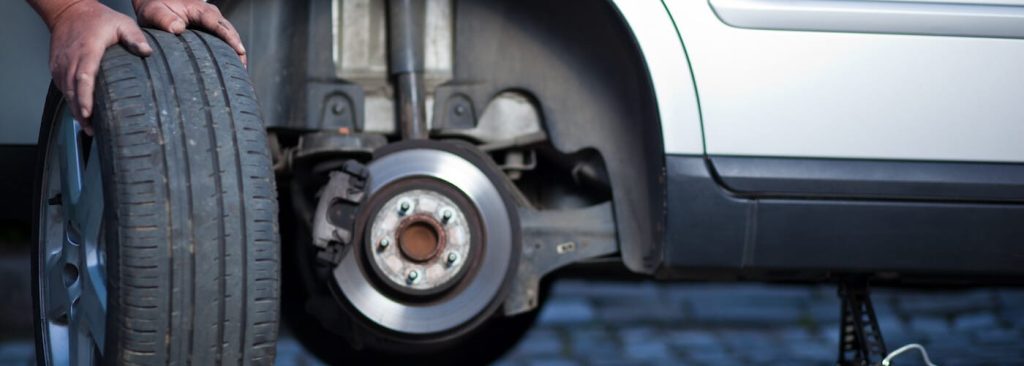
Are you wondering how often you should rotate the tires on your car? Keeping your tires in good shape is one of the easiest ways to save money and stay safe on the road.
But if you skip this simple step or wait too long, your tires can wear out unevenly, leading to costly repairs and a rough driving experience. You’ll discover the best tire rotation schedule for your vehicle, why it matters, and how it can improve your car’s performance.
Keep reading to learn how to protect your tires—and your wallet—with easy maintenance you can’t afford to miss.
Why Tire Rotation Matters
Tire rotation means moving tires from one position to another.
This helps tires wear out evenly and last longer.
Extending Tire Lifespan
Tires wear differently based on their position on the car.
Rotating tires spreads out the wear evenly across all tires.
- Prevents early tire damage
- Helps avoid replacing tires too soon
- Saves money on new tires
Enhancing Vehicle Performance
Even tire wear keeps your car balanced and smooth.
| Effect | With Rotation | Without Rotation |
| Steering Control | Better | Uneven |
| Ride Comfort | Smoother | Rougher |
| Fuel Efficiency | Higher | Lower |
Improving Safety On The Road
Tires with even tread wear hold the road better in all weather.
- Reduces risk of skidding
- Improves braking distance
- Helps prevent blowouts

Credit: www.daleearnhardtjrbuickgmc.com
Signs You Need A Tire Rotation
Rotating your tires helps them wear evenly and last longer. It also keeps your car safe to drive.
Recognizing when to rotate tires is important. Look for signs that show uneven wear or handling problems.
Uneven Tire Wear Patterns
Tires that wear unevenly need rotation. Check your tires for bald spots or different wear on each tire.
Uneven wear can happen if tires stay in the same spot too long. Rotating tires spreads the wear evenly.
- Tread is deeper on one side of the tire
- Some tires look more worn than others
- Edges of tires wear faster than the center
Vibrations While Driving
If you feel shaking or vibrations in the steering wheel, tires may need rotation. This can happen if tires wear unevenly.
Rotating tires can help balance the wear and reduce vibrations. It makes your drive smoother and safer.
- Steering wheel shakes at certain speeds
- Car feels unstable or rough on roads
- Vibrations increase over time
Handling And Traction Issues
When tires wear unevenly, your car may handle poorly. It can slip or lose traction on wet or slippery roads.
Rotating tires keeps traction balanced on all wheels. This helps your car respond better and drive safely.
- Car pulls to one side while driving
- Less grip on wet or icy roads
- Longer stopping distances
Recommended Tire Rotation Intervals
Rotating your car tires helps them wear evenly. This keeps your ride smooth and safe.
Knowing the right time to rotate tires can save money and extend tire life.
Manufacturer Guidelines
Car makers give advice on tire rotation in the owner’s manual. They suggest when and how to rotate tires.
- Check your car manual for specific instructions.
- Follow the recommended rotation pattern.
- Use the suggested mileage or time interval.
Common Mileage Benchmarks
Most drivers rotate tires every 5,000 to 8,000 miles. This range suits many cars and driving styles.
| Rotation Interval | Description |
| 5,000 miles | Ideal for rough roads or heavy loads |
| 6,000 to 8,000 miles | Standard interval for everyday driving |
| 10,000 miles | Longer interval for highway driving |
Factors That Affect Rotation Frequency
Several things change how often you should rotate tires. These include driving habits, car type, and tire wear.
- Driving mostly in the city or on highways
- Using front-wheel, rear-wheel, or all-wheel drive
- Carrying heavy loads or towing
- Type and condition of tires
Credit: www.bfgoodrichtires.com
Different Rotation Patterns
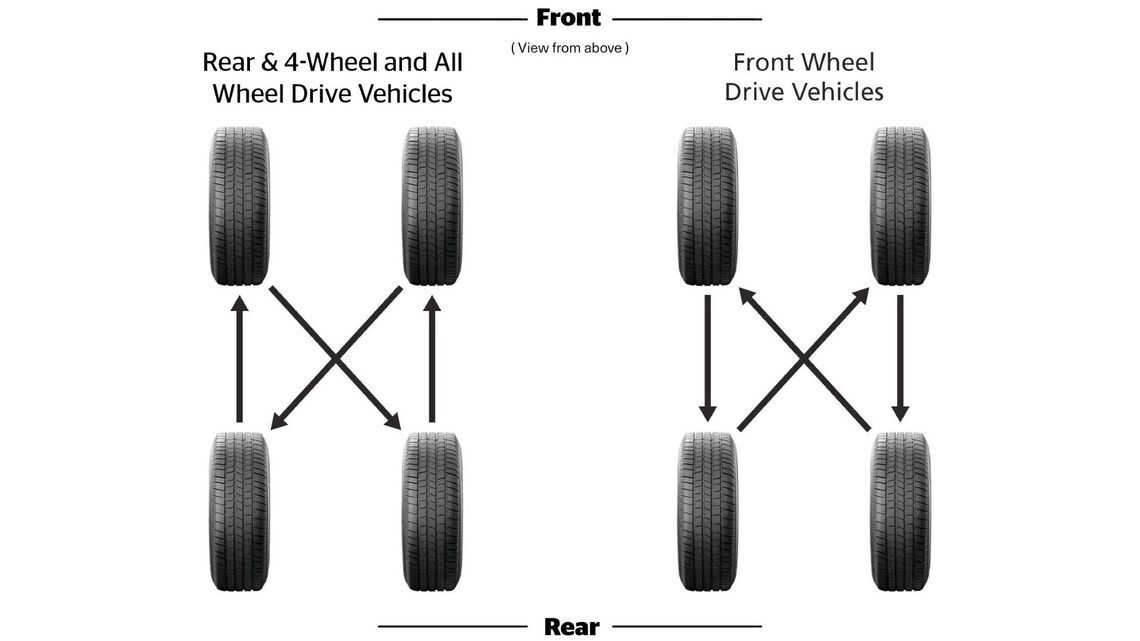
Rotating your car tires regularly helps them wear evenly. This improves safety and extends tire life. Different cars need different rotation patterns.
Choosing the right pattern depends on your car’s drive type. Learn about the common patterns for front-wheel, rear-wheel, and all-wheel drive vehicles.
Front-wheel Drive Patterns
Front-wheel drive cars usually wear out the front tires faster. The common pattern moves the front tires to the back on the same side.
- Move front left tire to rear left
- Move front right tire to rear right
- Move rear left tire to front right
- Move rear right tire to front left
Rear-wheel Drive Patterns
Rear-wheel drive cars wear the rear tires faster. The rear tires move straight to the front. The front tires cross to the opposite rear sides.
| Position | Move To |
|---|---|
| Rear Left | Front Left |
| Rear Right | Front Right |
| Front Left | Rear Right |
| Front Right | Rear Left |
All-wheel Drive Patterns
All-wheel drive cars need a special pattern. This keeps tire wear balanced on all wheels. Usually, the tires move diagonally.
Example of an AWD rotation:
- Front left moves to rear right
- Rear right moves to front left
- Front right moves to rear left
- Rear left moves to front right
How To Rotate Tires Yourself
Rotating your tires helps them wear evenly and last longer. Doing it yourself saves money and keeps your car safe.
You can rotate tires at home with the right tools and steps. This guide will show you how.
Tools You’ll Need
Before starting, gather all the tools you will need. Having everything ready makes the process smoother.
- Car jack to lift the vehicle
- Jack stands for safety support
- Lug wrench to remove lug nuts
- Tire pressure gauge to check air levels
- Wheel chocks to prevent rolling
- Gloves to protect your hands
- Torque wrench to tighten lug nuts properly
Step-by-step Rotation Process
Follow these steps to rotate your tires in a safe and effective way. Make sure to work on a flat surface.
- Park the car and apply the parking brake.
- Place wheel chocks behind the wheels that stay on the ground.
- Loosen the lug nuts on all wheels slightly before lifting.
- Use the car jack to lift one side of the car.
- Support the car with jack stands under the frame.
- Remove the wheels from the lifted side.
- Move the tires according to your car’s rotation pattern (check your owner’s manual).
- Put the wheels back on and hand-tighten lug nuts.
- Lower the car and remove jack stands and jack.
- Tighten lug nuts fully with a torque wrench in a star pattern.
- Check tire pressure and adjust as needed.
Safety Precautions
Safety is very important when rotating tires. Follow these tips to avoid accidents or damage.
- Always use jack stands; never rely on the jack alone.
- Work on a flat, stable surface to prevent slipping.
- Wear gloves to protect your hands from dirt and injury.
- Follow the torque specifications for lug nuts from your car manual.
- Double-check that the car is secure before removing wheels.
- Keep children and pets away from the work area.
- Do not rush; take your time to do each step carefully.

Credit: www.worldfordpensacola.com
When To Seek Professional Help
Rotating your tires helps them wear evenly and last longer. Sometimes, it is best to ask a professional for help. This ensures safety and proper care for your tires.
Some tire types and vehicle conditions need expert attention. Knowing when to visit a tire specialist can save you money and prevent damage.
Complex Tire Types
Some tires are harder to rotate because of their design. For example, directional tires or staggered sets require special care. Professionals know how to handle these safely.
If your car has run-flat tires or high-performance tires, a technician should do the rotation. They have tools to avoid damage and keep tires balanced.
Alignment And Balancing Checks
Tire rotation is a good time to check alignment and balance. If your car pulls to one side or vibrates, a professional can fix these issues. This helps your tires wear evenly.
Proper alignment and balancing improve your car’s handling and safety. Ask a mechanic to check these during tire rotation visits.
Warranty And Maintenance Records
Some tire warranties require regular professional rotation. Keeping records helps you meet these rules. It can save you money if a tire needs replacement.
Professionals can log your tire service. This proof supports warranty claims and shows you cared for your tires properly.
Tips To Maintain Tire Health
Rotating your tires helps them wear evenly and last longer. It also improves your car’s safety and performance.
Following simple tire care tips can keep your tires in good shape. This saves money and ensures a smooth drive.
Regular Pressure Checks
Check your tire pressure at least once a month. Proper pressure helps tires wear evenly and improves fuel efficiency.
Use a reliable pressure gauge and check when tires are cold. Inflate tires to the pressure recommended in your car’s manual.
- Under-inflated tires wear on the edges
- Over-inflated tires wear in the center
- Correct pressure improves tire life and safety
Proper Tire Storage
Store tires in a cool, dry place away from sunlight. Heat and UV rays can damage tire rubber over time.
Keep tires off the ground using racks or pallets. Store them upright or stacked flat, depending on the tire type.
- Clean tires before storage to remove dirt
- Avoid places with ozone sources like motors
- Cover tires to protect from dust and moisture
Seasonal Tire Changes
Switch tires based on the season for better safety and tire health. Use winter tires in cold months and summer tires when warm.
Seasonal tires have different tread patterns and rubber compounds. This helps them perform well in specific weather conditions.
- Change to winter tires before snow arrives
- Switch back to summer tires when roads clear
- Proper tires reduce wear and improve grip
Frequently Asked Questions
How Often Should I Rotate My Car Tires?
Tires should typically be rotated every 5,000 to 7,500 miles. Regular rotation helps maintain even tread wear. It extends the lifespan of your tires. Always check your vehicle’s owner manual for specific recommendations. Regular rotations can also improve fuel efficiency and handling.
What Happens If I Don’t Rotate My Tires?
Not rotating tires leads to uneven tread wear. This can result in reduced tire lifespan and poor vehicle handling. Uneven wear may also cause vibrations while driving. Regular rotations help in maintaining balanced performance and safety.
Can Tire Rotation Impact Fuel Efficiency?
Yes, tire rotation can positively impact fuel efficiency. Evenly worn tires reduce rolling resistance. This helps the engine operate more efficiently. Regular rotation ensures consistent performance and can save on fuel costs. It also enhances driving comfort and safety.
Is Tire Rotation Necessary For All Vehicles?
Yes, tire rotation is necessary for all vehicles. It ensures even tread wear across all tires. Different vehicles may have specific rotation patterns. Always refer to the owner’s manual for guidance. Regular rotation also helps in identifying other potential tire issues early.
Conclusion
Rotating your tires keeps them wearing evenly and lasts longer. Most cars need rotation every 5,000 to 7,500 miles. Check your owner’s manual for the best schedule. Regular rotation helps improve safety and saves money on new tires. Don’t wait until you see uneven wear.
A simple rotation can protect your ride and improve performance. Keep your tires healthy by rotating them on time. It’s a small step that makes a big difference.