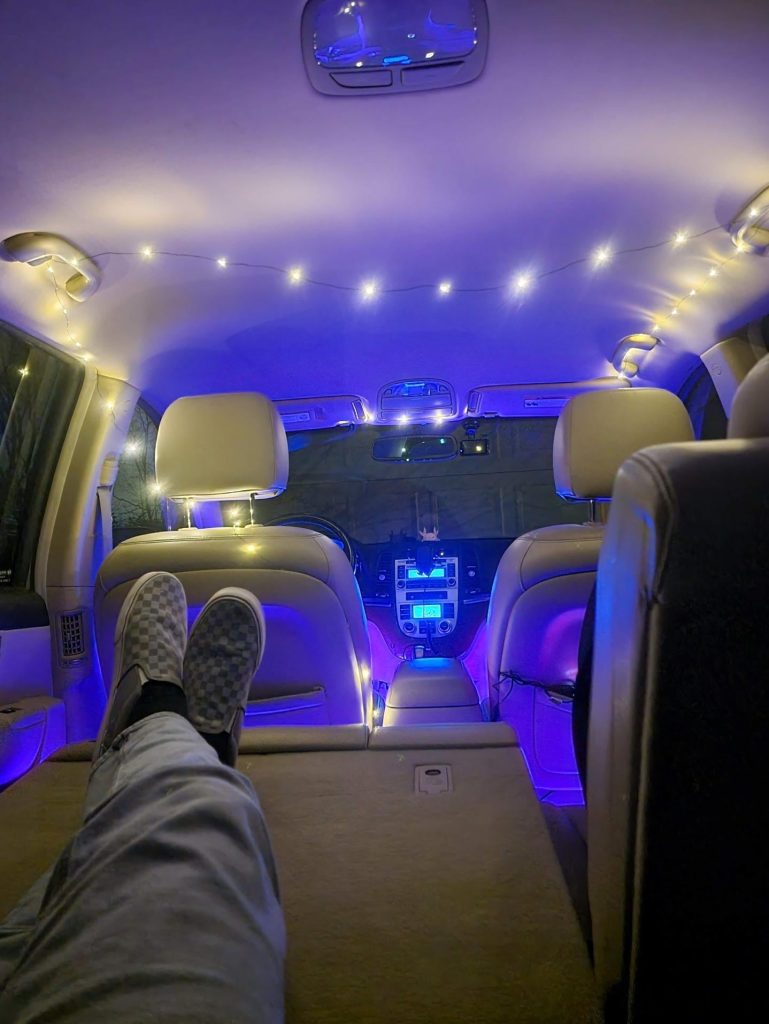
Are you thinking about adding LED lights to your car to make it stand out? Before you start installing those bright, colorful strips, you might wonder— is it illegal to have LED lights in your car?
This question is more important than you might think. Using LED lights the wrong way can lead to fines, tickets, or even more serious trouble. You’ll discover what the laws say, how to stay safe, and what you need to know before lighting up your ride.
Keep reading to protect yourself and enjoy your car without any legal headaches.

Credit: zerolimits2021.com
Legal Status Of Led Lights
LED lights have become popular for car modifications. Many drivers want to know if using them is legal. The rules vary across the country.
This guide explains the federal and state laws about LED lights in vehicles. It will help you understand what is allowed and what is not.
Federal Regulations
The federal government sets basic rules for vehicle lighting. The Department of Transportation (DOT) controls these rules. They ensure all lights meet safety standards.
- LED lights must not blind other drivers.
- Colors like red and blue are usually reserved for emergency vehicles.
- Headlights and taillights must meet brightness limits.
- Aftermarket LED lights must be approved by DOT.
State-specific Laws
Each state has its own rules about LED lights. Some states allow certain colors and placements. Others ban specific types of LED lights.
| State | Allowed LED Colors | Restrictions |
| California | White, Amber, Red | No blue or green on front |
| Texas | White, Red, Blue (limited) | No flashing lights |
| Florida | White, Amber | No underglow lighting |
| New York | White, Red | LED lights must be steady, no flashing |

Credit: www.carifex.com
Types Of Allowed Led Lights
LED lights are popular for car customization. Many people want to know if they can use LED lights legally.
Rules vary by location, but some LED lights are allowed both inside and outside cars.
Interior Led Lighting
Interior LED lights add style and improve visibility inside your car. They are usually allowed if they do not distract the driver.
Common allowed interior LED lights include dashboard lights, footwell lights, and ambient lighting strips.
- Dashboard and gauge cluster LEDs
- Footwell and door panel LEDs
- Ambient lighting that does not shine outside
Exterior Led Lighting
Exterior LED lights must meet strict rules. They should not confuse other drivers or cause glare on the road.
Legal exterior LED lights include headlights, taillights, brake lights, and turn signals that follow color and brightness standards.
- White or amber headlights and daytime running lights
- Red taillights and brake lights
- Amber turn signals
- License plate lights in white
Common Restrictions
Many states have rules about using LED lights in cars. These rules help keep roads safe for everyone.
Car owners should know these rules before adding LED lights. Breaking the rules can lead to fines or tickets.
Color Limitations
Most places limit the colors of LED lights on cars. This prevents confusion with emergency vehicles.
Colors like red, blue, and green are usually restricted for certain parts of the car.
- Red and blue lights are often reserved for police and emergency cars
- Green lights are sometimes allowed only for volunteer firefighters
- White and amber colors are usually safer choices
- Some states ban flashing or rotating colors
Brightness And Placement Rules
LED lights must not be too bright or placed in distracting spots. This prevents accidents on the road.
Lights should not blind other drivers or hide important signals like brake lights.
- Brightness limits vary but usually stay under a certain lumen level
- Lights cannot cover license plates or turn signals
- Placement near headlights or taillights is often regulated
- Underbody LED lights are allowed in some states but not all
Safety Concerns
LED lights in cars have become popular for style and brightness. Still, some worry about safety risks. This article looks at key safety concerns.
Understanding these risks helps drivers decide if LED lights are safe to use on the road.
Visibility And Distraction Issues
Bright LED lights can make your car more visible at night. But if the lights are too bright or flashing, they can distract you and other drivers.
- Excessive brightness may blind other drivers temporarily.
- Flashing LED lights can cause confusion on the road.
- Wrong colors can be mistaken for emergency vehicle lights.
- Distracted drivers may react slowly to road conditions.
Impact On Other Drivers
| Effect | Description |
|---|---|
| Glare | LED lights can cause glare, reducing visibility for other drivers. |
| Confusion | Unusual light colors or patterns may confuse drivers about your car’s actions. |
| Reaction Time | Distracted or dazzled drivers may slow down, increasing accident risk. |
| Legal Issues | Some LED colors and placements are illegal, causing fines or penalties. |
Penalties For Non-compliance
Using LED lights in your car can lead to legal trouble if you do not follow the rules. Laws about LED lights vary, but many places have strict limits. Penalties exist to keep roads safe for everyone.
It is important to know what fines or other punishments you may face. Understanding the penalties helps you avoid costly tickets and other problems.
Fines And Citations
Authorities can issue fines or citations if your LED lights break local laws. These penalties depend on the severity and location of the offense.
- Fines can range from $50 to $500 or more.
- In some cases, you may receive a warning instead of a fine.
- Repeat offenses often lead to higher fines.
- Police may require you to remove or cover the LED lights immediately.
- Improper LED colors, such as red or blue, can lead to stricter penalties.
Vehicle Inspection Failures
LED lights that do not meet legal standards can cause your vehicle to fail inspections. Failing an inspection means you cannot legally drive your car until you fix the issue.
| Inspection Issue | Possible Consequence |
|---|---|
| Non-compliant LED colors | Inspection failure, must replace lights |
| Excessive brightness | Inspection failure, fines may apply |
| Unauthorized flashing or patterns | Inspection failure, legal action possible |
| Incorrect installation | Vehicle cannot pass inspection |
Tips For Legal Led Installation
Many people like to add LED lights to their cars for style. It is important to know if this is legal. Following the right steps can keep you safe and legal on the road.
Installing LED lights the right way helps avoid fines and accidents. You should learn about the rules before you start.
Choosing The Right Lights
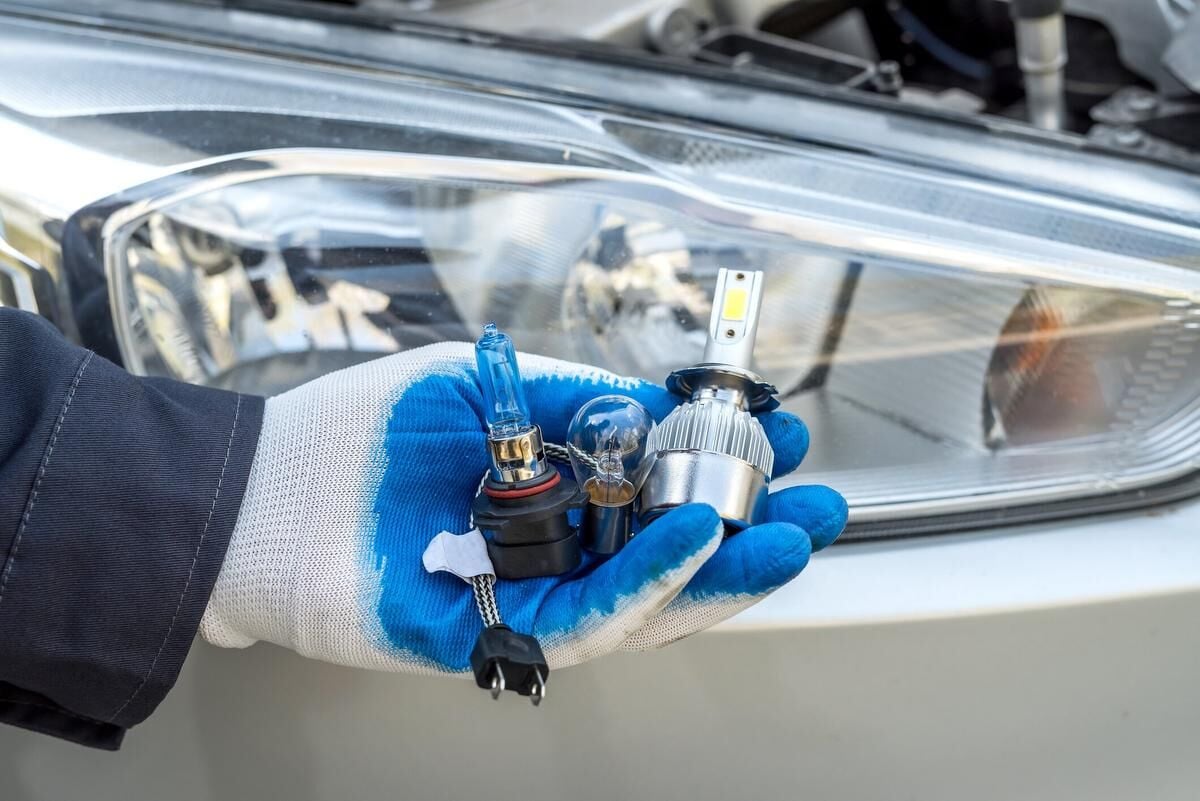
Not all LED lights are allowed on cars. Some colors and brightness levels are illegal. Choose lights that meet local rules to avoid trouble.
Look for lights that are made for vehicles. Avoid very bright or flashing lights that can distract drivers. Use white or amber lights for front and red for the back.
- Pick LED lights made for cars
- Use white or amber for front lights
- Use red for rear lights
- Avoid flashing or overly bright lights
- Check if the lights have safety certifications
Consulting Local Authorities
Rules about LED lights differ by state and country. Contact your local police or transportation office to ask about laws. They can give you clear information.
Some places require permits or inspections for LED lights. Getting official advice helps you avoid fines and legal problems.
- Ask local police about LED light rules
- Check if you need permits for installation
- Learn about color and placement restrictions
- Follow any inspection or approval processes
- Keep proof of compliance with you while driving
Credit: www.thestar.com
Frequently Asked Questions
Are Led Lights In Cars Illegal?
LED lights in cars are generally legal, but regulations vary by location. Always check local laws to ensure compliance. Some areas restrict certain colors or brightness levels to prevent distractions. Proper installation is crucial to avoid safety hazards and legal issues.
What Led Light Colors Are Illegal?
Typically, red and blue LED lights are illegal on non-emergency vehicles. These colors can mimic emergency services, causing confusion. Check local regulations for specific restrictions. Some areas also limit flashing or rotating lights, regardless of color, to maintain road safety.
Can Led Lights Cause A Car To Fail Inspection?
Yes, improper LED lights can cause a car to fail inspection. Issues include incorrect color, brightness, or improper installation. Ensure LED lights meet local regulations and are safely installed. Consult with an expert if unsure about compliance to avoid inspection failures.
Do Led Lights Affect Car Battery Life?
LED lights are energy-efficient and generally do not significantly impact car battery life. However, excessive use or improper installation may lead to battery drain. Ensure LED lights are installed correctly and avoid leaving them on when the vehicle is off to prevent issues.
Conclusion
LED lights in cars can be legal or illegal depending on rules. Each state or country has its own laws about color and placement. Using bright or flashy lights may cause trouble with police. Always check local laws before installing LED lights in your car.
Safety comes first on the road. Choose lights that do not distract other drivers. Keep your car stylish but follow the law to avoid fines or issues. Stay informed and drive safely with the right LED lights.