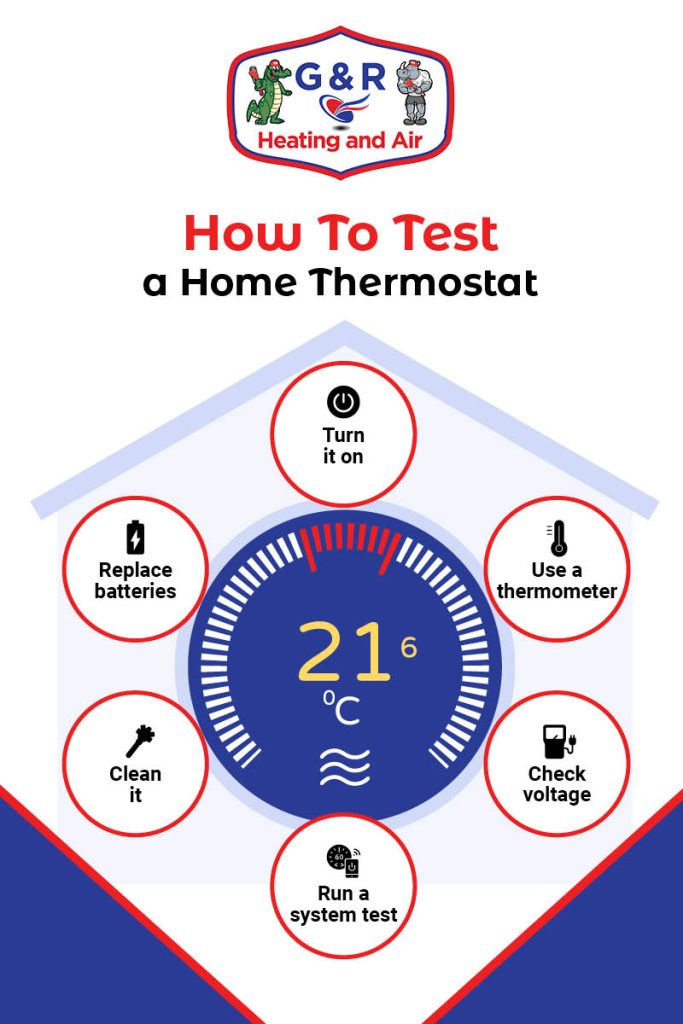
Is your air conditioner not keeping your home as cool as it should? The problem might be your thermostat.
Knowing how to check your thermostat can save you time, money, and frustration. In this guide, you’ll learn simple steps to diagnose if your thermostat is working properly or needs a fix. By the end, you’ll feel confident in taking control of your cooling system and ensuring your home stays comfortable all summer long.
Keep reading—your perfect indoor temperature is just a few checks away!
Signs Of Thermostat Issues
Inconsistent room temperatureoften signals thermostat problems. The AC might cool some areas but leave others warm. This happens when the thermostat can’t read the temperature right. Rooms may feel too hot or too cold at different times.
AC not turning on or off properlyis another key sign. Sometimes, the unit won’t start even if the thermostat shows the right setting. Other times, the AC might run too long or stop too soon, wasting energy and causing discomfort.
Unusual cycling patternsmean the AC turns on and off too often or runs non-stop. This can wear out parts fast. The thermostat might send wrong signals, confusing the AC system. Such patterns increase bills and reduce cooling efficiency.
Tools Needed For Testing
Testing a thermostat for an air conditioner requires some basic tools. A thermometerhelps measure the room temperature. This shows if the thermostat reads the temperature correctly.
A screwdriveris needed to open the thermostat cover. It allows access to the wiring and internal parts for testing or adjustments.
The multimeterchecks the electrical parts. It measures voltage, current, and resistance to find faults inside the thermostat.
- Thermometer: measures air temperature
- Screwdriver: opens thermostat casing
- Multimeter: tests electrical signals
Preparing The Thermostat
Turn off the power to your air conditioner to stay safe. This stops electricity from flowing while you work. Find the circuit breaker and switch it off. Double-check that the AC is off by trying to change the temperature.
Next, carefully remove the thermostat cover. Most covers snap off easily or have small screws. Keep the screws in a safe place so you don’t lose them. This lets you see the wires and parts inside.
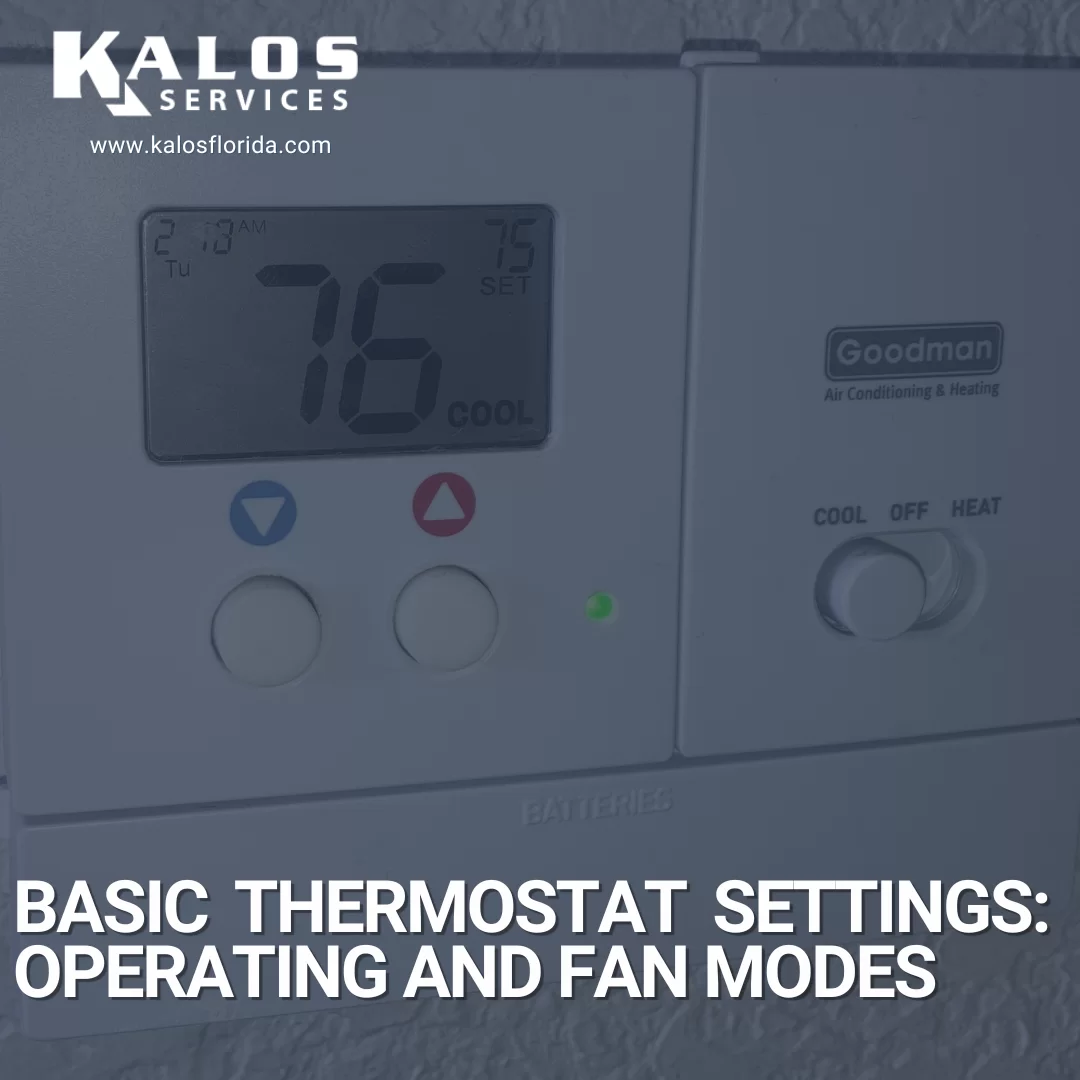
Look at the wiring connections inside the thermostat. Make sure wires are tight and connected to the right terminals. Loose wires can cause the thermostat to stop working. If any wire looks damaged, it may need fixing or replacing.
Credit: www.kalosflorida.com
Checking Thermostat Temperature Accuracy
Check the thermostat’s temperature by comparing it to a reliable thermometer. Place the thermometer near the thermostat sensor. Wait a few minutes for both to settle at room temperature. Note the temperature displayed on both devices.
If the thermostat shows a different temperature than the thermometer, the thermostat may need calibration. Consult the thermostat’s manual for calibration instructions. Usually, this involves adjusting a small screw or setting in the device. Make small changes and recheck the temperature until both match closely.
Testing Thermostat Functionality
Set the thermostat temperature lower than the current room temperature. This tells the air conditioner to turn on and cool the room. Listen closely for the sound of the AC starting. This sound shows the thermostat is working to cool the space.
Next, raise the thermostat temperature above the room temperature. This action should make the air conditioner stop running. Listen for the AC to switch off. If it stops, the thermostat is responding properly to temperature changes.

Credit: www.thespruce.com
Using A Multimeter For Electrical Tests
Use a multimeter to check the thermostat’s electrical parts. First, test for continuity. This shows if the circuit inside the thermostat is complete. Place the multimeter probes on the thermostat terminals. If the meter beeps or shows zero resistance, the circuit is good.
Next, check the voltage at the terminals. Set the multimeter to measure AC voltage. Carefully touch the probes to the thermostat terminals. The reading should match your thermostat’s voltage rating, usually around 24 volts. A different reading may mean a problem.
- Turn off power before connecting the multimeter.
- Use proper safety tools to avoid shocks.
- Note the readings for troubleshooting.
Common Thermostat Problems
Dirty or faulty sensorscan cause your thermostat to give wrong readings. Dust and grime block sensors from sensing the temperature correctly. Cleaning or replacing these sensors helps the thermostat work better.
Dead batteriesin the thermostat stop it from turning on or responding. Changing batteries regularly keeps the thermostat powered and reliable. Always check battery life if the thermostat acts strange.
Wiring issueshappen when connections inside the thermostat or HVAC system get loose or broken. This can cause the thermostat to lose control over the air conditioner. Inspecting and fixing wires ensures the system runs smoothly.

Credit: aquariushomeservices.com
When To Replace Your Thermostat
Repeated inaccuraciesin temperature readings can cause discomfort. When your thermostat shows wrong temperatures often, it may need replacement. This leads to uneven cooling or heating. Fixing the problem ensures better home comfort.
Inability to control ACmeans the thermostat does not respond to changes. You might set a temperature, but the AC won’t turn on or off properly. This issue wastes energy and raises bills. A new thermostat solves this problem quickly.
Outdated technologylimits smart features and energy savings. Old thermostats may lack remote control or scheduling options. New models offer better control and help reduce energy costs. Upgrading helps keep your home cool more efficiently.
Frequently Asked Questions
How Do I Test My Thermostat’s Accuracy?
To test your thermostat’s accuracy, place a reliable thermometer next to it. Compare the readings after a few minutes. If there’s a significant difference, your thermostat may need calibration or replacement. Regular checks can prevent inefficiencies and ensure your air conditioner operates effectively.
Why Isn’t My Thermostat Working Properly?
A malfunctioning thermostat can stem from dead batteries, incorrect settings, or wiring issues. Dust buildup can also affect its performance. Regular maintenance and checks can help identify and resolve these issues, ensuring your air conditioner functions optimally.
How Often Should I Check My Thermostat?
Check your thermostat at least twice a year, ideally before summer and winter. Regular inspections help identify potential issues early, ensuring your air conditioner runs efficiently. Consistent checks can also prolong the lifespan of your HVAC system.
Can A Faulty Thermostat Affect Cooling?
Yes, a faulty thermostat can lead to inconsistent or insufficient cooling. It can cause your air conditioner to run longer than needed, increasing energy bills. Addressing thermostat issues promptly ensures efficient cooling and optimal comfort in your home.
Conclusion
Checking your thermostat air conditioner helps keep your home cool and comfortable. A working thermostat saves energy and lowers bills. Regular checks catch problems early and avoid costly repairs. Use simple steps to test settings and temperature response. Stay on top of maintenance for better performance.
Small efforts now prevent big issues later. Keep your AC running smoothly all summer long.