
Is your grow tent feeling too damp? High humidity can slow down your plants’ growth and invite mold or pests.
But don’t worry—you have the power to fix this. You’ll discover simple, effective ways to lower humidity in your grow tent. By controlling moisture, you’ll create the perfect environment for your plants to thrive. Keep reading, and learn how to take control of your grow space today.
Causes Of High Humidity In Grow Tents
High humidity in grow tents can cause many problems for plants. It may lead to mold, pests, and slow growth. Understanding what causes high humidity helps keep the environment healthy.
Many factors add moisture to the air inside a grow tent. Some come from the plants themselves. Others come from watering or the tent setup.
Watering Practices
Overwatering is a common cause of high humidity. Water left on the soil or floor evaporates and adds moisture to the air. Water that drains out of pots also raises humidity.
Watering too often or in large amounts can increase humidity quickly. It is important to water plants just enough and let the soil dry a bit before watering again.
- Use proper pot drainage to avoid standing water
- Water in the morning to allow evaporation during the day
- Check soil moisture before watering
Plant Transpiration
Plants release water vapor through leaves in a process called transpiration. This adds humidity inside the grow tent. Larger plants release more moisture than smaller ones.
High leaf density and many plants close together increase humidity levels. Proper spacing and pruning reduce excess moisture from transpiration.
- Space plants to allow air flow
- Prune excess leaves to reduce transpiration
- Choose plants with lower water needs if needed
Ventilation Issues
Poor ventilation traps humid air inside the grow tent. Without fresh air, moisture builds up quickly. Fans or vents that do not work well cause high humidity.
Good air exchange removes moist air and brings in drier air. This helps keep humidity at safe levels for plants.
- Use exhaust fans to pull moist air out
- Install intake vents for fresh air
- Keep fans running to circulate air inside the tent
Temperature Effects
Temperature affects how much moisture air can hold. Warm air holds more water vapor than cold air. If the tent is too warm, humidity can rise fast.
Cold surfaces in the tent can cause water to condense, raising humidity. Keeping temperature stable helps control moisture levels inside the grow tent.
- Keep temperature in the ideal range for your plants
- Avoid sudden temperature drops that cause condensation
- Use heaters or coolers to maintain stable temperatures

Credit: www.reddit.com
Choosing The Right Ventilation System
Humidity control is key in a grow tent. Proper ventilation helps keep moisture levels down.
Selecting the right fans improves air flow and lowers humidity effectively.
Exhaust Fans
Exhaust fans remove warm, moist air from the grow tent. This helps reduce humidity inside.
Place exhaust fans near the top of the tent where hot air gathers.
- Use fans with adjustable speed for better control
- Choose quiet models to avoid noise disturbance
- Install carbon filters to reduce odors
Intake Fans
Intake fans bring fresh, dry air into the grow tent. They balance air pressure and improve ventilation.
Place intake fans near the bottom to pull in cooler air.
- Match intake fan size with exhaust fan for balance
- Use filters to keep pests and dust out
- Ensure intake air is from a dry, clean source
Air Circulation Fans
Air circulation fans move air inside the grow tent. They stop humidity from settling on plants.
Use oscillating fans to cover more area and improve air flow.
- Place fans to avoid direct wind on plants
- Keep air moving around leaves and stems
- Use multiple small fans for even circulation
Using Dehumidifiers Effectively
Controlling humidity in a grow tent helps plants stay healthy. Dehumidifiers remove excess moisture from the air. Using them right can improve your grow tent environment.
This guide explains types of dehumidifiers, where to place them, and how to maintain them.
Types Of Dehumidifiers
There are three main types of dehumidifiers used in grow tents. Each works differently to lower humidity.
- Refrigerant Dehumidifiers:Use cooling coils to condense moisture. Good for warm, humid tents.
- Desiccant Dehumidifiers:Use a moisture-absorbing material. Work well in cooler temperatures.
- Peltier Dehumidifiers:Use electric cooling plates. Best for small tents with low humidity.
Placement Tips
Where you place your dehumidifier affects its performance. Position it for best airflow and easy access.
| Placement Area | Reason |
| Near Air Intake | Captures humid air early for faster drying. |
| Off the Ground | Prevents dust and dirt from entering the unit. |
| Away from Plants | Avoids drying out plants too much. |
| Close to Drainage | Makes water removal easier and cleaner. |
Maintenance And Monitoring
Keep your dehumidifier clean and check it often. This ensures it works well and lasts longer.
- Empty the water tank regularly to avoid overflow.
- Clean or replace air filters every few weeks.
- Check for unusual noises or leaks.
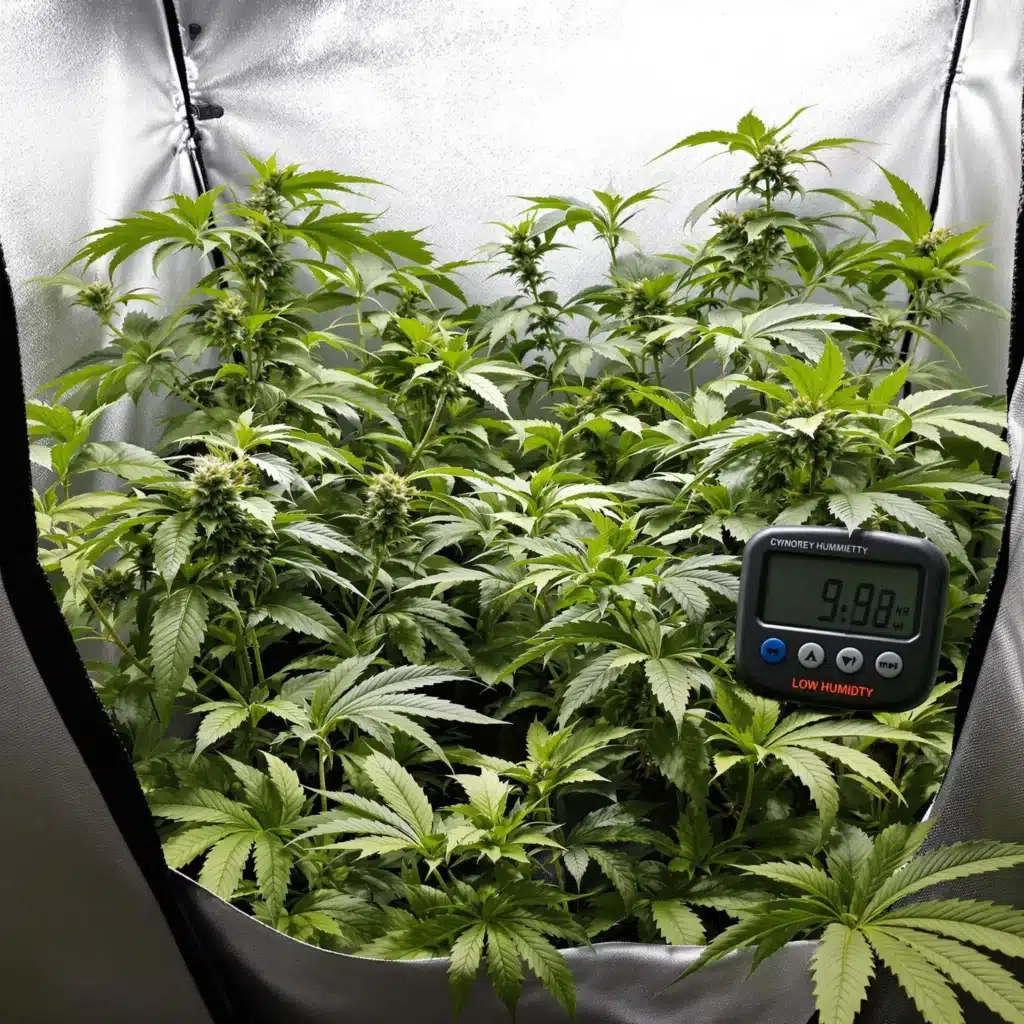
- Use a hygrometer to monitor humidity levels daily.
Credit: blimburnseeds.com
Adjusting Watering And Plant Care
Controlling humidity in a grow tent needs careful watering and plant care. Too much water adds moisture to the air.
Proper plant care helps lower humidity and keeps plants healthy. Let’s explore some ways to adjust watering and care.
Watering Frequency
Water plants less often to reduce moisture in the tent. Overwatering raises humidity levels quickly.
- Check soil before watering. Only water if dry.
- Use a spray bottle for light watering.
- Water plants early in the day to allow drying.
- Adjust watering by plant type and size.
Soil Moisture Management
Keep soil moisture balanced to stop excess humidity. Wet soil releases water into the air.
| Soil Condition | Effect on Humidity | Care Tip |
| Too Wet | Increases humidity | Let soil dry before watering |
| Too Dry | Stresses plants | Water moderately and evenly |
| Well Balanced | Controls humidity | Check moisture with a meter |
Pruning Techniques
Prune plants to improve air flow and reduce moisture buildup. Dense leaves hold humidity.
- Trim dead or yellow leaves regularly.
- Remove extra foliage to open spaces.
- Shape plants for better light and air.
- Clean pruning tools to avoid disease.
Temperature Control Strategies
Managing temperature is key to lowering humidity in your grow tent. Proper control helps plants grow strong and healthy. This guide covers cooling, heating, and thermostat use.
Each method works to balance heat and moisture, keeping the environment stable. Use these strategies to keep humidity at safe levels.
Cooling Methods
Cooling your grow tent reduces humidity by lowering air temperature. Cooler air holds less moisture, so humidity drops. Use fans and ventilation to improve airflow.
- Use oscillating fans to circulate air inside the tent
- Install exhaust fans to pull hot, moist air out
- Bring in fresh, cooler air from outside the tent
- Use air conditioners for strong cooling in warm climates
Heating Considerations
Heating can lower humidity when done carefully. Warm air holds more moisture, so raising temperature may help dry the air. Avoid overheating plants, which may stress them.
| Heating Method | Effect on Humidity | Notes |
| Electric Heater | Reduces humidity by warming air | Use with thermostat to avoid overheating |
| Heat Mat | Warms soil, indirectly lowering humidity | Good for seedling stages |
| Infrared Heater | Heats objects, not air directly | Helps without raising humidity much |
Thermostat Use
A thermostat keeps temperature steady and prevents swings that raise humidity. It controls heaters or coolers automatically. Set the desired temperature range for your plants.
Benefits of using a thermostat:
- Maintains stable temperature and humidity
- Reduces energy waste
- Prevents plant stress from sudden changes
- Easy to adjust for different growth stages
Using Absorbent Materials And Humidity Traps
Keeping humidity low in a grow tent helps plants grow healthy. Absorbent materials and humidity traps pull moisture from the air.
These tools work without electricity and are easy to use. They help keep the air dry and reduce mold risks.
Silica Gel Packs
Silica gel packs absorb moisture well. They are small and can fit in tight spaces inside the grow tent.
Use several packs for better moisture control. Change them when they become saturated to keep working well.
Charcoal Briquettes
Charcoal briquettes absorb humidity and odors. They are cheap and easy to find in stores.
- Place briquettes in a breathable bag or container.
- Put them near plants but not touching leaves.
- Replace them every few weeks for best effect.
Other Natural Absorbents
Other natural materials can help lower humidity too. Some examples include baking soda, rice, and dried moss.
| Material | Use Tips |
| Baking Soda | Place in open containers to absorb moisture. |
| Rice | Keep in small cloth bags inside the tent. |
| Dried Moss | Spread on trays to soak up humidity. |
Monitoring Humidity Levels
Keeping track of humidity inside your grow tent helps plants stay healthy.
Proper monitoring stops problems like mold or dry leaves early.
Choosing Hygrometers
Select a hygrometer that is easy to read and accurate. Digital models often show humidity and temperature. Check reviews to pick a reliable one. Some have alarms for high or low humidity.
Placement For Accuracy
Place the hygrometer where plants grow, not near fans or vents. Avoid spots near water trays or heaters. The middle of the tent is best. This gives a true reading of the environment plants face.
- Avoid placing near humidifier or dehumidifier outlets
- Keep away from direct light that can heat the device
- Mount at plant canopy height for best results
- Check multiple spots if your tent is large
Data Tracking
Record humidity levels daily to spot trends. Use a notebook or a digital app. Tracking helps you adjust ventilation or watering schedules. It also shows if your humidifier or dehumidifier works well.
| Time of Day | Humidity Level (%) | Notes |
|---|---|---|
| 8 AM | 65 | Before lights on |
| 12 PM | 70 | Lights on, check ventilation |
| 6 PM | 60 | After lights off |
Preventing Mold And Mildew
High humidity in a grow tent can cause mold and mildew. These fungi harm plants and reduce yield. Lowering humidity helps keep the tent clean and plants healthy.
Use simple steps to control moisture and stop mold growth. Focus on cleaning, airflow, and safe treatments.
Cleaning Practices
Clean your grow tent regularly to remove mold spores. Dirt and plant debris hold moisture and help fungi grow. Wipe down walls, floors, and tools after each grow cycle.
Use mild soap and water or a vinegar solution for cleaning. Avoid harsh chemicals that can harm plants. Dry all surfaces completely before starting a new grow.
- Remove dead leaves and stems
- Disinfect pots and trays
- Clean fans and filters
- Keep the tent dry between grows
Airflow Improvement
Good airflow lowers humidity by moving moist air out. Use fans to create steady air movement inside the tent. Position intake and exhaust fans for fresh air exchange.
Keep vents open and avoid overcrowding plants. Airflow helps dry wet leaves and soil surface. This stops mold spores from settling and growing.
- Use oscillating fans for even air spread
- Install exhaust fans with carbon filters
- Do not block air vents or fans
- Space plants to allow air flow
Using Fungicides
Fungicides help control mold but use them carefully. Choose natural or safe fungicides for indoor plants. Follow instructions to avoid plant damage.
Apply fungicides only if mold appears. Preventive use can harm beneficial microbes. Always test on a small plant area first.
- Use neem oil or potassium bicarbonate
- Spray affected areas lightly
- Apply in the evening or low light
- Wear gloves and avoid inhaling spray

Credit: www.reddit.com
Frequently Asked Questions
How Can I Reduce Humidity In My Grow Tent?
To reduce humidity in your grow tent, increase ventilation using fans and open vents. Use a dehumidifier to remove excess moisture. Consider using silica gel packs to absorb humidity. Monitor the humidity levels regularly with a hygrometer to ensure they remain optimal for plant growth.
What Causes High Humidity In Grow Tents?
High humidity in grow tents is often caused by poor ventilation and excess moisture from watering. Plant transpiration also contributes to increased humidity levels. Ensure proper air circulation and avoid overwatering. Using a humidity meter helps in monitoring and maintaining ideal conditions for plant growth.
Why Is High Humidity Bad For Plants?
High humidity can lead to mold, mildew, and fungal growth on plants. It also attracts pests and can cause root rot. These conditions can stunt plant growth and reduce yield. Maintaining optimal humidity levels ensures healthy plant development and prevents disease.
Can A Dehumidifier Help In A Grow Tent?
Yes, a dehumidifier is effective in managing humidity levels in a grow tent. It removes excess moisture from the air, preventing mold and mildew. Choose a dehumidifier suitable for the size of your grow tent. Regularly monitor humidity to ensure optimal plant health.
Conclusion
Controlling humidity helps plants grow strong and healthy. Use fans and vents to keep air moving. A dehumidifier can remove extra moisture fast. Watch your plants daily to catch problems early. Keep soil and watering balanced to avoid excess dampness.
Small steps make a big difference in your grow tent. Stay patient and consistent with your care routine. Your plants will thank you with better growth and yields.