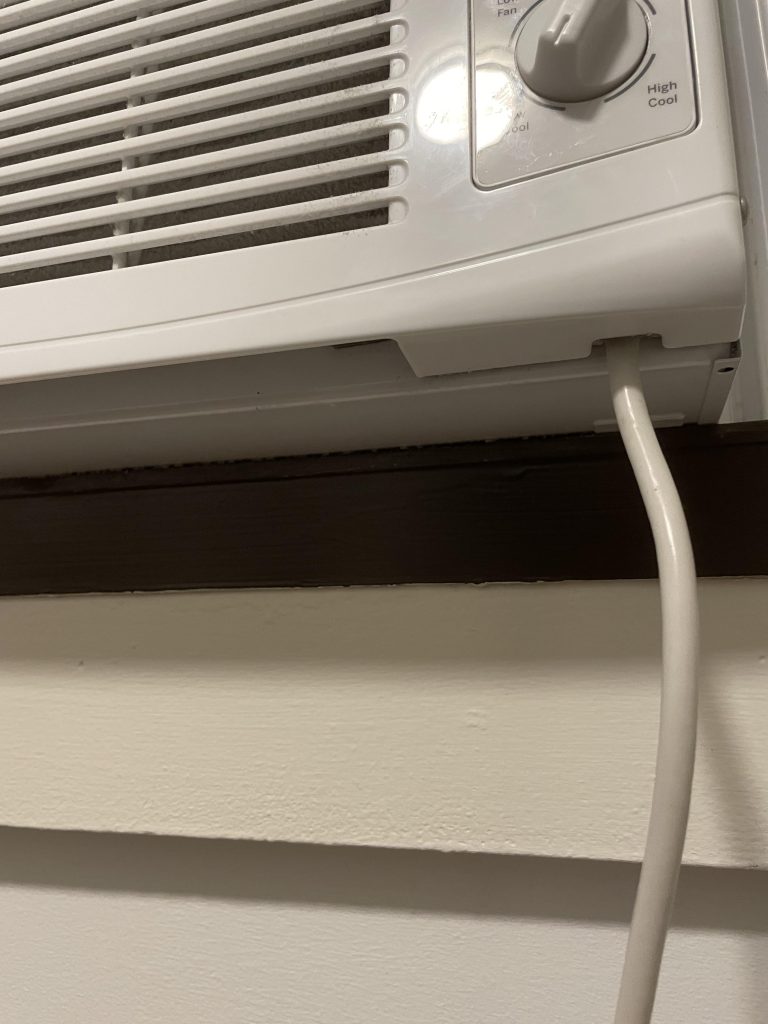
Is your window air conditioner keeping you up at night with its incessant noise? You’re not alone.
Many people find themselves frustrated by the loud clatter or annoying hum of their cooling units. But before you consider replacing it or reaching for those earplugs, let’s explore the reasons why your window air conditioner might be so loud.
Understanding the root cause could save you time, money, and give you back that much-needed peace and quiet. Stay with us as we delve into the common culprits behind the noise and how you can address them effectively. Your comfort and sanity are just a few insights away.
Common Noise Sources
Fan problemsoften cause loud noises in window air conditioners. Fans may get dirty, unbalanced, or damaged, making a buzzing or rattling sound. Dust buildup can slow the fan and increase noise.
Compressor soundsare normal but loud or unusual noises can mean trouble. Clicking, banging, or humming noises might show the compressor is working hard or has issues.
Vibration and rattlingcan come from the whole unit shaking. The air conditioner might not be level or mounted securely. Vibrations can make metal parts hit each other or the window frame.
Loose partsinside the air conditioner create extra noise. Screws, panels, or internal pieces can become loose over time. Tightening these parts often reduces the loud sounds quickly.

Credit: www.reddit.com
Diagnosing Loud Noises
Loud noisesfrom a window air conditioner can signal different issues. Start by identifying the noise type. Buzzing might mean electrical problems. Rattling could be loose parts. Humming often comes from the motor or fan. Knowing the noise helps find the cause quickly.
Airflow obstructionscan also make the unit louder. Check for dirt, leaves, or debris blocking the vents. Clean filters and clear the area around the unit. Good airflow reduces noise and improves cooling.
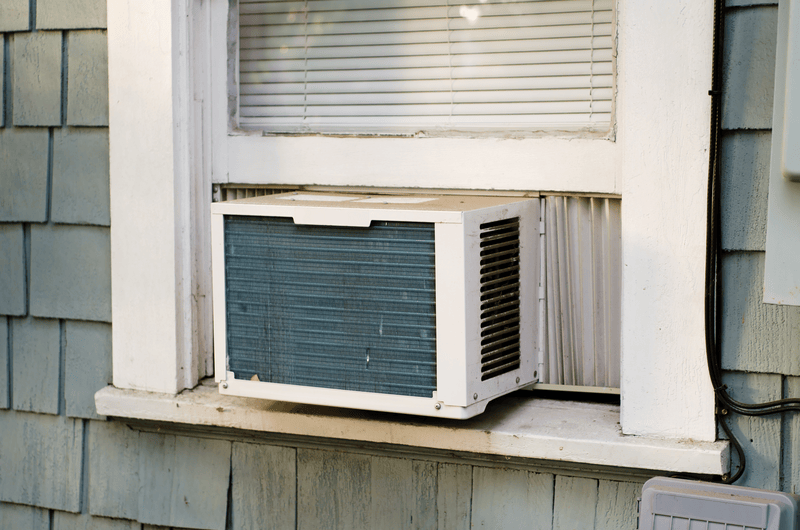
Finally, inspect mounting and installation. A poorly mounted AC can vibrate and create noise. Make sure the unit is level and securely fastened in the window. Use foam or rubber pads to reduce vibration. Proper installation keeps the AC quiet and stable.
Simple Fixes To Reduce Noise
Cleaning your air conditioner regularly helps reduce noise. Dust and dirt build up on the fan and vents. This buildup makes the machine work harder and louder. Use a soft brush or cloth to clean these parts carefully. Make sure the unit is off before cleaning.
Tightening loose screws can stop rattling sounds. Screws loosen over time because of vibrations. Check the screws around the frame and panels. Use a screwdriver to make them tight again. This simple fix often lowers noise quickly.
Replacing worn fan blades improves smooth airflow. Broken or bent blades cause loud noises and bad airflow. Inspect the fan blades for damage. Order new blades that match your model. Installing new blades can make your unit quieter and work better.
Credit: www.homeserve.com
When To Call A Professional
Compressor repair or replacementis needed if loud noises come from the unit’s core. Strange sounds like banging or rattling often mean the compressor is failing. Fixing it requires special tools and skills.
Electrical issuescan cause buzzing or humming sounds. Problems with wiring or capacitors might lead to noise and unsafe operation. A professional can safely check and fix these problems.
Major component failuresinclude broken fans or loose parts inside the unit. These parts can cause loud vibrations or grinding sounds. Repairing or replacing them is best done by a trained technician.
Preventing Future Noise Problems
Regular maintenancekeeps your air conditioner quiet and working well. Clean or replace filters every month to avoid dust buildup. Check the fan blades for dirt and clean them gently. Tighten loose screws and parts to stop rattling noises. Keep the outside unit free from leaves and debris to improve airflow.
Proper installationhelps reduce noise significantly. Make sure the unit sits on a flat, stable surface. Use vibration pads to absorb sound and prevent shaking. Avoid placing the unit near walls or furniture that can reflect noise.
Choosing a quiet modelmatters too. Look for air conditioners with a low decibel (dB) rating. Models with inverter technology usually run more quietly. Check product reviews to find units known for silent operation.

Credit: northnjhvac.com
Frequently Asked Questions
Why Is My Window Air Conditioner Making Loud Noises?
Loud noises often result from loose parts, a dirty fan, or worn-out motor bearings. Regular cleaning and tightening screws usually reduce noise.
How Can I Fix A Noisy Window Air Conditioner?
Start by cleaning the filter and fan blades. Tighten any loose screws and check for damaged parts. Replace worn components if needed.
Does A Dirty Filter Cause Ac Noise?
Yes, a dirty filter restricts airflow, causing the unit to work harder and produce more noise. Regular filter cleaning reduces sound and improves efficiency.
When Should I Call A Professional For Ac Noise?
If noise persists after cleaning and tightening, or if you hear grinding or rattling, contact a technician to inspect and repair your unit.
Conclusion
A loud window air conditioner can be annoying and disruptive. Dirt, loose parts, or worn-out components often cause noise. Regular cleaning and simple fixes can help reduce the sound. Checking the unit’s placement also matters. Taking care of your air conditioner keeps your home quiet and cool.
Don’t ignore unusual noises; they often signal a problem. Small steps can improve comfort and extend the AC’s life. Stay aware and act early to enjoy a peaceful environment.