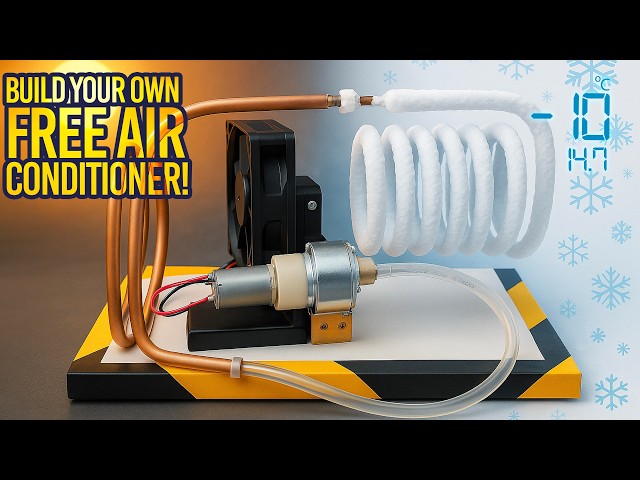
Are you tired of sweating through hot days but don’t want to spend a fortune on an air conditioner? What if you could create a simple, budget-friendly cooling solution using just a fan and a few easy-to-find items?
This guide will show you exactly how to make your own air conditioner with a fan, helping you stay cool without breaking the bank. Keep reading, because the secret to beating the heat is easier than you think—and you’ll want to try it today!

Credit: www.youtube.com
Materials Needed
A fan, a shallow container, ice cubes, and a small cooler or insulated box are essential for this project. Basic tools like scissors and tape help assemble the parts easily. These simple materials make building a DIY air conditioner possible at home.
Choosing The Right Fan
Pick a fan that is strongand portable. Box fans or pedestal fans work best. Make sure the fan has multiple speed settingsfor better control. A fan with a wide blade spanmoves more air, which helps cool better.
Essential Supplies
- Fan (box or pedestal type)
- Ice packs or frozen water bottles
- Plastic container or cooler
- Tape or glue for securing parts
- Scissors or a knife to cut openings
- Water for freezing
Optional Cooling Enhancements
| Enhancement | Purpose | Notes |
|---|---|---|
| Ice packs | Keep air cold | Easy to reuse and freeze again |
| Cooler box | Holds ice and directs cold air | Improves cooling efficiency |
| Damp cloth | Increases cooling by evaporation | Replace often to stay wet |

Credit: www.bgr.com
Preparing The Fan
Start by cleaning the fan blades. Dust and dirt reduce airflow and cooling. Use a soft cloth or brush to wipe each blade carefully. Check for any damage or cracks on the blades.
Regular maintenancehelps the fan run smoothly. Tighten loose screws and oil the motor if needed. This prevents noise and improves performance.
Modifying the fan blades can increase airflow. Slightly bend the blades to push more air forward. Make sure not to bend too much to avoid imbalance.
- Remove dust from blades and grill
- Tighten screws and oil motor
- Carefully bend blades for better airflow
Creating The Cooling Effect
Place ice or frozen bottlesin front of a fan to create cool air. The fan blows air over the cold surface, lowering the temperature of the air around you.
Use large containers filled with cold water or ice. Keep them close to the fan’s air flow. The water helps keep the air cool for a longer time.
| Salt Addition | Effect |
|---|---|
| Add a small amount of salt to the water | Lowers freezing point, making water colder |
| Salt water stays colder longer | Improves cooling effect |
Salt helps the ice last longer and keeps air cooler. This simple trick can improve the fan’s cooling power.

Credit: www.youtube.com
Assembly Steps
Place ice packsor a bowl of cold waterin front of the fan. This will help cool the air as it blows. Use frozen bottles or ice cubes wrapped in a cloth to avoid water dripping.
Attach the cooling elements securely to the fan. Use tape or clips to hold ice packs or water containers near the fan’s vent. Ensure the fan blades can spin freely without touching the cooling parts.
Make sure all parts are stable and safe. Check that wires and containers are not loose. Keep the setup away from electronics and water-sensitive areas to avoid accidents.
Optimizing Performance
Setting the fan speedcorrectly helps to cool the air better. Use medium speedfor a balance between noise and cooling power. High speed moves more air, but can be noisy and less efficient.
Place the fan near a window or doorto bring in cool air from outside. Make sure the fan is not blocked by furniture or curtains. This helps air flow freely and cools the room faster.
- Keep the fan facing the area where you spend most time.
- Avoid placing the fan too close to walls to prevent air blockage.
- Use a small ice tray or cold water in front of the fan for extra cooling.
Safety Tips
Water can damage walls and floors easily. Keep all water away from electrical parts. Use a tray to catch dripping water under the fan. Check for leaks often to stop water damage early.
Always use a safe power source for your fan and air cooler. Avoid using damaged wires or plugs. Keep the plug dry and away from water. Unplug the fan before cleaning or fixing it.
- Place the setup on a flat, dry surface.
- Do not touch the fan with wet hands.
- Keep wires organized to avoid tripping.
- Use a circuit breaker to prevent electrical shocks.
Troubleshooting Common Issues
Fan not cooling enoughoften happens if the fan is too small or slow. Check if the fan blades are clean and not bent. A dirty or damaged fan cannot move air well. Placing the fan in a shaded spot helps it work better. Also, adding ice or cold water in front of the fan can improve cooling.
Condensation problemsmay cause water drops around the fan or wet floors. This happens when warm air hits cold surfaces. Using a tray to catch water helps keep the area dry. Make sure the fan is tilted slightly forward to let water drain out safely. Avoid blocking air flow to reduce moisture build-up.
Energy Efficiency Benefits
DIY coolingwith a fan uses less power than air conditioners. Fans only move air, so they consume less electricity. Air conditioners cool by removing heat, which needs more energy.
A simple fan with ice or a wet cloth can lower room temperature. This method costs little and saves money on electric bills. It is eco-friendlyand easy to set up.
| Feature | DIY Fan Cooling | Air Conditioner |
|---|---|---|
| Energy Use | Low | High |
| Cost | Low | High |
| Setup | Simple | Complex |
| Environmental Impact | Low | High |
Frequently Asked Questions
How Can A Fan Be Turned Into An Air Conditioner?
To convert a fan into an air conditioner, place a bowl of ice in front of it. The fan will blow air over the ice, creating a cooling effect. This method is simple and cost-effective, making it a popular DIY cooling solution for small spaces.
Does Using Ice With A Fan Cool A Room?
Yes, using ice with a fan can help cool a room. When the fan blows air over the ice, it creates a cooling effect. This method is effective for small areas and can lower the ambient temperature by a few degrees, providing temporary relief during hot weather.
What Materials Are Needed To Make A Diy Air Conditioner?
To make a DIY air conditioner, you’ll need a fan, a shallow bowl, and ice cubes. You can also use a large plastic bottle filled with frozen water. These materials are easy to find and inexpensive, making this method accessible for most people.
Is Making A Diy Air Conditioner Cost-effective?
Yes, making a DIY air conditioner is cost-effective. It uses minimal materials like a fan and ice. This method provides a temporary cooling solution without the high energy costs associated with traditional air conditioning units, making it an affordable option for many people.
Conclusion
Making an air conditioner with a fan is simple and cost-effective. This DIY project helps cool your room without high bills. It uses basic tools and easy steps anyone can follow. You can feel fresh air on hot days by creating this at home.
Try it yourself and enjoy a cooler space. Small changes can bring big comfort. Start today and beat the heat in a smart way.