Have you ever looked at your car tires and wondered what those numbers and letters really mean? Understanding how car tires are measured can save you money, improve your safety, and make sure your vehicle runs smoothly.
If you want to choose the right tires or know when it’s time for a change, this guide is for you. Keep reading, and you’ll discover everything you need to know about tire sizes, what each measurement means, and how to pick the best fit for your car.
Your next tire decision will be easier than ever!
Tire Size Basics
Car tires have numbers and letters that tell their size. Knowing these helps you pick the right tire.
This guide explains the key parts of tire size and what they mean.
Decoding Tire Numbers
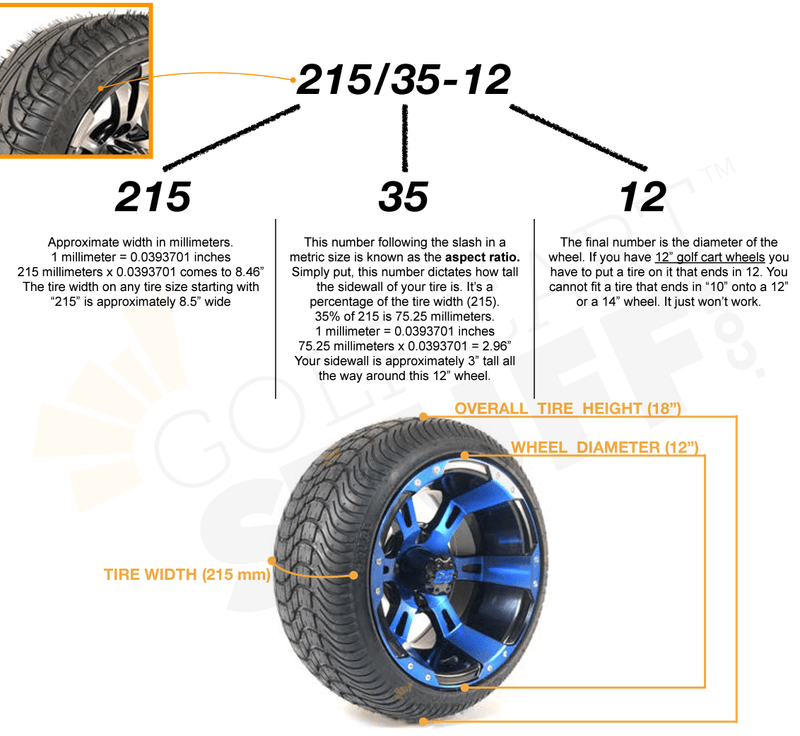
Tire sizes look like this: P215/65R15. Each part tells you something different.
- Pmeans the tire is for a passenger car.
- 215is the tire width in millimeters.
- 65is the aspect ratio or height compared to width.
- Rshows the tire has radial construction.
- 15is the rim diameter in inches.
Understanding Width And Aspect Ratio
The tire width is the distance across the tire from sidewall to sidewall. It is measured in millimeters.
| Term | Meaning | Example |
| Width | Distance across the tire | 215 mm |
| Aspect Ratio | Height of sidewall as % of width | 65% |
The aspect ratio shows how tall the tire sidewall is. A 65 ratio means the height is 65% of the width.
Role Of Rim Diameter
The rim diameter is the size of the wheel the tire fits. It is measured in inches.
- Common rim sizes range from 13 to 20 inches.
- The tire must match the rim size exactly.
- Rim diameter affects how the tire mounts on the wheel.
Measurement Units
Car tires are measured using different units depending on the region. Understanding these units helps you choose the right tire size for your vehicle.
Most tire sizes include numbers that tell you about the tire’s width, aspect ratio, and diameter. These measurements can be in metric or imperial units.
Metric Vs. Imperial Units
Metric units use millimeters to measure tire width and height. Imperial units use inches for most tire measurements.
- Metric sizes show width in millimeters, such as 205 mm.
- Imperial sizes show width in inches, like 8 inches.
- Diameter of the tire’s inner rim is usually in inches in both systems.
- Aspect ratio is a percentage, showing sidewall height compared to width.
Common Tire Size Formats
Tire sizes often come in formats that mix numbers and letters. These formats show key measurements clearly.
| Format | Description | Example |
|---|---|---|
| Metric | Width in millimeters / Aspect ratio as a % / Rim diameter in inches | 205/55R16 |
| Imperial | Width in inches – Rim diameter in inches | 8.0-16 |
| Alphanumeric | Letter for tire type + width in mm + aspect ratio + rim diameter | P215/65R15 |
Reading Sidewall Markings
Car tires have many numbers and letters on their sidewalls. These markings tell you important information about the tire size, type, and limits. Learning to read them helps you choose the right tires for your car.
The sidewall markings include the tire’s width, aspect ratio, construction type, load index, and speed rating. Each part means something specific.
Interpreting Load Index And Speed Rating
The load index is a number that shows how much weight a tire can hold. The higher the number, the more weight the tire can support. The speed rating is a letter that tells the maximum speed the tire can safely handle.
You can find these codes after the tire size on the sidewall. For example, “91V” means a load index of 91 and a speed rating of V.
| Load Index | Max Load (lbs) |
|---|---|
| 91 | 1356 |
| 95 | 1521 |
| 100 | 1764 |
| Speed Rating | Max Speed (mph) |
|---|---|
| T | 118 |
| H | 130 |
| V | 149 |
Identifying Tire Type And Construction
Tire markings also show the tire type and how it is made. You can see letters like “P” or “LT” and a letter showing construction, like “R” or “B.”
“P” means the tire is for passenger cars. “LT” means it is for light trucks. The letter “R” shows the tire has radial construction. “B” means bias-ply construction.
- P – Passenger Tire
- LT – Light Truck Tire
- R – Radial Construction
- B – Bias-Ply Construction
Credit: simpletire.com
Measuring Tire Dimensions Manually
Knowing how to measure car tires manually helps you find the right replacements. It also ensures your vehicle runs safely and smoothly.
This guide shows you the tools you need and the process to measure tire dimensions by hand.
Tools Needed
Before you start measuring, gather the right tools. These will help you get accurate dimensions for your tires.
- Tape measure or ruler with clear markings
- Flat surface to place the tire
- Pen and paper to record measurements
- Caliper (optional for precise width measurement)
Step-by-step Measurement Process
Follow these simple steps to measure your tire’s width, aspect ratio, and diameter manually.
- Place the tire upright on a flat surface.
- Measure the tire’s width from sidewall to sidewall using a tape measure. This is the section width.
- Find the tire’s height by measuring from the edge of the rim to the outer tread edge. This gives the sidewall height.
- Measure the diameter of the rim by checking the distance from one edge of the rim to the opposite edge inside the tire.
- Write down all measurements clearly for reference.
| Dimension | What to Measure | How to Measure |
|---|---|---|
| Width | Distance across the tire tread | Measure sidewall to sidewall with tape measure |
| Sidewall Height | Height from rim edge to tread edge | Measure from rim to outer tread |
| Rim Diameter | Diameter of the wheel rim | Measure inside edge to inside edge of rim |
Factors Affecting Tire Size Accuracy
Tire size accuracy matters for safety and performance. Several factors can change the actual size of car tires.
Understanding these factors helps you choose the right tires and maintain them well.
Tire Wear And Deformation
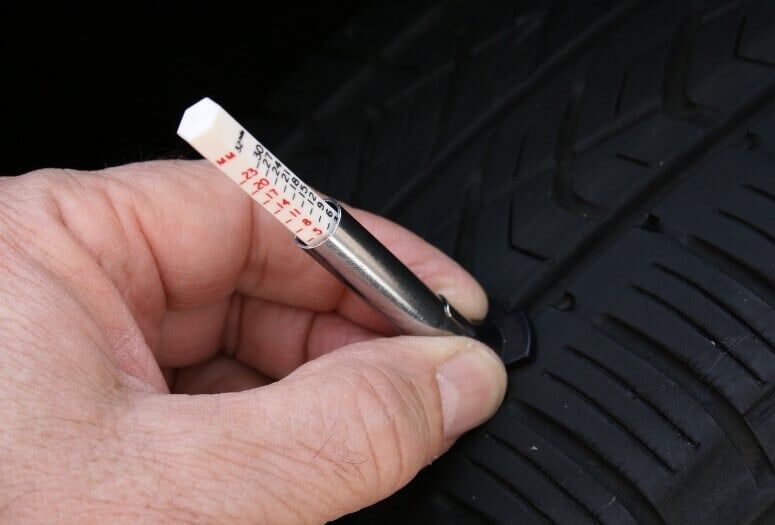
Tires change size as they wear out or deform. Worn tread means less height, affecting the tire’s overall diameter.
- Worn tires have smaller diameter than new ones.
- Underinflated tires can bulge, increasing width but reducing height.
- Overinflated tires become harder and may deform less but wear unevenly.
- Heavy loads can flatten tires slightly, changing their shape.
Manufacturing Tolerances
Tires come with size variations from the factory. These are called manufacturing tolerances.
| Factor | Effect on Size | Typical Range |
| Rubber thickness | Can alter tire diameter slightly | ±2% |
| Sidewall height | Varies within set limits | ±1.5 mm |
| Tread depth | Initial tread depth can differ | ±0.5 mm |
| Overall diameter | Manufacturing variance on size | ±3 mm |
Credit: golfcartstuff.com
Choosing The Right Tire Size
Car tires come in many sizes. Choosing the right size is important for your vehicle.
The right tire size affects safety, performance, and comfort on the road.
Matching Manufacturer Recommendations
Car makers give tire size advice in the owner’s manual. They test tires to fit your vehicle.
Using the recommended size keeps your car working well and safe.
- Check the door jamb or fuel door for tire size labels
- Use the size shown in the owner’s manual
- Do not choose tires that are too big or small
Considering Vehicle Performance And Safety
Tire size changes how your car handles. It affects speed, braking, and fuel use.
Wrong tire size can cause poor grip, uneven wear, and unsafe driving conditions.
- Choose tires that match your driving needs
- Keep the tire width and diameter close to the original size
- Consult a tire expert if you want a different size
Common Tire Size Mistakes
Knowing how to read car tire sizes is very important for safety. Many people make mistakes when measuring tires.
Wrong tire size can cause poor driving and damage to your car. Learn about common mistakes to avoid them.
Misreading Sidewall Codes
Tire sizes are written on the tire sidewall in codes. People often read these codes wrong, which leads to buying the wrong tire.
For example, a code like “205/55R16” means tire width, aspect ratio, and wheel diameter. Misunderstanding any part causes errors.
- 205 is the tire width in millimeters
- 55 is the aspect ratio, or height as a percent of width
- R16 means the tire fits 16-inch wheels
Using Incorrect Measurement Methods
Measuring tires by hand without the right tools causes mistakes. Using a tape measure incorrectly can give false results.
People sometimes measure the tire diameter instead of the wheel size. This mistake leads to buying the wrong size tire.
- Always measure the tire width across the tread
- Use a ruler or tape measure for accurate results
- Measure the wheel diameter, not the tire diameter
- Check the tire sidewall code to confirm size
Credit: www.blackcircles.ca
Tools And Apps For Tire Measurement
Measuring car tires correctly is important for safety and performance. Using the right tools can make this task easy and accurate.
Many tools and apps are available to help you measure tire size and check if they fit your vehicle.
Digital Calipers And Measuring Devices
Digital calipers are precise tools used to measure tire dimensions like tread width and sidewall height. They give exact readings in millimeters or inches.
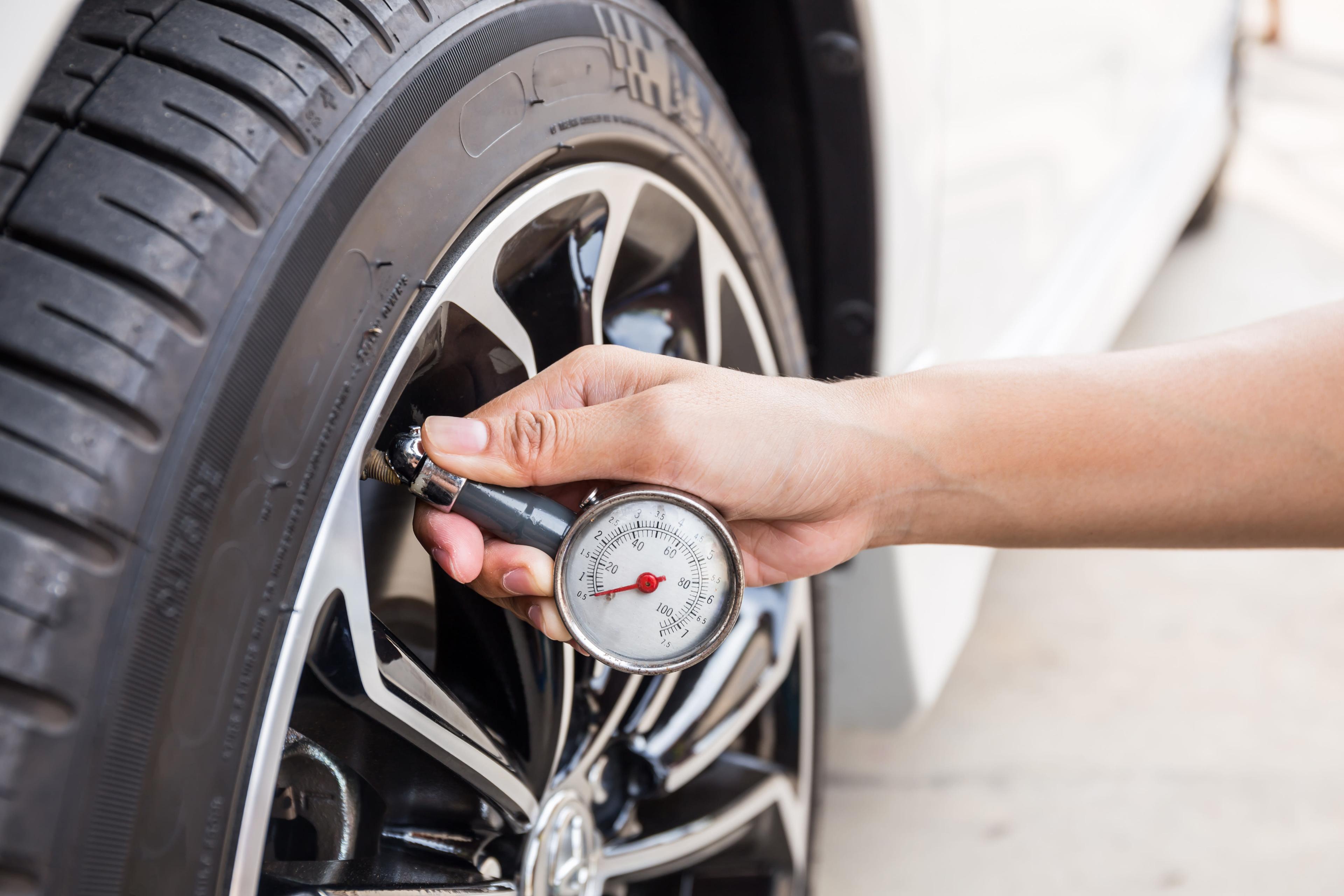
Other measuring devices include tape measures and tire gauges. Tape measures help check tire diameter, while tire gauges measure air pressure.
- Digital calipers provide accurate width and depth measurements
- Tape measures help find overall tire diameter
- Tire gauges check air pressure for safety
Mobile Apps For Size Verification
Mobile apps let you measure tire size using your phone camera. These apps compare your tire to a reference object to estimate size.
Apps also store tire sizes and suggest compatible replacements. They make it easier to verify tire specs without special tools.
- Use phone camera to measure tire dimensions
- Compare tire size with reference objects
- Store and manage tire size information
- Suggest compatible tire replacements
Frequently Asked Questions
What Do Tire Size Numbers Mean?
Tire size numbers represent the tire’s width, aspect ratio, and diameter. For example, in 205/55R16, “205” is the width in millimeters, “55” is the aspect ratio, and “16” is the diameter in inches. Understanding these numbers helps in selecting the right tires for your vehicle.
How To Read A Car Tire Size?
Reading a car tire size involves understanding the sequence of numbers on the sidewall. The sequence typically includes the tire’s width, aspect ratio, and diameter. Each of these numbers provides specific information about the tire’s dimensions and capabilities, ensuring proper fit and performance.
What Is The Aspect Ratio In Tire Size?
The aspect ratio in tire size is the height of the tire’s sidewall expressed as a percentage of the width. A lower aspect ratio typically indicates a shorter sidewall, which can enhance handling but may reduce ride comfort. It plays a crucial role in determining the tire’s overall performance.
How Does Tire Diameter Affect Performance?
Tire diameter affects a vehicle’s handling, speedometer accuracy, and ride quality. A larger diameter can improve stability and handling, while a smaller one may enhance acceleration. It’s important to choose a diameter that matches your vehicle’s specifications for optimal performance and safety.
Conclusion
Understanding car tire measurements helps you choose the right tires. Tire size affects safety, performance, and comfort on the road. Knowing the numbers on the sidewall makes shopping easier. Always check your vehicle’s manual for the correct tire size. Properly sized tires improve fuel efficiency and tire life.
Keep these tips in mind when buying new tires. A little knowledge goes a long way for better driving.