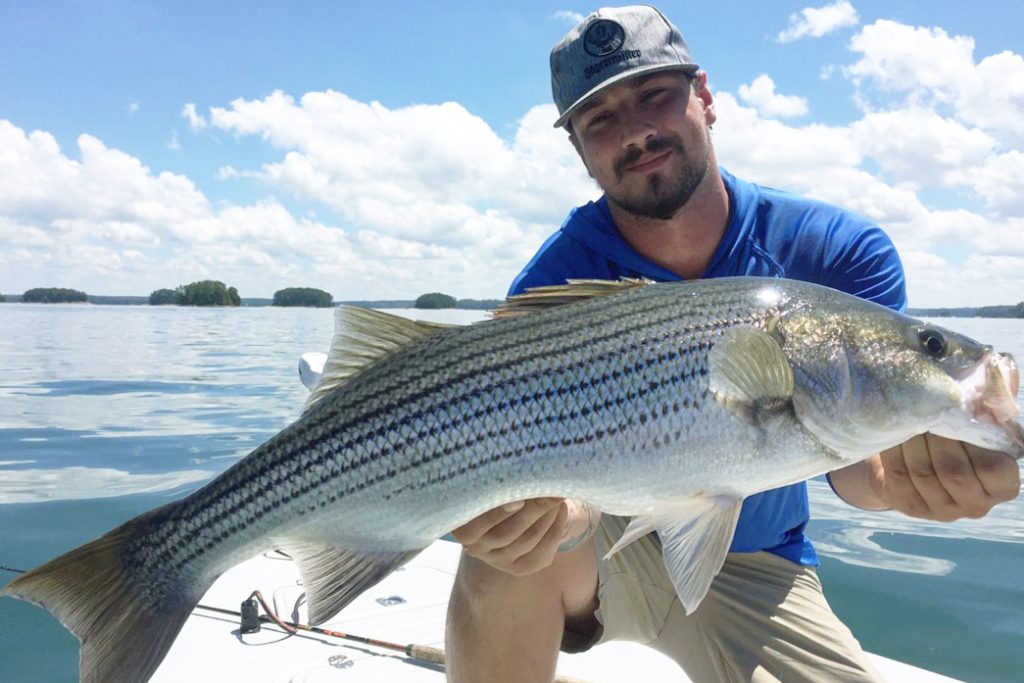
Are you ready to catch that trophy striped bass but unsure which fishing line will give you the best chance? Choosing the right pound test (lb) fishing line can make all the difference between landing a big one or losing it at the last moment.
You want a line strong enough to handle powerful runs but still sensitive enough to feel every nibble. You’ll discover exactly what lb fishing line is ideal for striped bass, helping you fish smarter and increase your success on the water.
Keep reading, and get ready to upgrade your fishing game!

Credit: www.reddit.com
Striped Bass Basics
Striped bass are popular fish for anglers. They grow large and fight hard.
Choosing the right fishing line strength is key. It helps catch striped bass safely.
Size And Strength
Striped bass can weigh from 10 to over 50 pounds. They need strong fishing line.
A 15 to 30 lb test line works well. Heavier lines suit bigger fish and rough waters.
- 15-20 lb line for smaller or younger striped bass
- 20-30 lb line for larger fish or heavy cover areas
- Use braided or strong monofilament line for strength
Behavior And Habitat
Striped bass live in rivers, bays, and coastal waters. They like rocky and sandy spots.
These fish are strong and active. They swim fast and fight hard when hooked.
- Found near structures like piers and rocks
- Feed on smaller fish and crustaceans
- Use strong line to handle their powerful runs
Fishing Line Types
Choosing the right fishing line is key for catching striped bass. Different types of lines suit different fishing styles and conditions.
Understanding the main types of fishing lines helps you pick the best one for your trip.
Monofilament
Monofilament line is made from a single strand of nylon. It is flexible and easy to handle.
This line stretches well, which helps absorb the shock of a big fish. It is also less visible in water but can wear out faster.
- Good for beginners
- Easy to tie knots
- Usually less expensive
- Best strength range: 12-20 lb for striped bass
Fluorocarbon
Fluorocarbon line is made from a special material that is nearly invisible underwater. This helps avoid spooking fish.
It is more resistant to abrasion and lasts longer than monofilament. Fluorocarbon is stiffer but offers good sensitivity.
- Great for clear water
- Less stretch than monofilament
- Strong and durable
- Use 12-20 lb test for striped bass
Braided Line
Braided line uses several fibers woven together. It has very little stretch and high strength.
This line is thinner than monofilament and fluorocarbon of the same strength. It is very sensitive but more visible in water.
- Best for heavy cover or deep water
- Strong and sensitive
- Requires a leader for clear water
- Choose 20-30 lb test for striped bass
Choosing The Right Lb Test
Picking the right pound test for your fishing line is key to catching striped bass. The pound test shows how much weight the line can hold before breaking.
Using the correct line strength helps you fight the fish without losing it. It also keeps your gear safe and lasts longer.
Factors To Consider
Think about where you will fish and the size of striped bass you expect. These affect the pound test you need.
Water type, fishing style, and the rod you use also matter. Stronger lines work well in rough water or heavy cover.
- Water type (freshwater or saltwater)
- Size of striped bass in your area
- Fishing technique (casting, trolling, or surf fishing)
- Rod strength and type
- Amount of underwater obstacles like rocks and weeds
Recommended Lb Ranges
For most striped bass fishing, a line with 10 to 20 lb test is a good choice. This range handles average to large fish well.
Use lighter lines if you expect smaller fish or want better lure action. Heavier lines help with bigger fish and tough conditions.
| Fishing Situation | Recommended Lb Test |
|---|---|
| Small to medium striped bass, calm water | 10-12 lb |
| Average size striped bass, general fishing | 12-16 lb |
| Large striped bass, surf or rough water | 16-20 lb |
| Very large fish or heavy cover | 20+ lb |
Line Strength Vs. Sensitivity
Choosing the right fishing line for striped bass means balancing strength and sensitivity. Strong lines help land big fish. Sensitive lines let anglers feel subtle bites.
Understanding these traits helps pick the best line for your fishing style and conditions.
Balancing Durability And Feel
Durability protects the line from breaking on sharp teeth or rough cover. Feel lets you sense light strikes and movements in the water. Stronger lines usually feel stiffer. Softer lines give better feedback but may break easier.
- High strength lines resist abrasion and heavy fish
- Sensitive lines transmit subtle bites more clearly
- Thicker lines last longer but reduce sensitivity
- Thin lines improve feel but may snap under pressure
Impact On Casting And Fighting Fish
Line strength and thickness change casting distance and control. Heavy lines can shorten casts. Thin lines cast farther but risk breaking. During the fight, strong lines keep fish from cutting loose. Sensitive lines help you adjust drag and rod pressure.
| Line Strength (Lb) | Casting Distance | Fish Control | Sensitivity |
| 8–12 | Long | Moderate | High |
| 15–20 | Moderate | Strong | Medium |
| 25+ | Short | Very Strong | Low |
Environmental Influences
Choosing the right fishing line strength for striped bass depends on several environmental factors. These conditions affect how the line performs and how easily you can catch fish.
Two important factors to consider are water conditions and the type of cover and structure where you fish. These influence the line weight you should use.
Water Conditions
Water clarity, depth, and current strength all affect your choice of fishing line. Clear water calls for thinner, less visible lines. Deeper or fast-moving water needs stronger lines to hold up against tension.
- Clear water: Use lighter line, around 8-12 lb test for less visibility.
- Murky or stained water: Heavier line, 12-20 lb test, offers better control.
- Strong currents: Choose stronger lines, 15-25 lb test, to resist breakage.
- Deep water: Heavier line helps maintain tension and reel in fish.
Cover And Structure
Striped bass often hide near rocks, docks, or submerged trees. These structures can cause your line to snag or break. Choosing the right line strength helps avoid losing fish or tackle.
| Type of Cover | Recommended Line Strength (lb test) | Reason |
|---|---|---|
| Open water | 8-12 | Less chance of snagging, lighter line works well |
| Rocky areas | 15-20 | Stronger line resists abrasion and breaks |
| Wooded or brushy spots | 20-25 | Heavier line helps pull fish away from snags |
| Docks and pilings | 15-20 | Durable line to handle rough surfaces |
Tips For Line Maintenance
Choosing the right pound test for your striped bass fishing line is important. Keeping the line in good condition helps catch more fish. Proper care extends the life of your line.
Regular maintenance stops damage and prevents line breaks. Use simple habits to keep your fishing line strong and ready.
Storage And Care
Store your fishing line in a cool, dry place. Avoid direct sunlight because UV rays weaken the line. Keep the line away from sharp objects and chemicals.
Clean your line after every use. Rinse it with fresh water to remove salt and dirt. Let it dry fully before storing to prevent mold and damage.
- Use a line spooler to keep line tight and neat
- Check for knots or twists before storing
- Avoid leaving the line on the reel too long without use
When To Replace Your Line
Replace your fishing line if it shows signs of wear. Look for frays, nicks, or thinning areas. These weak spots can break under tension.
Also change the line after catching large fish. Heavy fighting can damage the line even if you don’t see it. Fresh line helps avoid losing fish.
- Replace line every 3 to 6 months if used often
- Change line after strong fish or rough water
- Inspect line before each fishing trip
Common Mistakes To Avoid
Choosing the right fishing line strength is key for striped bass fishing. Using the wrong line can lead to lost fish or broken gear.
This guide covers common errors anglers make with line weight and line stretch. Avoiding these mistakes helps improve your fishing experience.
Using Too Light Or Heavy Line
Picking a line that is too light can cause frequent breaks. Too heavy a line can scare fish away and reduce your lure action.
- Light line breaks easily on big striped bass.
- Heavy line reduces bait movement and natural feel.
- Choose a line strength between 12 to 20 lb for most conditions.
- Adjust line weight based on water clarity and fish size.
Ignoring Line Stretch
Line stretch affects hook setting and fish control. Too much stretch delays hook sets. Too little stretch can cause line breakage.
| Line Type | Stretch Percentage | Effect on Fishing |
| Monofilament | 15-25% | Good shock absorption but less sensitivity |
| Fluorocarbon | 10-15% | Less visible, moderate stretch |
| Braid | 2-5% | High sensitivity, low stretch, needs careful hook setting |

Credit: www.reddit.com

Credit: www.mossyoak.com
Frequently Asked Questions
What Strength Line For Striped Bass?
For striped bass, a 20-30 lb test line is ideal. This strength offers the right balance of sensitivity and power. It can handle the fight of a large striped bass while ensuring you feel every nibble.
Is Braided Line Good For Striped Bass?
Yes, braided line is excellent for striped bass fishing. Its thin diameter allows for longer casts. It also offers greater sensitivity and less stretch, helping detect bites easier.
Can I Use Monofilament For Striped Bass?
Yes, monofilament is suitable for striped bass. It has good shock strength and is more forgiving. This makes it easier for beginners to use and manage.
Should I Use Fluorocarbon For Striped Bass?
Fluorocarbon is a great choice for striped bass. It’s nearly invisible underwater, reducing fish spooking. It also has excellent abrasion resistance, making it perfect for rocky environments.
Conclusion
Choosing the right lb fishing line helps catch striped bass better. A line too weak breaks easily. A line too strong feels heavy and less sensitive. Usually, 15 to 30 lb lines work best. Think about the size of fish and water conditions.
Using the correct line improves your chances to land big bass. Keep your gear balanced for a smooth fishing experience. Happy fishing and tight lines!