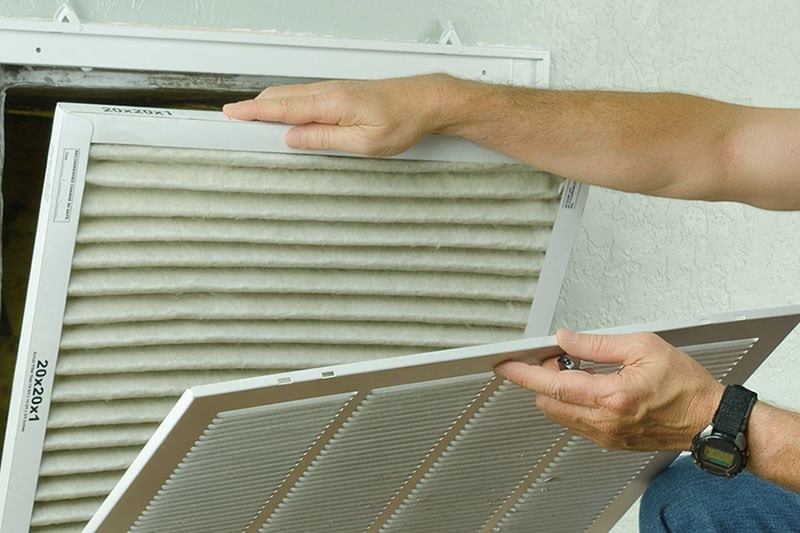
Have you ever wondered what your air conditioner filter actually does? It might seem like a small, simple part, but it plays a huge role in keeping your home comfortable and your air clean.
Understanding how this filter works can help you breathe easier and even save money on energy bills. Keep reading, and you’ll discover why paying attention to your air conditioner filter is one of the smartest moves you can make for your home’s health and comfort.
How Air Conditioner Filters Work
Air conditioner filters catch dust, pollen, and tiny particlesfrom the air. This helps keep the air clean and freshinside your home. Filters trap these particles, stopping them from spreading.
Filters also protect the AC parts. Dust and dirt can harm the AC’s inner parts. Clean filters stop this damage and help the AC last longer.
Good filters keep the air flowing well. When filters are dirty, the air moves slowly. This makes the AC work harder and use more energy. Clean filters help the AC run smoothly and efficiently.
Types Of Air Conditioner Filters
Fiberglass filtersare the most basic type. They catch large dust and dirt particles. These filters are cheap but need frequent changing. They protect the air conditioner’s parts but do not clean the air well.
Pleated filtershave a larger surface area due to folds. They trap smaller particles like pollen and pet dander. These filters last longer and improve indoor air quality better than fiberglass filters.
HEPA filtersare very fine and capture tiny particles, including allergens and smoke. They are used in homes where air quality is very important. HEPA filters can reduce asthma and allergy problems.
Electrostatic filtersuse static electricity to attract dust and dirt. They can be washable and reusable. These filters work well for trapping small particles and are good for people with allergies.
Health Benefits Of Clean Filters
Clean air conditioner filterscapture dust, pollen, and other tiny particles. This helps reduce allergens and pollutantsin the air you breathe indoors. Cleaner air lowers the chance of allergies acting up.
Good filters improve indoor air quality. They keep the air fresh and less dusty. This creates a healthier space for everyone in the home or office.
Minimizing respiratory issuesis another key benefit. People with asthma or breathing problems find it easier to breathe. Clean filters stop harmful particles from irritating lungs and noses.

Credit: climatecontrolinc.com
Energy Savings And Cost Efficiency
Clean air filtershelp your AC use less energy. Dirt and dust block airflow, making the AC work harder. This raises electricity bills.
Good filters keep air moving freely, so the AC uses less power. This saves money every month.
Filters also protect the AC parts. This reduces wear and tearand can make the AC last longer.
With clean filters, the AC needs fewer repairs. This means lower maintenance costsover time.
Signs You Need To Replace Filters
Decreased cooling performanceis a common sign that filters need replacing. Dirty filters block airflow, making the air conditioner work harder. This leads to less cool air in your home and uneven temperatures in rooms.
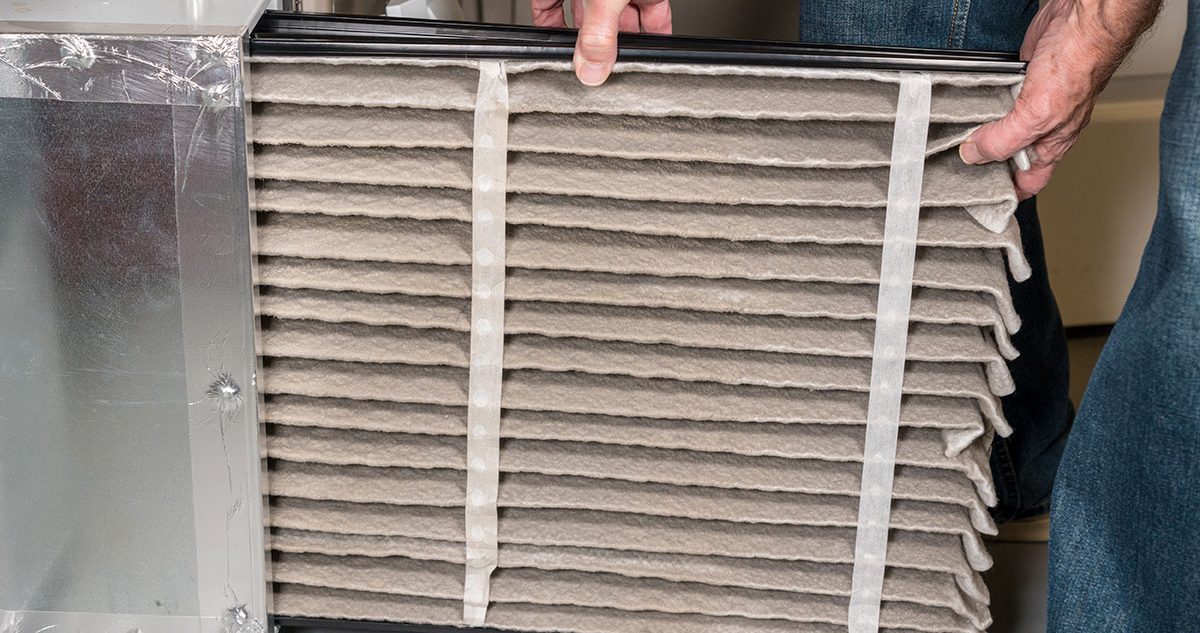
Visible dirt and dust accumulationon the filter surface means it is clogged. Dust builds up over time and reduces the filter’s ability to clean the air. A dirty filter can also cause bad odors and allergies.
Increased energy billsoften happen because a dirty filter makes the system less efficient. The air conditioner uses more power to cool the space. Replacing filters regularly helps save energy and lowers bills.
Credit: aspenaireinc.com
Tips For Filter Maintenance
Check your air conditioner filter every month. This helps catch dirt early. Clean or change it often to keep air fresh and cool. A dirty filter makes the AC work hard and uses more energy.
Make sure the filter fits well in the AC unit. A loose filter lets dust bypass it, which can harm the system. Always follow the size and direction marks on the filter frame.
| Filter Type | Best For | Change Frequency |
|---|---|---|
| Fiberglass | Basic dust and dirt | Every 30 days |
| Pleated | Better dust and allergens | Every 3 months |
| HEPA | Very fine particles | Every 6 months |

Credit: www.bentleysac.com
Frequently Asked Questions
How Often Should You Replace Ac Filters?
Replacing AC filters every 1 to 3 months is recommended. This ensures optimal air quality and system efficiency. Regular replacement helps prevent allergens and dust buildup. Check your filter monthly and replace it as needed. Frequency may vary based on usage and environment.
Do Air Filters Improve Indoor Air Quality?
Yes, air filters significantly improve indoor air quality. They capture dust, pollen, and other airborne particles. Cleaner air reduces allergy symptoms and respiratory issues. Regularly changing filters maintains their effectiveness. Quality filters can trap smaller particles, enhancing overall air purity.
Can Dirty Filters Affect Ac Performance?
Dirty filters can severely impact AC performance. They restrict airflow, causing the system to work harder. This can lead to increased energy consumption and higher bills. In extreme cases, it may cause system failure. Regular maintenance prevents these issues and ensures efficient operation.
What Types Of Ac Filters Are Available?
Several types of AC filters are available, including fiberglass, pleated, and HEPA filters. Fiberglass filters are cost-effective but less efficient. Pleated filters offer better filtration for allergens. HEPA filters provide the highest level of filtration, capturing tiny particles. Choose based on your needs and budget.
Conclusion
Air conditioner filters keep the air clean and fresh. They trap dust, dirt, and allergens effectively. Clean filters help the AC work better and save energy. Changing filters regularly prevents damage and costly repairs. Good air quality improves health and comfort at home.
Simple care extends your AC’s life and keeps it running well. Don’t ignore the filter—it plays an important role daily. Small steps make a big difference in cooling and air quality.