You’ve invested in a canvas tent, and you want it to last through every adventure. But when rain starts falling, will your tent keep you dry or leave you soaked?
Waterproofing your canvas tent is the key to staying comfortable and protected no matter the weather. In this guide, you’ll discover simple, effective steps to make your tent water-resistant and ready for any storm. Keep reading to learn how to protect your gear and enjoy worry-free camping every time.
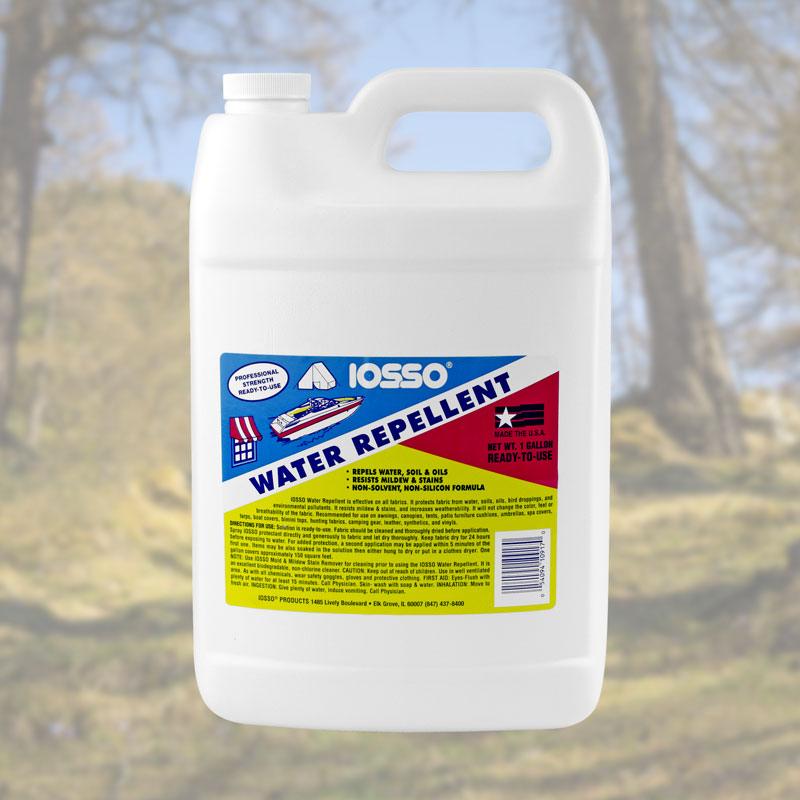
Selecting The Right Waterproofing Products
Waterproofing a canvas tent keeps you dry and protects the fabric. Choosing the right products is key for good results.
Different waterproofing options work better for different needs. Learn about sprays, sealants, eco-friendly choices, and tools.
Waterproof Sprays Vs. Sealants
Waterproof sprays are easy to apply and dry quickly. They coat the fabric without changing its feel.
Sealants create a thicker layer on the tent. They offer strong protection but can make the fabric stiff.
| Feature | Waterproof Sprays | Sealants |
| Application | Spray on surface | Brush or roll on |
| Drying Time | Fast | Slower |
| Fabric Feel | Soft | Stiff |
| Protection Level | Moderate | High |
| Best For | Light rain and easy use | Heavy rain and long-term use |
Eco-friendly Options
Eco-friendly waterproofing products use natural ingredients. They are safer for you and the environment.
- Look for water-based sprays with no harmful chemicals
- Choose products made from natural waxes or oils
- Check for biodegradable packaging
- Avoid products with strong fumes or toxins
Tools You’ll Need
Using the right tools helps apply waterproofing evenly and cleanly.
- Soft brush to clean the tent before applying
- Spray bottle or applicator for even coverage
- Gloves to protect your hands
- Drop cloth to protect the ground
- Measuring cup for mixing products if needed

Credit: www.youtube.com
Preparing Your Canvas Tent
Waterproofing your canvas tent starts with good preparation. This helps the waterproof coating work well.
Before applying any waterproof products, clean and check your tent carefully. Fix any problems first.
Cleaning And Drying
Remove dirt, dust, and stains from your tent before waterproofing. Use a soft brush or sponge with mild soap.
Rinse the tent well with clean water. Let it dry completely in the sun or a dry place.
- Use cold or lukewarm water only
- Avoid harsh chemicals or bleach
- Do not use a washing machine
- Dry fully to stop mold growth
Inspecting For Damage
Look closely at your tent fabric and seams. Check for holes, tears, or worn spots.
Repair small holes or tears with patch kits. Replace or sew any damaged seams before waterproofing.
- Check zippers and flaps for damage
- Look under the tent for hidden wear
- Test the tent poles for stability
Removing Old Waterproof Coatings
Old waterproof coatings can stop new ones from sticking. Remove any flaking or peeling coatings.
Use a soft brush or cloth with warm water and mild soap. Scrub gently to avoid damaging the fabric.
- Do not use harsh scrapers
- Rinse well after cleaning
- Let the tent dry fully before new coating
Applying Waterproof Coating
Waterproofing a canvas tent keeps you dry in wet weather. Applying a waterproof coating adds a protective layer. This helps stop water from soaking through the fabric.
Use the right coating and apply it carefully. This guide shows how to do it well for long-lasting protection.
Step-by-step Application
Start by cleaning your tent. Remove dirt and dust with a soft brush or cloth. Make sure the tent is dry before coating.
Apply the waterproof coating evenly. Use a brush or sponge for best results. Cover all areas of the canvas with a thin layer.
- Clean and dry the tent fully
- Use a soft brush or sponge to apply coating
- Apply a thin, even layer over the canvas
- Work in small sections for better control
- Do not miss any spots or thin areas
Coverage Tips For Seams And Edges
Seams and edges are weak points where water can enter. Apply extra coating to these areas to seal them well. Use a small brush for precision.
Make sure the coating covers the stitches and overlaps. This adds strength and water resistance to the tent’s joints.
- Focus extra coating on seams and edges
- Use a small brush for detailed work
- Cover stitches and overlaps fully
- Check these areas again after drying
Drying Time And Conditions
Let the waterproof coating dry completely before using the tent. Drying usually takes 12 to 24 hours. Choose a warm, dry, and well-ventilated place.
Avoid direct sunlight or rain during drying. Check the coating for tackiness before packing the tent away.
- Dry time: 12 to 24 hours
- Dry in warm, well-ventilated area
- Avoid direct sun or rain while drying
- Check coating is dry and not sticky
Maintaining Waterproofing Over Time
Keeping your canvas tent waterproof needs regular care. This helps the tent last longer and stay dry inside.
Follow these simple tips to maintain the waterproof coating and protect your tent during every trip.
Routine Checks
Check your tent often for any signs of wear or damage. Look for small holes, tears, or areas where water soaks in.
- Inspect seams for loose stitching
- Look for mold or mildew spots
- Feel for wet patches after rain
- Check the tent’s waterproof coating condition
Reapplying Waterproof Coating
Over time, waterproof coatings wear off. You should reapply them to keep the tent dry.
- Clean the tent surface with mild soap and water
- Let the tent dry completely before applying coating
- Use a waterproof spray made for canvas fabric
- Spray evenly on all canvas surfaces
- Allow the coating to dry fully before packing
Storage Best Practices
Proper storage helps keep your canvas tent waterproof. Store it in a dry place away from sunlight and moisture.
| Storage Tip | Reason |
| Dry tent completely | Prevents mold and mildew |
| Store in a breathable bag | Allows air circulation |
| Keep away from direct sunlight | Stops fabric from fading |
| Choose a cool, dry area | Reduces moisture damage |
Common Mistakes To Avoid
Waterproofing a canvas tent protects it from rain and moisture. Many people make errors that reduce waterproofing effects. Avoiding these mistakes saves time and money.
This guide highlights common waterproofing errors. Learn what to watch out for to keep your tent dry and durable.
Over-application Risks
Applying too much waterproofing solution can harm your canvas. Thick layers may trap moisture inside the fabric, causing mold and rot.
- Heavy coating blocks fabric breathability
- Excess product can drip and waste material
- Multiple thick layers take long to dry
- Overuse can cause surface cracks over time
Ignoring Tent Damage
Waterproofing works best on a clean and intact tent. Small tears, holes, or worn spots let water in and reduce protection.
| Common Damage | Effect on Waterproofing |
| Small tears | Water seeps through easily |
| Holes | Water pools inside tent |
| Worn fabric | Less absorption of waterproofing |
| Broken seams | Leaks at stitching points |
Using Incompatible Products
Not all waterproofing products fit canvas tents. Some chemicals damage fabric or cause poor waterproofing results.
- Check product labels for canvas compatibility
- Avoid silicone sprays that can repel breathability
- Do not mix oil-based and water-based treatments
- Test a small area before full application

Credit: www.baysports.com.au
Credit: www.vevor.ca
Frequently Asked Questions
How Do I Start Waterproofing A Canvas Tent?
To start waterproofing, clean the tent with mild soap and water. Let it dry completely. Apply a waterproofing spray or solution evenly. Ensure you cover seams and corners well. Allow the tent to dry fully before use. This process will enhance the tent’s water resistance.
How Often Should I Waterproof My Canvas Tent?
It’s best to waterproof your canvas tent annually or when it leaks. Regular maintenance ensures durability and performance. Check for signs of wear after exposure to harsh weather. Reapply waterproofing as needed to maintain protection. Always follow product instructions for the best results.
What Products Are Best For Waterproofing?
Use a silicone-based waterproofing spray for effective results. Brands like Nikwax and Kiwi offer reliable products. Ensure the product is suitable for canvas material. Test on a small area first to check compatibility. Follow the manufacturer’s instructions for optimal protection and longevity.
Can I Waterproof A Tent Myself?
Yes, waterproofing a tent yourself is manageable and cost-effective. Ensure you have the right products and tools. Follow instructions carefully for best results. Regular maintenance will keep your tent in good condition. DIY waterproofing saves money and extends your tent’s life.
Conclusion
Waterproofing a canvas tent keeps you dry and comfortable outdoors. Regular care extends your tent’s life and protects your gear. Use proper products and follow steps carefully for best results. Check your tent often for wear or leaks. A well-treated tent stands strong against rain and wind.
Enjoy camping without worrying about weather problems. Simple actions make a big difference in your outdoor experience. Stay prepared and enjoy every adventure with a waterproof tent.