Choosing the best fishing line for your baitcaster can make all the difference between a frustrating day on the water and landing your biggest catch yet. You want a line that feels smooth, casts far, and holds strong when that fish takes the bait.
But with so many options out there, how do you know which one is right for you? You’ll discover the key factors to consider and the top choices that can boost your fishing game instantly. Keep reading to find the perfect line that matches your style and helps you reel in success every time.

Credit: fishingbooker.com
Types Of Fishing Lines
Choosing the right fishing line is important for baitcasters. Different lines work best for different fishing styles and conditions. Learning about the main types helps you decide.
Each type of fishing line has unique features. These features affect how well the line casts, its strength, and how it handles fish.
Monofilament
Monofilament line is made from a single strand of nylon. It is soft, stretchy, and easy to handle. This makes it good for beginners.
This line floats well and is less visible in water. It is also cheaper than other lines. However, it can wear out faster and stretch more than others.
- Easy to knot and cast
- Good for topwater fishing
- Stretches to absorb shocks
- Less abrasion resistant
Fluorocarbon
Fluorocarbon line is made from a special plastic that sinks in water. It is harder to see underwater than monofilament. This helps catch more fish.
This line is strong and resists abrasion well. It is less stretchy, so you feel bites better. It works well in clear water and around rocks.
- Nearly invisible underwater
- Strong and abrasion resistant
- Low stretch for better sensitivity
- Sinks faster than monofilament
Braided Lines
Braided line is made by weaving many thin fibers together. It is very strong and thin for its strength. This line casts far and holds up well.
It does not stretch much, so you feel every bite. It floats on water and is good for fishing in heavy cover. Braided line is more visible, so use a leader.
- High strength with small diameter
- Very low stretch for sensitivity
- Good for heavy cover fishing
- Visible in water, needs a leader

Credit: www.youtube.com
Key Features To Consider
Choosing the right fishing line for a baitcaster is important. It affects your fishing experience and success.
Focus on key features like strength, visibility, stretch, and abrasion resistance. These help you pick the best line.
Strength And Durability
Strong fishing lines hold up against big fish and heavy pulls. Durability means the line lasts longer and resists breaking.
Look for lines with high tensile strength and good knot performance. This reduces the chance of snapping during fights.
Visibility In Water
Visibility affects how fish see the line. Clear or low-visibility lines keep fish from noticing your line.
Choose lines that blend with the water color. This helps catch more fish by reducing line awareness.
Stretch And Sensitivity
Stretch affects how much the line can absorb shocks. Less stretch means better sensitivity to bites and movements.
Low-stretch lines give you more control. They help you feel even small fish bites quickly.
Abrasion Resistance
Abrasion resistance helps the line avoid damage from rocks, logs, and sharp edges. This keeps it strong longer.
Choose lines with tough coatings or materials that resist wear. This saves you from frequent line changes.
Best Lines For Different Fishing Styles
Choosing the right fishing line affects your catch and fishing experience. Different fishing styles need different lines. It is important to match the line to your fishing type.
This guide covers the best lines for bass fishing, saltwater fishing, and freshwater fishing. Learn what works best for each style.
Bass Fishing
Bass fishing requires a line that can handle heavy cover and strong fish. Anglers often prefer braided or fluorocarbon lines for strength and sensitivity.
- Braided line:Great for heavy cover and long casts.
- Fluorocarbon line:Less visible underwater and abrasion resistant.
- Monofilament line:Good for topwater lures and easy knot tying.
Saltwater Fishing
Saltwater fishing demands lines that resist corrosion and can handle big, powerful fish. Strong and durable lines are best for this environment.
| Line Type | Strength | Advantages |
|---|---|---|
| Braided | High | Strong, thin diameter, good sensitivity |
| Fluorocarbon | Medium to High | Invisible underwater, abrasion resistant |
| Monofilament | Medium | Stretchy, good knot strength, affordable |
Freshwater Fishing
Freshwater fishing covers many species and conditions. A versatile line that can handle clear water and different fish sizes works well here.
The best lines for freshwater fishing include:
- Monofilament:Easy to use and good for beginners.
- Fluorocarbon:Great for clear water and spooky fish.
- Braided:Useful when fishing in heavy cover or deep water.
Line Capacity And Reel Compatibility
Choosing the right fishing line for your baitcaster reel depends on line capacity and reel compatibility. These factors affect casting distance, control, and overall fishing success.
Understanding how line diameter relates to capacity and matching the line to your baitcaster reel ensures smooth performance and fewer tangles.
Line Diameter And Capacity
Line diameter affects how much line your reel can hold. Thinner lines fit more on the spool but may have less strength. Thicker lines hold less but are stronger and more durable.
| Line Type | Diameter (inches) | Capacity (yards) |
| Monofilament | 0.010 – 0.020 | 120 – 200 |
| Fluorocarbon | 0.009 – 0.018 | 100 – 180 |
| Braid | 0.008 – 0.015 | 150 – 250 |
Matching Line To Baitcaster Reel
Select a line compatible with your baitcaster reel’s spool size and drag system. Using the wrong line can cause backlashes or reduce casting distance.
- Check the reel manufacturer’s recommended line diameter and capacity.
- Use lighter lines for finesse fishing and heavier lines for big fish.
- Match the line strength to the type of fish you target.
- Consider line stretch and visibility based on water conditions.
- Keep line capacity in mind to avoid overfilling the spool.
Tips For Spooling Your Baitcaster
Spooling your baitcaster correctly helps you fish without problems. It keeps the line smooth and ready for casting.
Two key points to watch are avoiding line twist and using the right tension. These tips make fishing easier and more fun.
Avoiding Line Twist
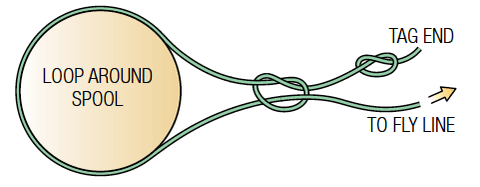
Line twist causes tangles and weak spots. To avoid it, attach the line to the spool with a secure knot. Let the line come off the filler spool the same way the reel spool turns.
- Use a swivel to reduce twist if you use a bait or lure that spins.
- Make sure the filler spool spins freely during spooling.
- Keep the line tight as you spool to prevent loops.
- Check the line often for twists and fix them quickly.
Proper Tension Techniques
Good tension keeps the line snug on the spool. Too loose or too tight can cause problems like line slipping or breaking.
| Tension Level | Effect on Spooling |
| Too Loose | Line slips, causing uneven spooling |
| Proper | Line stays tight and even on the spool |
| Too Tight | Line may stretch or break under stress |
Use your fingers or a cloth to apply gentle pressure to the line while spooling. Keep the reel handle slow and steady to keep tension steady.
Common Mistakes To Avoid
Choosing the right fishing line for a baitcaster is important. Using the wrong line can cause problems and reduce your fishing success.
This guide highlights common mistakes to avoid. Fixing these errors can improve your fishing experience.
Using Incorrect Line Weight
Using a line weight that does not match your baitcaster or fishing style causes issues. Too heavy a line can reduce casting distance. Too light a line can break easily.
- Check the baitcaster’s recommended line weight range.
- Match line weight to the fish species you target.
- Use lighter lines for longer casts and better lure action.
- Choose heavier lines for strength when fishing large fish.
Ignoring Line Maintenance
Neglecting line care shortens the line’s life and causes fishing problems. Dirt, salt, and UV rays damage the line over time.
| Maintenance Tip | Why It Matters |
| Rinse line with fresh water | Removes salt and dirt that weaken the line |
| Check line for nicks and frays | Prevents unexpected line breakage |
| Store reel in shade | Protects line from sun damage and UV rays |
| Replace line regularly | Keeps line strong and reliable |
Recommended Brands And Products
Choosing the right fishing line for a baitcaster is important for better control and casting. Different types of lines work best in different situations.
This guide covers top brands and products in monofilament, fluorocarbon, and braided lines for baitcasting reels.
Top Monofilament Lines
Monofilament lines are easy to handle and stretch well. They work well for beginners and general fishing.
These brands offer strong and smooth monofilament lines that perform well with baitcasters.
- Stren Original Monofilament – Known for knot strength and durability
- Berkley Trilene XL – Offers good sensitivity and low memory
- SpiderWire Ultracast – Smooth casting and abrasion resistance
Best Fluorocarbon Options
Fluorocarbon lines are nearly invisible underwater. They sink faster and resist abrasion well.
These fluorocarbon lines suit anglers who want stealth and strong performance.
- Seaguar InvizX – Clear line with excellent abrasion resistance
- Berkley Vanish – High sensitivity and low stretch
- Sunline Super FC Sniper – Strong and smooth for baitcasting reels
Leading Braided Lines
Braided lines have high strength and no stretch. They are thin and let you cast farther.
These braided lines are trusted for power and durability on baitcasters.
- PowerPro Spectra Fiber – Strong and smooth with good casting control
- SpiderWire Stealth – Thin diameter and high abrasion resistance
- Yozuri Hybrid – Combines strength and smoothness for baitcasting reels

Credit: poshinvites.in
Frequently Asked Questions
What Type Of Fishing Line Is Best For Baitcasters?
The best fishing line for baitcasters is braided line. It offers excellent strength and minimal stretch. This helps in casting long distances with precision. Braided line also has a smaller diameter compared to mono or fluorocarbon, enhancing reel capacity.
Can I Use Monofilament On A Baitcaster?
Yes, you can use monofilament on a baitcaster. It is affordable and easy to handle. However, it has more stretch than braided line, which may affect sensitivity. It’s suitable for beginners learning to use baitcasters.
How Does Line Diameter Affect Baitcasting?
Line diameter affects casting distance and reel capacity. Thinner lines allow for longer casts and more line on the reel. However, thicker lines provide more abrasion resistance. Choose a diameter that balances casting needs and target species.
Is Fluorocarbon Line Good For Baitcasters?
Fluorocarbon line is good for baitcasters due to its low visibility and sensitivity. It’s ideal for clear water fishing. However, it can be stiff and challenging to handle. Use it for techniques where stealth is crucial.
Conclusion
Choosing the best fishing line for a baitcaster depends on your needs. Nylon lines offer good stretch and are easy to handle. Braided lines provide strength and sensitivity for bigger fish. Fluorocarbon lines are almost invisible underwater and resist abrasion well.
Match the line to your fishing style and target species. Test a few types to find what feels right. The right line makes fishing more fun and effective. Keep it simple and enjoy your time on the water.