Are you looking for a heating solution that gives you both comfort and savings? A dual fuel heating system might be exactly what you need.
Imagine having the power to switch between two energy sources, making sure your home stays warm while keeping your energy bills in check. You’ll discover how a dual fuel heating system works, why it could be the smart choice for your home, and how it can help you stay cozy no matter the weather.
Keep reading to find out if this heating option is the perfect fit for you.

Credit: hub.utahcleanenergy.org
Dual Fuel Heating System Basics
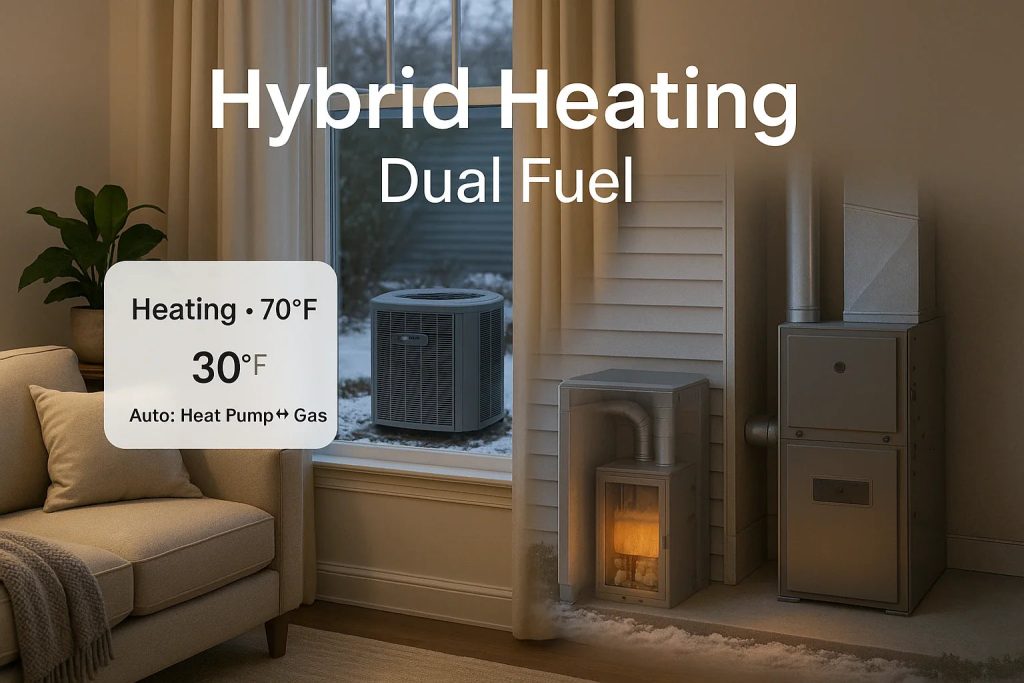
A dual fuel heating system uses two types of fuel to heat a building. It combines an electric heat pump with a gas furnace.
This system switches between fuels to save energy and reduce costs. It works well in places with cold winters.
How Dual Fuel Systems Work
The system uses an electric heat pump when the temperature is mild. It heats the home efficiently using electricity.
When it gets very cold, the system switches to the gas furnace. Gas furnaces produce more heat in cold weather.
- Heat pump runs at warmer temperatures
- Gas furnace starts at lower temperatures
- Automatic switch based on outside temperature
Key Components
The dual fuel system has two main parts: the heat pump and the gas furnace. Both connect to the home’s ductwork.
A thermostat controls which fuel source runs. It senses the outdoor temperature and switches the system.
- Electric Heat Pump: heats and cools using electricity
- Gas Furnace: heats with natural gas or propane
- Thermostat: controls fuel switching
- Ductwork: delivers warm air throughout the home
Types Of Dual Fuel Systems
Dual fuel heating systems use two types of energy to heat your home. These systems switch between fuels to save energy and money.
There are different types of dual fuel systems. Each type pairs two heating methods for better comfort and efficiency.
Electric And Gas Combination
This system uses electricity and natural gas to heat your home. It switches between electric heating and gas heating based on cost and weather.
Electric heating works well in mild weather. Gas heating is more efficient in very cold temperatures.
- Electric heat is cleaner and quieter
- Gas heat warms the home faster in cold weather
- System switches automatically for best savings
Heat Pump And Furnace Pairing
This type combines a heat pump with a gas or oil furnace. The heat pump handles mild temperatures. The furnace takes over in very cold weather.
The heat pump moves heat from outside to inside. The furnace burns fuel to create heat when needed.
- Heat pump uses less energy in moderate weather
- Furnace provides strong heat during cold snaps
- System switches automatically to keep you warm
Benefits Of Dual Fuel Heating
A dual fuel heating system uses two types of energy sources. It usually combines electric heat pumps and a gas furnace. This system switches between fuels for better performance.
Dual fuel heating provides many advantages. It improves home comfort while saving energy and money. Here are some key benefits.
Energy Efficiency
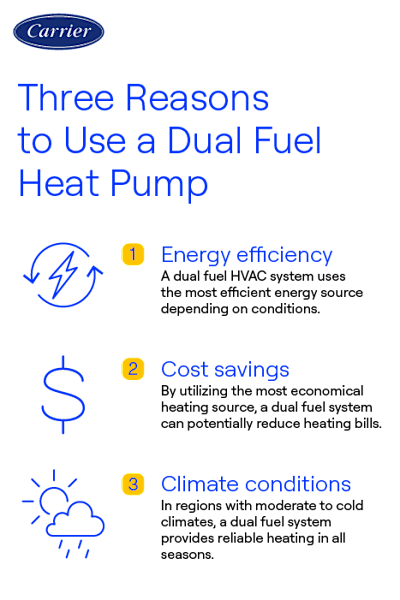
Dual fuel systems use the most efficient heat source for the weather. The heat pump works best in mild temperatures. The gas furnace starts in colder weather for extra heat.
This approach helps reduce energy waste. It lowers electricity use during cold times. This means less strain on your power system.
Cost Savings
Using two fuel types can lower heating costs. The system picks the cheaper fuel based on prices. This flexibility saves money over the heating season.
- Lower electric bills in mild weather
- Reduced gas use during warmer days
- Longer equipment lifespan by sharing workload
- Lower maintenance costs with balanced use
Environmental Impact
Dual fuel heating reduces your home’s carbon footprint. It uses cleaner electric power when possible. The gas furnace runs less often, cutting emissions.
| Fuel Type | Typical Emissions |
| Electric Heat Pump | Low to None |
| Gas Furnace | Moderate |
Installation Considerations
Installing a dual fuel heating system needs careful planning. This system uses two types of fuel to heat your home efficiently.
Proper installation ensures the system works well and saves energy. You must think about the system type, location, and safety rules.
Choosing The Right System
Select a dual fuel heating system that fits your home size and climate. Some systems use heat pumps with a gas furnace.
Consider fuel availability and cost in your area. The right system helps reduce energy bills and keeps your home warm.
- Check fuel types: electricity, gas, or oil
- Match system capacity with home size
- Think about climate and temperature extremes
- Review energy efficiency ratings
- Evaluate installation and maintenance costs
Professional Installation Tips
Hire a licensed HVAC technician for installation. Professionals know how to connect both fuel sources safely.
Proper setup includes correct wiring, venting, and system calibration. This helps the system run smoothly and last longer.
- Check permits and local codes before starting
- Ensure proper placement for ventilation
- Test both fuel sources after installation
- Calibrate controls for automatic fuel switching
- Schedule regular maintenance visits
Maintenance And Troubleshooting
A dual fuel heating system uses two energy sources to heat your home. Proper care helps it run smoothly.
Regular checks keep the system safe and efficient. Troubleshooting helps fix common problems fast.
Routine Maintenance Tasks
Routine maintenance keeps your dual fuel heating system working well. It prevents breakdowns and saves energy.
Check both heating units and clean parts often. Replace filters and inspect wiring for safety.
- Clean or replace air filters every 1-3 months
- Inspect the heat pump and furnace annually
- Check thermostat settings and batteries
- Clear debris around outdoor units
- Lubricate moving parts as needed
- Test system controls for proper operation
Common Issues And Fixes
Some problems occur often with dual fuel systems. Knowing fixes helps you save time and money.
Listen for strange sounds and watch for uneven heating. Check error codes on your thermostat.
- System won’t switch fuels:Check control board and wiring connections.
- Heat pump won’t start:Inspect outdoor unit and reset breakers.
- Furnace not heating:Replace ignition parts and clean burners.
- Thermostat issues:Replace batteries or recalibrate settings.
- Low airflow:Clean filters and check ductwork for blockages.
Comparing Dual Fuel To Single Fuel Systems
A dual fuel heating system uses two energy sources to warm your home. A single fuel system relies on just one source. Comparing these systems helps you understand their benefits and limits.
This comparison focuses on performance differences and cost. Knowing these can guide your choice of heating system.
Performance Differences
Dual fuel systems combine a heat pump with a furnace. They switch between the two for better efficiency in different weather. Single fuel systems use one heat source all year.
- Dual Fuel Systems:Use a heat pump in mild weather and a furnace in cold weather.
- Single Fuel Systems:Use a furnace or heat pump only, regardless of weather.
- Dual fuel can save energy by using the most efficient source at the time.
- Single fuel systems may be less flexible in changing weather conditions.
Cost Comparison
Costs for dual fuel and single fuel systems vary. Initial setup and long-term expenses differ between the two.
| Cost Type | Dual Fuel System | Single Fuel System |
| Installation | Higher, due to two components | Lower, one system only |
| Energy Use | Lower, switches for efficiency | Higher, one energy source all year |
| Maintenance | Moderate, two systems to service | Lower, one system to maintain |
| Long-Term Savings | Potentially higher due to energy efficiency | Usually lower than dual fuel systems |
Maximizing Efficiency With Dual Fuel
A dual fuel heating system uses two types of energy to heat your home. It switches between a heat pump and a furnace. This helps save energy and reduce costs.
By using the most efficient fuel at the right time, you get the best heat for less money. Let’s look at how to make the most of this system.
Smart Thermostats And Controls
Smart thermostats help your dual fuel system work better. They learn your schedule and adjust the heat automatically. This keeps your home comfortable while saving energy.
These thermostats can switch between the heat pump and furnace based on outdoor temperature. They use the most efficient fuel for heating. This cuts down on energy waste.
- Adjusts temperature based on your daily routine
- Switches fuel types for best efficiency
- Can be controlled from your phone
Seasonal Adjustments
Seasons affect how your dual fuel system should run. In mild weather, the heat pump is best. It uses less energy and keeps costs low.
When it gets very cold, the furnace should take over. It provides stronger heat when the heat pump is less effective. Changing settings with the seasons improves comfort and saves money.
- Use heat pump in fall and spring
- Switch to furnace in winter
- Adjust thermostat settings as temperatures change
Credit: www.carrier.com

Credit: www.achrnews.com
Frequently Asked Questions
What Is A Dual Fuel Heating System?
A dual fuel heating system combines two energy sources, usually electricity and gas. It switches between fuels for cost-effectiveness and efficiency.
How Does A Dual Fuel Heating System Work?
It uses a heat pump during mild weather and switches to a gas furnace in colder conditions to save energy and money.
What Are The Benefits Of Dual Fuel Heating?
Dual fuel systems offer energy savings, improved comfort, and reduced environmental impact by using the most efficient fuel based on weather.
Is A Dual Fuel System Cost-effective?
Yes, it lowers heating costs by switching to the cheaper fuel depending on outdoor temperatures and energy prices.
Conclusion
A dual fuel heating system uses two energy sources to warm your home. It helps save money and can be more efficient. You can switch between fuels depending on price and weather. This system offers flexibility and comfort all year.
It suits many homes and budgets. Choosing the right system means thinking about your needs and local fuel costs. A dual fuel system can keep you warm without overspending. Simple, smart heating for your home.