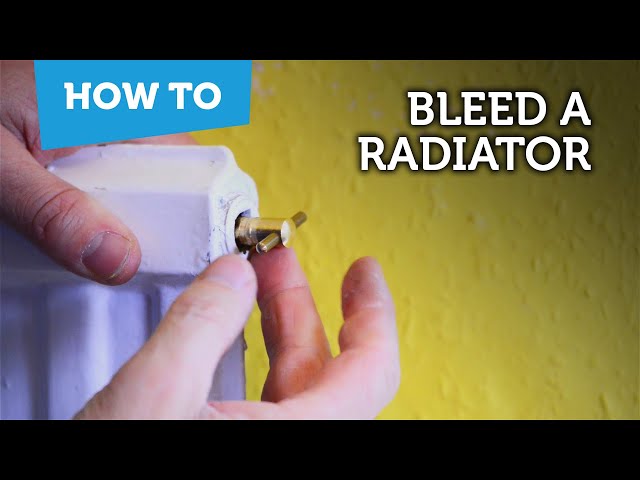
Is your radiator making strange noises or not heating up properly? It might be time to bleed your heating system.
Knowing how to bleed your heating system can save you money, improve your home’s warmth, and prevent costly repairs. In this guide, you’ll learn simple steps to quickly fix those cold spots and annoying gurgles. Keep reading, and you’ll have your heating working like new in no time.
Why Bleed Your Heating System
Bleeding your heating system removes trapped air from the radiators. Air blocks the flow of hot water inside the system.
This causes uneven heating and reduces the system’s efficiency. Bleeding helps your heating work better and saves energy.
Signs Of Air In Radiators
Air in the radiators makes them heat unevenly. Some parts stay cold while others get hot.
You may also hear strange noises like banging or gurgling sounds. These noises come from air bubbles moving inside.
- Radiators feel cold at the top and warm at the bottom
- Heating takes longer to warm up the room
- Unusual noises coming from radiators
- Increased energy bills without reason
Benefits Of Bleeding
Bleeding removes air and lets hot water flow freely. This improves the heat output of your radiators.
It also reduces noise and lowers your heating bills. Your system works more efficiently and lasts longer.
- Even heat distribution across all radiators
- Quieter heating system operation
- Lower energy consumption and costs
- Extended life of your heating system
Credit: otpenergy.co.uk
Tools Needed
Bleeding your heating system removes trapped air. This helps your radiators work better. You need some simple tools to do this job safely.
Using the right tools makes the process quick and clean. Here are the key items you will need.
Bleed Key
A bleed key is a small tool designed to open radiator valves. It fits perfectly and allows air to escape safely. You can find one at most hardware stores.
Using a bleed key prevents damage to the valve. It also gives you control over how much air is released.
Cloth And Container
You need a cloth to catch any water that might drip out. A container helps collect water and keeps the floor dry. Both keep the area clean during bleeding.
- A thick cloth or rag works well
- Use a small bowl or cup as a container
- Place the cloth under the valve to catch spills
- Keep the container ready to catch water
Preparing Your System
Bleeding your heating system removes trapped air to help your radiators work well. Preparing your system is important to do this safely and correctly.
Before you start, make sure your heating system is ready. This makes bleeding easier and prevents damage.
Turn Off The Heating
First, switch off your heating system. This stops hot water from circulating while you bleed the radiators.
Turning off the heating reduces the risk of burns. It also helps air to collect at the top of the radiators.
Allow Radiators To Cool
Wait for the radiators to cool down before you start bleeding. Hot radiators can cause burns if touched.
Cooling also lets air rise inside the system, making it easier to release trapped air from the radiators.

Credit: www.reddit.com
Step-by-step Bleeding Process
Bleeding your heating system removes trapped air that blocks heat flow. This process helps your radiators work better and heat your home evenly.
Follow these simple steps to bleed your heating system safely and effectively. You will need a radiator key or flat screwdriver, and a cloth to catch any drips.
Locate The Bleed Valve
Find the bleed valve on your radiator. It is usually at the top corner on one side. The valve looks like a small square or round knob with a slot or hole in the middle.
- Turn off the heating system before starting.
- Use a flashlight if needed to see the valve clearly.
- Keep a cloth nearby to catch water drops.
Release Trapped Air
Turn the bleed valve slowly using a radiator key or screwdriver. You will hear a hissing sound as the air escapes.
| Action | What Happens |
| Open the valve gently | Air starts to escape with a hissing noise |
| Wait until water appears | All trapped air is released |
| Close the valve | No more air or water comes out |
Close The Valve Properly
After the air is out and water starts to drip, close the bleed valve tightly. Use the radiator key or screwdriver to avoid leaks.
- Turn the valve clockwise to close it.
- Do not force the valve to avoid damage.
- Check for any water leaks around the valve.
- Turn the heating system back on and check radiator heat.
Checking And Refilling Water Pressure
Keeping the right water pressure in your heating system is important. It helps the system work efficiently and keeps your home warm.
Here, we explain how to monitor the pressure gauge and add water if the pressure drops.
Monitoring Pressure Gauge
Check the pressure gauge on your boiler regularly. The ideal pressure usually ranges between 1 and 2 bars. If the pressure falls below this, the system may not work well.
- Look at the gauge when the system is cold.
- Note the pressure reading on the dial.
- Compare it to the recommended pressure level.
- Watch for any sudden drops or leaks nearby.
Adding Water If Needed
If the pressure is too low, add water to the system using the filling loop. This raises the pressure back to the right level.
| Action | Details |
| Turn off boiler | Switch off the power before adding water. |
| Open filling valve | Use the filling loop valve to add water slowly. |
| Watch pressure gauge | Stop filling when pressure reaches 1.5 bars. |
| Close valve | Turn off the filling valve tightly. |
| Turn on boiler | Switch the power back on and check the system. |
Maintaining Your Heating System
Keeping your heating system in good shape helps it work well and last longer. Regular care stops small problems from growing big.
One important task is bleeding the heating system. This removes trapped air and improves heat flow.
Regular Bleeding Schedule
Bleed your heating system at least twice a year. Do it before the cold season starts and after it ends.
If you hear gurgling or see cold spots on radiators, bleed the system right away. These signs show air is trapped inside.
- Bleed radiators monthly during heavy use
- Check pressure gauge and refill water as needed
- Use a radiator key to open bleed valves safely
When To Call A Professional
If bleeding does not fix cold radiators, call a heating expert. The problem might be more serious.
Also, call a professional if you notice leaks, strange noises, or low pressure that keeps returning. These issues need special tools and skills.
- Radiators stay cold after bleeding
- Water leaks from pipes or valves
- Pressure drops quickly after refilling
- Unusual sounds from the heating system

Credit: www.angi.com
Frequently Asked Questions
How To Know If My Heating System Needs Bleeding?
If your radiators are cold at the top but warm at the bottom, it may need bleeding. Other signs include unusual noises or inconsistent heating. Bleeding helps release trapped air, improving efficiency and ensuring even heat distribution.
What Tools Do I Need To Bleed A Radiator?
To bleed a radiator, you’ll need a radiator key or a flat-head screwdriver. Also, have a cloth or a small bowl handy to catch any drips. These tools help you safely release trapped air and water from your heating system.
How Often Should I Bleed My Heating System?
Bleeding frequency depends on your system, but it’s usually once or twice a year. Conduct it before winter to ensure optimal performance. Regular bleeding prevents trapped air, maintaining efficient heating and reducing energy costs.
Can I Bleed A Radiator While The Heating Is On?
No, it’s best to turn off the heating before bleeding. This ensures safety and prevents hot water from scalding you. Allow the system to cool down for a few hours to safely release trapped air.
Conclusion
Bleeding your heating system keeps it running smoothly and quietly. Air trapped inside can stop heat from spreading well. Regular bleeding helps save energy and lowers bills. The process is simple and takes just a few minutes. Always check your system’s pressure after bleeding.
Doing this task yourself avoids cold spots in your home. Stay warm and comfortable all winter long. Give your heating system the care it needs today.