Have you ever found yourself with a flat car tire and no air pump nearby? You might wonder, “Can I use my bike pump to inflate my car tires?”
It’s a question many drivers ask when faced with this unexpected problem. Using a bike pump for your car tire sounds simple, but is it really effective? Keep reading to discover the truth, learn how to do it right, and avoid common mistakes that could cost you time and money.
This guide will give you clear answers and practical tips, so you’re ready if this situation ever happens to you.

Credit: www.amazon.com
Bike Pump Basics
A bike pump helps add air to tires. It keeps the tires firm and safe to ride.
You can use a bike pump for different types of tires. This includes car tires in some cases.
Types Of Bike Pumps
Bike pumps come in many styles. Each type works best for certain tasks.
- Floor Pumps:Large and stable, good for fast inflation.
- Hand Pumps:Small and portable, good for emergencies.
- CO2 Inflators:Use gas cartridges for quick air fill.
How Bike Pumps Work
A bike pump moves air into the tire by pushing a piston. This raises the pressure inside the tire.
When you pull the handle back, the pump draws air inside. When you push the handle down, air goes into the tire.
- The pump head fits over the tire valve.
- The piston moves air into the tire chamber.
- Pressure builds as more air enters.
Car Tire Pressure Needs
Keeping the right tire pressure is important for car safety and fuel use. Tires with wrong pressure wear out faster.
Many wonder if a bike pump can fill car tires. To understand this, we must know car tire pressure needs.
Recommended Psi For Car Tires
PSI means pounds per square inch. It shows how much air pressure is inside a tire.
Car tires usually need between 30 and 35 PSI. This number depends on the car model and tire type.
- Check the car door or manual for exact PSI
- Too low pressure causes poor fuel economy
- Too high pressure can make the ride harsh
- Keep pressure steady for safe driving
Differences Between Car And Bike Tires
Car tires are bigger and need more air than bike tires. Bike tires require higher pressure but less air volume.
Bike pumps work best for bike tires. Car tires need a pump that handles high volume and lower pressure.
- Car tires: large volume, lower PSI (30-35)
- Bike tires: small volume, higher PSI (40-120)
- Bike pumps usually have small air flow
- Car pumps fill tires faster and easier
Using A Bike Pump On Car Tires
Inflating car tires with a bike pump is possible but not common. Bike pumps are made for smaller, high-pressure tires.
Car tires need more air volume and pressure. Using a bike pump takes longer but can work in emergencies.
Compatibility Of Valves
Car tires usually have Schrader valves. Most bike pumps fit Schrader valves easily.
Some bike pumps work only with Presta valves. You need an adapter to use them on car tires.
- Schrader valves are wide and sturdy.
- Presta valves are thin and found on road bikes.
- Adapters can convert Presta to Schrader.
Steps To Inflate Car Tires
Check the tire pressure before inflating. You need a pressure gauge for this.
Attach the bike pump firmly to the tire valve. Pump air slowly and steadily.
- Remove the valve cap from the tire.
- Connect the pump head securely.
- Pump air until the tire reaches the correct pressure.
- Check pressure with a gauge during pumping.
- Remove the pump and replace the valve cap.
Tools You May Need
You need a bike pump that fits Schrader valves. A pressure gauge helps measure tire pressure.
An adapter is useful if your bike pump only fits Presta valves. Valve caps protect valve cores.
- Bike pump with Schrader valve compatibility
- Pressure gauge for accurate readings
- Presta to Schrader valve adapter (if needed)
- Valve caps to keep valves clean

Credit: www.amazon.ca
Pros And Cons
Using a bike pump to inflate car tires is possible but has its limits. It is important to know the advantages and challenges before trying it.
This article looks at the pros and cons of using a bike pump for car tires to help you decide if it works for you.
Advantages Of Using A Bike Pump
A bike pump can be handy in certain situations. It is small and easy to carry. You can use it anywhere without power.
- Portable and lightweight for easy storage in your car.
- Can inflate tires without needing electricity.
- Cost-effective compared to electric pumps.
- Good for emergency use when no other pump is available.
- Simple to operate without special skills or tools.
Limitations And Challenges
Using a bike pump for car tires can take a lot of time and effort. It is not made for the large volume of car tires.
| Challenge | Explanation |
| Time Consuming | Filling a car tire needs many pumps and can tire you out. |
| Pressure Limits | Bike pumps may not reach the high pressure needed for car tires. |
| Valve Compatibility | Some bike pumps don’t fit car tire valves without adapters. |
| Physical Effort | Inflating a car tire by hand requires strong, repeated pumping. |
| Not Ideal for Large Tires | Big tires need more air, so bike pumps are less efficient. |
Safety Tips
Inflating car tires with a bike pump can be safe if done carefully. Understanding the right steps helps avoid accidents.
Always follow safety tips to keep your tires in good shape and prevent damage.
Avoiding Overinflation
Overinflation can cause tire damage or even a blowout. Use a pump with a pressure gauge to control air pressure.
- Check the recommended tire pressure on the car’s door sticker or manual.
- Inflate slowly and pause to check pressure often.
- Do not exceed the maximum pressure marked on the tire sidewall.
- Stop inflating as soon as you reach the correct pressure.
Checking Tire Pressure Accurately
Accurate pressure checks ensure safe driving and longer tire life. Use a reliable pressure gauge for the best results.
| Tool | Accuracy |
| Bike Pump Gauge | Moderate |
| Digital Tire Pressure Gauge | High |
| Analog Tire Pressure Gauge | High |

Credit: etenwolf.com
Alternative Options
Inflating car tires with a bike pump can be slow and tiring. It is not the best tool for the job. Luckily, there are other options that work better and save time.
Using the right device helps keep your tires at the correct pressure. This improves driving safety and tire life.
Portable Air Compressors
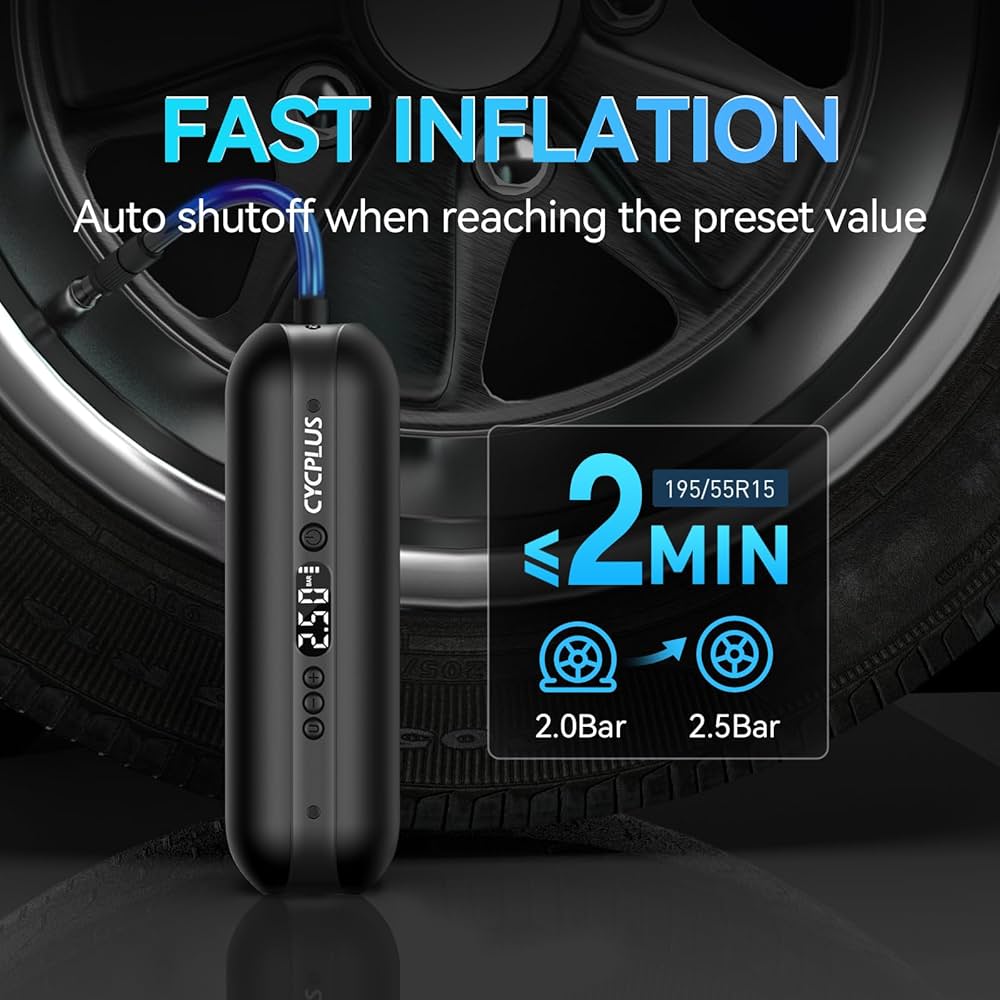
Portable air compressors are small machines you can carry in your car. They plug into the car’s power outlet or have their own battery. These compressors fill car tires quickly and with less effort than a bike pump.
- Fast inflation speeds
- Easy to use with pressure gauges
- Can inflate other inflatables like balls or bike tires
- Compact and fit in your car trunk
Gas Station Air Pumps
Many gas stations have air pumps for public use. These pumps usually work with coins or tokens. They provide high air pressure and fill tires quickly.
| Feature | Details |
| Availability | Common at most gas stations |
| Cost | Usually small fee or free |
| Pressure Control | Some have built-in pressure gauges |
| Speed | Fast inflation compared to bike pumps |
Frequently Asked Questions
Can A Bike Pump Inflate Car Tires?
Yes, a bike pump can inflate car tires, but it’s not ideal. Bike pumps are designed for smaller volumes and higher pressures. Inflating a car tire with a bike pump can be time-consuming and may require considerable effort. For efficiency, consider using an air compressor or visiting a gas station.
Is It Safe To Use A Bike Pump?
Using a bike pump on car tires is generally safe but inefficient. Ensure the pump’s valve fits your tire’s valve type. Avoid overexerting yourself, as inflating a car tire with a bike pump requires significant manual effort. Regularly check the tire’s pressure to prevent overinflation.
How Long Does It Take With A Bike Pump?
Inflating a car tire with a bike pump can take 20 minutes or more. The process is labor-intensive and requires frequent pumping. It’s much slower than using an air compressor. For a quicker and easier method, consider visiting a gas station or using a portable electric pump.
What Type Of Bike Pump Is Best?
A floor pump is the best option for inflating car tires. Floor pumps provide better leverage and more airflow per stroke than handheld pumps. Ensure the pump is compatible with Schrader valves, common in car tires. A gauge is also helpful for monitoring tire pressure accurately.
Conclusion
A bike pump can fill car tires but it takes longer. It works best for small air top-ups, not full inflation. Using the right pump saves effort and time. Always check the tire pressure with a gauge. Keep a proper car tire pump for emergencies.
This helps keep your tires safe and your drive smooth. Small steps protect your vehicle and improve fuel use. Choose tools wisely to avoid frustration and damage. Simple care makes a big difference on the road.