Have you ever stopped to think about whether your air conditioner is just a simple appliance or something more? You rely on it daily, especially when the heat becomes unbearable.
But what really makes an air conditioner an appliance? Understanding this can change how you use, maintain, and even choose the right cooling system for your home. Keep reading, and you’ll discover surprising facts that might make you see your air conditioner in a whole new light.
Air Conditioner As An Appliance
An air conditioner is a device that cools indoor air. It helps keep rooms comfortable in hot weather.
People use air conditioners in homes, offices, and many other places to stay cool.
Definition Of Appliance
An appliance is a machine that does a specific job. It helps make daily tasks easier.
Appliances often use electricity to work. Examples include refrigerators, microwaves, and air conditioners.
Classification Of Air Conditioners
Air conditioners come in different types. Each type works in a special way to cool air.
- Window Air Conditioners: Fit in a window and cool one room.
- Split Air Conditioners: Have two parts, one inside and one outside.
- Portable Air Conditioners: Can be moved from room to room.
- Central Air Conditioners: Cool whole buildings through ducts.

Credit: www.applianceandfurnitureworld.com
Types Of Air Conditioners
Air conditioners come in many types to fit different needs. They help cool down rooms by removing heat and moisture.
Choosing the right air conditioner depends on room size, installation space, and budget.
Window Air Conditioners
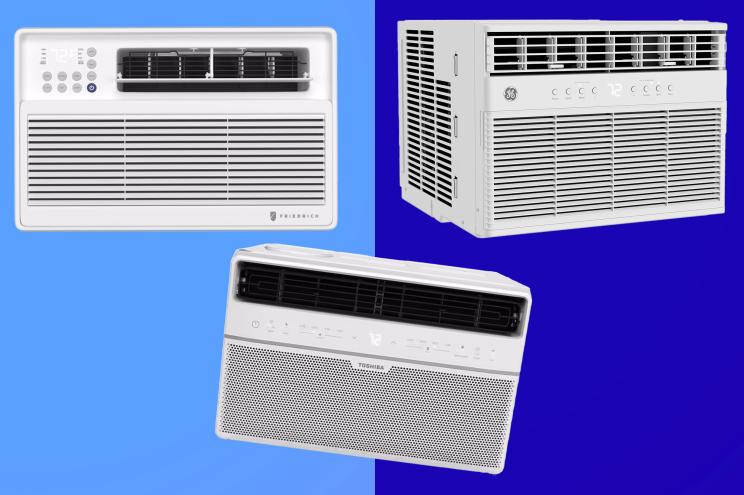
Window air conditioners fit into a window or wall opening. They are compact and easy to install. These units cool a single room effectively.
Split Air Conditioners
Split air conditioners have two parts: an indoor unit and an outdoor unit. The indoor part blows cool air, and the outdoor part releases heat outside.
- Quiet operation
- Better cooling for larger rooms
- Flexible installation options
- More energy efficient than window units
Portable Air Conditioners
Portable air conditioners are movable units on wheels. You can move them from room to room. They need a window vent to release hot air outside.
Central Air Conditioning Systems
Central air conditioning cools entire buildings or homes. It uses a system of ducts to deliver cool air to many rooms at once.
| Type | Best For | Installation | Cooling Area |
| Window | Single rooms | Window or wall | Small to medium |
| Split | Large rooms or apartments | Wall mounted | Medium to large |
| Portable | Temporary cooling | Window vent needed | Small rooms |
| Central | Whole buildings | Duct system | Large areas |
How Air Conditioners Work
Air conditioners help cool indoor spaces by removing heat and moisture. They use a special system to change warm air into cooler air.
The process involves several parts working together to keep your room comfortable. Let’s explore the cooling mechanism and key components.
Cooling Mechanism
The cooling mechanism moves heat from inside your room to the outside. It uses a refrigerant that absorbs heat as it changes from liquid to gas.
- The refrigerant flows through coils inside the air conditioner.
- It evaporates inside these coils, taking heat from the air.
- The cooled air is then blown back into the room.
- The refrigerant moves outside, where it releases heat and turns back into liquid.
- This cycle repeats to keep the air cool.
Components Involved
| Component | Role |
| Compressor | Pumps refrigerant and raises its pressure |
| Evaporator Coil | Absorbs heat from indoor air |
| Condenser Coil | Releases heat to the outside air |
| Expansion Valve | Controls refrigerant flow into evaporator |
| Blower Fan | Circulates indoor air over evaporator coil |
| Outdoor Fan | Blows air over condenser coil |

Credit: www.nealshomestore.com
Benefits Of Using Air Conditioners
Air conditioners cool indoor spaces to create a comfortable environment. They help people stay productive and relaxed during hot days.
Besides comfort, air conditioners offer several health and energy benefits. These benefits make them useful appliances in many homes and offices.
Comfort And Health
Air conditioners regulate temperature and humidity, which helps prevent heat-related illnesses. Cool air reduces sweating and heat exhaustion.
They also help people with allergies or respiratory problems by reducing dust and airborne irritants.
Improved Air Quality
Many air conditioners have filters that trap dust, pollen, and other particles. This keeps the indoor air cleaner and safer to breathe.
- Removes dust and allergens
- Reduces mold growth by controlling humidity
- Filters out smoke and pet dander
Energy Efficiency Considerations
Energy use varies across air conditioner models. Choosing the right unit saves electricity and lowers bills.
| Type | Energy Use | Best For |
| Window Unit | Moderate | Single rooms |
| Split System | Low | Multiple rooms |
| Central AC | High | Whole house |
Common Misconceptions
People often mix up what counts as an appliance. Air conditioners are one example. Many wonder if they should call it an appliance or something else.
This topic can be confusing because air conditioners work differently from other devices. Let’s clear up some wrong ideas.
Air Conditioners And Appliances
An appliance is a machine that helps do tasks at home. Examples include refrigerators, microwaves, and washing machines.
Air conditioners fit this description because they cool indoor air. They use electricity to run, just like other appliances.
Some people think air conditioners are not appliances because they are large or fixed in one place. But size does not change their status as appliances.
Energy Consumption Myths
Many believe air conditioners use too much energy all the time. This is not always true. Some models are energy efficient.
Another myth is that turning an air conditioner on and off wastes more energy than running it continuously. Actually, turning it off saves power.
- Energy use depends on the model and size
- Running time affects total energy consumption
- Proper maintenance helps reduce energy waste

Credit: www.provenappliances.com
Maintenance Tips
Air conditioners are important appliances that keep us cool. Proper care helps them work well for a long time.
Regular maintenance can save money and improve air quality. Follow simple tips to keep your AC running smoothly.
Regular Cleaning
Cleaning your air conditioner removes dust and dirt. This helps air flow better and keeps the unit efficient.
Wipe the outside and clean the vents often. Dirt can block airflow and make the AC work harder.
- Turn off the power before cleaning
- Use a soft cloth for the outer parts
- Clean vents and grilles with a vacuum or brush
- Remove debris around the outdoor unit
Filter Replacement
Filters stop dust and allergens from entering your home. Changing filters often keeps air fresh and clean.
Check filters every month. Replace them if they look dirty or clogged. Clean filters improve cooling and save energy.
- Use the right filter size for your AC
- Replace disposable filters every 1-3 months
- Wash reusable filters every month
- Keep a stock of spare filters handy
Professional Servicing
Experts can check your air conditioner deeply. They find problems that are hard to see and fix them early.
Schedule service once a year. Technicians clean parts, check refrigerant levels, and test system performance.
- Hire certified AC technicians
- Service before the hot season begins
- Ask for a full system check
- Keep service records for reference
Frequently Asked Questions
What Makes An Air Conditioner An Appliance?
An air conditioner is an appliance because it performs a specific function: cooling indoor spaces. It uses components like compressors, refrigerants, and fans to regulate temperature. Just like refrigerators or washing machines, air conditioners are essential for comfortable living, making them a vital household appliance.
How Does An Air Conditioner Work?
Air conditioners work by removing heat from indoor air. They use a refrigerant cycle involving a compressor, condenser, and evaporator. The refrigerant absorbs heat from the room and releases it outside. This process cools the indoor air and circulates it back into the room, maintaining a comfortable temperature.
Is An Air Conditioner A Home Necessity?
For many, especially in hot climates, air conditioners are a necessity. They provide comfort and improve air quality. By regulating indoor temperature and humidity, air conditioners contribute to better sleep and productivity. In regions with extreme heat, they are crucial for health and well-being.
Are Air Conditioners Energy Efficient?
Modern air conditioners are designed to be energy efficient. They use advanced technologies to cool spaces using less electricity. Features like programmable thermostats and energy-saving modes help reduce energy consumption. Choosing an air conditioner with a high SEER rating ensures better efficiency and lower utility bills.
Conclusion
An air conditioner is definitely an appliance. It helps cool indoor spaces efficiently. Many homes and offices rely on it daily. This device uses electricity to work. It makes hot days much more comfortable. Understanding its role helps in choosing the right appliance.
Keeping it clean improves its performance. Regular maintenance extends its life span. So, recognizing an air conditioner as an appliance is simple and clear. It serves a useful purpose in our daily lives.