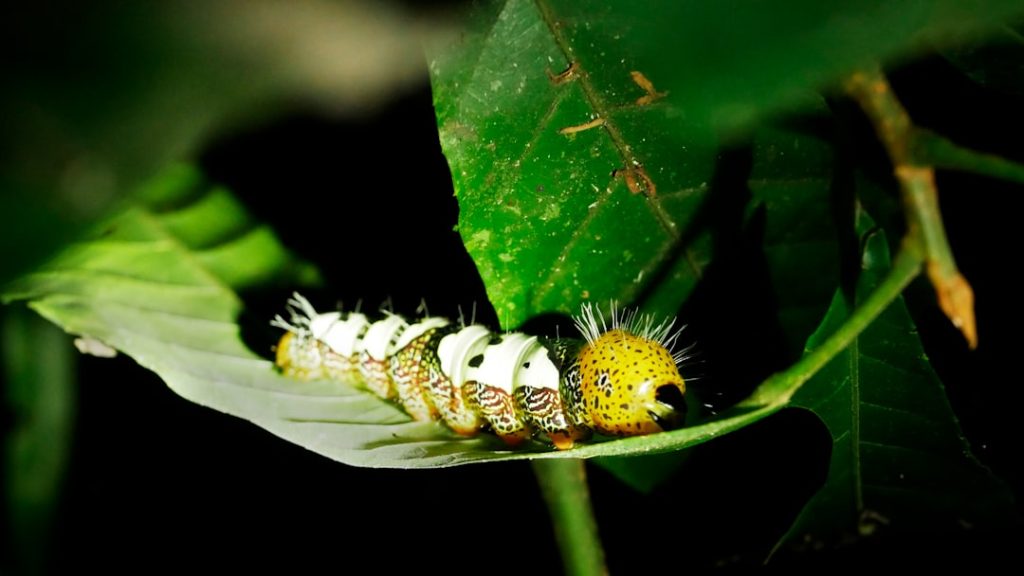
Have you ever spotted those fuzzy, striped caterpillars crawling on trees and wondered if they could harm you? Eastern tent caterpillars are common in many backyards, and it’s natural to worry about whether they’re poisonous to you or your family.
You might be asking yourself, “Should I be careful around them? ” or “Can touching them cause any harm? ” This article will clear up the confusion and give you the facts you need to stay safe and informed. Keep reading to discover the truth about eastern tent caterpillars and how they might affect you.
Eastern Tent Caterpillar Basics
Eastern tent caterpillars are common insects in North America. They are known for making silk tents in trees.
People often ask if these caterpillars are poisonous to humans. Learning their basics helps answer this question.
Physical Features
Eastern tent caterpillars have hairy bodies with blue, black, and white colors. A white stripe runs down their back. They grow to about 2 inches long.
Habitat And Range
These caterpillars live mainly in the eastern United States and parts of Canada. They prefer trees like cherry, apple, and crabapple.
- Found in forests and woodlands
- Often near fruit trees
- Build tents in tree branches
- Active in spring and early summer
Life Cycle Stages
The life cycle has four main stages. Each stage shows different features and behavior.
| Stage | Description |
| Egg | Laid in rings on tree branches, hatch in early spring |
| Larva (Caterpillar) | Create tents and feed on leaves |
| Pupa | Form cocoons in soil or leaf litter |
| Adult Moth | Small brown moths that lay eggs to start cycle |
Toxicity Myths And Facts
Eastern tent caterpillars are common in many backyards. People often wonder if these caterpillars are dangerous to humans.
This article explains if eastern tent caterpillars are poisonous. It clears up myths and shares scientific facts.
Are They Poisonous?
Eastern tent caterpillars are not poisonous to humans. They do not have venom or toxins that harm people.
Touching these caterpillars usually causes no serious harm. Some people may get mild skin irritation from their hairs.
Common Misconceptions
Many believe eastern tent caterpillars are dangerous because of their fuzzy appearance. This can cause fear.
Some think their hairs inject poison. Actually, the hairs only cause mild irritation if touched.
- They do not bite or sting.
- They do not spread disease.
- Skin reactions are rare and mild.
- They are more a nuisance than a threat.
Scientific Findings
Scientists studied eastern tent caterpillars to check their danger to humans. Results show no venom or poison.
Some caterpillars have hairs that can irritate skin. Eastern tent caterpillars have fewer irritating hairs compared to others.
- They are not toxic or venomous.
- Skin contact may cause mild rash in sensitive people.
- No serious allergic reactions have been reported.
- They are safe to observe and remove carefully.
Effects On Humans
Eastern tent caterpillars are common in many areas. People often ask if they are poisonous to humans.
These caterpillars are not poisonous, but they can cause some problems. Their hairs may irritate the skin or lungs.
Skin Reactions
Touching eastern tent caterpillars can cause skin irritation. Their tiny hairs may stick to the skin and cause redness.
Some people may develop a rash or itchy bumps where the caterpillar touched them. Scratching can make it worse.
- Redness and swelling
- Itchy bumps or rash
- Mild burning sensation
Respiratory Issues
Inhaling tiny hairs from the caterpillars can cause breathing problems. This can happen if you are near their nests.
People with asthma or lung problems may cough, wheeze, or feel short of breath after exposure to the hairs.
- Coughing and wheezing
- Shortness of breath
- Throat irritation
Allergic Responses
Some people may have allergic reactions to the caterpillar hairs. These reactions can vary in severity.
Symptoms can include swelling, hives, or difficulty breathing. Severe allergies need medical attention right away.
- Swelling of face or lips
- Hives or skin rash
- Severe breathing problems

Credit: extension.msstate.edu
Handling And Safety Tips
Eastern tent caterpillars are common in many areas. Knowing how to handle them safely is important. These caterpillars are not deadly but can cause skin irritation.
Learning ways to avoid contact and what to do if bitten helps keep you safe. Use protective measures when near these insects.
Avoiding Contact
Avoid touching eastern tent caterpillars with bare hands. Their hairs can cause itching or rashes on your skin. Keep children and pets away from tents and branches where they live.
- Wear gloves if you must handle them
- Do not crush or squeeze caterpillars
- Stay clear of their silk tents on trees
- Wash hands after outdoor activities
What To Do If Bitten
If a caterpillar bites or skin touches it, first clean the area with soap and water. This helps remove any irritating hairs.
- Rinse the skin with cool water
- Apply a cold compress to reduce swelling
- Use over-the-counter anti-itch cream if needed
- Take an antihistamine for severe itching
- See a doctor if a rash spreads or if you feel unwell
Protective Measures
| Protective Gear | Purpose |
|---|---|
| Gloves | Stop skin contact with caterpillars |
| Long Sleeves | Cover arms and prevent hair contact |
| Long Pants | Protect legs from irritation |
| Hat | Keep caterpillars off your head and neck |
| Eye Protection | Prevent hairs from reaching eyes |
Use these measures especially when working near infested trees. They reduce the chance of skin irritation and bites.
Impact On Environment
Eastern tent caterpillars are common in many forests and yards. They build silk tents on trees and eat leaves. Their presence affects the environment in many ways.
Understanding their role helps us see if they are harmful or helpful to nature and humans.
Role In Ecosystem
Eastern tent caterpillars serve as food for many animals. Birds, wasps, and small mammals eat them. This keeps the caterpillar population in check and supports other wildlife.
They also help recycle nutrients by breaking down tree leaves when they eat them. This adds to the soil’s health.
Effect On Trees
These caterpillars feed on tree leaves, especially cherry and apple trees. They can cause trees to lose many leaves quickly. This can slow tree growth for a season.
- Leaves eaten reduce photosynthesis
- Trees may look bare and stressed
- Severe infestations can weaken trees
- Trees usually recover the next year
Natural Predators
| Predator | Role |
|---|---|
| Birds | Feed on caterpillars and eggs |
| Parasitic Wasps | Lay eggs inside caterpillars |
| Spiders | Catch caterpillars in webs |
| Small Mammals | Eat caterpillars and pupae |
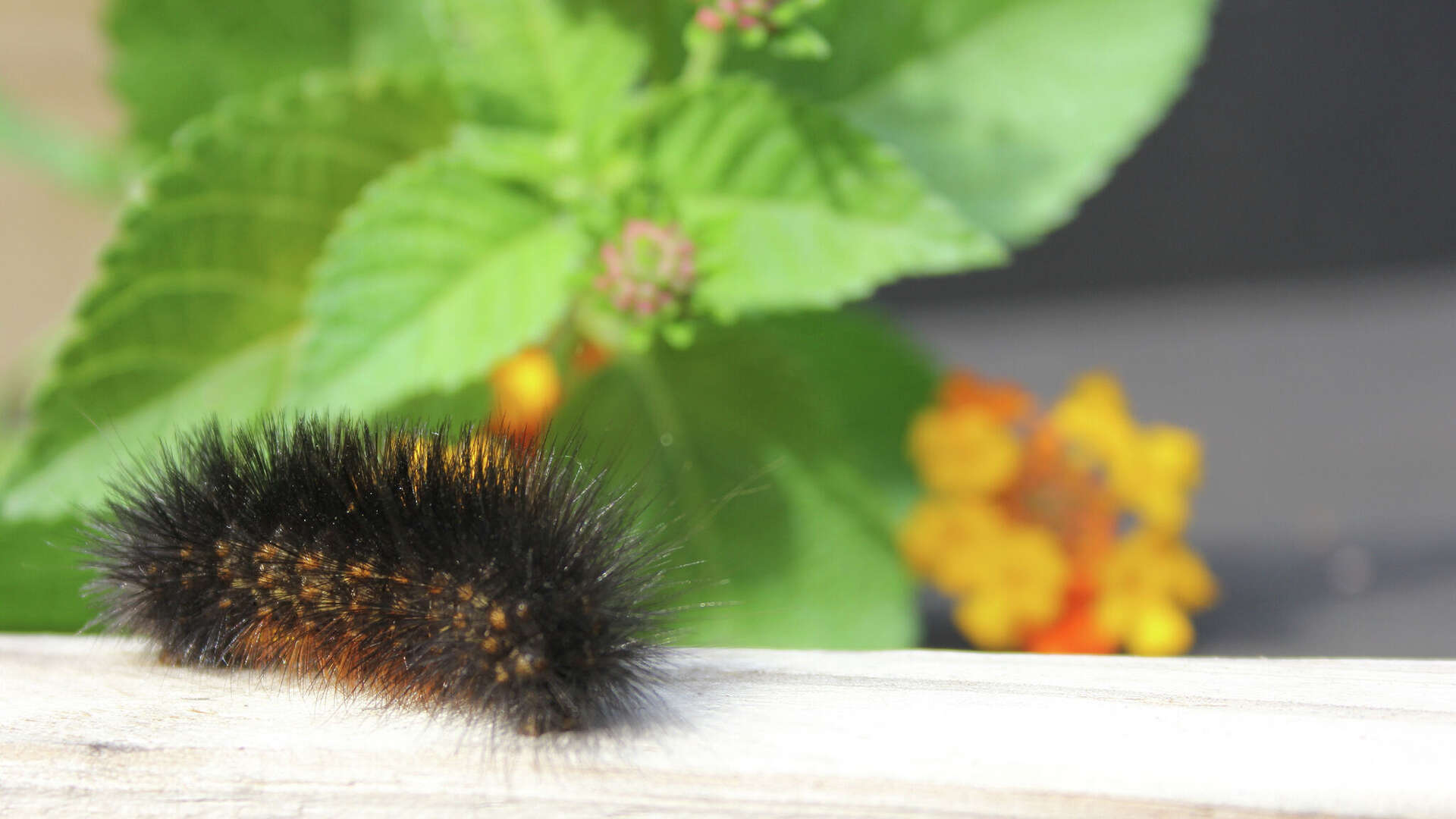
Credit: www.houstonchronicle.com

Credit: medium.com
Frequently Asked Questions
Are Eastern Tent Caterpillars Harmful To Humans?
Eastern Tent Caterpillars are not harmful to humans. They do not possess venom or toxins. However, touching them may cause mild skin irritation in sensitive individuals. It’s best to avoid direct contact. These caterpillars primarily pose a threat to trees, rather than humans.
Can Eastern Tent Caterpillars Bite Humans?
Eastern Tent Caterpillars do not bite humans. They lack mouthparts capable of biting or stinging. Their primary defense is their hairy bodies, which can irritate sensitive skin. While they may seem alarming, they are harmless to humans.
Is It Safe To Touch Eastern Tent Caterpillars?
Touching Eastern Tent Caterpillars is generally safe for most people. However, their hairs can irritate sensitive skin. If you experience discomfort after contact, wash the area with soap and water. It’s advisable to observe them from a distance to avoid potential irritation.
Are Eastern Tent Caterpillars Poisonous To Pets?
Eastern Tent Caterpillars are not poisonous to pets. However, ingestion may cause mild digestive upset in some animals. It’s advisable to prevent pets from eating them. If your pet shows signs of distress after contact, consult a veterinarian.
Conclusion
Eastern tent caterpillars are not poisonous to humans. Touching them may cause mild skin irritation for some people. Most reactions happen because of tiny hairs on their bodies. These caterpillars do not bite or sting. It is best to avoid handling them with bare hands.
Keep children and pets away to prevent discomfort. Nature’s tiny creatures can seem scary but are mostly harmless. Knowing the facts helps you stay safe outdoors. Stay calm and enjoy watching these interesting insects from a distance.