Is your air conditioner acting up and leaving you sweating? The problem might be simpler than you think.
Your air conditioner relay plays a key role in starting and running your cooling system. If it’s faulty, your AC won’t work properly. But how do you know if the relay is the culprit? In this guide, you’ll learn exactly how to test your air conditioner relay step-by-step.
By the end, you’ll be able to spot issues early and save yourself time and money on repairs. Keep reading to take control of your AC’s performance today!

Credit: www.achrnews.com
Signs Of A Faulty Ac Relay
The air conditioner relay controls the power to your AC’s compressor and fan. When the relay fails, it stops the AC from working properly.
Knowing the signs of a faulty relay helps you catch problems early and avoid costly repairs.
Common Symptoms
A faulty AC relay shows clear signs that you can notice without special tools. These signs often point to electrical issues within your AC system.
- The AC does not turn on or only works sometimes.
- You hear clicking noises from the outdoor unit.
- The fan or compressor stops running unexpectedly.
- The AC runs but does not cool the air properly.
- The circuit breaker trips often when the AC starts.
Impact On Ac Performance
A failing relay affects the whole AC system. It can cause uneven cooling, frequent shutdowns, and increased energy use.
| Issue | Effect on AC |
| Relay Stuck Open | AC won’t start at all |
| Relay Stuck Closed | Compressor runs nonstop |
| Intermittent Relay | AC turns on and off irregularly |
| Relay Contacts Damaged | Reduced cooling capacity |
Tools Needed For Testing
Testing an air conditioner relay requires specific tools. These tools help check if the relay works correctly or needs replacement.
Using the right tools makes testing safe and accurate. It also saves time during troubleshooting.
Multimeter Basics
A multimeter is the main tool for testing an air conditioner relay. It measures voltage, current, and resistance.
You can use a multimeter to check if the relay coil and contacts are working well. It shows if the relay opens or closes properly.
- Set the multimeter to the correct mode (ohms, volts, or amps).
- Test the coil resistance to see if it is within limits.
- Check the relay contacts for continuity when activated.
- Use the voltage setting to check power supply to the relay.
Additional Equipment
Besides a multimeter, you may need other tools for a full test. These tools help simulate conditions and ensure safety.
Common extra equipment includes a screwdriver, jumper wires, and safety gloves. These help you connect and handle parts safely.
- Screwdriver:To open the AC panel and access the relay.
- Jumper wires:To connect the relay coil to power for testing.
- Insulated gloves:To protect hands from electric shock.
- Relay socket tester:A device to check relay function without removing it.
Locating The Ac Relay
The air conditioner relay controls the power to the compressor and fan. Finding it helps test if the AC works well.
Locating the relay is the first step before testing or replacing it. It is usually inside the outdoor unit or fuse box.
Finding The Relay In Your System
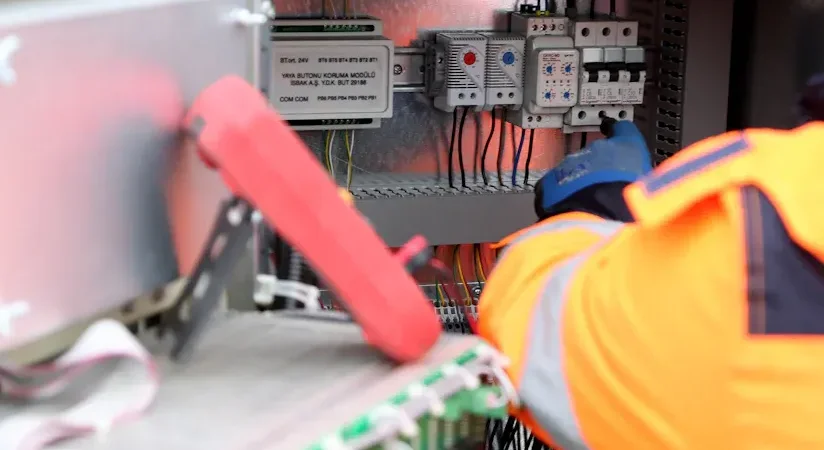
Check the outdoor AC unit’s control panel. Open it carefully to see the wiring and parts inside.
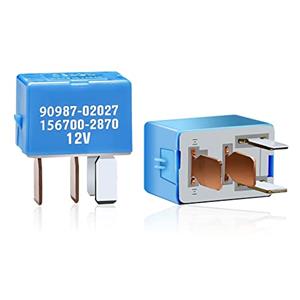
The relay looks like a small black or white box with metal prongs. It connects to the contactor or control board.
- Look near the compressor or fan motor wiring
- Check the fuse box or electrical panel for relays
- Use the AC unit’s manual for exact relay location
Safety Precautions
Turn off the power to the AC unit before opening any panels. This prevents electric shock and injury.
Wear insulated gloves and use tools with insulated handles. Avoid touching wires or terminals directly.
- Switch off the circuit breaker for the AC unit
- Use a voltage tester to confirm power is off
- Do not work in wet or damp conditions
- Keep children and pets away during testing
Credit: linkwellelectrics.com
Step-by-step Testing Process
Testing an air conditioner relay helps find problems that stop the system from working. This guide shows you how to test the relay safely and clearly.
Follow these steps to check the relay and understand the results. You only need a few tools and some care.
Preparing The System
Before testing, turn off the power to the air conditioner. This keeps you safe and stops damage to parts.
- Switch off the main power breaker.
- Use a voltage tester to ensure no power is flowing.
- Locate the relay on the contactor or control board.
- Remove any panels to access the relay safely.
- Have a multimeter ready for testing.
Performing The Relay Test
Use a multimeter to check if the relay coil and contacts work properly. This shows if the relay can switch on the air conditioner.
- Set the multimeter to the ohms (Ω) setting.
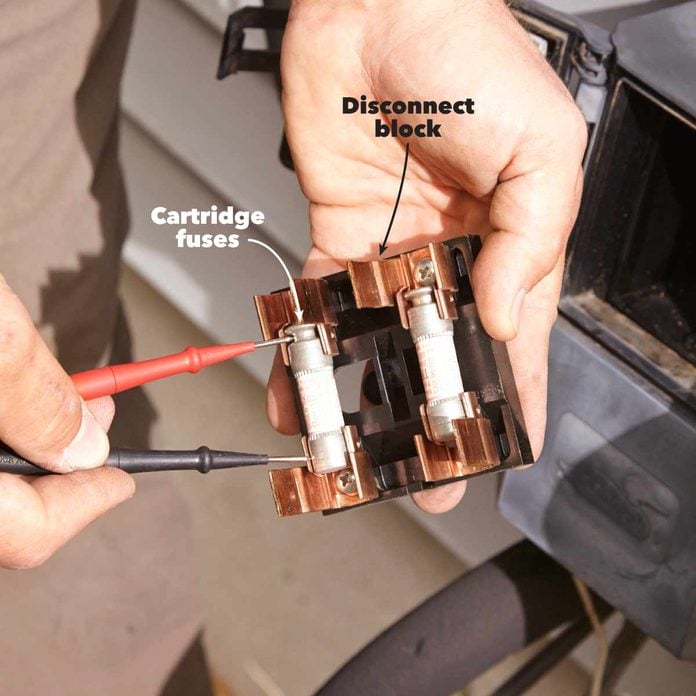
- Touch the meter leads to the relay coil terminals.
- Check if the meter shows a low resistance reading. This means the coil is good.
- Next, test the relay contacts for continuity.
- When the relay is activated, the contacts should close and the meter should beep or show zero resistance.
- If the relay does not activate, apply 24V power to the coil terminals carefully.
- Watch the relay click and test the contacts again.
Interpreting The Results
| Test | Expected Result | Meaning |
| Coil Resistance | Low (20-50 ohms) | Coil is healthy |
| Coil Resistance | Infinite or very high | Coil is broken |
| Contact Continuity (Activated) | Closed circuit (beep) | Relay contacts work |
| Contact Continuity (Activated) | Open circuit (no beep) | Contacts are faulty |
| Relay Click | Audible click | Relay activates properly |
| Relay Click | No sound | Relay coil or mechanism fails |
If any test shows a fault, replace the relay to restore air conditioner function. Testing helps avoid wrong repairs.
Common Relay Issues And Fixes
Air conditioner relays control the flow of electricity to the compressor and fan motors. If the relay fails, your AC might not work properly or stop working.
This guide explains how to spot relay problems and fix them safely. It also covers when to replace the relay for best results.
Troubleshooting Faulty Relays
Relays can fail due to wear, dirt, or electrical issues. Common signs include clicking noises, no power to the compressor, or the AC turning on and off rapidly.
- Listen for clicking sounds when the AC starts.
- Check if the relay coil gets power using a multimeter.
- Inspect the relay contacts for corrosion or damage.
- Test the relay coil resistance; it should match the manufacturer’s specs.
- Look for burnt marks on the relay which indicate a short circuit.
Cleaning the relay contacts or tightening loose connections may fix minor issues. Replace the relay if it shows signs of damage or fails electrical tests.
When To Replace The Relay
Knowing when to replace the relay prevents bigger AC problems. Use the table below to check common relay conditions and the right action.
| Relay Condition | Symptoms | Action |
|---|---|---|
| Burnt or melted contacts | AC won’t start or stops suddenly | Replace the relay immediately |
| Coil resistance too high or low | Relay does not click or clicks weakly | Replace the relay |
| Loose or corroded terminals | Intermittent AC operation | Clean and tighten connections |
| Physical damage or cracks | Visible damage, unreliable function | Replace the relay |
Credit: www.familyhandyman.com
Maintaining Your Ac Relay
The AC relay controls the power flow to your air conditioner. Keeping it in good shape helps your AC work well. Testing the relay regularly can avoid big problems.
Simple checks and care can extend your relay’s life. This guide helps you keep your AC relay healthy and reliable.
Routine Checks
Look at the relay often to find early signs of damage. Check for loose wires or burnt marks. Listen for clicking sounds when the AC turns on or off.
- Inspect the relay terminals for corrosion or dirt
- Check if the relay clicks when the AC starts
- Look for burnt spots or melted plastic
- Test the relay coil with a multimeter for proper resistance
Routine checks catch problems before they get worse. Replace the relay if you see damage or it does not work properly.
Preventive Tips
Keep the relay clean and dry to avoid failure. Avoid overloading the AC system to protect the relay from damage. Use surge protectors to guard against power spikes.
- Clean relay contacts gently with a dry cloth
- Keep the relay area free from dust and moisture
- Do not operate the AC beyond its power limits
- Install surge protectors to prevent electrical damage
Following these tips helps your relay last longer. Good care means your AC runs smoothly without relay problems.
Frequently Asked Questions
What Tools Are Needed To Test An Ac Relay?
To test an AC relay, you’ll need a multimeter, screwdriver, and safety gloves. A multimeter helps you check for continuity and voltage. Always ensure the power is off before starting. Using these tools properly ensures accurate testing and safety.
How Do I Locate The Ac Relay In My Unit?
The AC relay is typically found in the electrical panel or control box. Consult your air conditioner’s manual for exact location. It’s often near the compressor or fan. Identifying it correctly is crucial for effective testing.
What Are Signs Of A Faulty Ac Relay?
Signs of a faulty AC relay include the AC not starting, inconsistent cooling, or strange noises. You might also notice frequent cycling on and off. Addressing these issues promptly can prevent further damage to your unit.
Can I Test An Ac Relay Myself?
Yes, you can test an AC relay yourself with basic tools and safety precautions. Make sure to disconnect power before starting. Follow step-by-step guides to ensure accuracy. However, consult a professional if you’re unsure or uncomfortable.
Conclusion
Testing an air conditioner relay keeps your system running smoothly. It helps find problems early and saves repair costs. Use a multimeter and follow safety steps carefully. Checking the relay is simple with the right tools and guide. Regular testing prevents sudden breakdowns during hot days.
Stay comfortable and avoid expensive fixes by testing your relay today. Small checks make a big difference in AC performance. Keep your home cool and your mind at ease.