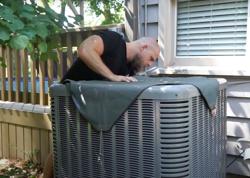
When winter arrives, you might wonder if covering your air conditioner is a smart move. Should you wrap it up to protect it from cold weather, or leave it as is?
Making the right choice can save you money and prevent damage to your unit. You’ll discover the truth about covering your air conditioner during winter. By the end, you’ll know exactly what to do to keep your system safe and ready for next summer.
Keep reading to find out how a simple decision can impact your comfort and your wallet.
Why Consider Covering Your Ac
Covering your air conditioner helps keep out dirtand debris. Leaves, dust, and small branches can block the unit. This can cause it to work less well in spring.
A cover also protects the AC from weather damage. Snow, rain, and ice can harm the parts outside. A cover keeps water from getting inside and causing rust or electrical problems.
Using a cover can extend the life of your AC. It stops damage caused by weather and dirt. A well-protected unit lasts longer and needs fewer repairs.
Credit: www.mjfrickco.com
Risks Of Covering Your Air Conditioner
Covering an air conditioner in winter can trap moisture.Moisture inside the cover creates a damp space. This environment encourages mold growth, which can harm the unit and your health.
Rust and corrosion risks increasewith trapped water and moisture. Metal parts exposed to moisture may weaken or break. This damage reduces the air conditioner’s life.
Covering the unit may also reduce airflow. Poor airflow can cause the unit to overheat or work harder. This leads to more wear and tear on the system.
Types Of Covers Available
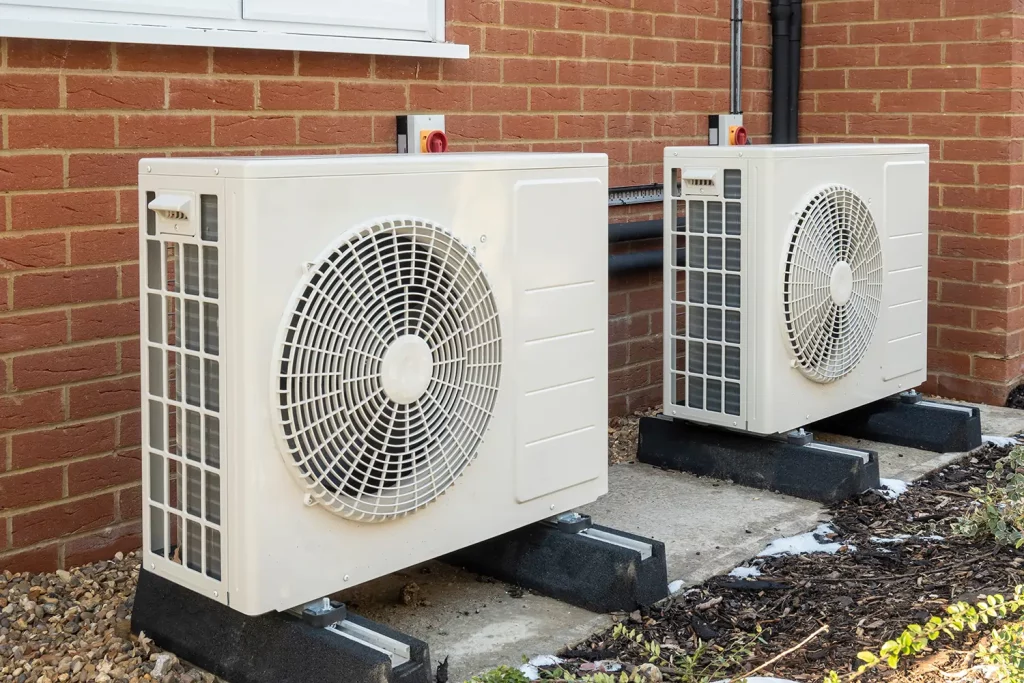
Plastic coversare cheap and easy to use. They protect the air conditioner from rain and snow. But they can trap moisture inside. This may cause rust or mold over time.
Fabric coversallow the unit to breathe. They keep out dirt and leaves but let moisture escape. These covers reduce the risk of damage from trapped water. They are also reusable and more durable than plastic.
Custom-fit covers offer the best protection. Made to match the air conditioner’s shape, they fit snugly and keep out all elements. These covers are usually made of strong fabric and last for many winters.

Credit: www.youtube.com
When To Cover Your Ac Unit
Climate plays a big role in deciding to cover an AC unit. In places with mild winters, covering might not be needed. Areas with heavy snow or ice benefit more from protection.
Seasonal timing matters a lot. Covering the unit too early can trap moisture. Wait until the cooling season ends and cold weather is steady.
| Local Weather Patterns | Covering Advice |
|---|---|
| Heavy Snowfall | Use a breathable cover to keep snow out but avoid moisture buildup. |
| Frequent Rain | Cover lightly to prevent water damage but allow air flow. |
| Dry, Cold Air | Covering may not be necessary; check manufacturer guidelines. |
Proper Steps To Cover Your Ac
Remove leaves, dirt, and debris from the AC unit first. This keeps the unit clean and stops mold growth. Use a soft brush or cloth to clear dust from the fins. Make sure the unit is dry before covering it to prevent moisture damage.
Choose a cover that fits the AC unit well. A cover that is too tight can cause damage. A loose cover can let in water or pests. Look for covers made of breathable materials to avoid trapping moisture.
- Secure the cover with straps or ropes to keep it in place.
- Check that the cover does not block any vents or airflow.
- Leave space for air circulation to prevent mold and rust.
- Remove the cover if heavy snow or ice builds up on top.
Alternative Winter Protection Methods
Using a protective shelterhelps guard the air conditioner from snow and ice. These shelters allow air to flow, preventing moisture buildup. Choose a cover made of breathable materialfor best results.
Regular maintenance checks keep the unit ready for winter use. Clear debris and leaves around the machine. Check for any damagesor rust spots and fix them early.
| Drainage Tips | Insulation Tips |
|---|---|
| Make sure water drains away from the unit. | Wrap pipes with foam insulation to prevent freezing. |
| Keep drainage holes clear of blockages. | Seal gaps around the unit to keep cold air out. |
Signs Your Ac May Be Damaged In Winter
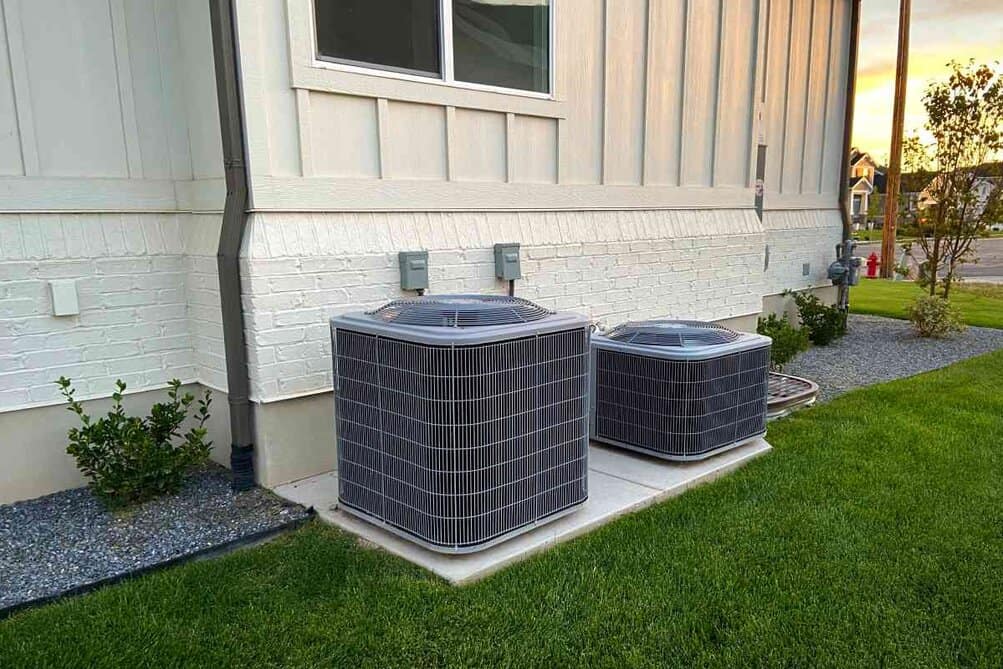
Unusual noisesfrom your AC during winter can mean damage inside. Sounds like rattling or grinding are signs to check the unit. These noises may show broken parts or debris stuck inside.
Visible rust or corrosionon the AC’s outside can harm its function. Rust weakens metal parts, making the unit less effective and more likely to break. Watch for any brown or orange spots on the metal.
Performance issues in springcould mean winter damage. If the AC cools poorly or stops working fast, damage may have occurred. Early checks help avoid costly repairs later.
Credit: www.furnaceprices.ca
Frequently Asked Questions
Should You Cover Ac In Winter?
Covering an air conditioner in winter can protect it from debris and harsh weather. However, it’s not always necessary if your unit is designed to withstand winter conditions. Ensure proper ventilation to prevent moisture buildup, which can cause rust and damage.
Consider consulting your AC manufacturer’s guidelines for best practices.
What Happens If Ac Is Not Covered?
If an air conditioner isn’t covered, it might accumulate debris and ice. This can lead to potential damage or reduced efficiency. However, most modern units are built to withstand winter weather. Regular maintenance and inspections can help ensure your unit remains in good condition.
Can Covering Ac Cause Damage?
Improperly covering your air conditioner can trap moisture, leading to rust and mold. It’s crucial to use a breathable cover that allows air circulation. Avoid using plastic or non-porous materials. Always follow the manufacturer’s recommendations to prevent any potential damage.
Is It Necessary To Cover Central Air Unit?
It’s not mandatory to cover a central air unit, but it can offer extra protection. If you live in an area with heavy snowfall or falling debris, covering might be beneficial. Ensure the cover is breathable and fits properly to avoid moisture buildup.
Conclusion
Covering your air conditioner in winter can protect it from dirt and weather. But too much cover might trap moisture and cause rust. Choose a breathable cover to keep the unit dry. Regular checks help spot problems early. A little care goes a long way in keeping your AC safe.
Think about your local climate before deciding. Proper maintenance saves money and stress later. Simple steps keep your air conditioner ready for summer.