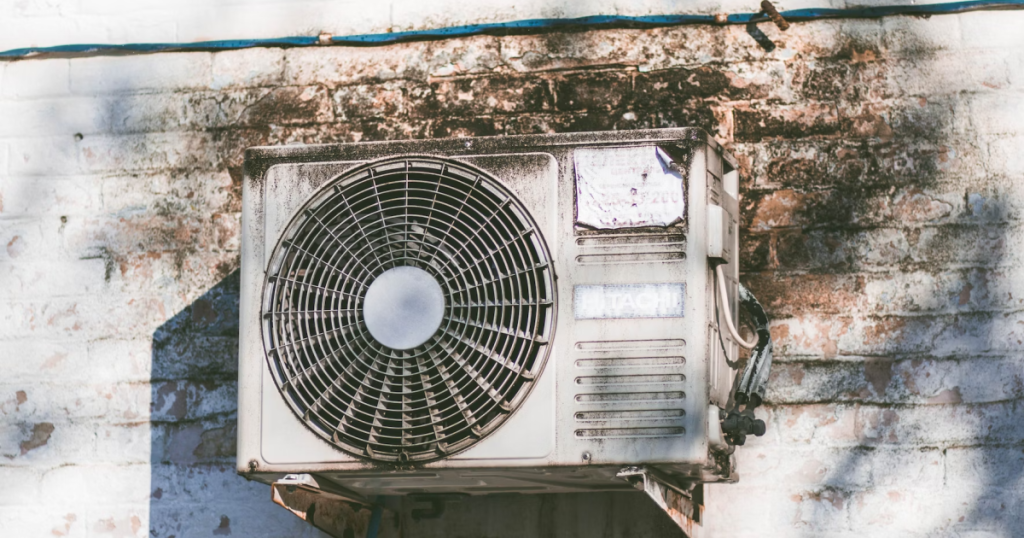
Is your air conditioner leaving behind an unpleasant mildew smell every time you turn it on? That must be frustrating, especially when you just want fresh, cool air.
The good news is, you don’t have to live with that musty odor. You can take simple steps to remove the mildew smell and keep your air conditioner smelling clean and fresh. You’ll discover easy, effective ways to eliminate that stubborn smell for good.
Ready to breathe easier and enjoy your air conditioner again? Let’s dive in.

Credit: www.youtube.com
Causes Of Mildew Smell In Ac
Mildew smell in an air conditioner is a common problem. It happens because of damp and dirty parts inside the AC.
Knowing the causes helps to fix the smell and keep your AC fresh.
Moisture Build-up
Moisture collects inside the AC during cooling. This wetness creates a perfect place for mildew to grow.
If the moisture does not dry quickly, mildew spores multiply and cause the bad smell.
Dirty Filters And Coils
Filters and coils trap dust and dirt over time. This dirt holds moisture and feeds mildew growth.
Dirty parts block airflow and make the AC smell musty and unpleasant.
- Dust on filters traps moisture
- Coils can get slimy and dirty
- Mildew grows on damp surfaces
Clogged Drainage
AC units have drainage to remove water. If the drainage is blocked, water stays inside the unit.
Standing water causes mildew and makes the air conditioner smell bad.
Poor Ventilation
Good airflow keeps the AC dry. Poor ventilation traps humidity and helps mildew grow.
Rooms with little air movement make mildew smell stronger in the air conditioner.
Signs Of Mildew Smell
A mildew smell in your air conditioner is a sign of moisture and mold growth. It can affect the air quality in your home. Detecting the smell early helps prevent health problems and damage.
Knowing the signs of mildew in your AC lets you fix the issue quickly. Check for odors, visible mold, and allergy symptoms to spot mildew problems.
Musty Odor From Vents
A strong, musty smell coming from your AC vents often means mildew is growing inside. This smell is different from normal air conditioner odors. It is damp and stale.
The smell may get worse when you turn on the AC or heater. This happens because air passes over moldy surfaces and spreads the odor.
Visible Mold Or Mildew
You might see spots of mold or mildew on the AC unit or near the vents. These spots look fuzzy, black, green, or white. Mold grows where moisture collects.
Check inside the vents and around the drip pan. If you spot mold, clean it safely to stop the smell and protect your health.
- Black or green spots on vents
- White fuzzy patches near the AC unit
- Moist or wet areas with visible growth
Allergy Symptoms
Mildew in your AC can cause allergy symptoms. These include sneezing, coughing, and itchy eyes. People with asthma may have trouble breathing.
If you notice allergy symptoms that worsen when the AC runs, mildew might be the cause. Fixing the problem improves your indoor air quality.
- Runny or stuffy nose
- Itchy or watery eyes
- Frequent coughing or wheezing
- Skin irritation or rash
Preparation Before Cleaning
Cleaning your air conditioner helps remove mildew smell. Proper preparation makes the job safe and easy. Follow these steps before you start cleaning.
Turn Off And Unplug Ac
Always turn off your air conditioner before cleaning. Unplug it from the power source to avoid electric shock. This step keeps you safe during the process.
Gather Cleaning Supplies
Get all the tools you need to clean the AC. Having supplies ready saves time and helps you work better. Below is a list of common cleaning supplies:
- Soft cloth or sponge
- Mild detergent or AC cleaner spray
- Bucket of warm water
- Old toothbrush or small brush
- Vacuum cleaner with brush attachment
- Spray bottle
Wear Protective Gear
| Protective Gear | Purpose |
|---|---|
| Gloves | Protect hands from dirt and chemicals |
| Mask | Prevent inhaling mildew spores and dust |
| Safety glasses | Shield eyes from splashes |
Wear the right gear to keep yourself safe. Mildew and cleaning agents can irritate your skin and lungs. Use gloves, a mask, and glasses before you begin.
Cleaning The Ac Components
Removing mildew smell from your air conditioner starts with cleaning its parts. Dirt and moisture cause mildew to grow. Regular cleaning keeps your AC fresh and working well.
Focus on key parts like filters, coils, and the drain system. Cleaning these helps stop bad odors and improves air quality.
Wash Or Replace Filters
Filters trap dust and moisture, which cause mildew smells. Wash reusable filters with warm water and mild soap. Let them dry completely before putting them back. Replace disposable filters every 1 to 3 months for best results.
Clean Evaporator And Condenser Coils
Coils collect dirt and moisture, creating a perfect place for mildew. Clean coils gently to avoid damage. Use a soft brush or coil cleaner spray. Regular cleaning keeps your AC running smoothly and smelling fresh.
- Turn off the power before cleaning
- Remove any debris on the coils
- Spray coil cleaner evenly
- Rinse with water if needed
- Allow coils to dry before turning the AC back on
Clear Drain Pan And Drain Line
Water collects in the drain pan and can cause mildew smells. Clean the pan with soap and water. Check the drain line for clogs to ensure water flows out freely.
| Drain Component | Cleaning Tip |
| Drain Pan | Scrub with warm soapy water and dry well |
| Drain Line | Flush with a mixture of vinegar and water to clear blockages |
Using Natural Remedies
Removing mildew smell from an air conditioner can be done naturally. This avoids harsh chemicals that can harm your health.
Natural remedies are easy to find and safe to use. They help clean and freshen your AC without strong scents.
Vinegar Solution
White vinegar kills mold and mildew effectively. It also removes bad odors from your air conditioner.
Mix equal parts of white vinegar and water in a spray bottle. Spray inside the AC vents and coils. Let it sit for one hour, then wipe clean.
- Use white vinegar and water in a 1:1 ratio
- Spray on vents, coils, and drip pans
- Let it sit for 60 minutes
- Wipe with a clean cloth
Baking Soda Application
Baking soda absorbs smells and cleans surfaces well. It helps remove mildew smell from your air conditioner parts.
Sprinkle baking soda on the air filter and inside the vents. Leave it for a few hours or overnight. Then vacuum or wipe it away carefully.
- Apply baking soda on air filter and vents
- Wait several hours or overnight
- Vacuum or wipe off the baking soda
- Repeat if smell persists
Essential Oils
Essential oils add a fresh scent and fight mold. Oils like tea tree, eucalyptus, and lavender work well against mildew.
Mix a few drops of essential oil with water in a spray bottle. Spray lightly inside the AC vents. This keeps your air conditioner smelling fresh.
- Choose tea tree, eucalyptus, or lavender oil
- Mix 10 drops with one cup of water
- Spray inside vents and air filters
- Repeat every few weeks for freshness
Preventing Future Mildew Growth
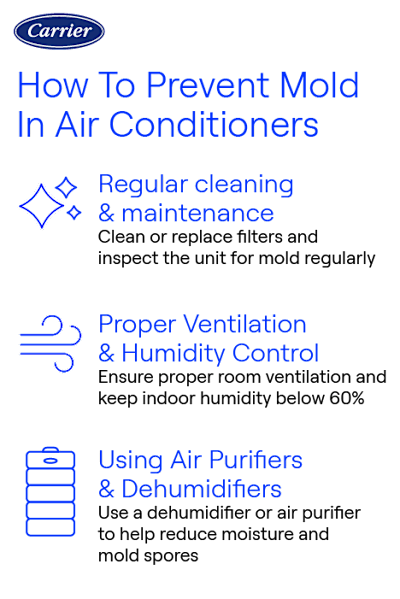
Mildew smell in air conditioners can return if you do not stop its growth. Taking steps to prevent mildew keeps your AC fresh. Simple habits and care help stop mildew from coming back.
Focus on keeping your AC clean, dry, and well-ventilated. These actions reduce moisture, the main cause of mildew growth.
Regular Maintenance Schedule
Set a regular time to clean your air conditioner. Check and replace filters every month. Clean the coils and drain pans at least twice a year.
Regular checks stop dust and dirt buildup. This stops mildew from finding a place to grow.
- Replace or clean filters monthly
- Clean coils and drain pans twice a year
- Inspect the unit for leaks or blockages
- Schedule professional service yearly
Keep Ac Dry
Moisture helps mildew grow inside your AC. Remove water from the unit after use. Use a dry cloth to wipe wet parts.
Check the drain line for clogs. A blocked drain can cause water to stay inside the AC and cause mildew.
- Wipe wet surfaces after use
- Clear drain lines regularly
- Use a dehumidifier if your room is very humid
Improve Airflow And Ventilation
Good airflow reduces moisture and stops mildew growth. Keep furniture and curtains away from the AC vents. This helps air move freely.
Open windows or use fans to improve ventilation. This lowers humidity and keeps the air fresh.
- Keep vents clear of obstructions
- Use fans to increase air movement
- Open windows for fresh air when possible
When To Call A Professional
If your air conditioner has a mildew smell that does not go away, you might need expert help. Some problems require tools and skills only professionals have.
Knowing when to call a professional can save your AC and keep your home safe and fresh.
Persistent Smell
A mildew smell that stays after cleaning means deeper issues. Mold can grow inside parts you cannot reach.
- Smell remains after filter changes and cleaning
- Odor returns quickly after a short fresh period
- Musty air comes from the AC vents
Complex Repairs
Some AC problems need special tools or knowledge. If you face these, call a professional.
| Problem | Why Call a Professional |
| Mold deep inside the coils | Needs special cleaning chemicals and tools |
| Blocked drainage pipes | Must be cleared to stop moisture build-up |
| Damaged insulation or ductwork | Needs repair to prevent mold growth |
Health Concerns
Mildew can cause allergies and breathing problems. If anyone in your home feels sick, get help fast.
Signs to watch for:
- Constant coughing or sneezing
- Headaches or dizziness
- Eye or throat irritation
- Worsening asthma symptoms
These signs mean the air quality is unsafe. A professional can fix the root problem.

Credit: www.youtube.com
Credit: www.carrier.com
Frequently Asked Questions
What Causes Mildew Smell In Air Conditioners?
Mildew smell in air conditioners is often due to moisture buildup. This can occur when the unit doesn’t dry properly. Mold and bacteria can thrive in damp conditions, leading to unpleasant odors. Regular cleaning and maintenance can help prevent this issue.
How Often Should I Clean My Air Conditioner?
It’s recommended to clean your air conditioner every three months. Regular cleaning helps prevent mildew and mold buildup. Ensure filters, coils, and drains are checked and cleaned. This routine maintenance can improve air quality and prolong the unit’s lifespan.
Can I Use Vinegar To Remove Mildew Smell?
Yes, vinegar is effective in removing mildew smell. Mix equal parts of vinegar and water. Spray the solution on the affected areas of the air conditioner. Let it sit for 30 minutes, then wipe clean. This natural remedy neutralizes odors and kills bacteria.
What Are The Signs Of Mold In Air Conditioners?
Common signs include a musty smell, visible mold, and increased allergy symptoms. You might also notice decreased cooling efficiency. Regular inspections can help identify and address mold issues early, ensuring the unit functions properly.
Conclusion
Removing mildew smell from your air conditioner keeps your home fresh. Clean the filters and coils regularly to stop mildew growth. Use vinegar or baking soda to neutralize odors effectively. Dry any moisture inside the unit after cleaning to prevent mildew return.
Regular maintenance saves money and improves air quality. A fresh-smelling air conditioner makes your space more comfortable. Keep your AC clean and breathe easier every day. Simple steps can make a big difference in your indoor air.