When you’re camping, staying warm inside your tent can make the difference between a great night and a restless, chilly one. You don’t want to wake up shivering or lose sleep because you’re uncomfortable.
Luckily, there are simple and effective ways to keep cozy, no matter how cold it gets outside. You’ll discover practical tips and easy tricks that will help you stay warm and enjoy your time outdoors. Ready to transform your camping nights?
Let’s dive in!
Credit: www.outsideonline.com
Choose The Right Tent
Keeping warm in a tent starts with picking the right one. A good tent blocks cold wind and traps heat inside.
Choosing the right tent helps you stay comfortable during cold weather camping. Look for features that keep warmth in.
Opt For Four-season Tents
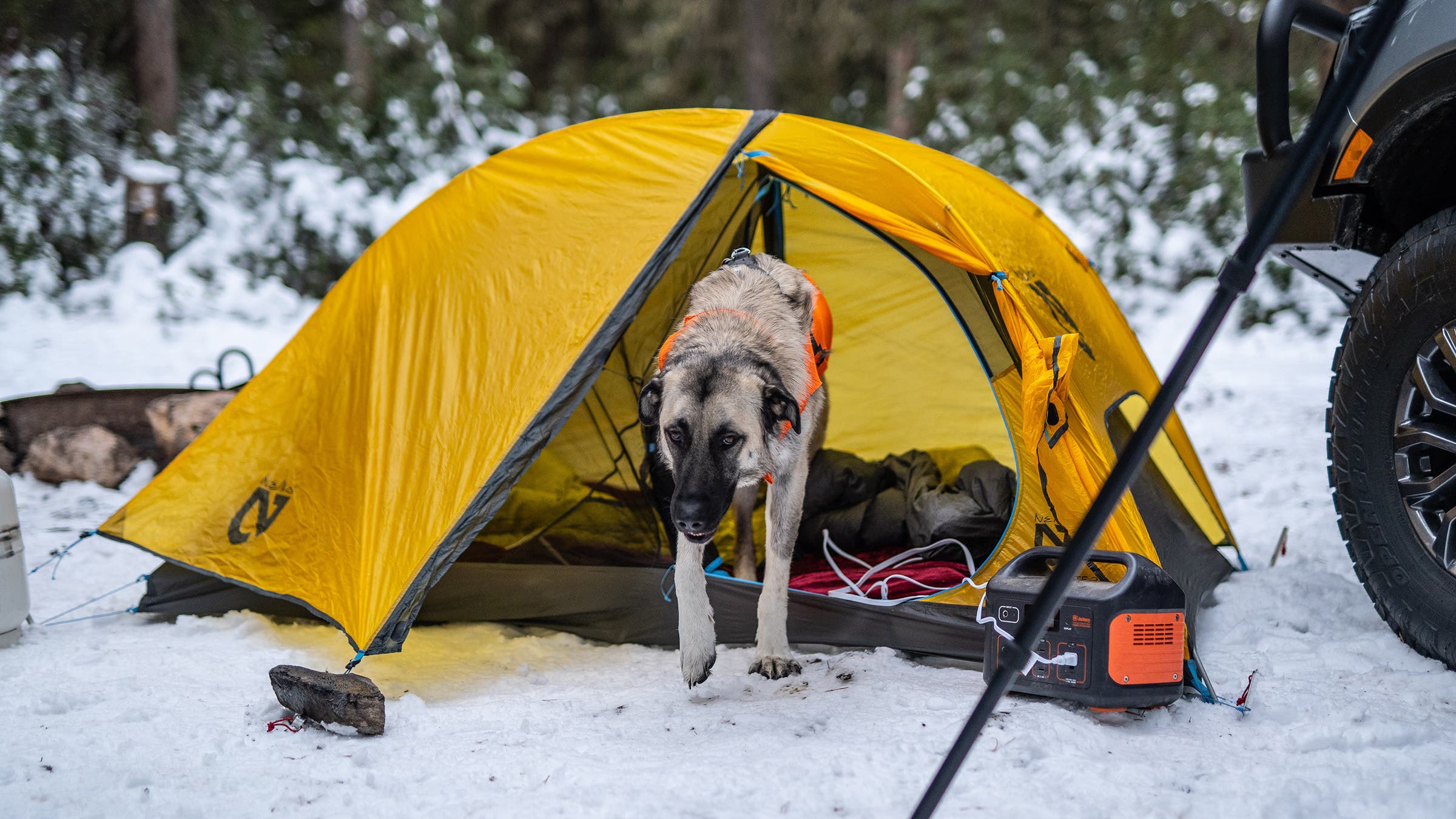
Four-season tents are made for cold and snowy conditions. They have stronger poles and thicker fabric to hold up against wind and snow.
These tents keep you warmer by blocking harsh weather better than three-season tents. They also have fewer mesh panels to keep heat inside.
Check Tent Insulation
Some tents have extra insulation layers or thicker fabric. These features help keep the cold out and warmth in.
Look for tents with a low heat loss rating or those designed for cold weather. Insulated tents help you stay cozy at night.
- Double-wall tents trap warm air between layers
- Insulated rain flies add a warm barrier
- Sealed seams prevent cold air leaks
Consider Tent Size
Choose a tent size that fits your group but is not too big. Smaller tents are easier to keep warm.
Extra space means more air to heat. A tent packed with people or gear holds heat better than a large empty tent.
- Small tents warm up faster
- Share space with others to keep warm
- Keep gear inside to block drafts
Credit: www.theshowerpouch.com
Select Warm Sleeping Gear
Keeping warm in a tent depends a lot on the right sleeping gear. Cold nights can be tough without proper gear. Choosing the right items helps you stay cozy and comfortable.
Focus on three key things: sleeping bags, sleeping pads, and insulating layers. Each plays a big role in blocking cold and keeping heat in.
Pick Quality Sleeping Bags
Choose sleeping bags made for cold weather. Look for bags with good insulation and proper temperature ratings. A good sleeping bag traps your body heat inside.
Down and synthetic fills are common. Down is light and warm but loses warmth when wet. Synthetic fills keep warmth even if damp.
- Check the temperature rating on the bag
- Consider the bag’s shape for heat retention
- Look for bags with hoods to keep your head warm
Use Sleeping Pads
Sleeping pads stop cold air from reaching your body. They add a layer of insulation between you and the ground. This helps keep your body heat from escaping.
Foam pads and inflatable pads are popular choices. Foam pads are durable and cheap. Inflatable pads are lightweight and compact.
- Choose a pad with good insulation value (R-value)
- Make sure it fits your sleeping bag size
- Test for comfort and thickness before camping
Add Insulating Layers
Wear warm clothes inside your sleeping bag. Layers trap heat around your body. Avoid cotton; use wool or synthetic fabrics for insulation.
You can also add blankets or liners inside your sleeping bag. These extra layers increase warmth without much weight.
- Wear thermal underwear or fleece layers
- Add a sleeping bag liner for extra warmth
- Use hats and socks to keep extremities warm
Dress For Cold Weather
Keeping warm in a tent starts with dressing right. Your clothes help keep your body heat inside.
Wearing the proper layers stops cold air from reaching your skin. It also helps you stay dry and comfortable.
Wear Moisture-wicking Base Layers
Wear base layers that pull sweat away from your skin. This keeps you dry and stops you from getting cold.
Choose materials like polyester or merino wool for your base layers. Avoid cotton because it holds moisture.
- Helps regulate body temperature
- Keeps skin dry during activities
- Prevents chills from wet clothes
Add Insulating Mid Layers
Put on a warm mid layer to trap your body heat. This layer acts like a blanket around you.
Fleece and down jackets work well as mid layers. They keep warmth close to your body without adding too much weight.
- Traps warm air near your body
- Light and easy to move in
- Works well with base and outer layers
Use Thermal Socks And Gloves
Keep your hands and feet warm with thermal socks and gloves. These parts get cold fast and need extra care.
Look for wool or synthetic materials that keep heat in and wick moisture away. Avoid cotton socks and gloves.
- Prevents frostbite and cold injuries
- Keeps fingers and toes dry
- Improves overall comfort in cold
Optimize Tent Setup
Keeping warm inside a tent starts with how you set it up. Proper setup blocks cold air and keeps heat inside. Small changes make a big difference in comfort.
Focus on choosing the right spot, using ground tarps, and sealing openings well. These steps create a warmer shelter for your camping nights.
Pitch Tent In Sheltered Spots
Look for areas protected from wind to pitch your tent. Trees, bushes, or hills can block cold gusts. Avoid low spots where cold air gathers.
- Choose a spot behind natural windbreaks like rocks or shrubs
- Avoid open fields or hilltops exposed to wind
- Pick dry ground to prevent dampness and cold from below
Use Ground Tarps
Place a tarp under your tent to add an extra layer between you and the cold ground. This helps keep moisture out and heat in.
| Benefit | How It Helps |
| Keeps Moisture Away | Prevents water from soaking into tent floor |
| Adds Insulation | Blocks cold from the ground |
| Protects Tent Floor | Reduces wear and tear |
Seal Tent Openings
Closing all tent openings stops cold air from entering. Use zippers and flaps to seal doors and windows tightly.
- Zip all doors and windows fully
- Use extra fabric or tape to cover gaps
- Keep vents closed if it is very cold, but ensure some airflow to prevent moisture buildup
Utilize Heat Sources Safely
Keeping warm inside a tent is important for comfort and safety. Using heat sources correctly helps prevent accidents. Always follow safety tips to avoid fires and injuries.
Choose the right heat source and use it carefully. Check the equipment before use and never leave heat sources unattended. Proper ventilation is also key to stay safe.
Use Hot Water Bottles
Hot water bottles are simple and safe ways to stay warm. Fill them with hot water and place them inside your sleeping bag. They provide steady warmth through the night.
- Use bottles made of thick rubber or silicone.
- Check for leaks before filling with hot water.
- Wrap the bottle in a cloth to avoid burns.
- Replace hot water as needed to keep warmth.
Try Portable Heaters
Portable heaters can quickly warm your tent. Choose models designed for indoor or tent use. Always read the manual and follow safety instructions closely.
| Heater Type | Fuel Source | Safety Tip |
| Electric Heater | Electricity | Use with proper power supply |
| Propane Heater | Propane Gas | Ventilate tent well |
| Butane Heater | Butane Gas | Keep away from flammable materials |
Keep Warm With Body Heat
Your body heat is a natural and safe way to stay warm in a tent. Sharing space and layering clothes can help trap heat inside your shelter.
- Sleep close to others to share warmth.
- Wear thermal or wool clothing layers.
- Use insulated sleeping pads to block cold ground.
- Keep your head and feet covered.
Manage Ventilation Wisely
Keeping warm in a tent depends a lot on managing air flow. Good ventilation stops moisture build-up and keeps the inside air fresh.
You need to balance letting fresh air in and keeping warmth inside. This guide explains how to do that well.
Prevent Condensation
Condensation happens when warm air meets cold surfaces inside the tent. It makes everything wet and cold.
- Keep vents open slightly to let moist air escape.
- Use a rain fly that allows air flow but blocks rain.
- Avoid cooking or boiling water inside the tent.
- Store wet clothes outside the sleeping area.
- Choose a well-drained camping spot to reduce ground moisture.
Balance Warmth And Airflow
Good airflow brings fresh oxygen but can lower the temperature. You need to find the right mix.
| Action | Benefit | Tip |
| Open vents | Reduces moisture | Open vents on opposite sides |
| Use breathable tent fabric | Allows air exchange | Check tent specs before buying |
| Close vents at night | Keeps warmth inside | Leave small gaps for airflow |
| Use a small fan | Improves air movement | Battery-powered fans work well |
Eat And Drink For Warmth
Staying warm in a tent requires good planning. Your food and drink choices help keep your body heat up. Eating the right foods and drinking warm liquids is key.
Let’s explore how to eat and drink to stay warm while camping in cold weather.
Consume High-calorie Foods
Your body burns calories to create heat. High-calorie foods give your body energy to stay warm. Choose foods rich in fats and carbohydrates.
- Nuts and seeds provide healthy fats and protein.
- Cheese and peanut butter are great sources of calories.
- Granola bars offer quick energy with carbohydrates.
- Dried fruits add natural sugars for fast fuel.
- Oatmeal is a warm, filling option with good carbs.
Drink Warm Beverages
Warm drinks help raise your body temperature from the inside. Hot liquids also comfort and hydrate you in cold weather.
| Warm Drink | Benefits |
| Hot tea | Calms nerves and provides antioxidants |
| Warm broth | Hydrates and supplies salt and nutrients |
| Hot chocolate | Offers calories and a sweet treat |
| Warm water with lemon | Hydrates and supports digestion |

Credit: www.youtube.com
Prepare For Nighttime
Staying warm in a tent is important for a good night’s sleep. Cold nights can be uncomfortable and even dangerous.
Getting ready before bedtime helps you keep heat inside your tent. Simple actions can make a big difference.
Warm Up Before Bed
Do light exercises or walk around to raise your body temperature. This helps you feel warmer when you get into your sleeping bag.
A warm drink like tea or hot chocolate can also help heat your body. Avoid alcohol because it lowers your body temperature.
Keep Extra Clothes Handy
Bring extra layers of clothing to wear inside your tent. Clothes like socks, gloves, and hats trap body heat and keep you warm.
Keep these clothes close to your sleeping area. This way, you can put them on quickly if you feel cold during the night.
- Thermal underwear
- Wool socks
- Fleece jacket or sweater
- Warm hat and gloves
- Extra dry clothes in case you get wet
Frequently Asked Questions
How Can I Insulate My Tent For Warmth?
To insulate your tent, use a ground tarp and reflective blankets. Layer sleeping bags with thermal liners. Choose insulated sleeping pads for better warmth. Sealing gaps with weather-resistant tape also helps. Proper insulation keeps the cold out and traps body heat inside.
What Type Of Sleeping Bag Is Best For Winter Camping?
Choose a sleeping bag rated for below-freezing temperatures. Opt for a mummy-style bag for better insulation. Down-filled bags offer excellent warmth. Synthetic bags are water-resistant and affordable. Ensure the bag has a draft collar and hood for extra warmth.
How Do I Keep My Tent Warm Without Electricity?
Use a portable propane heater designed for camping. Ensure proper ventilation to avoid carbon monoxide. Layer with insulated sleeping pads and thermal sleeping bags. Hot water bottles provide additional warmth. Thermal blankets also trap and retain heat effectively.
Are There Specific Clothes To Wear In A Tent?
Wear thermal base layers to trap body heat. Insulating mid-layers, like fleece, provide additional warmth. Choose wool or synthetic socks for dry feet. A warm hat and gloves prevent heat loss. Avoid cotton as it absorbs moisture and cools you down.
Conclusion
Staying warm in a tent takes some simple steps. Use good sleeping bags and wear warm clothes. Keep dry and avoid letting cold air inside. A small heat source helps, but stay safe. Prepare your body by eating and moving before sleep.
With these tips, camping stays cozy and fun. Enjoy nature without feeling cold at night. Warmth makes your outdoor adventure better and safer. Try these easy ideas on your next trip.