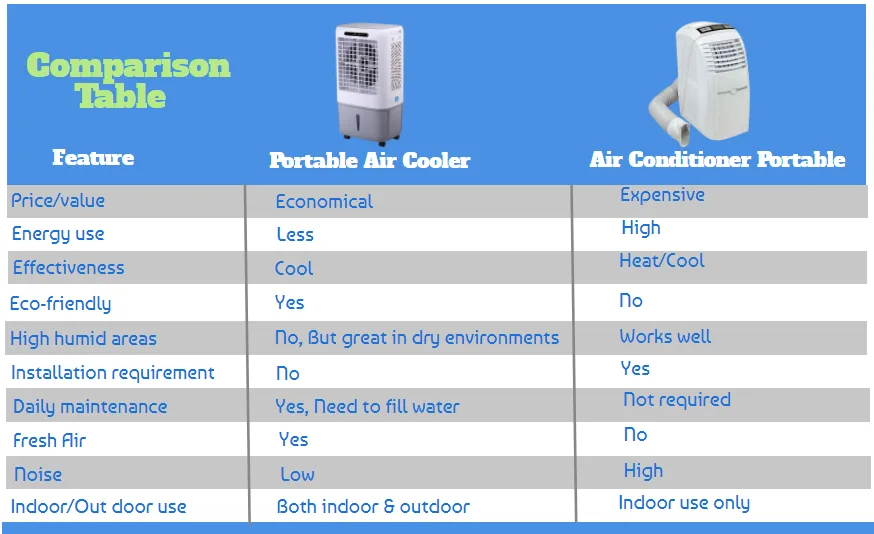
Are you worried that running a portable air conditioner might skyrocket your electricity bill? You’re not alone.
Many people wonder if these handy cooling devices use a lot of power and whether they are worth the cost. Understanding how much electricity your portable AC uses can help you make smarter choices for your comfort and your wallet.
Keep reading to discover the facts and easy tips to keep your energy use low while staying cool.

Credit: www.popularmechanics.com
How Portable Air Conditioners Work
A portable air conditioner cools a room by moving warm air outside. It uses a hose to push hot air out through a window. Inside, a fan pulls air from the room over cold coils. This cools the air, which the fan then blows back inside.
Basic componentsinclude:
- Compressor to cool the refrigerant
- Condenser coil to release heat
- Evaporator coil to absorb heat
- Fan to move air inside and outside
- Exhaust hose for hot air
The cooling processstarts as warm air touches the cold evaporator coil. The refrigerant absorbs heat, turning warm air into cool air. Heat is then moved outside through the exhaust hose.
Energy consumption factorsdepend on:
- Unit size and power
- Room size and insulation
- Outside temperature
- How often it runs
- Thermostat settings
Credit: www.forbes.com
Electricity Usage Compared To Other Ac Types
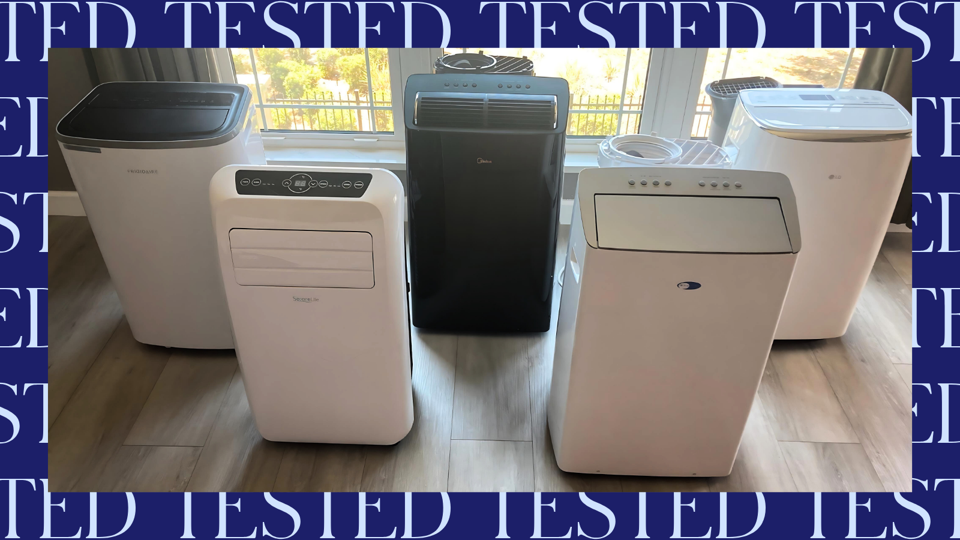
Portable air conditioners use more electricity than window AC units. Window ACs fit in a window and cool a room efficiently. Portable ACs are easy to move but often use a fan to push hot air out. This makes them less efficient.
Split ACs have two parts: one inside and one outside. They use less electricity than portable ACs. Split systems cool rooms faster and save energy by using better technology.
| AC Type | Electricity Use | Energy Efficiency |
|---|---|---|
| Window AC | Lower | Higher |
| Portable AC | Higher | Lower |
| Split AC | Lowest | Highest |
Factors Affecting Electricity Consumption
Unit sizeand BTU ratinggreatly affect electricity use. Bigger units with higher BTUs cool more space but use more power. Smaller units use less electricity but may not cool large rooms well.
Room sizeand insulationalso matter. A well-insulated room keeps cool air in and saves energy. Larger rooms or poor insulation make the unit work harder, increasing electricity use.
Usage durationand settingsimpact power consumption. Longer use or lower temperature settings raise electricity use. Using energy-saving modes or timers can help reduce costs.
Tips To Reduce Power Consumption
Setting the temperaturebetween 75°F and 78°F helps save electricity. Cooler settings make the unit work harder and use more power.
Good ventilationlets hot air escape. Make sure the exhaust hose is not bent or blocked. This helps the air conditioner cool better and use less energy.
Cleaning or replacing the filterregularly improves airflow. Dust and dirt make the unit less efficient and increase power use.
Check the ventsfor any dust build-up. Clear them to keep air moving freely.
Estimating Your Portable Ac’s Energy Cost
A portable air conditioner’s power use depends on its wattageand how long it runs. Check the label for the wattsit needs. Multiply watts by hours used to find total energy in watt-hours. Divide by 1000 to get kilowatt-hours (kWh), the unit your electricity bill uses.
Electricity prices vary by location. The average cost is about 12 cents per kWh. Multiply your AC’s kWh by this rate to estimate daily or monthly costs.
| AC Wattage | Hours Used Daily | kWh Used Daily | Cost Per kWh ($0.12) | Daily Cost |
|---|---|---|---|---|
| 1000 watts | 8 | 8 kWh | $0.12 | $0.96 |
| 1500 watts | 6 | 9 kWh | $0.12 | $1.08 |
When To Choose A Portable Ac
Portable air conditioners work well in small spacesor rooms without built-in cooling. They are perfect for temporary use, like during hot months or in rented homes. These units fit where window units or central AC can’t.
Choosing between temporary and long-term usematters. Portable ACs are less efficientthan central systems but offer flexibility. For short periods, they save money and effort. For long use, central AC may be cheaper in the long run.
| Factor | Portable AC | Central AC |
|---|---|---|
| Cost | Lower upfront, higher running costs | Higher upfront, lower running costs |
| Convenience | Easy to move and install | Fixed installation |
| Space | Good for small or limited spaces | Better for whole house cooling |

Credit: hvac-temecula-murrieta.com
Frequently Asked Questions
Do Portable Air Conditioners Consume A Lot Of Power?
Portable air conditioners generally consume less power than central systems. Their efficiency varies based on size, model, and usage. Always check the unit’s Energy Efficiency Ratio (EER) for better insights. On average, a portable unit uses around 900 to 1,500 watts per hour.
How Can I Reduce Energy Use?
To reduce energy use, ensure proper insulation in your room. Close windows and doors to prevent air leaks. Use blinds or curtains to block sunlight. Regularly clean the air filter and maintain the unit. Optimize the thermostat setting for efficient cooling.
Are Portable Acs More Efficient Than Window Units?
Portable air conditioners are generally less efficient than window units. This is because they expel warm air through a hose. Window units are fixed, ensuring better sealing and cooling. However, portable units offer flexibility and ease of installation, which can be beneficial.
Can I Use A Portable Ac In Any Room?
You can use a portable AC in most rooms, but ensure proper ventilation. The unit needs an exhaust hose to expel hot air. Ensure there’s access to a window or vent. Portable ACs are ideal for spaces where window units aren’t feasible.
Conclusion
Portable air conditioners do use electricity, but not too much. Their power use depends on size and settings. Running them wisely can save energy and money. Choose the right unit for your space and needs. Keep doors and windows closed to keep cool air in.
Regular cleaning helps the unit work better and use less power. Small changes make a big difference in your electric bill. Portable ACs offer comfort without huge energy costs. Consider these tips to keep cool and save energy.