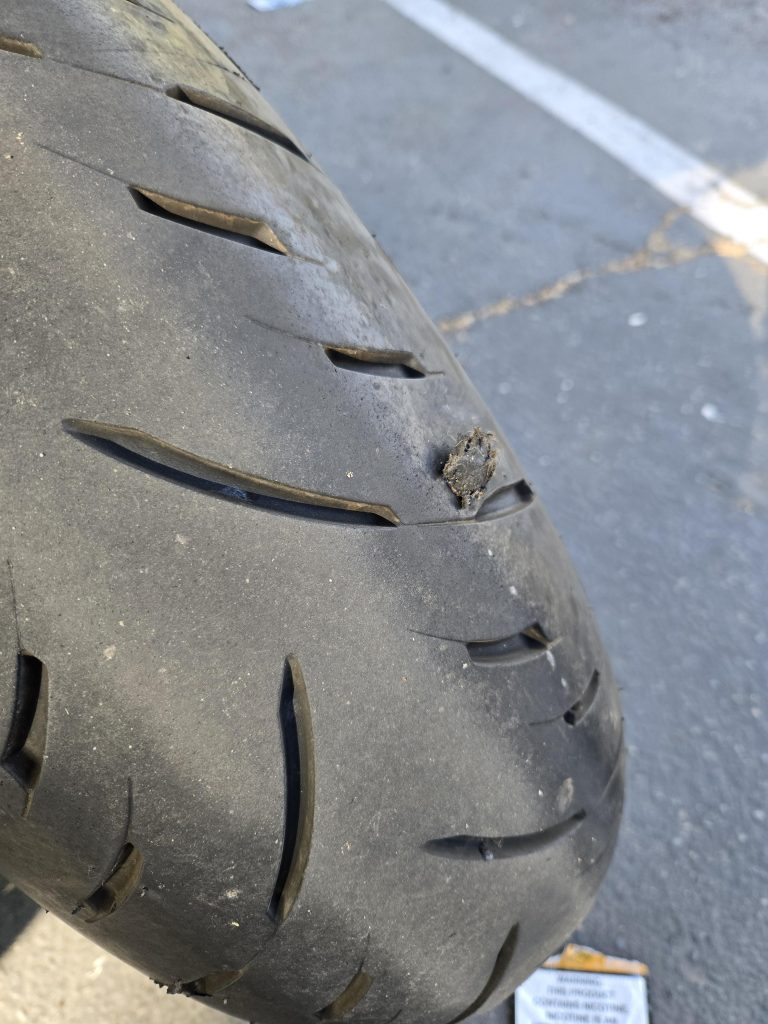
Have you ever faced a sudden flat tire while riding your motorcycle and wondered if plugging it is a safe fix? You might be asking yourself, “Is it really okay to plug a motorcycle tire, or should I just replace it?” Making the right choice can save you time, money, and even keep you safe on the road.
You’ll discover exactly when plugging your tire is a smart move and when it’s better to look for other options. Keep reading to learn how to protect your ride and stay confident behind the handlebars.
When To Use A Tire Plug
Plugs are a quick fix for small holes in motorcycle tires. They help avoid immediate tire replacement.
Knowing when to use a tire plug keeps you safe and extends tire life. Not all damage suits plugging.
Types Of Tire Damage Suitable For Plugging
Tire plugs work best for small punctures caused by sharp objects. These are usually nails or screws.
Plugging is safe if the hole is in the tread area, not on the sidewall or shoulder.
- Small punctures less than 1/4 inch (6mm)
- Damage located in the tread area
- Single puncture, not multiple holes close together
- Clean holes without large tears or cuts
Risks Of Plugging Large Punctures
Large punctures can cause tire failure even if plugged. The plug may not seal the hole fully.
Plugging big holes weakens the tire structure. This can lead to sudden air loss or accidents.
- Plug failure due to size and location of damage
- Possible tire blowout at high speeds
- Uneven tire wear from weakened areas
- Risk of loss of control while riding

Credit: www.reddit.com
Tools Needed For Plugging
Fixing a motorcycle tire with a plug takes some basic tools. You need the right items to do the job safely and well.
Using proper tools helps you repair the tire quickly and avoid more damage.
Essential Plugging Kits
A good tire plugging kit has all the parts needed to patch a small hole. You do not have to buy each tool separately.
- Plug strips or rubber plugs
- Reamer tool to clean the hole
- Insertion tool to push the plug inside
- Rubber cement or glue for sealing
- Utility knife to trim excess plug
Additional Safety Gear
| Gear | Purpose |
| Gloves | Protect hands from sharp objects and dirt |
| Eye protection | Guard eyes from debris during repair |
| Flashlight | Help see the tire hole clearly |
| Air pump or compressor | Inflate tire after plugging |
Step-by-step Plugging Process
Fixing a motorcycle tire puncture with a plug can be done safely if done right. This guide shows you the main steps to plug a tire.
Follow these steps to find the hole, prepare the tire, insert the plug, and check the repair.
Locating The Puncture
First, find where the tire is leaking air. Look for nails, screws, or sharp objects stuck in the tire.
If you cannot see the hole, apply soapy water to the tire. Watch for bubbles that show escaping air.
Preparing The Tire
Remove the object causing the puncture carefully. Make sure the tire is clean and dry before plugging.
Use a reaming tool to clean and widen the hole slightly. This helps the plug fit tightly.
- Remove debris from the hole
- Use reamer tool to smooth the hole
- Keep the area dry and clean
Inserting The Plug
Take a rubber plug and insert it into the plug tool. Push the plug into the puncture hole firmly.
Pull the tool out carefully, leaving the plug inside. The plug should fill the hole and stick out slightly.
- Thread plug into insertion tool
- Push plug into tire hole completely
- Remove tool, leaving plug in place
Sealing And Testing
Cut off any extra plug material that sticks out beyond the tire surface. Press the plug firmly to seal the hole.
Inflate the tire and check for leaks. Use soapy water again to ensure no air escapes around the plug.
- Trim excess plug rubber
- Press plug to seal tightly
- Inflate tire to proper pressure
- Check for air leaks with soapy water
Safety Concerns And Precautions
Plugging a motorcycle tire can seem like a quick fix. It may save you time and money. But it is important to understand the risks. Knowing the right precautions keeps you safe on the road.
This article looks at the dangers of improper tire plugging. It also explains when you should avoid fixing the tire yourself.
Potential Dangers Of Improper Plugging
Putting a plug in the wrong way can cause serious problems. The tire may lose air while you ride. This can lead to accidents or damage to the tire and wheel.
- Plugging a large hole may not hold air properly.
- Using poor quality plugs can fail quickly.
- Improper sealing can cause slow leaks.
- Riding on a damaged tire risks a blowout.
- Wrong placement of the plug weakens the tire.
Always inspect the tire carefully. If the damage is more than a small puncture, plugging is unsafe.
When To Avoid Diy Repairs
Some situations need professional repair or tire replacement. Trying to fix these yourself can be dangerous.
| Situation | Reason to Avoid DIY |
| Sidewall damage | Weakens tire structure |
| Large punctures over 1/4 inch | Plug won’t seal properly |
| Multiple punctures | Risk of tire failure |
| Visible cracks or cuts | Unsafe to repair |
| Damaged tire bead | Compromises tire fit on rim |
When in doubt, visit a tire shop. Experts can check if your tire is safe. They use tools and techniques that a DIY plug cannot match.
Alternative Repair Options
When a motorcycle tire gets damaged, choosing the right repair method is key. Not all fixes work for every problem.
We look at some common repair options and when to use each one for safety and lasting results.
Patching Vs Plugging
Patching covers the inside of the tire, sealing the hole from air leaks. Plugging fills the hole from the outside with a rubber plug.
- Patching: Works for holes up to 1/4 inch inside the tire.
- Plugging: Best for small punctures on the tread area only.
- Not recommended: Sidewall damage or large holes cannot be safely repaired with these methods.
Patching usually lasts longer and is safer because it seals the tire fully. Plugging is quicker but may not be a permanent fix.
Professional Tire Repair Services
Tire experts use special tools and materials to repair motorcycle tires correctly. They inspect the damage and decide the safest option.
| Service | What It Involves | Benefits |
| Tire Inspection | Check for damage and wear | Ensures proper repair or replacement |
| Proper Patching | Remove damaged area, apply patch inside | Strong, long-lasting seal |
| Plugging | Insert plug into puncture | Quick temporary fix |
| Tire Replacement | Replace tire if damage is unsafe to fix | Maximum safety and performance |

Credit: www.bikesales.com.au
Expert Recommendations
Plugging a motorcycle tire is a common question among riders. It is important to know when it is safe and when it is not. Experts have clear advice on this topic.
Using a plug can be a temporary fix. But it should not replace proper tire repair or replacement. Safety should always come first.
Best Practices For Long-term Tire Health
Always inspect your tire before plugging it. Check the size and location of the puncture. Small holes in the tread area are usually repairable.
Do not plug sidewall or shoulder punctures. These areas flex and can cause the plug to fail. Use the right tools and follow the manufacturer’s instructions for repair.
- Only plug small punctures less than 1/4 inch
- Use a combination patch and plug for better sealing
- Balance the tire after repair to avoid vibrations
- Check tire pressure regularly to spot slow leaks
- Consult a professional for any doubts about repair
When To Replace Your Tire
Replace your tire if the damage is too large or in a dangerous area. Cuts, cracks, or multiple punctures weaken the tire’s structure.
If the tire has worn tread or shows signs of aging, do not risk plugging it. Old tires lose grip and may fail unexpectedly.
- Replace if puncture is larger than 1/4 inch
- Replace if damage is on the sidewall or shoulder
- Replace if the tire has uneven or low tread depth
- Replace if the tire shows cracks, bulges, or dry rot
- Replace if multiple plugs are needed in the same tire

Credit: www.reddit.com
Frequently Asked Questions
Can You Plug A Motorcycle Tire Safely?
Yes, you can plug a motorcycle tire safely for temporary repairs. However, it is advisable to replace the tire soon. Plugging is best for small punctures in the tread area. Always check with a professional mechanic if unsure about the tire’s condition.
How Long Does A Plugged Tire Last?
A plugged motorcycle tire should only be a temporary fix. It can last a few hundred miles under normal conditions. However, it’s essential to monitor the tire for any signs of further damage. Replacing it with a new tire is the safest option.
Is Plugging A Tire Better Than Patching?
Plugging is faster and more convenient for minor punctures. However, patching is generally more reliable for long-term repairs. Patching requires removing the tire from the rim, which provides a more secure seal. Always consult a professional for the best solution.
What Are The Risks Of Plugging A Tire?
Plugging a tire carries risks such as potential air leaks and reduced tire integrity. It may not hold up under high-speed conditions. It’s best used as a temporary fix until a permanent solution is found. Regularly check tire pressure to ensure safety.
Conclusion
Plugging a motorcycle tire can be a quick fix for small punctures. It helps you avoid immediate replacement and keeps you riding safely for a while. Still, tire plugs are not a permanent solution. Check your tire regularly after plugging.
If the damage is large or near the sidewall, replace the tire instead. Safety should always come first on the road. Use plugs only as a temporary measure, not a long-term answer. Stay alert and maintain your motorcycle tires well for safe rides.