Have you ever been startled by a car alarm blaring nearby and wondered, “Will it ever stop on its own?” If you’ve faced this noisy nuisance, you’re not alone. Car alarms can be frustrating, especially when they seem to go off endlessly.
Understanding whether these alarms shut off automatically can save you from that lingering irritation and help you know what to expect. Keep reading to uncover the truth about car alarms and how long you might have to endure that loud ringing.

Credit: www.ebay.com
How Car Alarms Work
Car alarms help protect vehicles from theft and damage. They make loud sounds to alert owners and people nearby.
These alarms use sensors to detect unusual movements or actions around the car. The system then triggers a siren or horn.
Basic Alarm Functions
Car alarms have several key functions that help keep cars safe. They sense danger and warn people with loud noises.
Most alarms include sensors for doors, windows, and motion. They also have a way to turn off the alarm when the owner returns.
- Detect opening of doors or windows
- Sense vibrations or impacts on the car
- Trigger loud siren or horn sound
- Allow remote or key-based disarming
- Some have GPS tracking features
Common Alarm Triggers
Car alarms can be set off by many different things. Some triggers are caused by real threats, others by accidents.
Understanding common triggers helps avoid false alarms and keeps the system working correctly.
- Opening doors or windows without disarming
- Strong vibrations from bumps or hits
- Motion detected inside the car
- Tilt sensors sensing the car being lifted
- Faulty sensors or low battery

Credit: www.reddit.com
Automatic Shutoff Features
Car alarms are designed to protect your vehicle from theft. Many modern alarms stop ringing by themselves. This automatic shutoff helps save battery power. It also prevents noise disturbance.
Two common features that help alarms stop on their own are timed cutoff and battery saver modes. These features improve alarm performance and user experience.
Timed Alarm Cutoff
Timed cutoff stops the alarm after a set time. This time can range from 30 seconds to several minutes. The alarm sounds loudly at first to warn of danger. Then it shuts off to save power and reduce noise.
- The alarm rings for a fixed duration
- It resets if triggered again
- Prevents continuous noise
- Saves car battery life
- Improves neighborhood peace
Battery Saver Modes
Battery saver modes reduce power use during alarms. They use sensors to detect real threats. The alarm may start with full volume but lowers sound over time. Some systems even pause the alarm to check if the threat stops.
| Feature | Purpose | Benefit |
| Volume Reduction | Lower sound after time | Saves battery, less noise |
| Sensor Checks | Detect if threat remains | Prevents false alarms |
| Alarm Pausing | Stop alarm briefly | Extends battery life |
Variations Among Alarm Systems
Car alarms differ in how they stop on their own. Some end quickly, while others keep sounding until turned off.
Understanding these differences helps you know what to expect from your car alarm system.
Factory Installed Alarms
Factory installed alarms come with the vehicle. They are designed by the car maker to work smoothly with the car’s systems.
- Often stop after a few minutes automatically
- May reset if the car is unlocked or the engine starts
- Usually have limited customization options
- Integrated with the car’s central locking system
Aftermarket Alarm Systems
Aftermarket alarms are added after buying the car. They come from different brands and have many features.
| Feature | Factory Installed | Aftermarket |
| Automatic stop time | Short, preset time | Can be set by user |
| Sound volume | Fixed | Adjustable |
| Reset options | Limited | Many options |
| Additional alerts | No | Yes, like phone notifications |
Credit: www.solidgps.com
Situations When Alarms Keep Sounding
Car alarms are designed to stop on their own after a while. But sometimes, they keep ringing for a long time. This can be annoying and confusing for car owners and neighbors.
Several reasons cause alarms to keep sounding. Understanding these reasons helps fix the problem faster.
False Alarms
False alarms happen when the alarm system thinks there is a threat, but there is none. This can cause the alarm to ring without any real danger.
Common causes of false alarms include strong winds, loud noises, or animals near the car. Sometimes, people accidentally trigger the alarm by touching the car.
- Wind shaking the car
- Loud sounds like fireworks or construction
- Animals brushing against sensors
- Someone leaning on or opening the door
Malfunctioning Components
Alarm systems have many parts that can stop working properly. When a component malfunctions, the alarm may keep going off.
Faulty sensors, weak batteries, or wiring problems often cause alarms to sound nonstop. Repair or replacement is needed to fix these issues.
- Broken door or window sensors
- Dead or weak alarm battery
- Damaged wiring or connections
- Faulty alarm control module
How To Stop A Car Alarm Manually
Car alarms can be loud and annoying when they go off. Sometimes they stop by themselves after a while. But you may want to stop the alarm quickly. Knowing how to stop a car alarm manually helps you avoid noise and trouble.
This guide explains simple ways to stop a car alarm. You can use your key fob or disconnect the battery. Both methods are easy and safe if done carefully.
Using The Key Fob
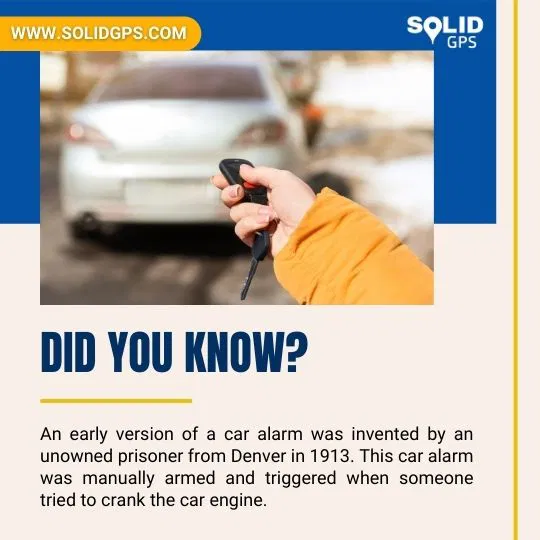
The easiest way to stop a car alarm is by using the key fob. The key fob controls your car’s alarm system remotely. Pressing the right button on the fob will silence the alarm quickly.
Look for the button with a lock or alarm symbol. Press it once or twice to stop the alarm. This action sends a signal to your car to turn off the alarm sound and lights.
- Press the lock button to arm or disarm the alarm
- Press the unlock button to stop the alarm and unlock doors
- Hold the panic button briefly if the alarm does not stop
Disconnecting The Battery
If the key fob does not work, disconnecting the car battery stops the alarm. This method cuts the power to the alarm system. Use this only if you know where the battery is and can reach it safely.
Open the hood and find the battery. Use a wrench to loosen the negative terminal cable first. Remove the cable and wait a few minutes. This will stop the alarm until you reconnect the battery.
- Wear gloves and eye protection for safety
- Remove the negative terminal cable before the positive one
- Wait at least 5 minutes before reconnecting the battery
- Reconnect cables in reverse order: positive first, then negative
Preventing Unwanted Alarm Activation
Car alarms can be very loud and annoying if they go off without a good reason. Many people wonder if car alarms stop on their own. It depends on the system, but most alarms do stop after a short time.
Preventing unwanted alarm activation is important. It helps avoid noise problems and saves your car battery. Here are some tips to keep your alarm from going off by mistake.
Proper Installation Tips
A good alarm starts with proper installation. A poorly installed alarm can trigger by accident. Make sure the alarm is placed where it works best and is not too sensitive.
Check that sensors do not detect every small movement or vibration. Use professional help if needed to avoid mistakes during installation.
- Install alarm sensors away from heavy vibration spots
- Use quality wiring and secure all connections
- Test the alarm after installation to confirm sensitivity
- Place the control module in a hidden, dry area
Regular Maintenance
Keep your car alarm working well by doing regular maintenance. Clean sensors and check the battery often. Dirt and low power can cause false alarms.
Look for worn wires or loose parts that may trigger the alarm. Fix problems quickly to avoid repeated unwanted alerts.
- Clean sensors to remove dust and dirt
- Check battery and replace if weak
- Inspect wiring for damage or loose ends
- Test the alarm regularly to ensure proper function
Legal Rules On Car Alarm Noise
Car alarms are meant to protect vehicles. Sometimes, they keep making noise for a long time. This can disturb neighbors and others around.
Many places have laws about how long car alarms can sound. These laws help reduce noise pollution and keep peace in communities.
Local Noise Ordinances
Most cities have noise rules for car alarms. These rules limit how loud and how long alarms can sound. They aim to stop loud noises late at night or early in the morning.
Local governments may set specific quiet hours. During these hours, car alarms must not ring for more than a few minutes. This helps keep neighborhoods calm and quiet.
- Noise limits vary by city and state
- Alarms usually cannot ring more than 5 minutes
- Quiet hours often cover night and early morning
Penalties For Prolonged Alarms
If a car alarm rings too long, owners may face fines. Repeated alarms can lead to higher penalties. Some places can even tow the vehicle.
Penalties encourage car owners to fix faulty alarms. This helps keep the community peaceful. Police or local officers enforce these rules.
- Fines for alarms ringing over set time
- Higher fines for repeated offenses
- Possible vehicle towing for constant noise
Frequently Asked Questions
Do Car Alarms Turn Off Automatically?
Yes, most car alarms are designed to turn off automatically after a certain period. This is usually around 10 to 20 minutes to prevent battery drain and noise pollution. However, if the issue causing the alarm isn’t resolved, it may continue to sound intermittently.
How Long Will A Car Alarm Sound?
Typically, a car alarm will sound for about 10 to 20 minutes. This is a built-in feature to conserve battery life and reduce noise disturbance. The alarm may reset and sound again if the triggering condition persists.
What Triggers A Car Alarm To Stop?
A car alarm may stop if the triggering factor is resolved. This could be locking the doors, turning off the ignition, or closing the hood. Additionally, the alarm may automatically reset after a set period.
Can A Faulty Sensor Cause Alarm To Stop?
Yes, a faulty sensor can cause a car alarm to stop or malfunction. Sensors detect unauthorized access, and if they are faulty, they may fail to trigger the alarm. Regular maintenance can help ensure sensors work correctly.
Conclusion
Car alarms usually stop on their own after a short time. This helps avoid long noise and disturbance. Some alarms have timers set to turn off automatically. Others may stop when the car owner uses the remote or key. Knowing how your car alarm works can save you stress.
It also helps you respond quickly if the alarm stays on too long. Remember, a loud alarm does not always mean danger. Stay calm and check your car to be sure.