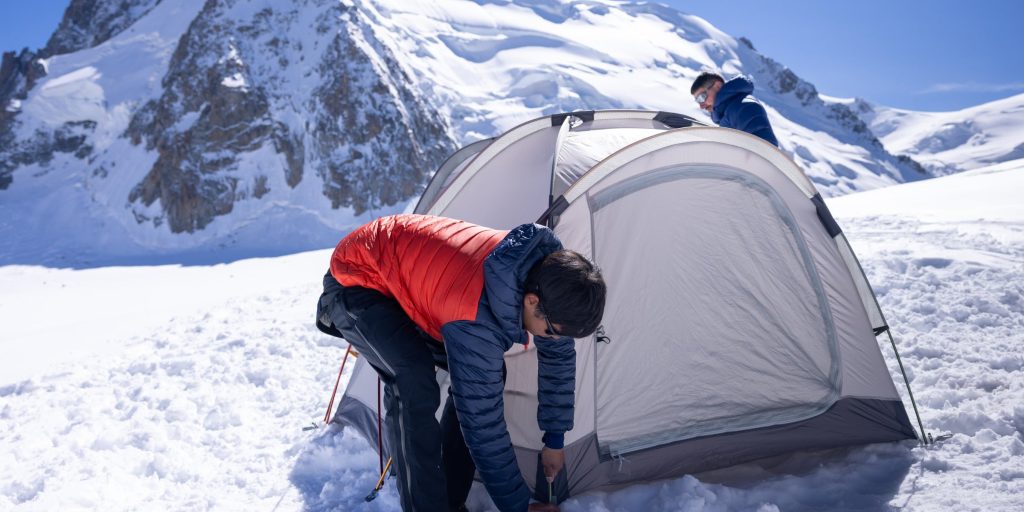
When winter camping, staying warm inside your tent can feel like a real challenge. You might worry about shivering all night or waking up cold and uncomfortable.
But what if you could learn simple, effective ways to keep cozy no matter how low the temperature drops? You’ll discover practical tips that make your winter camping experience much more enjoyable. By the time you finish reading, you’ll know exactly how to protect yourself from the cold and enjoy your time outdoors—warm, safe, and comfortable.
Keep reading, and say goodbye to freezing nights in your tent.

Credit: m.youtube.com
Choosing The Right Tent
Keeping warm in a tent during winter starts with picking the right shelter. Your tent choice affects how well you stay cozy and safe in cold weather.
This guide helps you understand which tents work best for winter camping. Focus on tent type, size, insulation, and ventilation.
Four-season Vs Three-season Tents
Four-season tents are built for harsh winter weather. They have stronger frames and thicker fabric to resist snow and wind. Three-season tents work well in mild weather but may not protect you in heavy snow or strong winds.
- Four-season tents have sturdier poles and more guy lines.
- They use heavier materials for better insulation.
- Three-season tents are lighter and more breathable.
- They may not hold up well under heavy snow.
Tent Size And Insulation
| Factor | Winter Camping Tip |
|---|---|
| Tent Size | Choose a tent that fits you and gear snugly to keep body heat inside. |
| Floor Insulation | Look for tents with insulated floors or add a sleeping pad for warmth. |
| Fabric Thickness | Thicker fabrics help block cold air and hold heat better. |
| Snow Load Capacity | Check if the tent can hold snow weight without collapsing. |
Ventilation Importance
Good ventilation stops moisture buildup inside the tent. Moist air can make you colder and cause frost to form. Vents let fresh air in and let wet air out.
- Choose tents with adjustable vents near the top and bottom.
- Keep vents open slightly even in cold weather.
- Prevent condensation by avoiding cooking inside the tent.
- Use a rainfly that allows airflow but keeps snow out.
Location Selection
Choosing the right spot for your tent is very important in winter. The right location helps keep you warm and safe.
Look carefully at the area before you set up. Small changes in location can make a big difference in warmth.
Avoiding Wind Exposure
Wind can make your tent much colder by carrying away heat. Pick a place that blocks strong winds.
Use natural or man-made barriers like trees or rocks to shield your tent from wind.
- Set up behind a hill or ridge
- Use dense tree lines as windbreaks
- Avoid open, flat areas with no cover
Finding Natural Shelters
Natural shelters help protect you from cold winds and snow. Look for spots that offer extra cover.
Caves, large boulders, and dense forests can provide good shelter to keep warmth inside your tent.
- Choose a spot near a rocky outcrop
- Look for areas with thick tree cover
- Check for overhanging branches or ledges
Snow And Ground Considerations
Snow and ground type affect how cold your tent feels. Avoid soft snow or wet ground if possible.
Firm ground holds the tent better and helps keep cold air from coming up under your sleeping area.
- Clear snow away before pitching your tent
- Use a ground tarp or footprint under the tent
- Pick flat, firm ground to reduce heat loss
Insulating Your Tent Floor
Keeping the floor of your tent warm is key for comfort in winter camping. Cold ground can take heat away from your body quickly.
Good insulation helps stop heat loss and keeps moisture out. This section covers ways to protect your tent floor.
Using Sleeping Pads And Mats
Sleeping pads and mats create a warm layer between you and the cold ground. They trap air, which acts as insulation.
- Foam pads are lightweight and provide good insulation.
- Inflatable pads offer extra comfort and warmth.
- Use thicker pads for colder conditions.
- Combine two pads for better insulation.
Ground Tarps And Barriers
Placing a tarp or barrier under your tent protects from moisture and adds insulation. It also helps keep the tent floor dry.
| Material | Benefits | Notes |
| Polyethylene Tarp | Waterproof and durable | Affordable but heavier |
| Reflective Barrier | Reflects heat back inside | Use under sleeping pads |
| Closed-Cell Foam | Insulates and cushions | Can double as a sleeping pad |
Layering Techniques
Layering different materials improves insulation on the tent floor. Use a mix of pads, tarps, and blankets for best results.
Try layering in this order for warmth:
- Ground tarp or reflective barrier
- Closed-cell foam pad
- Inflatable sleeping pad
- Insulating blanket or emergency bivvy

Credit: www.reddit.com
Sleeping Gear Essentials
Staying warm in a tent during winter needs good sleeping gear. The right items keep you cozy all night.
Focus on your sleeping bag, liners, and extra blankets or clothes. These help keep your body heat inside.
Choosing The Right Sleeping Bag
Pick a sleeping bag made for cold weather. Look for bags with low temperature ratings.
Down sleeping bags are light and warm. Synthetic bags work better if wet or damp.
- Check the temperature rating matches your camping conditions
- Choose mummy shape for better heat retention
- Make sure the sleeping bag fits you well
Using Sleeping Bag Liners
Sleeping bag liners add extra warmth. They also keep your sleeping bag clean.
Liners come in fleece, silk, or synthetic materials. Fleece liners add the most warmth.
- Use liners to add 5 to 10 degrees of warmth
- Easy to wash and dry liners improve hygiene
- Choose liners that feel comfortable against your skin
Additional Blankets And Clothing
Extra blankets help trap more heat inside your sleeping space. Wool or fleece blankets work well.
Wear warm clothes to bed. Thermal underwear and wool socks keep your body temperature up.
- Layer blankets for added insulation
- Wear a warm hat to reduce heat loss
- Change into dry clothes before sleeping
Clothing Strategies
Staying warm in a winter tent depends a lot on what you wear. The right clothes help keep your body heat inside.
Good clothing choices protect you from cold and wet weather. They make camping in winter safer and more comfortable.
Layering For Warmth
Wear several layers of clothes to trap heat. Each layer has a job to keep you warm and dry.
Start with a base layer that fits snugly. Add a middle layer for insulation. Finish with a shell layer to block wind and rain.
- Base layer: wool or synthetic, close to skin
- Middle layer: fleece or down for warmth
- Outer layer: waterproof and windproof jacket
Avoiding Cotton
Cotton absorbs water and stays wet, which causes you to get cold fast. It loses its heat quickly when damp.
Choose clothes made of wool or synthetic fabrics. These dry fast and keep heat even when wet.
- Do not wear cotton socks or shirts
- Use wool or polyester materials instead
- These fabrics keep you warmer in wet conditions
Keeping Dry And Ventilated
Wet clothes make you lose heat fast. Keep your clothes dry by avoiding sweat and outside moisture.
Vent your clothes and tent to let moisture escape. This stops dampness and keeps warmth inside.
- Wear breathable fabrics to reduce sweat buildup
- Open vents in your jacket or tent to release moisture
- Change out of wet clothes as soon as possible
Heating Methods Inside The Tent
Keeping warm inside a tent during winter is important for comfort and safety. There are several ways to add heat inside your tent. Each method has pros and cons to consider.
Below, we explore three common heating methods you can use safely and effectively inside your tent.
Portable Tent Heaters
Portable tent heaters are designed to work safely in small spaces. They use propane, butane, or electricity. These heaters provide quick and steady heat.
- Choose models with automatic shut-off features for safety.
- Keep heaters away from tent walls and flammable materials.
- Ensure proper ventilation to avoid carbon monoxide buildup.
- Follow the manufacturer’s instructions carefully.
Hot Water Bottles
Hot water bottles are a simple and safe way to stay warm. Fill a bottle with hot water and place it inside your sleeping bag.
| Advantages | Notes |
| Safe and easy to use | No open flame or fuel needed |
| Portable and lightweight | Good for short-term warmth |
| Reusable | Just refill with hot water |
| Limited heat duration | Needs reheating after some hours |
Safe Use Of Candles And Heat Packs
Candles and heat packs can add warmth but require caution. Use only candles made for camping and keep them in safe holders.
- Never leave candles unattended inside the tent.
- Place heat packs inside clothing or sleeping bags, not directly on skin.
- Keep all heat sources away from flammable fabrics.
- Ventilate the tent to avoid smoke or fumes buildup.
Maintaining Warmth Overnight
Keeping warm inside a tent during winter is very important. Cold nights can make camping uncomfortable or unsafe.
There are simple ways to keep your tent warm all night. Small actions can make a big difference.
Pre-warming Your Tent
Warm your tent before you sleep. This helps keep the cold out and the heat in.
You can do this by using a hot water bottle or heating a rock and placing it inside the tent.
- Place hot water bottles near your sleeping area.
- Heat rocks safely outside and bring them in wrapped in cloth.
- Close the tent early to trap the warm air inside.
Breathing And Moisture Control
Your breath creates moisture inside the tent. Too much moisture makes the tent cold and damp.
Use a breathable sleeping bag and avoid blocking air flow to reduce moisture build-up.
- Keep your sleeping bag slightly open for air flow.
- Avoid breathing directly on the tent walls.
- Use a moisture-wicking liner inside your sleeping bag.
Adjusting Ventilation
Ventilation helps control moisture and keeps the air fresh. But too much air can make it cold.
Open vents just enough to let fresh air in without losing heat.
- Use small vents near the top of the tent.
- Close larger openings but leave some air flow.
- Check vents regularly and adjust if you feel cold or damp.
Emergency Warmth Techniques
Staying warm in a tent during winter is vital for safety. Cold weather can cause serious problems quickly.
Using simple emergency techniques can help keep you warm when the temperature drops. Here are some effective ways.
Building A Snow Wall
A snow wall blocks cold wind and traps heat around your tent. It is a quick way to improve shelter warmth.
- Choose a spot near your tent to build the wall.
- Pack snow tightly to form solid blocks.
- Stack blocks about 3 feet high and 4 feet long.
- Leave gaps for ventilation to avoid moisture build-up.
- Check the wall often and repair cracks.
Using Body Heat
Your body heat is one of the best warmth sources in an emergency. Sharing heat can prevent hypothermia.
- Huddle close with others inside the tent.
- Wear dry clothes to keep heat inside.
- Use a sleeping bag rated for cold weather.
- Keep your head and feet covered.
- Move fingers and toes frequently to maintain circulation.
Emergency Shelters And Blankets
Emergency shelters and blankets add extra layers to trap warmth. They are lightweight and easy to carry.
| Item | Use | Benefit |
| Emergency Blanket | Wrap around body | Reflects body heat |
| Foil Shelter | Create small tent | Blocks wind and retains warmth |
| Space Blanket | Place under sleeping bag | Prevents heat loss to ground |
| Plastic Sheet | Cover tent floor or walls | Blocks moisture and drafts |
Credit: www.outsideonline.com
Frequently Asked Questions
How To Insulate A Tent For Winter Camping?
Insulating your tent is essential for warmth. Use a tent footprint to prevent ground cold. Add a thermal blanket to the tent ceiling. Use a four-season tent for better insulation. Sleeping pads and extra blankets can further enhance warmth. Always seal any gaps to prevent heat loss.
What Type Of Sleeping Bag Is Best For Winter?
A sleeping bag rated for cold temperatures is ideal. Choose a mummy-shaped bag for maximum warmth. Down-filled bags offer excellent insulation. Ensure it has a hood and draft collar for added warmth. Always check the temperature rating to match your camping conditions.
How Can I Heat My Tent Safely?
Use a portable heater designed for tents. Ensure proper ventilation to avoid carbon monoxide buildup. Place the heater on a stable surface away from flammable materials. Consider using hot water bottles or heat packs for additional warmth. Always follow the manufacturer’s safety guidelines.
What Clothing Should I Wear Inside A Tent?
Layering is key to staying warm. Wear thermal underwear as a base layer. Add fleece or wool layers for insulation. Top it with a windproof jacket. Wool socks and a warm hat are essential. Avoid cotton as it retains moisture and can make you cold.
Conclusion
Staying warm in a winter tent takes some planning. Use good insulation and wear warm clothes. Keep your sleeping bag dry and choose the right spot. Small habits, like eating warm food, help a lot. Remember to keep moving to stay warm inside.
With simple steps, camping in cold weather feels cozy. Enjoy the quiet and beauty of winter outdoors. Stay safe, stay warm, and have fun camping!