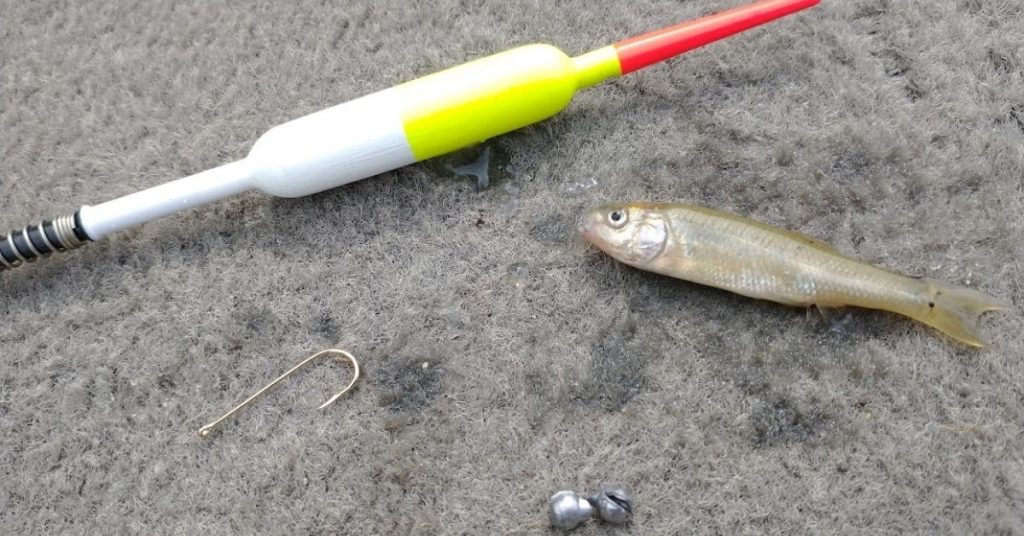
If you want to catch more fish and make your fishing trips more fun, learning how to put a bobber on your fishing line is a great place to start. A bobber helps you know when a fish is biting, so you don’t miss your chance.
In this guide, you’ll find simple steps to attach a bobber quickly and easily, even if you’re new to fishing. By the end, you’ll feel confident and ready to enjoy a better fishing experience. Keep reading to discover the easy way to add a bobber to your line and improve your time on the water!

Credit: www.youtube.com
Choosing The Right Bobber
Choosing the right bobber is important for a good fishing experience. It helps you see when a fish bites.
There are different types of bobbers. You also need to pick the right size and color for your fishing line.
Types Of Bobbers
Bobbers come in many shapes and styles. Each type works best for certain fishing situations.
- Round Plastic Bobbers: Easy to use and very common.
- Slip Bobbers: Slide up and down the line for deep water fishing.
- Stick Bobbers: Thin and long, good for calm waters.
- Bubble Bobbers: Clear and fill with water to adjust weight.
Pick a bobber type based on the water depth and fish you want to catch.
Selecting Size And Color
The size of the bobber depends on the bait weight and water conditions. Bigger bobbers hold heavier bait.
- Small bobbers: Use for light bait and calm water.
- Medium bobbers: Good for average bait and some wind.
- Large bobbers: Best for heavy bait or rough water.
Bright colors make bobbers easier to see on the water. Red, orange, and yellow are common choices.
- Choose bright colors for sunny days.
- Pick darker colors if fish are scared by bright light.

Credit: nwiowaoutdoors.com
Gathering Your Materials
Putting a bobber on a fishing line is easy if you have the right materials. Collecting everything first helps you work faster and better.
Before you start, make sure you understand the fishing line basics and what extra tools you need.
Fishing Line Basics
The fishing line is the main part that connects your rod to the bobber and hook. It must be strong and flexible.
Choose a fishing line that matches the fish you want to catch. Thicker lines hold bigger fish but are less sensitive.
- Monofilament line is common and easy to use
- Fluorocarbon line is less visible underwater
- Braided line is very strong and thin
Additional Tools Needed
You will need some simple tools to put a bobber on your fishing line. These help you attach the bobber securely and prepare your line.
- Bobber or float suitable for your fishing style
- Scissors or line cutters to trim the line
- Hooks and weights, if you plan to add bait
- Swivels or clips for easier attachment
Attaching A Slip Bobber
Slip bobbers slide up and down the fishing line. They help you fish at different depths. This guide shows how to attach a slip bobber correctly.
Using a bobber stop, bead, and the bobber itself is easy. Follow the steps to set it up for your next fishing trip.
Threading The Bobber Stop
The bobber stop holds the slip bobber in place on the line. It stops the bobber from sliding too far up. You need to thread it onto the fishing line first.
Use a small piece of elastic or nylon string as the bobber stop. Slide it onto your line and tie a small knot. This knot controls how deep your bait will go.
- Cut a 6-inch piece of elastic or nylon string
- Thread it onto the fishing line
- Tie a small, tight knot where you want the bobber to stop
Adding The Bobber And Bead
After the bobber stop, slide the slip bobber onto the line. The bobber will move freely between the bobber stop and the hook.
Place a small plastic or glass bead after the bobber. The bead protects the knot on the bobber stop from the bobber’s pressure. It also helps the bobber slide smoothly.
- Slide the slip bobber onto the line after the bobber stop
- Add a small bead right after the bobber
- Attach your hook or lure below the bead
Securing A Fixed Bobber
Using a fixed bobber helps keep your bait at the right depth. It stays in place on the fishing line for better control. This guide shows how to secure a fixed bobber properly.
Knowing the right position on the line and using clips can make your setup stable. It prevents the bobber from sliding and improves fishing success.
Positioning On The Line
Place the fixed bobber where you want your bait to float. Usually, it is set above the bait at a distance matching the water depth.
- Slide the bobber onto the main fishing line.
- Adjust the position to the desired depth.
- Make sure the bobber stays steady without moving freely.
- Tie knots or use rubber stoppers to hold it in place if needed.
Using Bobber Clips
Bobber clips secure the fixed bobber quickly and firmly. They attach to the line and hold the bobber without knots.
| Clip Type | Use | Benefit |
| Spring Clip | Pinch line tightly | Easy to adjust and reuse |
| Sliding Clip | Slide to position then lock | Stable hold without line damage |
| Push-On Clip | Push onto line section | Simple and quick to attach |
Adjusting Bobber Depth
Setting the right depth for your bobber is key to catching fish. Adjusting the bobber depth helps your bait reach where the fish swim.
This guide shows how to estimate water depth and set the bobber height correctly on your fishing line.
Estimating Water Depth
First, you need to know how deep the water is where you want to fish. This helps decide how far down to set your bobber.
You can estimate depth by using a weight on your line and lowering it until it touches the bottom. Mark the line where it meets the rod tip.
- Attach a small weight to your line.
- Lower the line slowly into the water.
- Stop when the weight hits the bottom.
- Note the length of line in the water.
Setting Bobber Height
Set the bobber so your bait hangs just above the bottom or at the fish’s feeding level. Adjust based on water depth.
Slide the bobber up or down the line to change how deep your bait goes. Lock the bobber in place once you find the right height.
- If fish feed near the bottom, set bobber just above the estimated depth.
- For fish in the middle, set bobber at half the water depth.
- Adjust after each cast if needed.
Testing Your Setup
After attaching the bobber to your fishing line, it is important to test your setup. Testing helps ensure the bobber works correctly and improves your chances of catching fish.
This section explains how to check the bobber movement and make final adjustments for the best fishing experience.
Checking Bobber Movement
First, cast your line into the water gently. Watch the bobber closely to see how it moves. A good bobber should float upright and stay steady in one place if there is no fish bite.
- If the bobber slides down the line, it may not be attached tightly enough.
- If it sinks or tilts too much, it might be too heavy or the line is too loose.
- Notice any quick or jerky movements; these can indicate fish activity.
Making Final Adjustments
Use the observations from checking the bobber movement to adjust your setup. These small changes make a big difference in fishing success.
| Issue | Cause | Adjustment |
|---|---|---|
| Bobber slides down line | Loose attachment | Pinch or clip the bobber tighter |
| Bobber sinks or tilts | Too heavy or line too loose | Use a lighter bobber or tighten line |
| Bobber moves erratically | Strong current or fish nibbling | Adjust depth or wait for a clear bite |
Tips For Successful Bobber Fishing
Using a bobber helps you see when a fish bites. It keeps your bait at the right depth. This makes fishing easier and more fun.
To catch more fish, you need the right bait and must understand water conditions. These tips will help you fish better with a bobber.
Choosing The Right Bait
Select bait that attracts the fish in your area. Live bait often works best. Worms, minnows, and insects are good choices.
- Use worms for bass and panfish.
- Try minnows for larger fish like trout.
- Insects work well in spring and summer.
- Match bait size to fish size for better results.
Reading Water Conditions
Fish behavior changes with water conditions. Look at water clarity, temperature, and movement before fishing.
| Water Condition | Effect on Fishing |
| Clear Water | Use light-colored bait and small hooks |
| Murky Water | Choose bright or scented bait to attract fish |
| Cold Water | Fish are slower; use slow bait movement |
| Warm Water | Fish are more active; try faster bait action |

Credit: www.amazon.com
Frequently Asked Questions
How Do You Attach A Bobber To A Fishing Line?
To attach a bobber, slide the line through the bobber’s top loop. Adjust to your desired depth. Secure by pushing the bobber’s bottom pin into place. This ensures the bobber stays in position while casting and reeling. Proper attachment is crucial for effective fishing.
What Is The Purpose Of Using A Bobber?
A bobber helps anglers detect fish bites by floating on the water’s surface. It keeps bait at a set depth, attracting fish. When a fish bites, the bobber moves or sinks, signaling the angler to reel in. Bobbers improve fishing efficiency and success.
Which Bobber Size Should I Use For Fishing?
Choose a bobber size based on your target fish and water conditions. Smaller bobbers are ideal for small fish and calm waters. Larger bobbers are better for bigger fish and rougher waters. Proper size selection ensures optimal bait presentation and bite detection.
Can I Use A Bobber With Any Fishing Line?
Yes, bobbers are compatible with most fishing lines, including monofilament, fluorocarbon, and braided lines. Ensure the bobber’s attachment mechanism fits your line’s thickness. Compatibility allows for effective bait presentation and bite detection, enhancing your fishing experience regardless of line type.
Conclusion
Putting a bobber on a fishing line is simple and helpful. It keeps your bait at the right depth. You can see when a fish bites easily. Just follow the steps carefully and take your time. Practice a few times before you go fishing.
This skill makes fishing more fun and successful. Enjoy your time by the water and catch more fish!