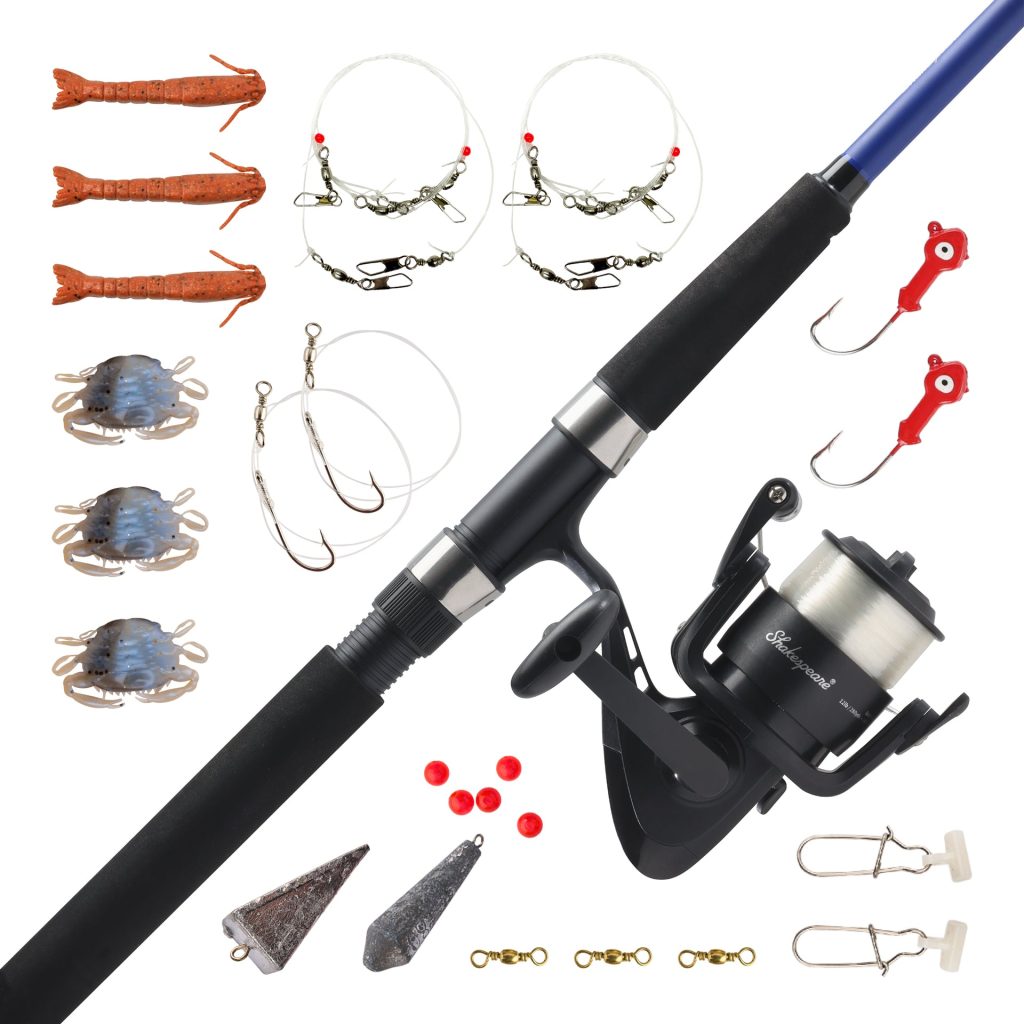
If you want to get the most out of your Shakespeare fishing rod, setting it up correctly is key. A well-prepared rod can make your fishing experience smoother, more enjoyable, and increase your chances of landing that big catch.
In this guide, you’ll learn simple, step-by-step instructions to set up your Shakespeare fishing rod quickly and confidently. Whether you’re new to fishing or just need a refresher, this article will help you get ready to fish like a pro.
Keep reading to make sure your next fishing trip starts off right!
Choosing The Right Shakespeare Rod
Picking the right fishing rod is key for a good fishing day. Shakespeare offers many rod types to fit different needs.
Knowing the rod types and what fits your style helps you enjoy fishing more and catch better fish.
Types Of Shakespeare Rods
Shakespeare rods come in several types. Each type suits a fishing method or environment.
- Spinning rods – good for light lures and easy casting
- Baitcasting rods – better for accuracy and heavy lures
- Fly rods – designed for fly fishing with lightweight lines
- Surf rods – longer rods made for casting far into the surf
- Ice fishing rods – short rods used for fishing through ice holes
Matching Rod To Fishing Style
Your fishing style should guide your rod choice. Different rods work best for certain fish and waters.
| Fishing Style | Best Shakespeare Rod Type | Example Use |
| Freshwater casting | Spinning rod | Fishing in lakes or rivers with light lures |
| Big fish targeting | Baitcasting rod | Catching bass or pike with heavy bait |
| Fly fishing | Fly rod | Fishing with artificial flies in streams |
| Surf fishing | Surf rod | Fishing on the beach from shore |
| Ice fishing | Ice fishing rod | Fishing through holes in frozen lakes |
Material And Build Considerations
Rod materials affect strength and weight. Shakespeare rods use graphite, fiberglass, or a mix.
Here are key points to consider about rod materials:
- Graphite:Light and sensitive, good for feeling bites.
- Fiberglass:Strong and flexible, good for heavy fish.
- Composite:Mix of graphite and fiberglass for balance.
- Handle types:Cork handles offer comfort; EVA foam handles resist water.
- Rod length:Longer rods cast farther; shorter rods give better control.

Credit: www.amazon.ca
Essential Tools And Accessories
Setting up your Shakespeare fishing rod requires the right tools and accessories. These items help you fish comfortably and catch more fish.
Knowing what to choose for your rod setup makes a big difference in fishing success. Below are key points to consider.
Fishing Line Selection
Picking the right fishing line is important. It affects how far you can cast and how strong your setup is.
- Monofilament lines are good for beginners and are easy to handle.
- Fluorocarbon lines are nearly invisible in water and good for clear conditions.
- Braid lines are very strong and thin, ideal for heavy cover.
- Check the line’s test weight to match the rod’s strength.
Choosing The Right Reel
The reel holds the fishing line and helps you retrieve it. Choose one that fits your rod and fishing style.
| Reel Type | Best For | Advantages |
| Spinning Reel | Light to medium fishing | Easy to use, versatile |
| Baitcasting Reel | Heavy fishing and accuracy | Strong drag, better control |
| Spincast Reel | Beginners and kids | Simple, low maintenance |
Necessary Tackle And Gear
Besides rod and reel, you need other gear to fish well. This gear helps with bait, hooks, and safety.
- Hooks in various sizes for different fish types
- Sinkers to help your bait reach the right depth
- Bobbers to keep bait suspended in water
- Pliers for hook removal and line cutting
- A tackle box to keep your gear organized
- A fishing net to help land your catch
Step-by-step Rod Assembly
Setting up your Shakespeare fishing rod is easy. Follow these simple steps to get ready for fishing.
Each step helps you prepare the rod and reel for a smooth fishing experience.
Attaching The Reel
Start by placing the reel on the reel seat of the fishing rod. The seat is near the handle.
Secure the reel by tightening the reel seat until the reel stays firmly in place.
- Slide the reel foot into the reel seat
- Turn the locking mechanism clockwise
- Check if the reel feels tight and stable
Threading The Line
Take the fishing line from the reel and thread it through the guides on the rod. Start at the bottom.
Make sure the line passes through each guide without tangles. This helps the line move smoothly.
- Pull the line from the reel spool
- Pass the line through each guide on the rod
- Keep the line tight and straight
Securing The Line And Knot Types
After threading, tie the line to your hook or lure using strong knots. This keeps your gear secure.
Use simple knots that hold well and are easy to tie, like the Improved Clinch Knot or Palomar Knot.
- Improved Clinch Knot:Good for most fishing lines
- Palomar Knot:Strong and easy to tie
- Loop Knot:Allows lure to move freely

Credit: www.shakespeare-fishing.com
Setting The Drag And Balance
Setting the drag and balance on your Shakespeare fishing rod is key for a good fishing experience. It helps control the line and makes casting easier.
This guide will explain how to adjust the drag for different fish and how to balance your rod and reel setup.
Adjusting Drag For Different Fish
Drag controls how much resistance the fish feels when it pulls the line. Adjust the drag based on the fish size and strength.
Set a lighter drag for small fish to avoid breaking your line. Use a stronger drag for big fish to tire them out slowly.
- Light drag: small fish like panfish or trout
- Medium drag: medium fish like bass or walleye
- Heavy drag: large fish like catfish or pike
Balancing Rod And Reel Setup
Balance means the rod and reel work well together without feeling heavy or awkward. A balanced setup is easier to control.
Hold the rod at the handle. The reel should feel steady and not pull the rod down or make it tip forward.
- Attach the reel firmly to the rod
- Check that the rod points straight when held
- Adjust reel position if the rod tips too much
- Use a rod and reel combo made for similar line weight
Casting Techniques For Beginners
Learning to cast with a Shakespeare fishing rod is easy with the right steps. Good casting helps you place your bait where the fish are.
This guide covers basic movements, common mistakes, and tips to improve your casting accuracy and distance.
Basic Casting Movements
Hold the rod with your dominant hand and grip it firmly but not too tight. Keep your elbow close to your body.
Start with the rod tip low and pull it back smoothly. Then, bring it forward quickly and release the line at the right moment.
- Keep your wrist straight during the cast
- Use a smooth motion to avoid jerking
- Release the line when the rod is pointing forward
Avoiding Common Mistakes
New anglers often release the line too early or too late. This causes the bait to fall short or tangle the line.
Another mistake is gripping the rod too tightly, which reduces control and makes casting tiring.
- Do not rush the cast; keep it smooth
- Release the line only when the rod points forward
- Relax your grip for better control
- Check your surroundings to avoid snagging
Improving Accuracy And Distance
Practice casting to a target to improve accuracy. Aim for a spot on the water or a marker on the shore.
To increase distance, use your whole arm, not just your wrist. A smooth, strong forward motion helps the bait fly farther.
- Focus on a clear target before casting
- Use your shoulder and arm to add power
- Keep the rod tip high when casting
- Practice regularly to improve skill

Credit: www.shakespeare-fishing.com
Maintenance And Care Tips
Proper care helps your Shakespeare fishing rod last longer. Regular maintenance keeps it working well.
Follow simple steps to clean, store, and fix common problems with your fishing gear.
Cleaning The Rod And Reel
After each fishing trip, rinse the rod and reel with fresh water. Remove dirt and salt to avoid damage.
- Use a soft cloth to wipe the rod.
- Clean the reel with a gentle brush.
- Dry all parts thoroughly before storing.
- Lubricate the reel as per the manual.
Storage Best Practices
Store your fishing rod in a dry, cool place. Avoid direct sunlight and extreme temperatures.
| Storage Tip | Reason |
| Keep rod vertical or in a rod rack | Prevents warping or bending |
| Cover the rod tip | Protects from dust and damage |
| Loosen the reel drag | Reduces spring tension |
| Store away from chemicals | Prevents corrosion and damage |
Troubleshooting Common Issues
If the reel feels stiff or the line does not spool correctly, check for dirt or damage.
- Inspect the reel and rod guides for cracks or bends.
- Clean and lubricate the reel parts carefully.
- Replace broken or worn parts if needed.
- Test the drag and line tension before fishing.
Frequently Asked Questions
How Do I Assemble A Shakespeare Fishing Rod?
To assemble a Shakespeare fishing rod, first attach the reel to the rod handle. Ensure it’s secure. Next, thread the line through the guides, starting from the top. Finally, tie your preferred knot to attach the hook or lure. Double-check everything is tight and secure before use.
What Tools Do I Need For Setup?
To set up your Shakespeare fishing rod, you’ll need the rod, reel, fishing line, and a hook or lure. No additional tools are necessary. Ensure all components are compatible. Having a pair of scissors or line cutters is helpful for trimming excess line.
How Do I Choose The Right Reel For My Rod?
Choose a reel that matches your fishing rod’s specifications. Check the rod’s power and action rating. Match these with the reel’s size and weight. A balanced setup ensures better casting and handling. Consult the rod’s manual or packaging for recommended reel types.
What Is The Best Knot For Fishing Line?
The Palomar knot is popular for its strength and simplicity. It’s ideal for securing hooks, lures, or swivels. To tie it, double your line and pass it through the hook’s eye. Make an overhand knot, then pass the loop over the hook.
Tighten and trim any excess line.
Conclusion
Setting up your Shakespeare fishing rod takes just a few simple steps. Start by attaching the reel tightly and threading the line through each guide. Tie a strong knot to secure your hook or lure. Check the drag to avoid losing fish.
Keep your rod balanced for better control. Practice casting to improve accuracy and distance. Enjoy your time by the water with confidence. Proper setup helps you fish more easily and catch more. Simple care and setup make every fishing trip better.