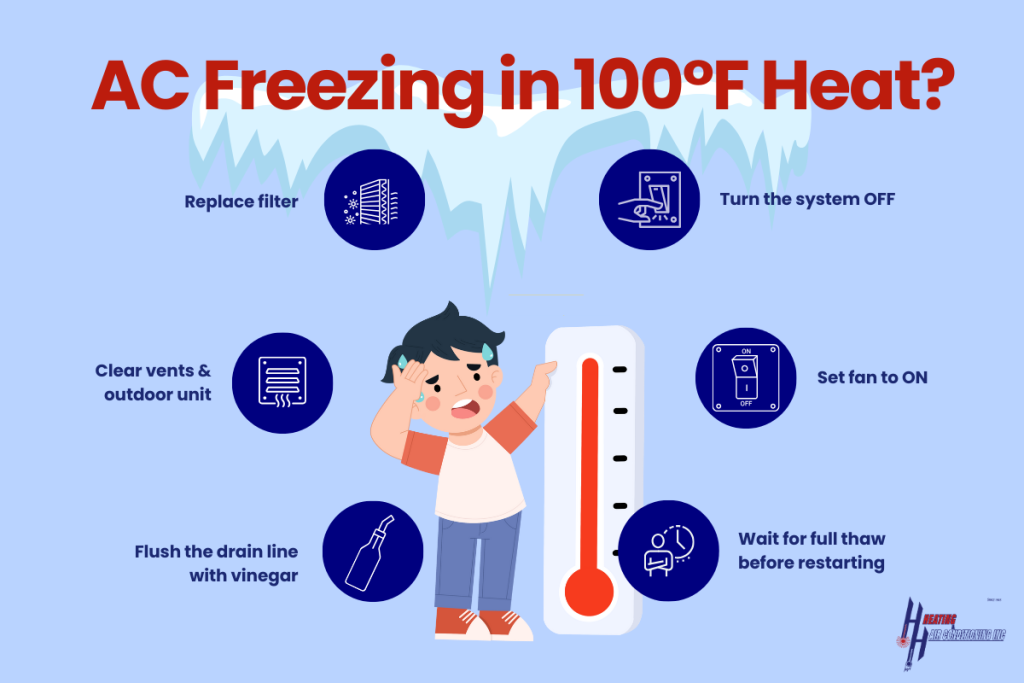
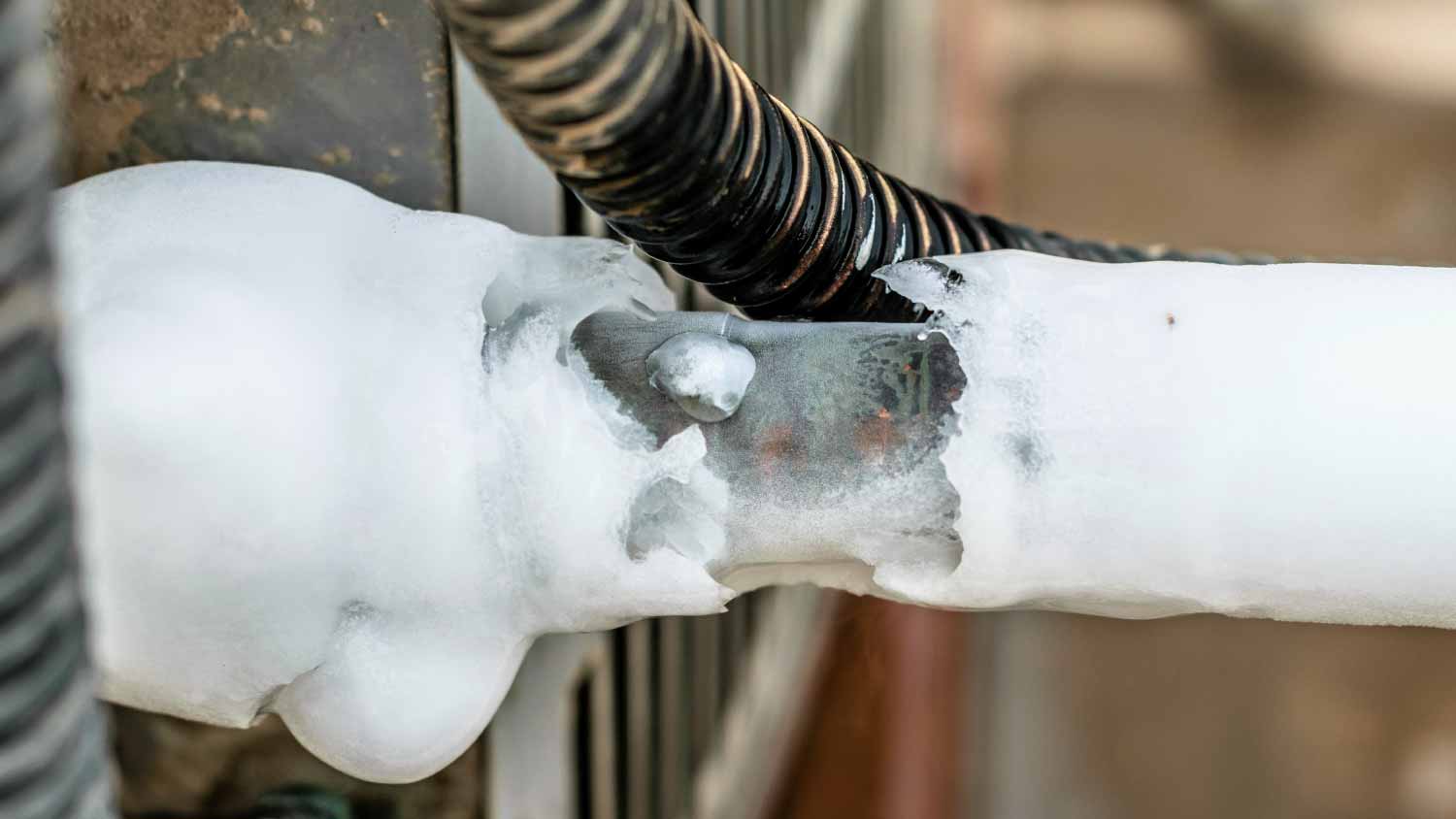
Have you ever noticed ice building up on your home air conditioner? It might seem strange, but a frozen AC is a common problem that can stop your unit from cooling your home properly.
If you’re wondering, “Why does my home air conditioner freeze up? ” you’re not alone. Understanding the reasons behind this issue can help you fix it faster and keep your home comfortable. Keep reading to discover the surprising causes and simple solutions that can save your AC from freezing over.

Credit: www.reddit.com
Common Causes Of Ac Freezing
Air conditioners can freeze up for several reasons. This problem stops the AC from cooling properly.
Knowing the common causes helps you fix the issue quickly and avoid damage.
Low Refrigerant Levels
Refrigerant cools the air inside your home. If the level is low, the coil gets too cold.
When the coil is very cold, moisture freezes on it, causing the AC to freeze up.
Poor Airflow Issues
Good airflow is needed for the AC to work well. Blocked vents or closed doors reduce airflow.
Without enough air moving, the coil gets cold and ice forms on it.
Dirty Air Filters
Air filters stop dust and dirt from entering the AC. Dirty filters block air from flowing.
Clogged filters make the coil too cold, which leads to freezing.
Thermostat Problems
The thermostat controls the AC temperature. If it gives wrong readings, the AC runs too long.
Long run times cause the coil to freeze because it stays cold for too long.
Blocked Condensate Drain
The condensate drain removes water made by the AC. A blocked drain causes water to build up.
Water buildup can freeze and cause ice to form on the AC parts.
Effects Of A Frozen Ac Unit
A frozen air conditioner can cause several problems in your home. It stops the unit from cooling properly. This issue can lead to discomfort during hot days.
Understanding the effects of a frozen AC helps you take quick action. Fixing the problem early can save you money and avoid damage.
Reduced Cooling Efficiency
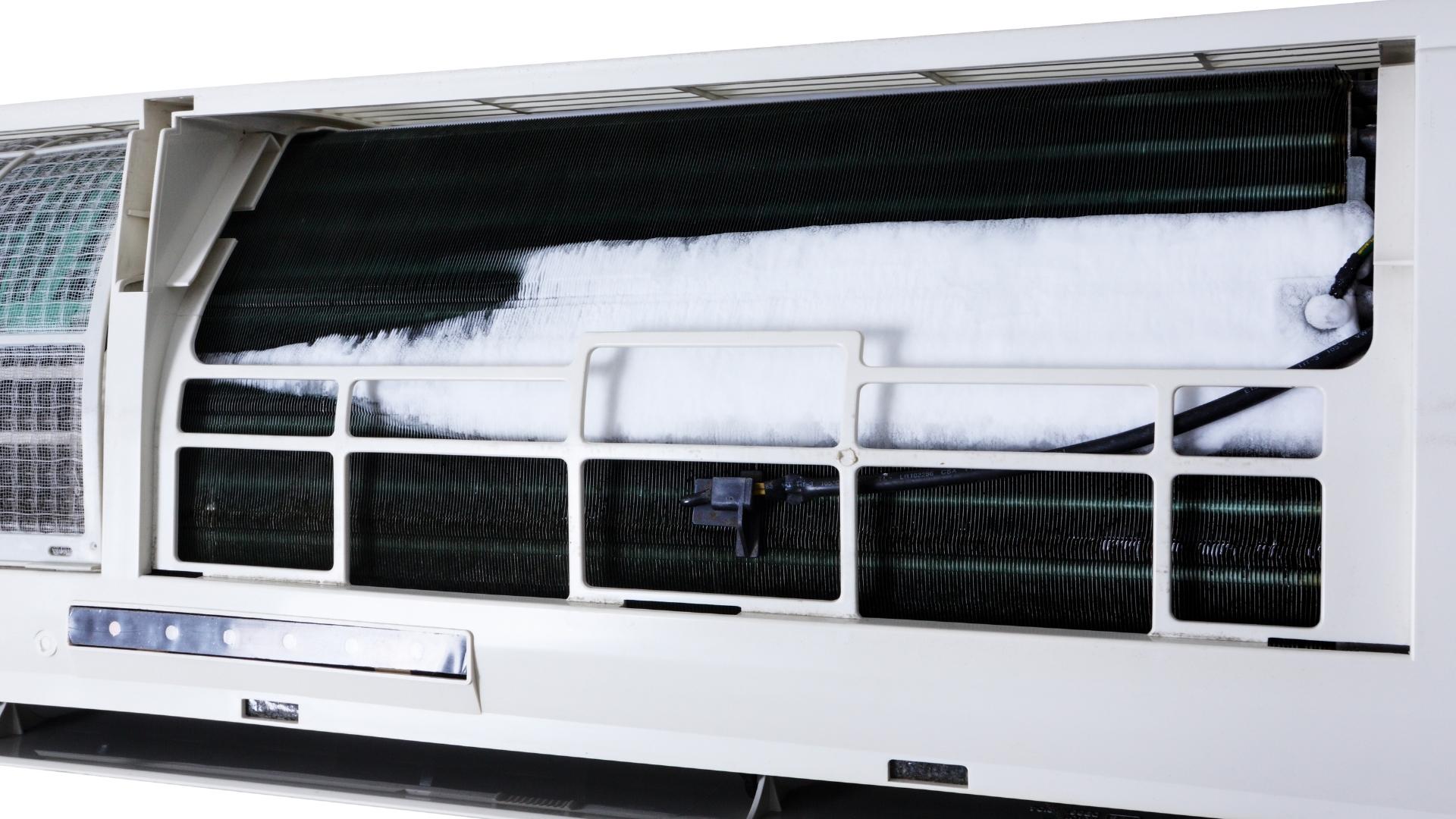
Ice buildup on the AC coils blocks airflow. This makes the unit work harder to cool your home. As a result, the air conditioner cools less effectively.
- Air does not flow well through frozen coils
- Cooling power decreases
- Rooms stay warmer than desired
Increased Energy Bills
A frozen AC uses more electricity to try to cool your home. The longer it runs, the higher your energy costs. This can make your bills much larger than normal.
| Cause | Effect on Energy Use |
| Frozen coils reduce airflow | AC runs longer, uses more electricity |
| Compressor works harder | Increases power consumption |
| Thermostat struggles to reach set temperature | Leads to longer cooling cycles |
Potential System Damage
Ice can cause damage to the AC system parts. The compressor may overheat and fail. Other parts like fans and coils can also wear out faster.
Signs of system damage include:
- Strange noises from the AC unit
- Water leaks near the indoor unit
- Frequent cycling on and off
- Warm air blowing from vents
Diy Fixes For A Frozen Ac
A frozen air conditioner can stop your home from feeling cool. You can try some simple fixes yourself before calling a technician.
These steps can help you find and fix common causes of a frozen AC unit.
Turn Off The Ac To Thaw
First, turn off your air conditioner to let the ice melt. This can take a few hours. Use a fan or open windows to help the process.
Replace Or Clean Air Filters
Dirty air filters block airflow. This causes the AC to freeze. Check your filters and clean or replace them if needed.
- Remove the air filter from the AC unit.
- Inspect for dust and dirt.
- If reusable, wash the filter with water and let it dry.
- If disposable, replace it with a new filter.
- Put the filter back in the unit.
Check And Clear Air Vents
Blocked vents reduce air flow. This makes the AC freeze. Look for any furniture or items blocking the vents. Clear dust and debris from vent covers.
| Common Blockages | Fix |
| Furniture in front of vents | Move items away from vents |
| Dust on vent covers | Clean with a vacuum or cloth |
| Closed vents | Open vents fully |
Reset Thermostat Settings
Incorrect thermostat settings can cause freezing. Set the temperature higher to stop the AC from running too long. Make sure the fan is set to “auto.”
Credit: www.angi.com
When To Call A Professional
Your home air conditioner can freeze up for several reasons. Sometimes, you can fix small problems yourself.
Other times, you need a professional to check and repair your AC. Knowing when to call one can save you time and money.
Refrigerant Recharge Needs
Low refrigerant causes your AC to freeze. This happens if there is a leak or if the system is old.
Only a certified technician should add refrigerant. They can find leaks and fix them safely.
- Signs of low refrigerant include ice on coils and weak cooling
- Refilling refrigerant requires special tools and knowledge
- Incorrect recharge can damage your AC or void warranty
Mechanical Repairs
Frozen AC can mean mechanical parts are broken or stuck. Fans, motors, or valves may need fixing.
A professional can open the unit safely and replace worn or damaged parts. Do not try this yourself.
- Unusual noises or vibrations suggest mechanical issues
- Stuck fans reduce airflow and cause freezing
- Regular maintenance prevents many mechanical problems
Electrical Issues
Electrical problems can cause your AC to freeze up. Faulty wiring or controls may stop the system from working right.
Only trained technicians should handle electrical repairs. They can test circuits and replace faulty parts safely.
- Tripped breakers or blown fuses can cause freezing
- Faulty thermostats affect temperature control
- Loose wiring can create dangerous conditions
Preventing Future Freezing Problems
Your home air conditioner can freeze up if it has problems. Preventing freezing stops damage and keeps your home cool.
Regular care and checks help your air conditioner run well. Fixing small issues early stops bigger problems later.
Regular Maintenance Tips
Keep your air conditioner clean and clear. Dirty parts cause the system to work too hard and freeze.
Change or clean air filters every 1 to 3 months. Clean filters help air flow properly and stop freezing.
- Check and clean air filters regularly
- Keep outdoor unit free from leaves and dirt
- Clear any blockages in vents and ducts
- Check refrigerant levels for leaks or low pressure
Seasonal System Checks
Test your air conditioner before hot seasons start. This helps find and fix freezing causes early.
Check the thermostat settings and make sure sensors work well. Wrong settings can cause freezing problems.
- Inspect coils for dirt and frost buildup
- Test airflow and temperature control
- Check electrical connections for safety
- Listen for strange noises or vibrations
Upgrading Old Components
Old parts may cause your air conditioner to freeze. Upgrading parts can improve system performance.
Replace worn-out fans, motors, or thermostats. New components help prevent freezing and save energy.
- Upgrade to energy-efficient thermostats
- Replace old refrigerant lines and seals
- Install new fans or blower motors
- Consider a newer air conditioning model if very old
Credit: www.thervgeeks.com
Frequently Asked Questions
Why Does My Ac Unit Freeze Up?
Air conditioners freeze due to restricted airflow or low refrigerant levels. Dirty filters or blocked vents can obstruct airflow. Low refrigerant causes pressure drop, leading to freezing. Regular maintenance and checking refrigerant levels prevent this issue.
How Can I Prevent Ac Freezing?
To prevent AC freezing, clean or replace filters regularly. Ensure vents and registers are unobstructed. Schedule annual professional maintenance to check refrigerant levels and inspect components. Proper airflow and refrigerant levels are key to preventing freezing.
What Are The Signs Of A Frozen Ac?
Signs of a frozen AC include reduced airflow, ice on coils, and warm air blowing. You might also notice water leakage around the unit. If these symptoms occur, shut off the AC and inspect for ice accumulation.
Can Thermostat Settings Cause Ac Freezing?
Yes, setting the thermostat too low can cause AC freezing. The system overworks, leading to ice formation on coils. Keep thermostat settings moderate and consistent to prevent the unit from freezing up.
Conclusion
A frozen air conditioner can cause many problems at home. Dirt, low refrigerant, or poor airflow often cause freezing. Regular cleaning and timely repairs keep your system running well. Watch for signs like cold air loss or ice buildup. Fixing issues early saves money and keeps you comfortable.
Remember, a healthy AC means a cooler, happier home all summer. Don’t ignore small problems—they can become big ones fast. Stay alert and take care of your air conditioner for best results.