Are you feeling vibrations or uneven wear on your car tires? You might need to balance them.
Balancing your car tires is a simple step that can save you money and make your driving smoother and safer. You’ll learn exactly how to balance your tires at home or know when to seek professional help. By the end, you’ll have the confidence to keep your ride steady and comfortable every time you hit the road.
Keep reading to find out how!
Credit: www.youtube.com
Why Tire Balancing Matters
Tire balancing helps your car drive smoothly. It stops shaking and uneven tire wear.
Balanced tires improve safety and save money on repairs. It keeps your ride comfortable.
Effects Of Unbalanced Tires
Unbalanced tires cause many problems. They make the car shake and increase tire wear.
- Steering wheel vibration at higher speeds
- Uneven or fast tire wear
- Suspension and steering parts wear out faster
- Reduced fuel efficiency
- Less control and unsafe driving
Signs Your Tires Need Balancing
You can notice when tires are unbalanced by these signs. Check often for safety.
| Sign | Description |
| Vibration | Feel shaking in the steering wheel or seat |
| Uneven Tire Wear | Tires look worn more on one side |
| Noise | Loud or unusual sounds from tires |
| Pulling | Car pulls to one side while driving |
Tools Needed For Balancing
Balancing car tires is important for a smooth ride. You need special tools to do it right.
This guide explains the main tools used for tire balancing. Understanding these helps you keep your car safe.
Tire Balancer Types
Tire balancers come in different types. Each type suits different balancing needs and budgets.
Some balancers spin the tire to find weight imbalances. Others use sensors for more precise results.
- Static Balancers:Simple machines that detect heavy spots by spinning the wheel slowly.
- Dynamic Balancers:More advanced and spin the tire faster for better balance detection.
- Computerized Balancers:Use sensors and software to give exact weight placement.
Additional Equipment
You need other tools besides the balancer to do a complete job. These help install and secure the tire properly.
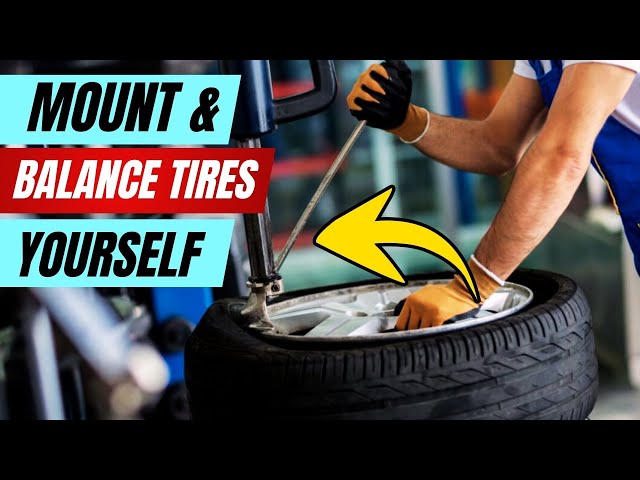
- Tire Mounting Machine:Helps remove and fit tires on rims safely.
- Wheel Weights:Small weights attached to the rim to balance the tire.
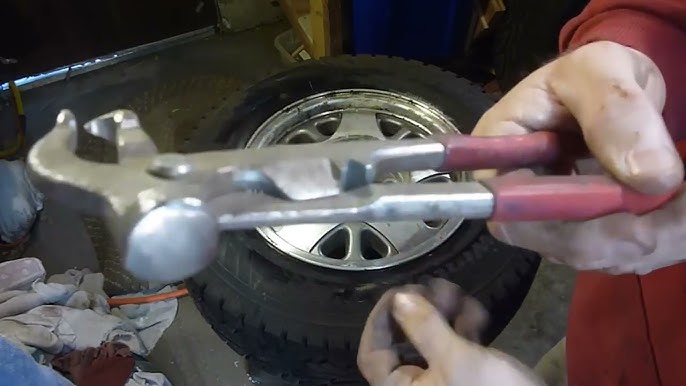
- Weight Hammer or Pliers:Tools to fix weights onto the wheel.
- Air Compressor:To inflate tires to the right pressure.
- Valve Core Tool:Used to remove and install valve cores for inflation.
Preparing Your Vehicle
Balancing car tires is important for a smooth ride and long tire life. Before starting, you need to prepare your vehicle properly. This helps keep you safe and makes the job easier.
Follow the right steps to prepare your car. This guide covers safety tips and how to remove the wheel correctly.
Safety Precautions
Working on your car’s tires can be risky. Use these safety rules to protect yourself and your vehicle.
- Park on a flat, stable surface away from traffic.
- Turn off the engine and engage the parking brake.
- Wear gloves and safety glasses to protect your hands and eyes.
- Use wheel chocks on opposite wheels to prevent rolling.
- Check the jack and tools are in good condition before use.
Removing The Wheel
Removing the wheel safely is important before balancing the tires. Use the right tools and follow these steps carefully.
| Action | Details |
| Loosen Lug Nuts | Use a lug wrench to turn nuts counterclockwise. Do this before lifting the car. |
| Lift the Vehicle | Place the jack under the car’s frame. Raise it until the wheel is off the ground. |
| Remove Lug Nuts | Take off the loosened lug nuts completely and keep them safe. |
| Take Off the Wheel | Pull the wheel straight out from the hub. Place it on a flat surface. |
| Inspect Wheel | Check the wheel for damage or wear before balancing. |

Credit: www.bfgoodrichtires.com
Step-by-step Balancing Process
Balancing car tires helps your vehicle run smoothly. It reduces vibrations and extends tire life.
This guide shows the main steps to balance your tires correctly at home or in a workshop.
Cleaning The Rim And Tire
Before balancing, clean the rim and tire surface well. Dirt can cause false imbalance readings.
Use a brush and water or a mild cleaner. Remove all mud, brake dust, and grease.
- Brush the tire sidewall and tread
- Wipe the rim inside and outside
- Dry the wheel completely
Mounting The Wheel On The Balancer
Place the cleaned wheel on the balancer shaft. Make sure it fits tightly and centers correctly.
Tighten the wheel nut or clamp to hold the wheel firmly in place. Loose mounting causes wrong results.
- Align the wheel hub with the balancer shaft
- Secure the wheel using the locking mechanism
- Double-check the tightness before spinning
Identifying Imbalance Points
Spin the wheel slowly on the balancer. The machine will detect heavy spots on the tire or rim.
Mark the points where the balancer shows imbalance. These spots need weight correction.
- Watch the balancer display for imbalance readings
- Note the location and amount of weight needed
- Check both inside and outside rim areas
Applying Wheel Weights
Attach the correct wheel weights to the marked spots on the rim. Use clip-on or adhesive weights.
After placing the weights, spin the wheel again. Confirm the imbalance is fixed or needs adjustment.
- Choose weights matching the balancer’s recommendations
- Place weights firmly to avoid falling off
- Recheck balance and add or remove weights if needed
Checking And Adjusting
Balancing car tires is important for a smooth ride. It helps prevent vibrations and uneven tire wear.
Checking and adjusting tire balance keeps your car safe and comfortable to drive. It saves money on repairs later.
Rebalancing For Accuracy
To balance tires accurately, use a wheel balancing machine. It detects heavy spots on the tire and wheel.
Add small weights on the rim to offset these heavy spots. This balances the tire and wheel assembly evenly.
- Remove old weights before adding new ones
- Spin the tire on the machine to check balance
- Place weights where the machine shows
- Repeat until the machine shows zero imbalance
Test Driving Tips
After balancing, take a short test drive to check for vibrations. Drive at different speeds and road types.
If you feel shaking or noise, the tires may need rebalancing. Return to the shop for another check.
- Drive on smooth and rough roads
- Note any vibrations in steering wheel or seat
- Check for noise from tires or suspension
- Stop and inspect tires if problems appear

Credit: www.youtube.com
Maintenance Tips For Balanced Tires
Balanced tires help your car run smoothly. They reduce wear and improve safety on the road.
Keeping your tires balanced needs regular checks and care. This guide shows simple tips for tire balance maintenance.
Regular Inspections
Check your tires often for signs of imbalance. Look for uneven tread wear or vibration while driving.
Inspect your tires before long trips or after hitting a pothole. These checks can prevent bigger problems.
- Look for uneven tire wear
- Feel for vibrations in the steering wheel
- Check tire pressure regularly
- Examine rims for dents or damage
When To Rebalance
Rebalance your tires after installing new ones or repairing a flat tire. This keeps your ride smooth.
If you notice shaking at certain speeds, it is time to rebalance. Also rebalance after hitting curbs or potholes.
- After new tire installation
- Following tire repairs
- If steering wheel vibrates
- After driving on rough roads
- Every 5,000 to 6,000 miles as a routine check
Frequently Asked Questions
What Is The Importance Of Tire Balancing?
Tire balancing ensures an even distribution of weight around the tire. This process helps in preventing vibrations, ensuring a smooth ride. Properly balanced tires also contribute to better fuel efficiency and extend the lifespan of the tires. Regular balancing is essential for maintaining vehicle safety and performance.
How Often Should You Balance Car Tires?
Car tires should be balanced every 5,000 to 7,000 miles. It’s also advisable to balance them whenever you notice unusual vibrations. Regular balancing is essential after hitting a pothole or when replacing tires. Consistent balancing ensures a smooth driving experience and prolongs tire life.
What Are The Signs Of Unbalanced Tires?
Unbalanced tires often cause vibrations in the steering wheel or seat. You might also notice uneven tire wear or increased fuel consumption. If the vehicle pulls to one side, it could indicate an imbalance. Regularly checking for these signs helps maintain tire and vehicle health.
Can You Balance Tires At Home?
Balancing tires at home is possible but requires the right equipment. A balancer and weights are necessary for accurate results. However, professional balancing is recommended for precision. DIY balancing might not achieve the same accuracy as professional services, potentially compromising safety and performance.
Conclusion
Balancing car tires helps your vehicle run smoothly and safely. It prevents uneven tire wear and improves fuel efficiency. Regular checks can save money on repairs later. You do not need special tools to spot signs of imbalance. Pay attention to vibrations or unusual noises while driving.
A well-balanced tire gives you better control on the road. Keep your tires balanced for a comfortable and safe ride every time.