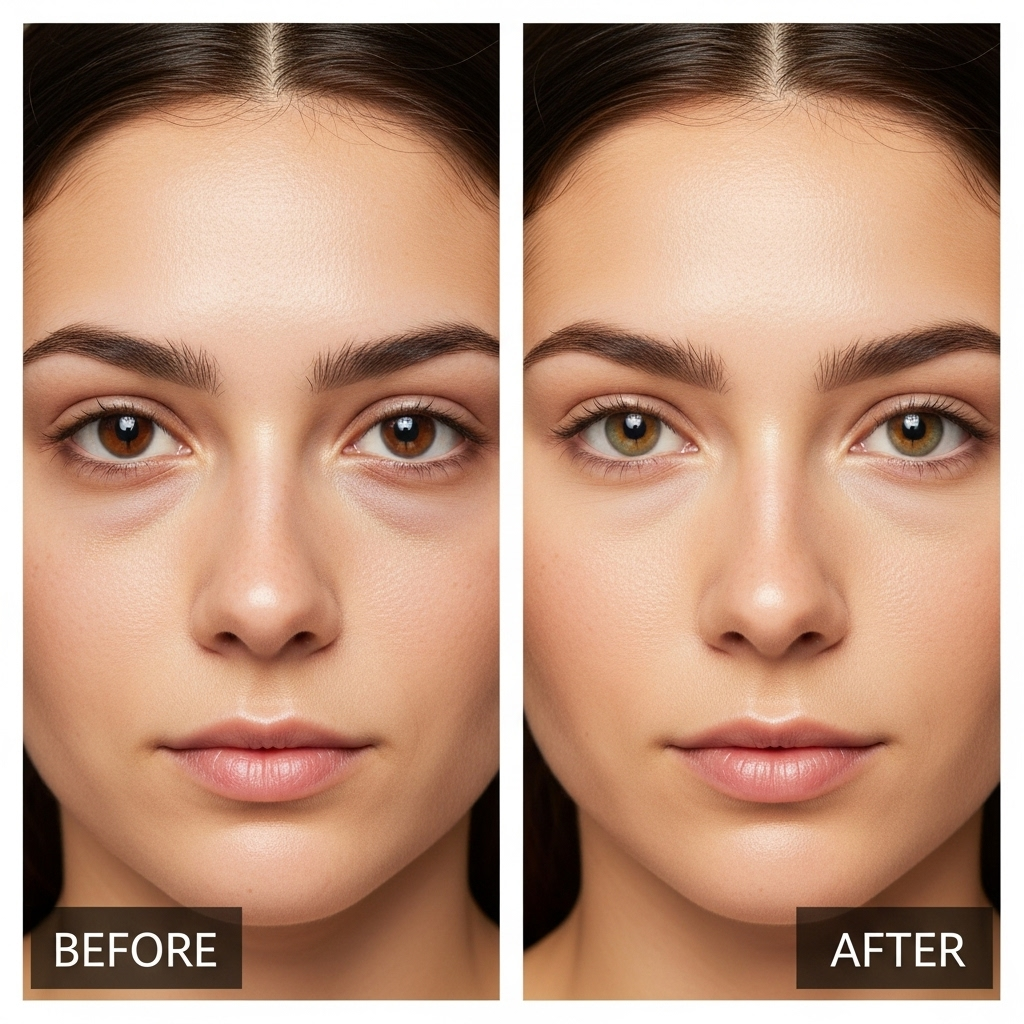
Have you ever looked in the mirror after a restless night and noticed those stubborn eye bags staring back at you? You’re not alone.
Those puffy, dark circles can make you look tired, older, and less vibrant—even when you don’t feel that way. But why does lack of sleep cause eye bags in the first place? Understanding what happens under your skin when you miss out on rest can help you take control and reduce their appearance.
Keep reading to discover the surprising reasons behind those pesky eye bags and how you can fight back starting tonight.

Credit: nudekiwi.co.nz
Causes Of Eye Bags
Eye bags are the puffy or swollen areas under your eyes. They can make you look tired or older. Many reasons cause eye bags, but lack of sleep is a common one.
Not getting enough rest affects your skin and eyes. It can lead to fluid buildup and dark circles under your eyes. Understanding how sleep impacts these areas helps explain why eye bags form.
Role Of Sleep In Skin Health
Sleep helps your skin repair and renew itself. During deep sleep, your body produces collagen. This keeps your skin firm and smooth.
Without enough sleep, skin loses its glow. It becomes dull and weak. This makes it easier for eye bags to appear.
- Sleep boosts skin moisture and elasticity
- It reduces inflammation and redness
- Good sleep slows down skin aging
How Sleep Deprivation Affects Eyes
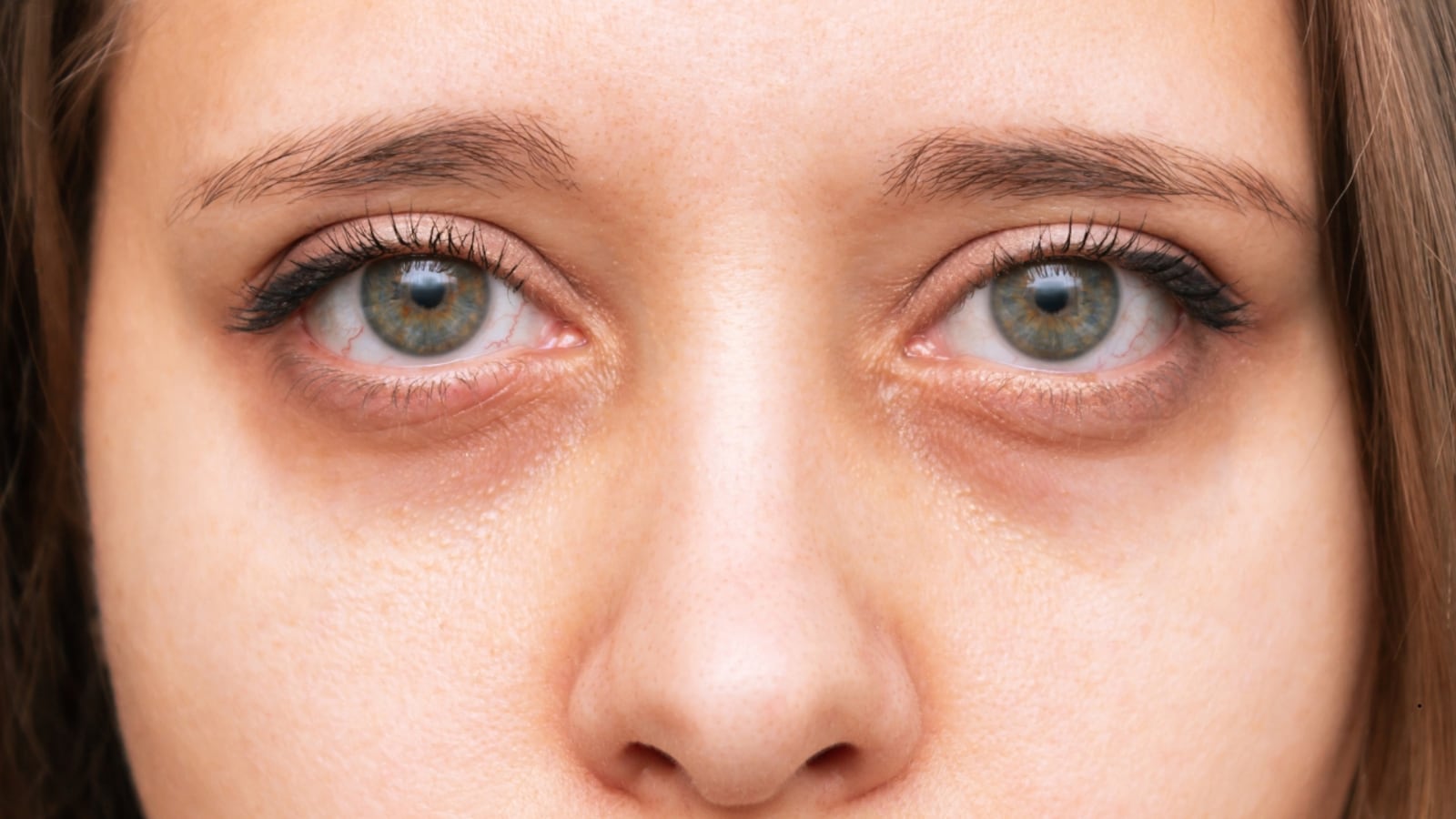
When you skip sleep, blood vessels under your eyes widen. This causes dark circles and swelling. Fluid can also collect under your eyes, creating puffiness.
Tired eyes look red and dry. Lack of sleep reduces oxygen flow to eye tissues. This harms the delicate skin around your eyes and makes eye bags more visible.
- Widened blood vessels cause dark circles
- Fluid buildup leads to puffiness
- Less oxygen harms skin around eyes
- Eye dryness and redness increase
Biological Changes From Sleep Loss
Not getting enough sleep affects your body in many ways. One common sign is eye bags under your eyes.
These changes happen because sleep loss alters how fluids and blood flow in your face.
Fluid Retention And Puffiness
Lack of sleep causes your body to hold onto more fluid. This fluid gathers under your eyes, causing puffiness.
The skin around your eyes is thin and sensitive. Fluid buildup shows up as swelling or bags.
- Sleep loss slows down your kidney function
- More salt stays in your body, attracting water
- Extra water pools under the eyes
- Swelling makes eye bags more visible
Increased Blood Vessel Visibility
When you don’t sleep enough, blood vessels under your eyes become wider and darker. This makes eye bags look worse.
Thin skin and slow blood flow cause the vessels to show more. This gives a tired, shadowed look.
- Sleep loss causes blood vessels to expand
- Blood flows slower under the eyes
- Dark blood shows through thin skin
- Visible vessels deepen the eye bag appearance
Impact On Skin Elasticity
Lack of sleep affects the skin’s ability to stay firm and smooth. This can cause eye bags to appear more noticeable.
Sleep helps the skin repair and keep its elasticity. Without enough rest, the skin weakens around the eyes.
Collagen Breakdown
Collagen is a protein that keeps skin tight and elastic. Sleep loss speeds up collagen breakdown.
- Reduced collagen leads to loose skin around the eyes.
- Skin loses its bounce and becomes saggy.
- Eye bags form as skin can no longer hold its shape well.
Skin Thinning Effects
Sleep deprivation causes the skin to become thinner. Thin skin looks more fragile and shows blood vessels clearly.
| Effect | Result |
| Thinning Skin | More visible dark circles |
| Less Elasticity | Sagging and puffiness |
| Weakened Barrier | Dryness and irritation |
Credit: www.moneycontrol.com
Additional Factors Worsening Eye Bags
Lack of sleep often leads to eye bags. Some other factors can make them worse. These include stress, hormones, diet, and hydration.
Understanding these factors helps in managing the appearance of eye bags better.
Stress And Hormonal Imbalance
Stress triggers the release of cortisol, a hormone that can cause fluid retention. This makes eye bags look puffier. Hormonal changes, like those during menstruation or menopause, can also affect fluid balance and skin elasticity.
- High cortisol increases swelling under the eyes.
- Hormone shifts reduce skin firmness around eyes.
- Both factors slow down skin repair during sleep.
Diet And Hydration
What you eat and drink plays a big role in eye bag formation. Too much salt causes the body to hold water. This leads to puffiness around the eyes. Not drinking enough water makes skin dry and tired-looking.
| Diet Factor | Effect on Eye Bags |
| High salt intake | Increases fluid retention, causes puffiness |
| Low water intake | Dehydrates skin, worsens dark circles |
| Lack of vitamins | Reduces skin repair and elasticity |
Preventing And Reducing Eye Bags
Eye bags appear when the skin under your eyes swells or sags. Lack of sleep can cause these bags to get worse. This happens because poor sleep affects blood flow and fluid balance in your face.
Changing some habits can help prevent and reduce eye bags. Improving your sleep and following good skincare routines are key steps to take.
Improving Sleep Quality
Good sleep helps your body repair and reduces puffiness around your eyes. Aim to get 7 to 9 hours of sleep every night. Create a calm space to rest and avoid screens before bed.
- Go to bed and wake up at the same time daily.
- Keep your bedroom dark and quiet.
- Limit caffeine and heavy meals before sleep.
- Try relaxing activities like reading or light stretching.
- Use a comfortable pillow to support your head.
Lifestyle And Skincare Tips
Along with better sleep, some lifestyle changes and skincare steps can lower eye bags. Protect your skin and reduce swelling by staying hydrated and using gentle products.
| Tip | How It Helps |
| Drink plenty of water | Flushes out salt and toxins that cause puffiness |
| Use cold compresses | Reduces swelling and tightens skin |
| Apply eye cream with caffeine | Improves blood flow and reduces dark circles |
| Avoid rubbing your eyes | Prevents irritation and skin damage |
| Limit salty foods | Reduces fluid retention under the eyes |

Credit: uk.news.yahoo.com
Frequently Asked Questions
Why Does Sleep Deprivation Cause Eye Bags?
Lack of sleep weakens blood vessels under the eyes. This causes fluid retention and dark circles, leading to visible eye bags.
How Does Poor Sleep Affect Skin Around Eyes?
Poor sleep reduces collagen production, making skin thin and less elastic. This results in puffiness and sagging under the eyes.
Can Lack Of Sleep Cause Permanent Eye Bags?
Chronic sleep deprivation can damage skin and tissues, making eye bags more persistent or permanent over time if untreated.
What Role Does Fluid Retention Play In Eye Bags?
Sleep loss disrupts lymphatic drainage, causing fluid buildup under the eyes. This leads to swelling and the formation of noticeable eye bags.
Conclusion
Lack of sleep often leads to unwanted eye bags. This happens because sleep helps repair skin tissues. Without rest, skin loses elasticity and becomes puffy. Dark circles may appear too. Good sleep keeps skin firm and fresh. To avoid eye bags, prioritize restful sleep each night.
Try maintaining a consistent bedtime. Relax before bed. Avoid screens that strain the eyes. Hydration helps too. Drink enough water daily. Eating well also supports healthy skin. Fruits and vegetables work wonders. Remember, sleep is crucial for both health and beauty.
Prioritize it for a refreshed look every morning.