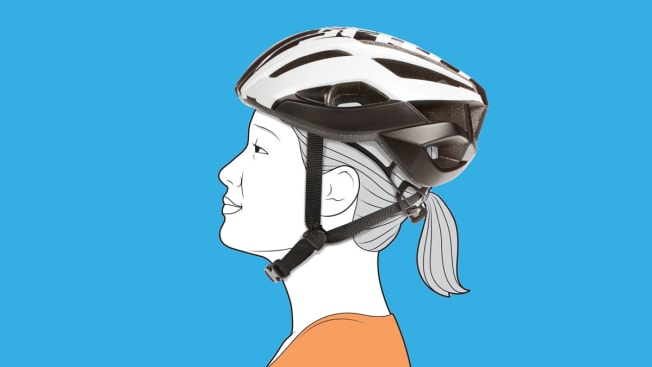
Choosing the right bike helmet isn’t just about style—it’s about your safety every time you hit the road or trail. You might think all helmets are the same, but picking the perfect one can protect your head in ways you never imagined.
You’ll discover simple tips to find a helmet that fits comfortably, looks great, and keeps you safe. Keep reading, because the right helmet could make all the difference in your next ride.
Importance Of Bike Helmets
Bike helmets protect your head in case of accidents. They reduce the risk of serious injury while riding.
Wearing a helmet can save your life. It gives you extra safety on every ride.
Protecting Your Brain
Your brain is very delicate. A helmet acts as a shield during falls or crashes.
It absorbs shock and lowers the impact force on your head. This helps prevent brain injuries.
Preventing Serious Injuries
Helmets reduce the chance of cuts, bruises, and skull fractures. They keep you safer in accidents.
Even a small crash can cause harm without a helmet. Wearing one lowers injury severity.
Following Safety Laws
Many places require bike helmets by law. Wearing one helps you follow these rules.
It also shows you care about safety. This encourages others to wear helmets too.
Increasing Visibility
Some helmets have bright colors or reflective parts. This makes you easier to see on the road.
Better visibility lowers the chance of accidents with cars or pedestrians. It keeps you safer.
Types Of Bike Helmets
Choosing the right bike helmet is important for your safety. Different helmets suit different types of biking. Knowing the main types helps you pick one that fits your needs.
Each helmet type offers unique features. These features protect you in various riding conditions. Let’s explore the common types of bike helmets.
Road Bike Helmets
Road bike helmets are lightweight and well-ventilated. They are designed for speed and comfort on paved roads. These helmets often have many vents to keep your head cool.
Mountain Bike Helmets
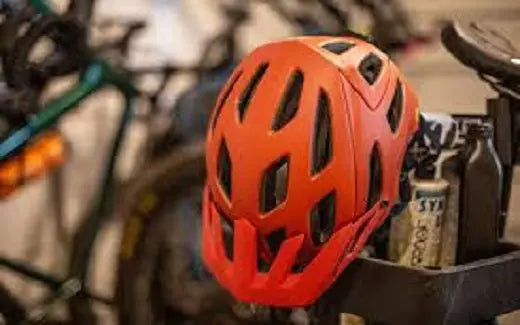
Mountain bike helmets offer more coverage at the back of the head. They usually have visors to block sun and debris. They focus on protection and durability for rough trails.
- Extra protection on the sides and back
- Visors to shield from branches and sun
- More robust build for impacts
- Good ventilation for active riding
Commuter Helmets
Commuter helmets are built for everyday use in the city. They balance safety with style. Many have features like built-in lights or reflective elements.
| Feature | Benefit |
| Reflective strips | Better visibility at night |
| Built-in lights | Increased safety in traffic |
| Comfort padding | Longer wear without discomfort |
| Ventilation | Keeps head cool in city heat |
Full Face Helmets
Full face helmets cover the entire head and face. They protect against hard impacts and flying debris. These helmets are common in downhill mountain biking and BMX.
Key advantages of full face helmets:
- Complete face and chin protection
- Strong shell for high-impact safety
- Good for high-speed or extreme riding
- Usually heavier than other helmets
Key Safety Features
Choosing the right bike helmet helps protect your head during a fall or crash. Safety features keep you safer on every ride.
Learn about important safety parts of a helmet. These parts help reduce injury risks and keep the helmet secure.
Certification Standards
Look for helmets that meet safety tests from trusted groups. Certifications show the helmet passed important checks.
Common certifications include:
- CPSC (Consumer Product Safety Commission) – USA standard
- EN 1078 – European safety standard
- ASTM F1447 – Testing for bike helmets
- Snell B90/B95 – High safety performance
Impact Protection
Helmets use foam inside to absorb shock from hits. This foam lowers the force on your head during impacts.
Check for thick, quality foam and a hard outer shell. These parts work together to protect your skull and brain.
- EPS foam is common for absorbing impact
- Hard shell spreads force over a larger area
- Some helmets use MIPS to reduce rotation forces
Retention Systems
The retention system keeps the helmet tightly on your head. It stops the helmet from moving or falling off in a crash.
Look for adjustable straps and a good buckle. A dial or fit system helps make the helmet fit snugly and comfortably.
- Chin straps should be easy to adjust and fasten
- Side straps help keep the helmet stable
- Fit systems like dials improve security and comfort
Visibility Enhancements
Helmets with visibility features help others see you better. This reduces accidents, especially in low light.
Look for bright colors, reflective stickers, or built-in lights. These features improve your safety on roads and trails.
- Bright colors make you easier to spot
- Reflective materials shine when light hits
- Some helmets include LED lights for extra visibility

Credit: velo.outsideonline.com
Fit And Comfort Factors
Choosing the right bike helmet is very important for safety. Fit and comfort make sure you wear it all the time.
A helmet that fits well protects better and feels good. This guide explains key fit and comfort factors to check.
Proper Sizing
Measure your head with a tape just above your eyebrows. Use this size to pick the helmet.
The helmet should fit snug but not tight. It should not move side to side or front to back.
- Use sizing charts from the helmet brand
- Try the helmet on before buying
- Check for even pressure on your head
Adjustable Straps And Pads
Straps keep the helmet secure on your head. They should adjust easily and stay tight.
Pads add comfort and help fit. You can change or remove pads for better feel.
- Look for helmets with adjustable chin straps
- Check if side straps form a “Y” shape below ears
- Removable pads help with cleaning and comfort
Ventilation
Good airflow stops your head from getting too hot. It makes riding more comfortable.
Look for helmets with vents that let air move through. This keeps sweat away.
- More vents usually mean better cooling
- Check if vents are placed to cool key areas
- Some helmets have adjustable vents for control
Weight Considerations
Lighter helmets feel better on your head. Heavy helmets can cause neck pain on long rides.
Choose a helmet that balances weight and protection. Light but strong is best.
- Check the helmet weight before buying
- Lighter helmets use advanced materials
- Make sure light helmets still meet safety standards
Materials And Construction
Choosing the right bike helmet means understanding the materials used. The helmet’s parts work together to protect your head.
The shell, foam, and special tech all affect safety and comfort. Let’s look at these parts closely.
Shell Materials
The shell is the helmet’s outer layer. It stops sharp objects from hitting your head.
Most helmets use these shell materials:
- Polycarbonate:Lightweight and strong, it spreads impact well.
- ABS Plastic:Tough and more rigid, it resists cracks.
- Fiberglass:Found in high-end helmets, it is very light and durable.
Inner Foam Types
The inner foam cushions your head during impact. It absorbs energy to lower injury risk.
Here are common foam types used inside helmets:
- EPS Foam:Expanded polystyrene is the most common foam. It crushes on impact to absorb force.
- EPP Foam:Expanded polypropylene can handle multiple impacts without losing shape.
- Dual-Density Foam:Combines soft and hard layers for better protection and comfort.
Mips And Other Technologies
MIPS stands for Multi-directional Impact Protection System. It helps reduce brain twisting during crashes.
Other technologies also improve safety and comfort:
- MIPS:A low-friction layer inside the helmet allows the head to move slightly on impact.
- WaveCel:A collapsible cellular structure that absorbs impact energy in many directions.
- Koroyd:A honeycomb-like material that crushes to reduce impact forces.
- Adjustable Fit Systems:Straps and dials help the helmet fit snugly and stay in place.
Additional Features To Consider
Choosing a bike helmet is not only about safety. Extra features can add comfort and convenience. These features help improve your riding experience.
Look for features that suit your needs and riding style. They can make your helmet more useful and enjoyable.
Removable Visors
Removable visors help protect your eyes from sun, rain, and dirt. You can take them off when you want better airflow or clear vision.
Visors are easy to clean and replace. They come in different colors and tints to match your style or conditions.
- Blocks sunlight and glare
- Protects from rain and dust
- Easy to remove and clean
- Available in various tints
Integrated Lights
Some helmets have built-in lights for better visibility. These lights help other riders and drivers see you in low light.
Lights can be steady or flashing. They often use rechargeable batteries for easy charging.
- Increases safety at night
- Flashing mode catches attention
- Rechargeable and easy to use
- Some have rear and front lights
Communication Systems
Communication systems let you talk with other riders or listen to music. They use Bluetooth technology for wireless connection.
These systems add fun and safety. You can hear directions or chat without stopping your ride.
- Wireless communication with riders
- Listen to music or GPS instructions
- Hands-free and easy to control
- Some models offer noise cancellation
Budget And Brand Choices
Choosing a bike helmet means thinking about how much you want to spend. Your budget helps narrow down the options.
Brand choices also matter. Trusted brands often offer better safety and quality.
Price Ranges
Bike helmets come in different price ranges. Low-cost helmets are good for casual riders.
Mid-range helmets offer more comfort and features. High-end helmets focus on lightweight and advanced safety.
- Budget helmets: $30 to $60
- Mid-range helmets: $60 to $120
- High-end helmets: $120 and above
Trusted Brands
Trusted brands follow strict safety standards. They use quality materials and good design.
Choosing a well-known brand reduces the risk of buying a poor helmet.
- Brands like Bell and Giro are popular for safety.
- Specialized brands may offer better fit options.
- Look for brands with good customer reviews.
Warranty And Replacement Policies
Check the warranty when buying a helmet. Warranties show a brand’s confidence in its product.
Replacement policies help if the helmet gets damaged. Some brands replace helmets after a crash.
- Look for at least a one-year warranty.
- Ask if crash replacement is offered.
- Read the fine print on what is covered.
Credit: www.hovsco.com
Maintenance And Replacement Tips
Keeping your bike helmet in good shape helps protect your head. Regular care and timely replacement keep it safe.
Learn simple ways to clean, store, and know when to replace your helmet. These tips keep it working well.
Cleaning Guidelines
Clean your helmet often to remove dirt and sweat. Use mild soap and warm water for the best results.
Avoid strong chemicals or solvents. They can damage the helmet’s materials and reduce safety.
- Remove the inner pads and wash them separately by hand.
- Use a soft cloth or sponge to clean the shell.
- Let the helmet air dry away from direct sunlight.
When To Replace Your Helmet
Replace your helmet after any crash or impact. Even small hits can weaken its protection.
Helmets also wear out with time. Most last about five years from the date of manufacture.
- Check the helmet for cracks or dents regularly.
- Look for faded or brittle parts.
- Replace if straps or buckles do not work well.
- Discard helmets older than five years.
Storage Advice
Store your helmet in a cool, dry place. Avoid leaving it in hot cars or direct sunlight.
Keep the helmet away from sharp objects or heavy items that can damage it.
- Use a helmet bag or soft cover for protection.
- Hang the helmet by its straps or place it on a shelf.
- Do not store with heavy gear on top.

Credit: www.reddit.com
Frequently Asked Questions
What Should I Look For In A Bike Helmet?
When choosing a bike helmet, prioritize safety certifications, a snug fit, and comfortable padding. Look for adjustable straps and ventilation. Consider the helmet’s weight and style to match your riding needs. Always try it on before purchasing to ensure a proper fit.
How Do I Measure My Head For A Helmet?
To measure your head for a helmet, use a soft measuring tape. Wrap it around your head, about an inch above your eyebrows. Note the circumference in centimeters or inches. Compare this measurement with the helmet’s size chart to find your perfect fit.
How Often Should I Replace My Bike Helmet?
Replace your bike helmet every five years, even if it appears undamaged. Helmets can degrade over time due to UV exposure and materials weakening. If you’ve had an accident or a significant impact, replace it immediately, as internal damage may not be visible.
Are Expensive Helmets Worth The Cost?
Expensive helmets often offer advanced features like improved ventilation, lighter materials, and enhanced safety technology. However, they must meet the same safety standards as cheaper options. Decide based on your budget, comfort, and specific needs, ensuring the helmet fits well and meets safety certifications.
Conclusion
Choosing the right bike helmet keeps you safe and comfortable. Always check the fit before buying. Pick a helmet that meets safety standards. Look for lightweight and well-ventilated designs. Don’t forget to replace your helmet after any crash. A good helmet protects your head every ride.
Keep these tips in mind for safer cycling. Stay smart, stay safe, and enjoy your ride.