Have you ever wondered why your air conditioner sometimes struggles to start or suddenly stops cooling properly? The answer might lie in a small but powerful part called the capacitor.
Understanding what an air conditioner capacitor does can save you from unexpected breakdowns and costly repairs. You’ll discover how this tiny component plays a big role in keeping your home cool and comfortable. Keep reading to learn how your AC capacitor works and why it’s essential for your system’s performance.
Credit: www.accio.com
Air Conditioner Capacitor Basics
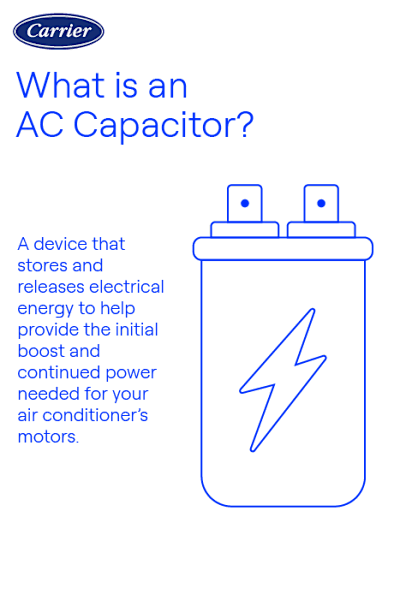
An air conditioner capacitor helps start the motor and keep it running. It stores electrical energy and releases it when needed.
This part is small but very important for the AC to work properly. Without a good capacitor, the air conditioner may not start or run well.
Types Of Capacitors
There are mainly two types of capacitors in air conditioners. Each type has a special job in the system.
The first type helps the motor start. The second type helps the motor run smoothly.
- Start Capacitor:Gives extra power to start the motor.
- Run Capacitor:Keeps the motor running efficiently.
- Dual Capacitor:Combines both start and run functions in one unit.
Capacitor Components
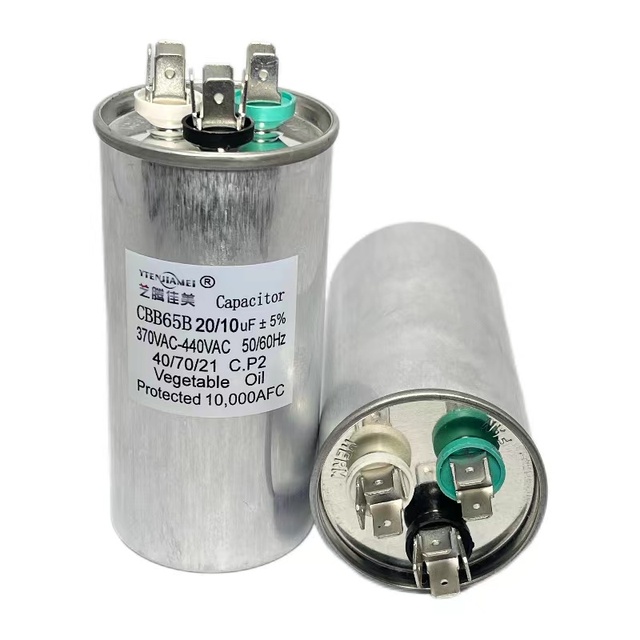
An air conditioner capacitor has a few important parts. These parts work together to store and release electricity.
The main parts include metal plates and an insulating material between them. This design helps hold the electric charge.
- Metal Plates:Store electrical charge.
- Dielectric Material:Insulator that separates the plates.
- Housing:Protects the inside parts from damage.
- Terminals:Connect the capacitor to the AC system.

Credit: www.reddit.com
Role In Ac Operation
An air conditioner capacitor helps the AC run smoothly. It stores and releases electrical energy.
This part plays a key role in starting and running the AC’s motors. It works like a boost for the system.
Starting The Compressor
The capacitor gives the compressor motor a strong start. It sends a quick burst of energy. This helps the compressor turn on and begin cooling.
- Stores electrical charge
- Releases energy to start the motor
- Prevents motor overload
- Keeps compressor running smoothly
Powering The Fan Motor
The capacitor also powers the fan motor. The fan moves air over the coils to cool your home. Without the capacitor, the fan may not start or run well.
| Function | Role of Capacitor |
| Compressor Motor | Provides starting boost and supports running |
| Fan Motor | Helps start and keep the fan turning |
Signs Of A Failing Capacitor
The capacitor in an air conditioner helps start the motor and keep it running. If it fails, the AC may not work right. It is important to know the signs of a failing capacitor early.
Recognizing these signs can help you fix the problem before it causes more damage. Below are common symptoms and effects on AC performance caused by a bad capacitor.
Common Symptoms
A failing capacitor often shows clear signs. One of the first signs is that the AC may not start at all. You might hear a clicking sound or notice the fan running very slowly.
Other symptoms include the AC shutting off suddenly or running without cooling properly. Sometimes the outdoor unit’s fan stops spinning or runs unevenly.
- AC does not start or struggles to start
- Clicking or humming noises near the compressor
- Fan runs slowly or unevenly
- AC shuts off unexpectedly
- Reduced cooling or no cooling
Effects On Ac Performance
A bad capacitor affects the AC’s ability to cool your home. The motor may run slower or stop working. This lowers the unit’s efficiency and raises energy costs.
If the capacitor fails completely, the compressor and fan might stop working. This can cause the AC to overheat or damage other parts, leading to costly repairs.
- Lower cooling performance
- Increased energy use
- Motor overheating
- Compressor and fan failure
- Possible damage to other components

Credit: www.youtube.com
Testing And Replacement
An air conditioner capacitor stores electric energy and helps start the motor. It keeps the system running smoothly. Testing and replacing the capacitor is important to keep your AC working well.
Knowing how to test a capacitor and when to replace it can save you from costly repairs. This guide explains the basics in simple steps.
How To Test A Capacitor
Testing a capacitor requires a multimeter and some safety steps. Follow these easy steps to check if your capacitor is working:
- Turn off the power to the air conditioner.
- Discharge the capacitor by touching the terminals with a screwdriver handle wrapped in a cloth.
- Set the multimeter to the capacitance setting.
- Remove the capacitor from the unit carefully.
- Connect the multimeter probes to the capacitor terminals.
- Read the measurement on the multimeter display.
- Compare the reading to the capacitor’s rated value printed on its body.
If the reading is much lower or higher than the rated value, the capacitor may be faulty.
When To Replace
Replace your air conditioner capacitor if you notice these signs:
| Signs of a Bad Capacitor | Why Replace |
| AC won’t start | Capacitor can’t start the motor |
| Humming noise | Motor struggles without proper power |
| AC runs slowly | Reduced efficiency and cooling |
| Bulging or leaking capacitor | Physical damage means failure |
| Multimeter test shows wrong value | Electrical problem inside capacitor |
Replacing the capacitor promptly prevents further damage and restores your AC’s performance.
Maintenance Tips
Air conditioner capacitors help start and run the motor. Keeping them in good shape improves your AC’s performance.
Regular maintenance can prevent costly repairs and extend the life of your air conditioner.
Preventing Capacitor Failure
Capacitors can fail from heat, age, or power surges. Protect them by keeping the unit clean and dry.
- Keep the AC unit free of dust and debris
- Ensure proper ventilation around the capacitor
- Install a surge protector to guard against power spikes
- Replace old capacitors before they fail
Routine Checks
Inspect capacitors regularly to spot problems early. Look for bulging, leaks, or corrosion on the capacitor body.
| Check | What to Look For | Action |
| Visual Inspection | Bulges, cracks, leaks | Replace if damaged |
| Capacitance Test | Measure with meter | Compare to rating |
| Connection Check | Loose or burnt wires | Tighten or replace wires |
| Cleanliness | Dust or dirt buildup | Clean carefully |
Frequently Asked Questions
What Is The Role Of An Air Conditioner Capacitor?
An air conditioner capacitor stores and releases electrical energy. It provides the necessary power to start and run the AC motors efficiently. This component ensures that the compressor and fan motors receive consistent electrical power, thereby improving overall system performance and reliability.
How Does A Capacitor Affect Ac Performance?
A capacitor stabilizes the voltage and provides the initial surge of energy. This enables the compressor and fan motors to start smoothly. Without a functional capacitor, your AC unit may struggle to start, operate inefficiently, or even fail to cool your space effectively.
Can A Faulty Capacitor Impact Energy Efficiency?
Yes, a faulty capacitor can decrease energy efficiency. When a capacitor fails, the air conditioner may consume more power to start. It can also lead to frequent cycling and increased energy bills. Regular maintenance helps ensure capacitors are functioning correctly for optimal energy efficiency.
What Are Signs Of A Bad Ac Capacitor?
Signs of a bad AC capacitor include unusual noises, delayed startup, and inconsistent cooling. The air conditioner might not turn on, or it could blow warm air. It’s crucial to address these issues promptly to prevent further damage to the system.
Conclusion
An air conditioner capacitor helps start and run the unit’s motor. It stores and releases electrical energy quickly. Without a good capacitor, the AC may not cool properly or might stop working. Checking the capacitor can prevent bigger problems and save money.
Regular maintenance keeps your AC running smoothly. Remember, a small part can make a big difference in comfort. Understanding this helps you care for your air conditioner better. Simple steps go a long way in keeping your home cool.