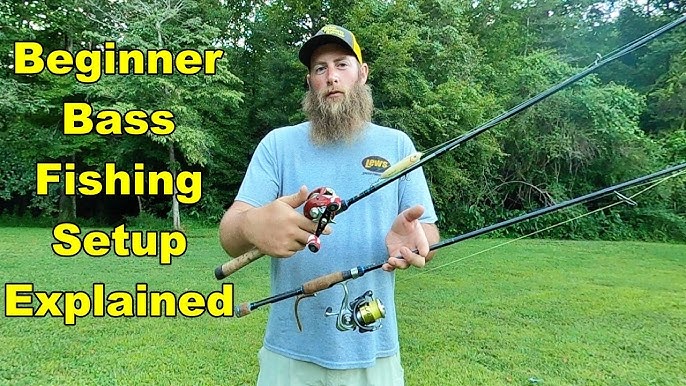
Setting up your fishing rod the right way can make all the difference between a frustrating day by the water and a successful catch. If you’ve ever felt overwhelmed by tangled lines or unsure about which parts go where, you’re not alone.
This guide will walk you through each step clearly and simply, so you can spend less time fumbling and more time fishing. By the end, you’ll have the confidence to set up your rod quickly and correctly every time. Ready to get started?
Let’s dive in.
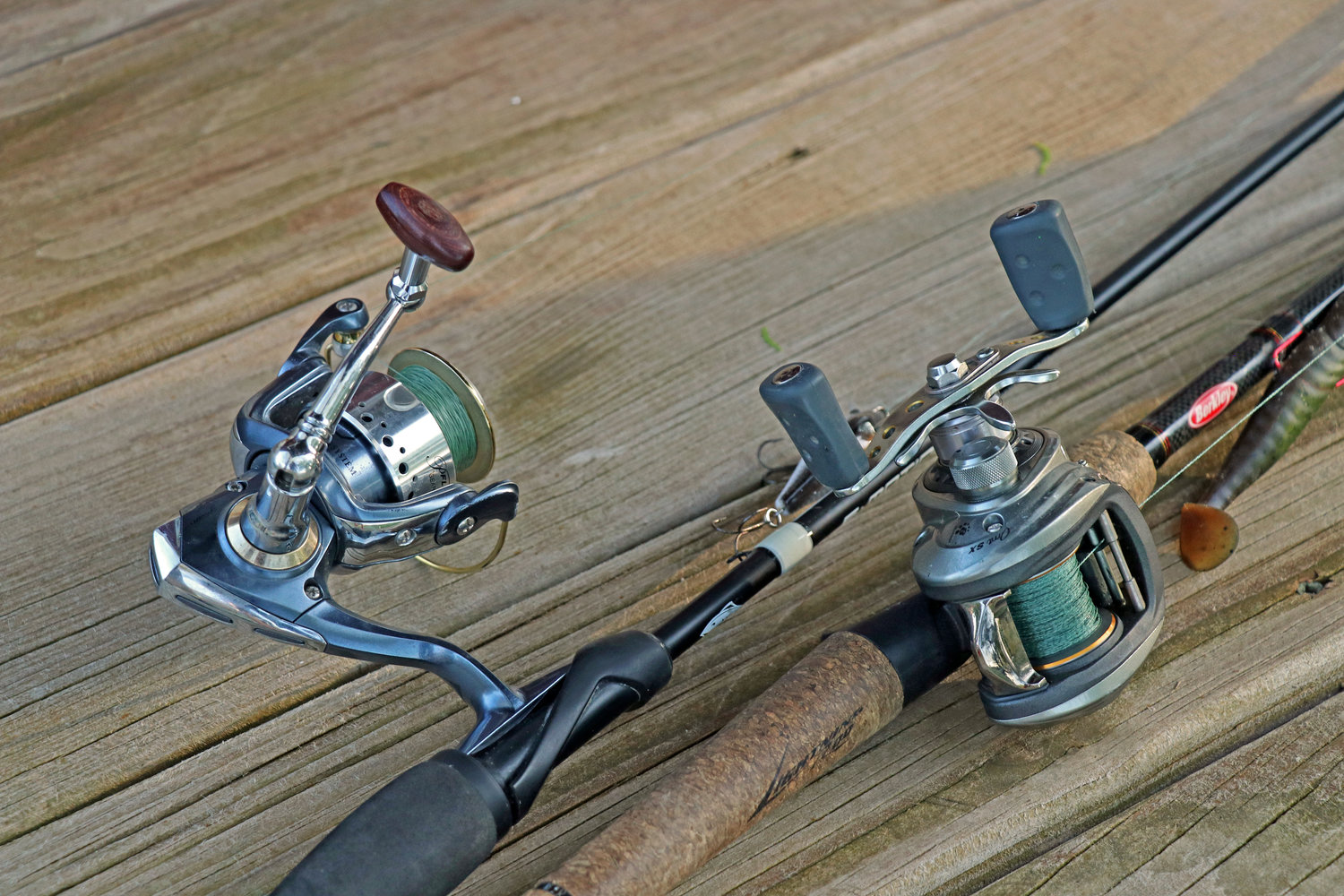
Credit: www.texaskayakfisher.com
Choosing The Right Rod
Choosing the right fishing rod is key to enjoying your fishing trips. The rod affects your casting, control, and how you handle fish.
Learn about different rod types, how to match rods to fishing styles, and how to select the right length and power.
Types Of Fishing Rods
Fishing rods come in many types. Each type fits certain fishing needs and water conditions.
- Spinning rods:Good for light lures and beginners.
- Baitcasting rods:Offer more control and power for experienced anglers.
- Fly rods:Designed for fly fishing with lightweight flies.
- Telescopic rods:Compact and easy to carry, good for travel.
Matching Rod To Fishing Style
Your fishing style should guide your rod choice. Different styles need rods with specific features.
| Fishing Style | Recommended Rod Type | Key Features |
|---|---|---|
| Freshwater casting | Spinning rod | Lightweight, flexible tip |
| Saltwater trolling | Baitcasting rod | Strong backbone, corrosion-resistant |
| Fly fishing | Fly rod | Long, flexible, fast action |
| Travel fishing | Telescopic rod | Compact, easy to transport |
Selecting Rod Length And Power
Rod length affects casting distance and control. Power shows the rod’s strength and lifting ability.
- Length:Short rods (4-6 feet) suit close fishing. Longer rods (7-10 feet) cast farther.
- Power:Light power rods catch small fish. Heavy power rods handle big fish.
- Action:Fast action rods bend near the tip. Slow action rods bend through the rod.
Gathering Essential Equipment
Setting up a fishing rod starts with gathering the right equipment. Having the proper gear makes fishing easier and more fun.
This guide covers the main gear you need before fishing. It helps you choose the best tools for your trip.
Fishing Reel Options
The fishing reel holds and releases the fishing line. Choose a reel that fits your fishing style and rod.
There are three main types of reels: spinning, baitcasting, and spincast. Each works best in different situations.
- Spinning reelsare easy to use for beginners and work well for light to medium fishing.
- Baitcasting reelsoffer more control and power, good for experienced anglers.
- Spincast reelsare simple and low maintenance, ideal for kids or casual fishing.
Fishing Line Types
Fishing lines come in different materials and strengths. Pick a line that matches your target fish and reel.
The main types are monofilament, fluorocarbon, and braided lines. Each has unique features.
- Monofilamentis flexible and affordable. It works well for many fishing styles.
- Fluorocarbonis nearly invisible underwater. It is strong and good for clear water fishing.
- Braided lineis very strong and thin. It handles heavy fish and thick cover well.
Necessary Accessories
Besides the rod, reel, and line, you need some accessories. These help you fish safely and effectively.
Common accessories include hooks, bobbers, sinkers, and a tackle box to keep everything organized.
- Hooks:Different sizes fit different fish types.
- Bobbers:Help you see when a fish bites.
- Sinkers:Add weight to your line for casting distance.
- Tackle box:Stores and protects your gear.
- Pliers:Useful for removing hooks safely.
Assembling The Rod And Reel
Setting up a fishing rod and reel correctly helps you fish with ease. It also prevents damage to your gear.
This guide explains how to attach the reel, thread the line, and secure the line properly.
Attaching The Reel
Start by placing the reel foot into the reel seat on the rod. The reel seat is a clamp near the handle.
Tighten the reel seat ring to hold the reel firmly. Make sure the reel is aligned with the rod guides.
Threading The Line
Pull the fishing line from the reel spool. Pass the line through each guide on the rod, starting from the bottom.
Keep the line tight and avoid tangles as you thread it through all the guides up to the tip.
- Start with the guide closest to the reel
- Continue threading through each guide one by one
- Finish at the tip-top guide
Securing The Line Properly
Once threaded, tie the line to the reel spool using a secure knot. This prevents slipping during casting or reeling.
Check that the line spool is tight and that the drag system is set correctly to avoid line breaks.
- Use an arbor knot to tie the line to the spool
- Pull the knot tight and trim the excess line
- Adjust drag to match fishing conditions

Credit: fishgenix.com
Choosing And Attaching The Lure
Choosing the right lure is important for catching fish. Attaching it correctly keeps it secure on the rod.
Learn about different lure types, how to tie knots, and how to place the lure for best results.
Types Of Lures
Lures come in many shapes and sizes. Each type works better for certain fish and water conditions.
- Spinnerbaits: These spin in the water and attract fish with flash and vibration.
- Crankbaits: These dive and wobble to mimic small fish.
- Soft Plastics: These look like worms or other prey and move naturally.
- Jigs: These have a weighted head and work well near the bottom.
- Spoons: These reflect light and flutter to catch fish attention.
Knot Tying Techniques
Tying a strong knot keeps your lure from falling off. Use knots that hold well and are easy to tie.
- Improved Clinch Knot: Thread line through the lure eye, wrap around the line five times, then pass the end through the loop near the eye and back through the big loop.
- Palomar Knot: Double the line, pass it through the lure eye, tie a loose overhand knot, then pass the lure through the loop and pull tight.
- Loop Knot: Make a small loop above the lure to give the lure more movement.
Adjusting Lure Placement
Placing the lure correctly on the line helps it move naturally. Adjust placement based on the fishing style.
| Placement | Purpose |
| Close to rod tip | Better control and faster hook sets |
| Farther from rod tip | More natural lure movement |
| Using a leader | Protects line from sharp teeth or rocks |
Adjusting The Drag System
The drag system on a fishing rod controls how much resistance a fish feels when it pulls the line. It helps prevent the line from breaking. Adjusting the drag correctly improves your chances of landing a fish safely.
Learning to set the drag is important for both beginners and experienced anglers. It can protect your gear and make fishing more enjoyable.
Purpose Of Drag
The drag system allows the fishing line to slip off the reel spool under pressure. This helps stop the line from snapping when a fish pulls hard. It also tires the fish out gently.
- Prevents line breakage from strong fish pulls
- Helps control the fish during a fight
- Protects the fishing rod and reel from damage
- Allows you to adjust resistance based on fish size
Setting The Drag Correctly
Setting the drag requires a balance. Too tight and the line may snap. Too loose and you may lose the fish. Follow these simple steps to set the drag properly before fishing.
- Start with the drag knob at the reel’s center position.
- Pull the line firmly by hand to feel the resistance.
- Tighten the drag knob slowly until you feel steady pressure.
- Test the drag by pulling the line with the rod tip low.
- Adjust so the line slips smoothly without too much force.
- Check the drag again after catching a fish and adjust if needed.
| Drag Setting | When to Use |
| Light Drag | Small fish or light line |
| Medium Drag | Average fish size and medium line |
| Heavy Drag | Large fish or heavy line |

Credit: www.youtube.com
Casting Techniques For Accuracy
Casting a fishing rod with accuracy helps you place the bait exactly where fish are. Good casting skills improve your chances of catching fish.
Learning the right techniques can make your fishing more effective. Focus on control and smooth movements for better results.
Basic Casting Methods
Start with simple casting methods to build your skill. The overhead cast and sidearm cast are common for beginners. Practice these to gain control and accuracy.
- Overhead Cast:Lift the rod above your head and cast forward smoothly.
- Sidearm Cast:Swing the rod sideways for a low, fast cast.
- Roll Cast:Use this when space is limited behind you.
Improving Casting Distance
To cast farther, use the rod’s full length and increase your arm speed. Keep the line tight and release the lure at the right moment.
| Tip | How to Do It |
| Use Longer Rod | Longer rods help push the line further |
| Build Momentum | Smoothly accelerate the rod before release |
| Release Timing | Let go of the line when the rod points forward |
| Keep Line Tight | Prevent slack to avoid losing power |
Common Casting Mistakes
Many anglers make simple mistakes that reduce casting accuracy. Avoid these errors to improve your fishing experience.
- Releasing the line too early or too late
- Using jerky, fast movements instead of smooth casts
- Not checking the line for tangles before casting
- Overpowering the cast causing loss of control
- Ignoring wind direction and strength
Maintaining Your Fishing Rod
Keeping your fishing rod in good shape helps it last longer. Regular care ensures better performance on every trip.
Follow simple steps after each use to protect your rod from damage and wear. This guide covers cleaning, storage, and inspections.
Cleaning After Use
Rinse your fishing rod with fresh water after every trip. Salt, dirt, and debris can cause damage over time.
- Use a soft cloth or sponge to wipe the rod.
- Clean guides and reel seats carefully.
- Dry the rod completely before storing.
Storage Tips
Store your fishing rod in a cool, dry place away from direct sunlight. Avoid leaning it against walls, which can bend the rod.
| Storage Method | Benefits |
| Rod rack | Keeps rod straight and safe |
| Rod tube | Protects from dust and impacts |
| Wall mounts | Saves space and prevents warping |
Routine Inspections
Check your fishing rod regularly for signs of wear. Look closely at guides, reel seats, and the rod blank.
- Look for cracks or chips in the rod blank.
- Inspect guides for rust or broken rings.
- Test reel seat for tightness and damage.
- Replace damaged parts promptly to avoid bigger problems.
Frequently Asked Questions
How Do I Attach The Reel To The Rod?
To attach the reel, align it with the reel seat on the rod. Secure it by tightening the reel seat’s locking mechanism. Make sure it’s snug but not overly tight. This ensures stability while casting and retrieving.
What Is The Best Way To Spool The Line?
Begin by threading the line through the rod guides. Attach the line to the reel spool using an arbor knot. Reel slowly, maintaining tension, to ensure even line distribution. Ensure the line is taut to avoid tangles during casting.
How Do I Choose The Right Rod For Fishing?
Consider the type of fish and fishing environment. A lightweight rod is ideal for small fish and freshwater. Heavier rods suit larger fish and saltwater. Match the rod’s power and action to your fishing style for optimal performance.
What Is The Correct Way To Attach A Lure?
Start by tying a strong knot, like the improved clinch knot, to the lure’s eye. Ensure the knot is tight and trimmed to prevent slipping. This secures the lure, enhancing your chances of a successful catch.
Conclusion
Setting up a fishing rod is simple with clear steps. Take time to thread the line carefully through guides. Attach the reel securely for smooth casting. Tie knots tightly to avoid losing fish. Check the balance of the rod before fishing.
Practice casting in an open space for confidence. Enjoy the patience and peace that fishing brings. Each step helps you prepare for a great day outdoors. Keep learning and improving with every fishing trip. Your efforts will lead to better catches soon.